Festival of SingphoTribe
Shapawng Yawng
A festival of music, dance, and vibrant tradition.
The Singpho people are an ethnic community forming the largest subset of the Kachin peoples. They predominantly inhabit the Kachin Hills of northern Myanmar’s Kachin State, the neighbouring Dehong Dai and Jingpo Autonomous Prefecture of China, and parts of Northeastern India, especially Arunachal Pradesh and Assam.
While most Kachin live in Myanmar, they are known as Jinghpaw in China and Singpho in India.
The Kachin represent a broad ethnic affinity made up of several tribal groups. They are known for their fierce independence, disciplined warrior traditions, intricate clan networks, exceptional craftsmanship, and profound knowledge of herbal healing and jungle survival.
According to tradition, Shapawng Yawng is regarded as the forefather of the Singphos. The term “Poi” means festival and “Manau” means dance. Therefore, Shapawng Yawng Manau Poi refers to the dance festival held in honour of Shapawng Yawng.
The origins of the Manau dance are rooted in folklore, which says the dance was first observed among birds while they were feasting. Later, under the leadership of Ma Den Yau, humans adopted and performed the dance. During the festival, traditional ethnic dances are performed to rhythmic drumbeats, commonly played on gongs and thongs. The annual gathering unites Jinghpaw/Singpho communities from around the world and serves as a powerful expression of cultural identity.
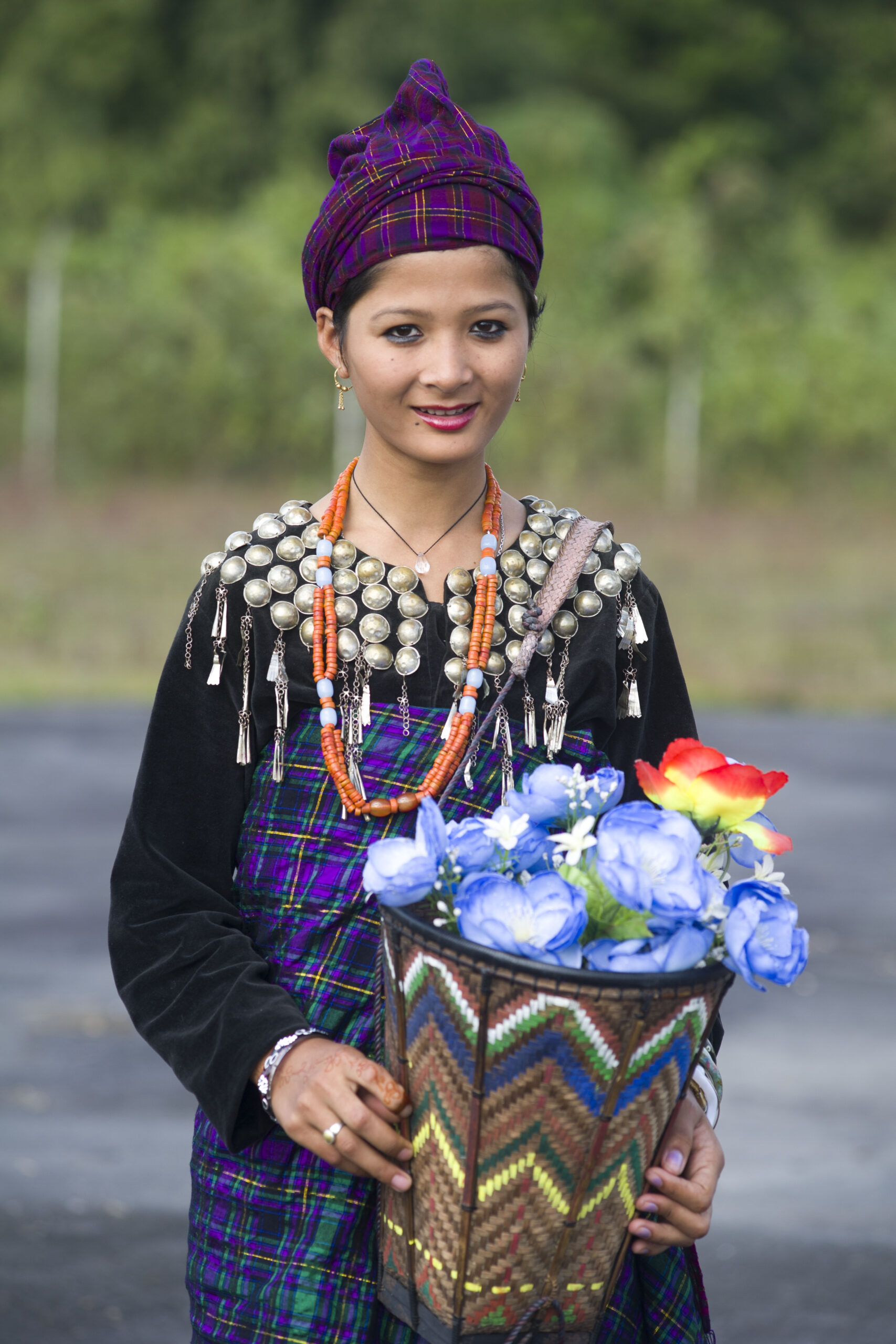
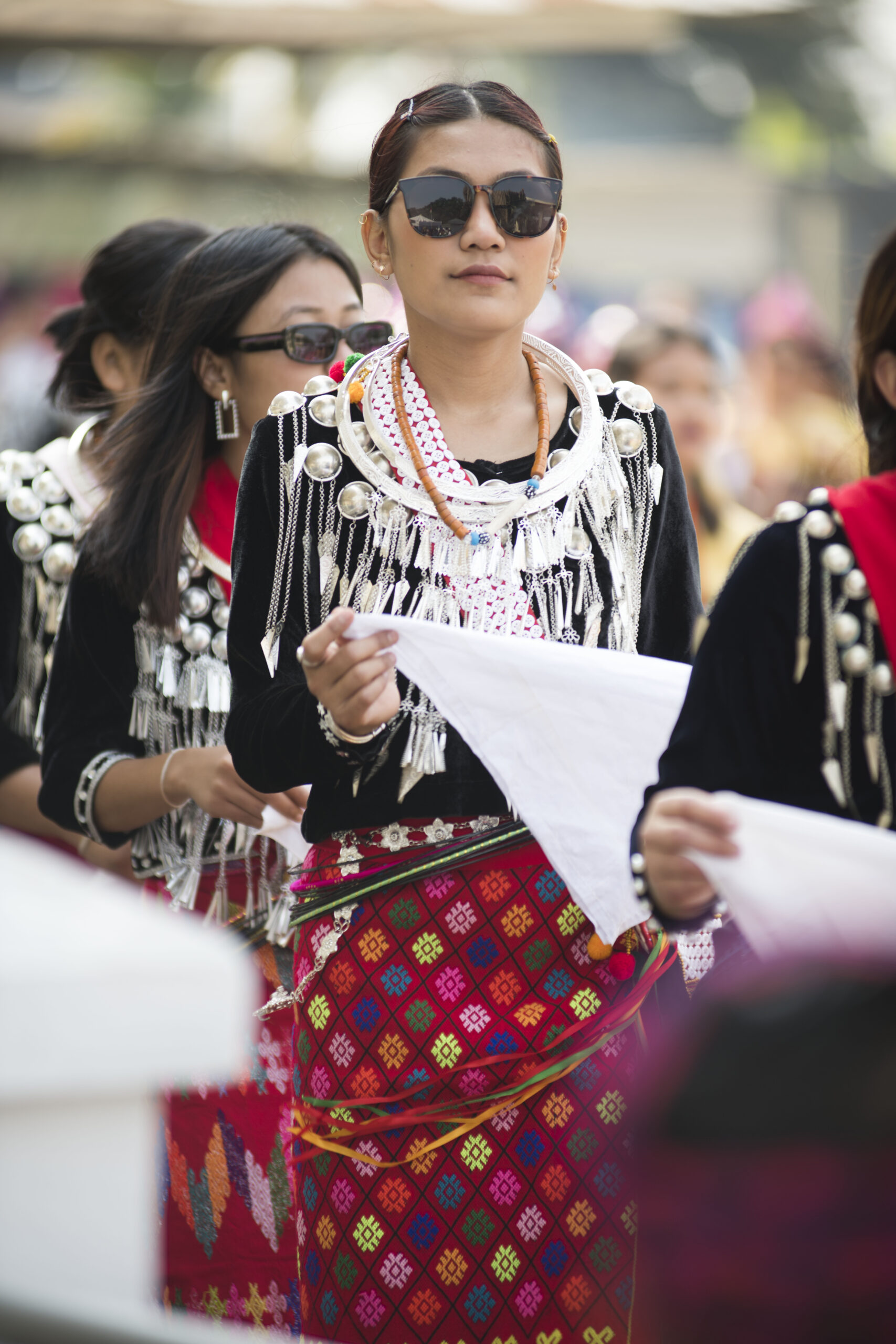
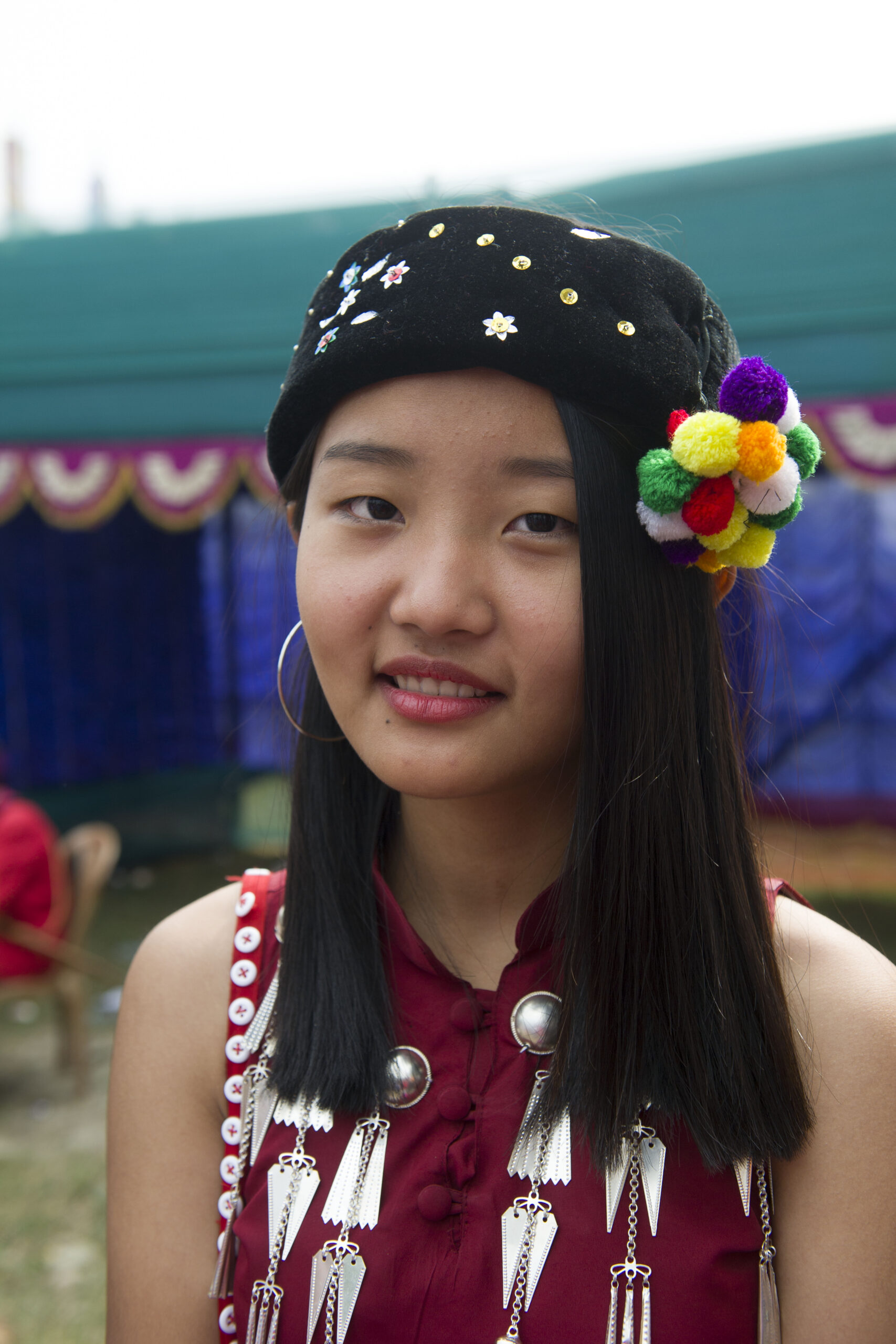
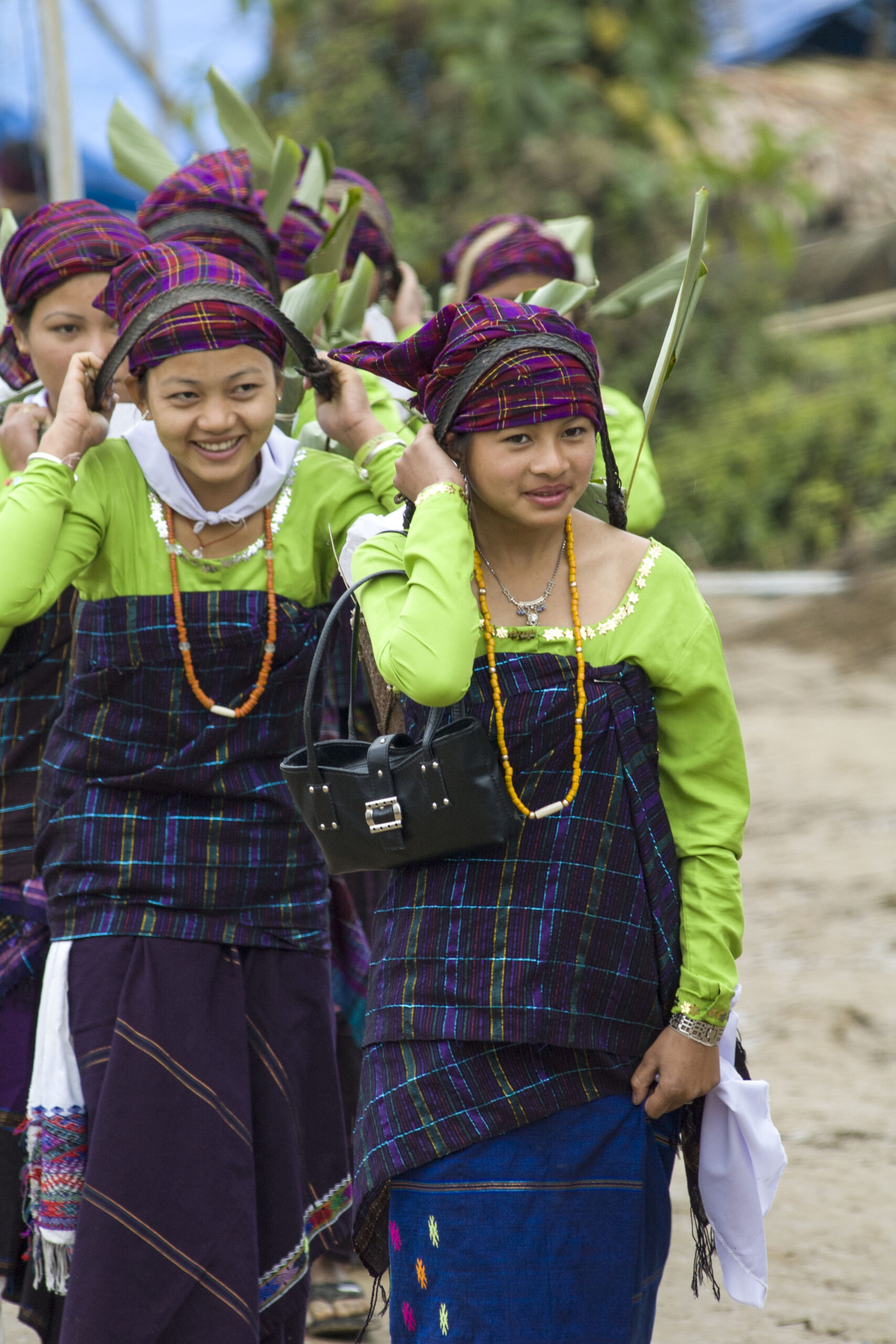
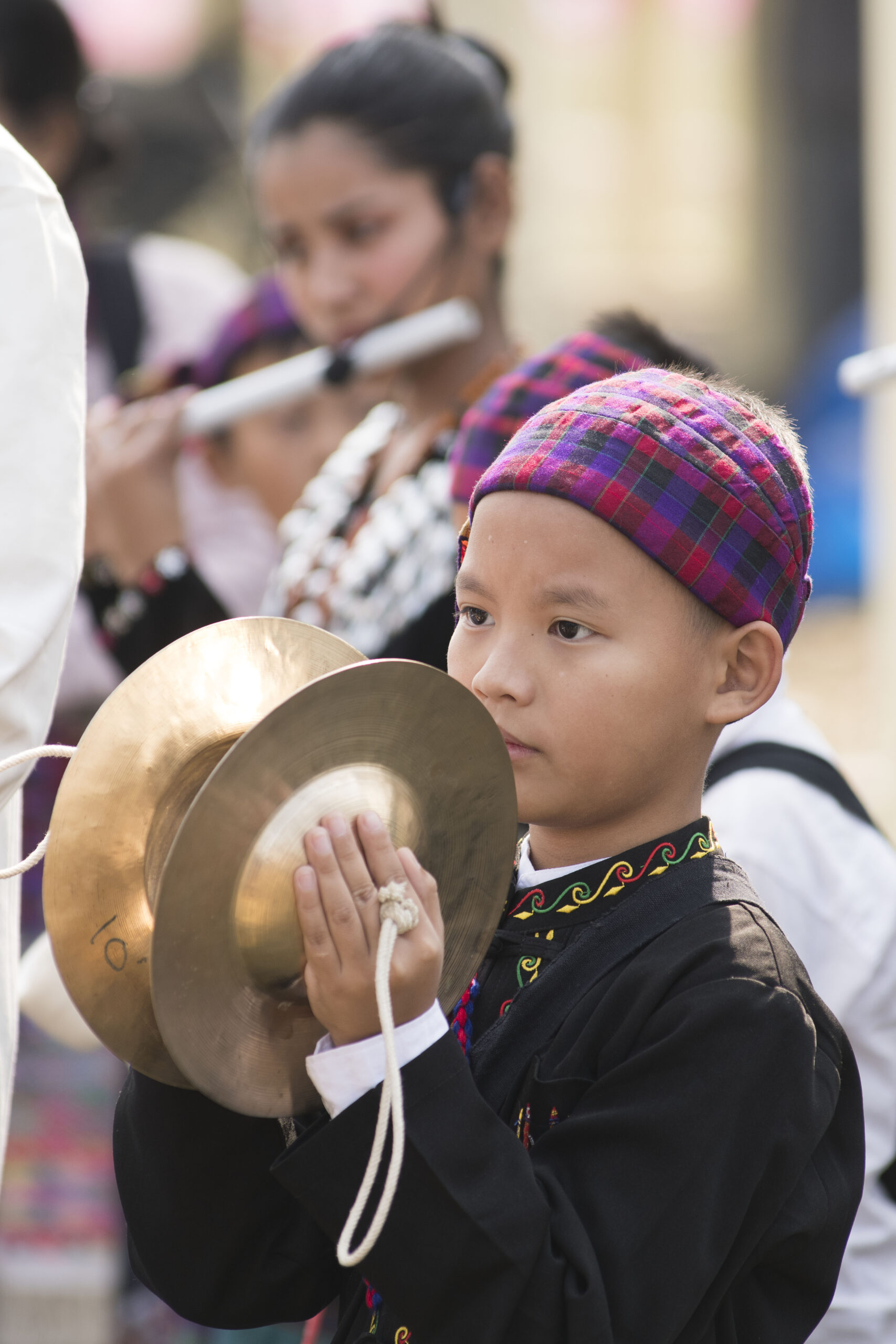
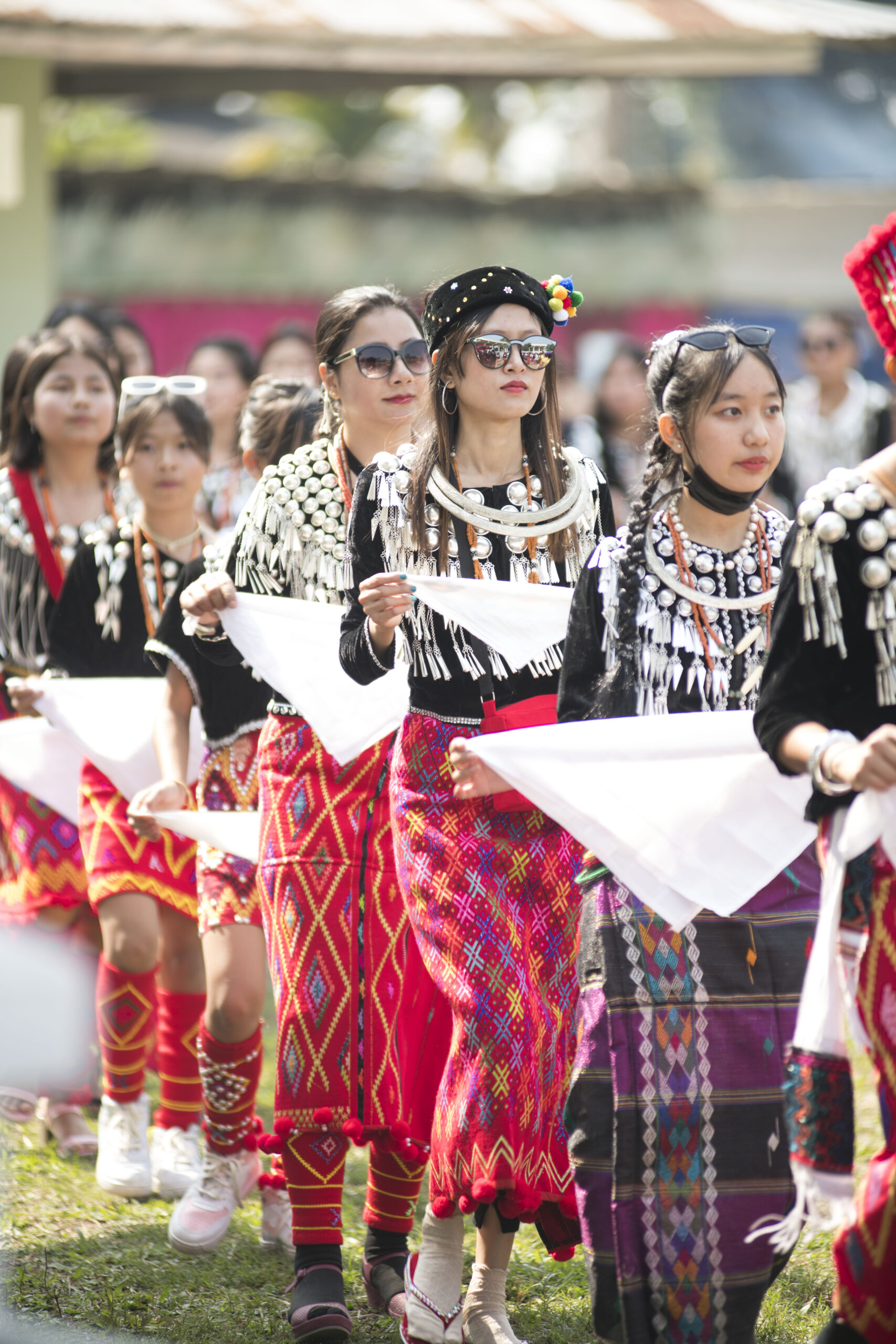
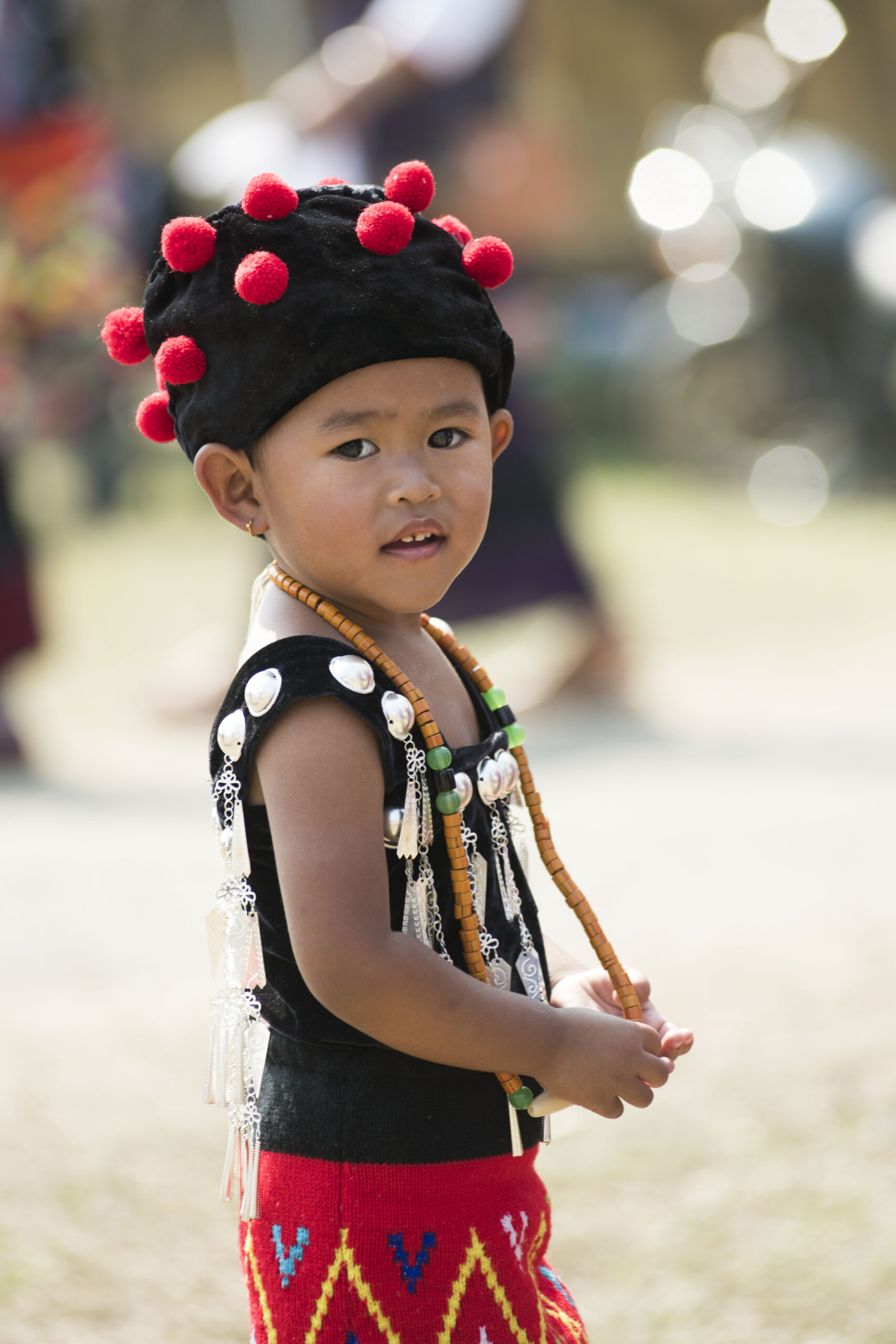
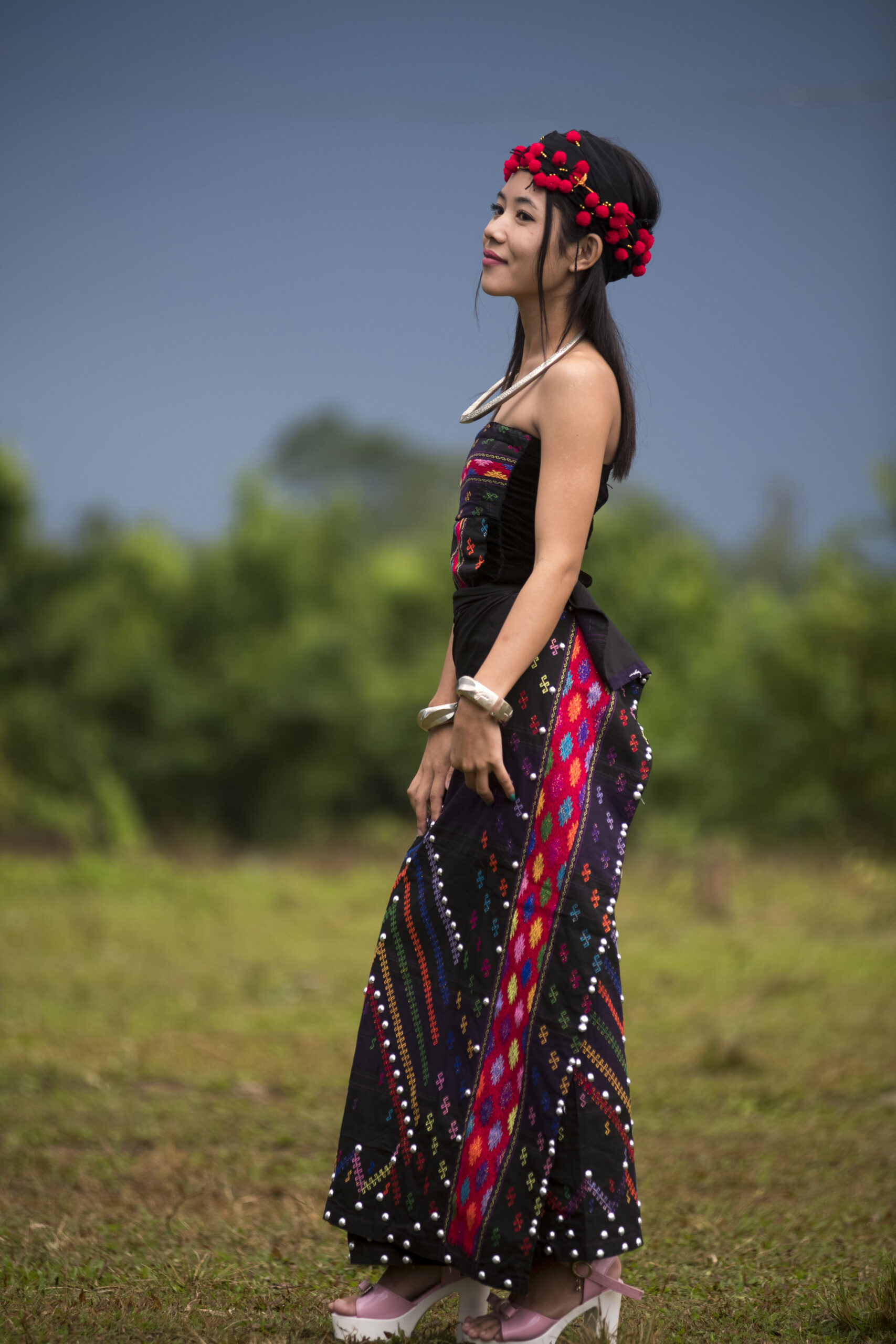
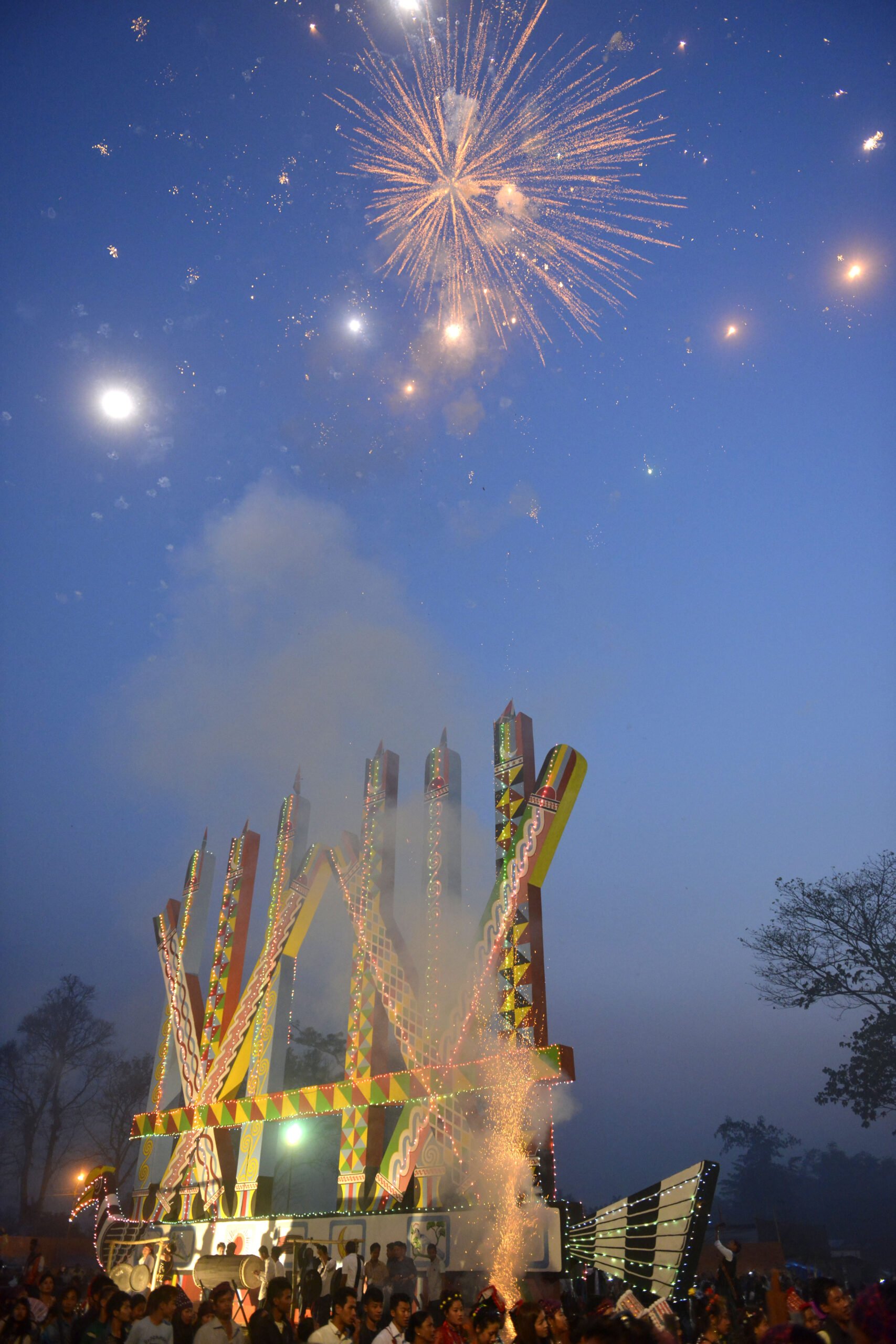
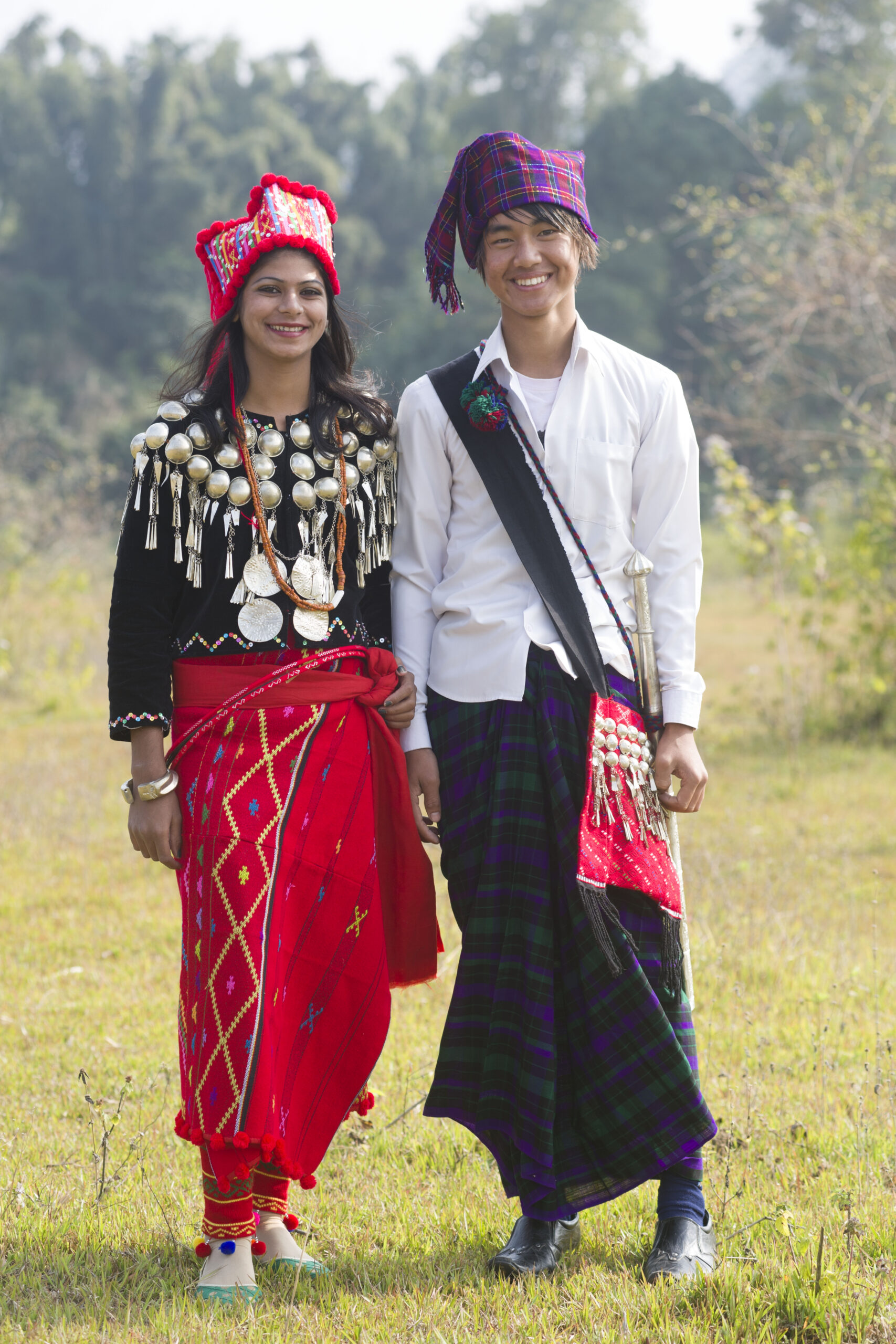
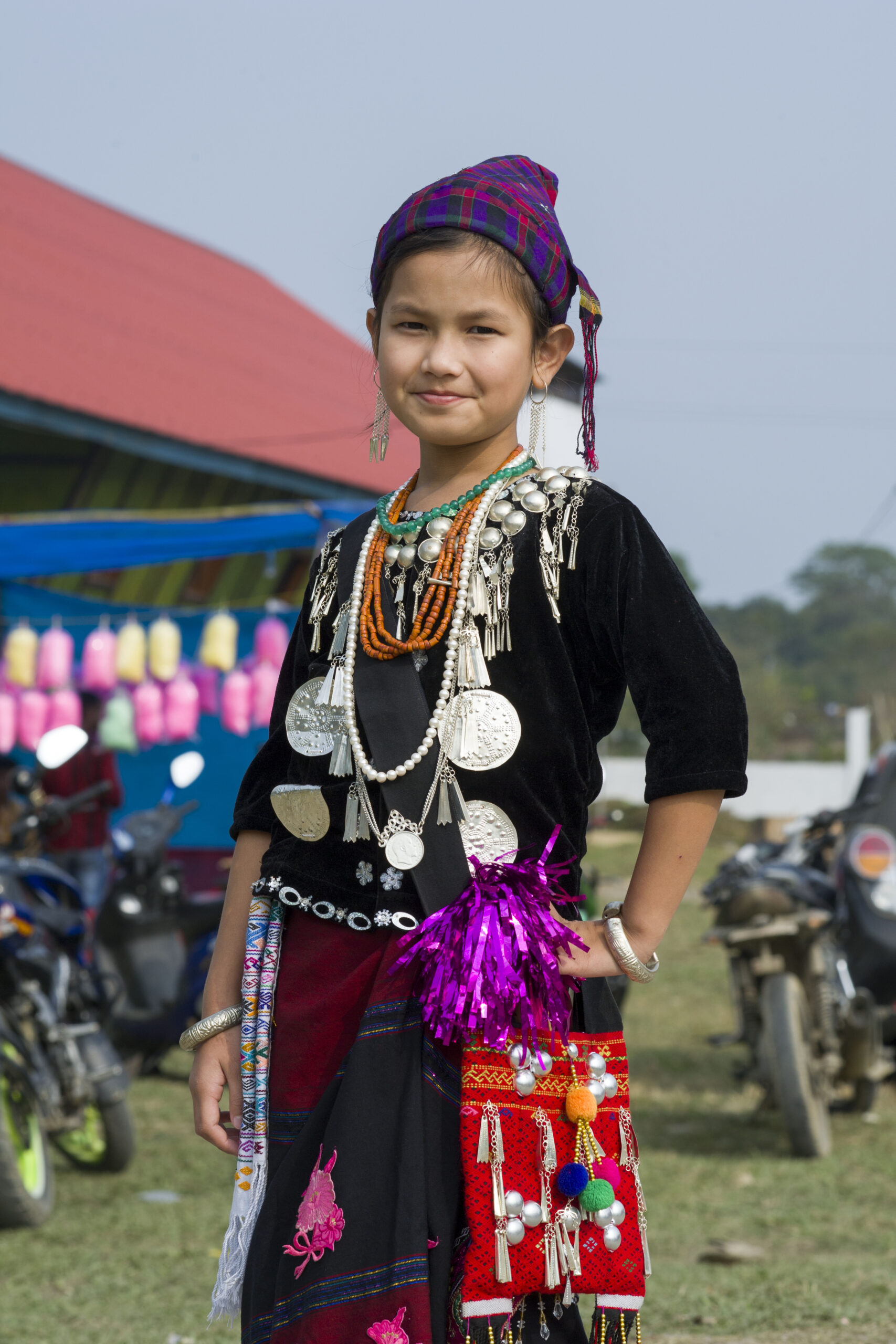
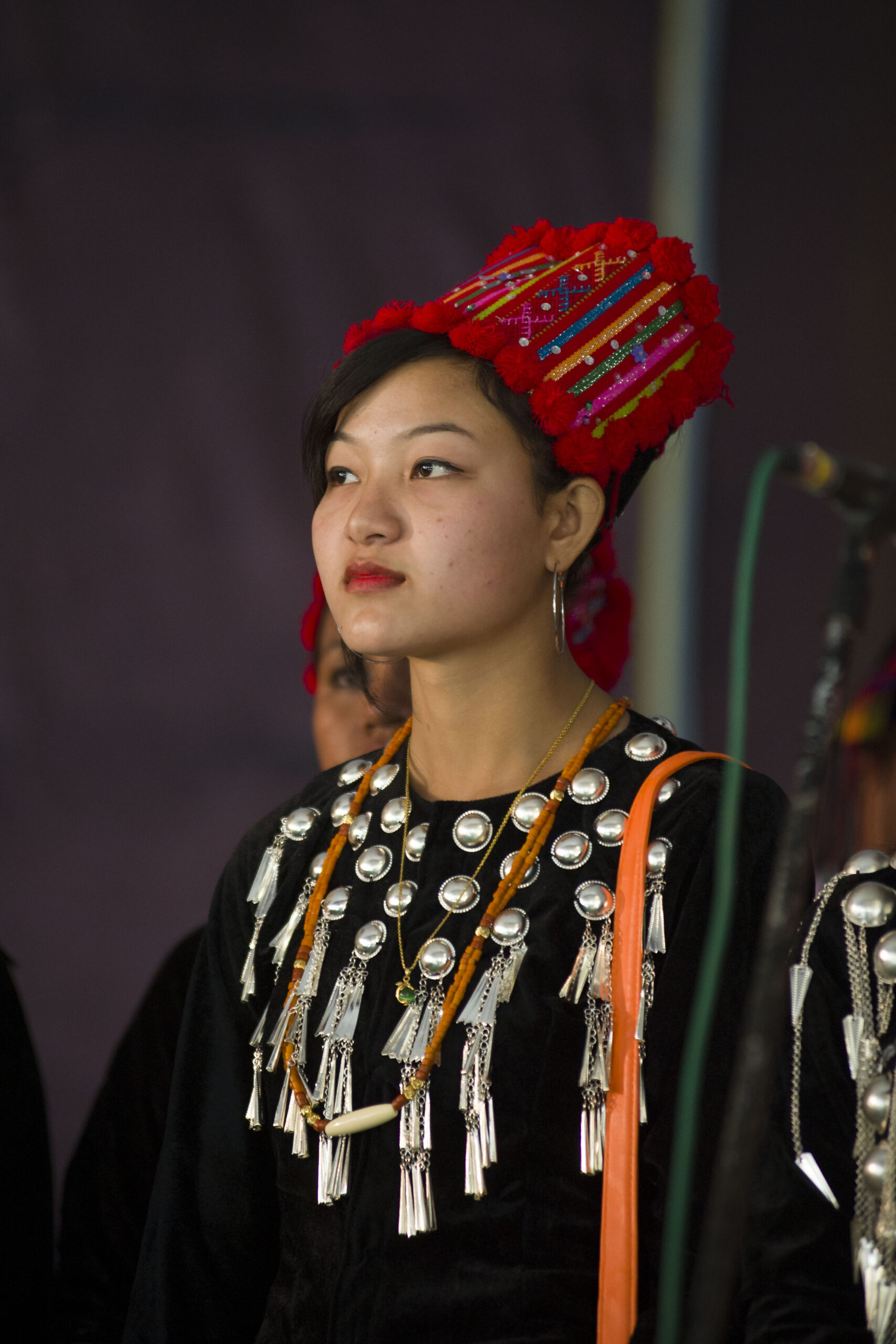
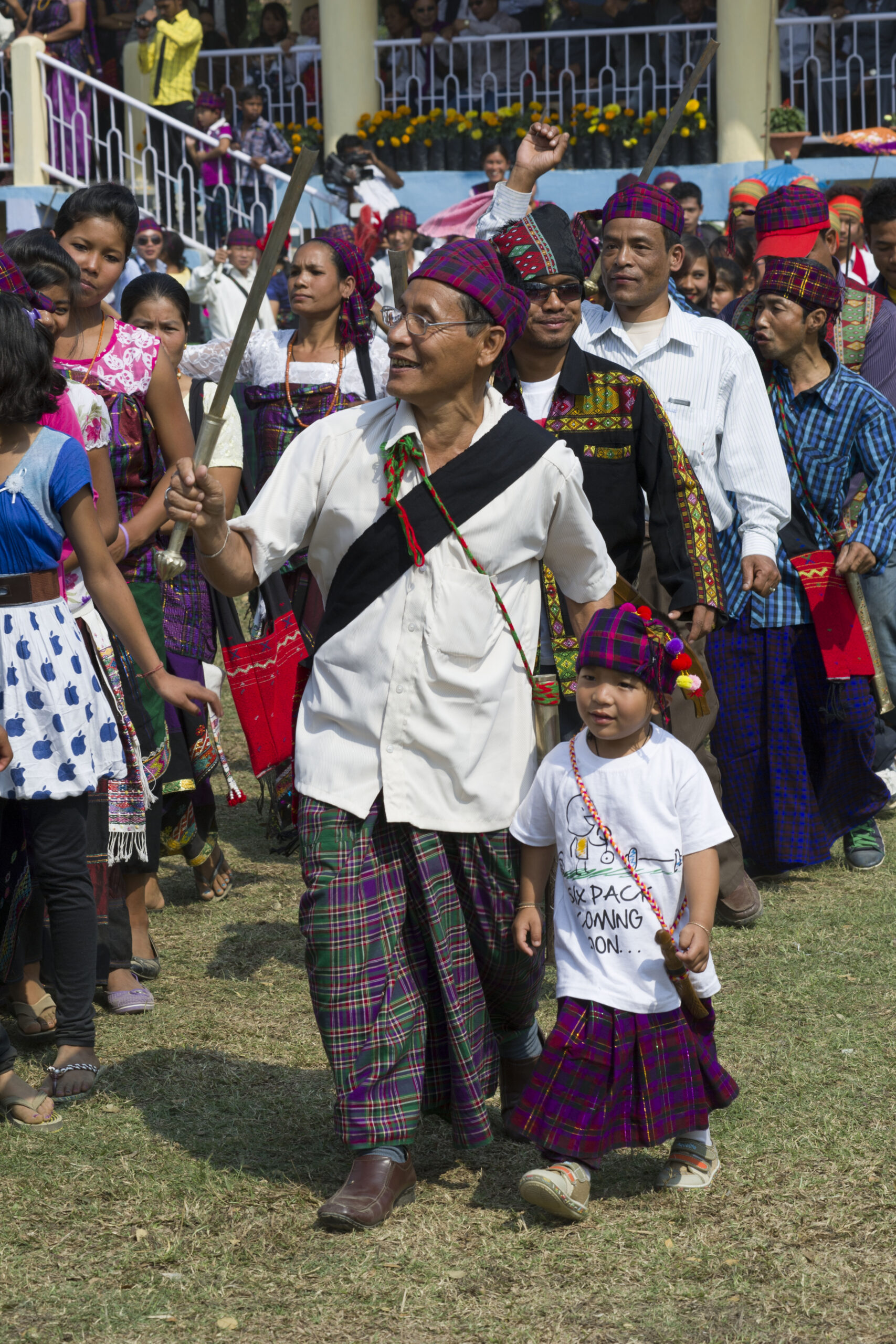
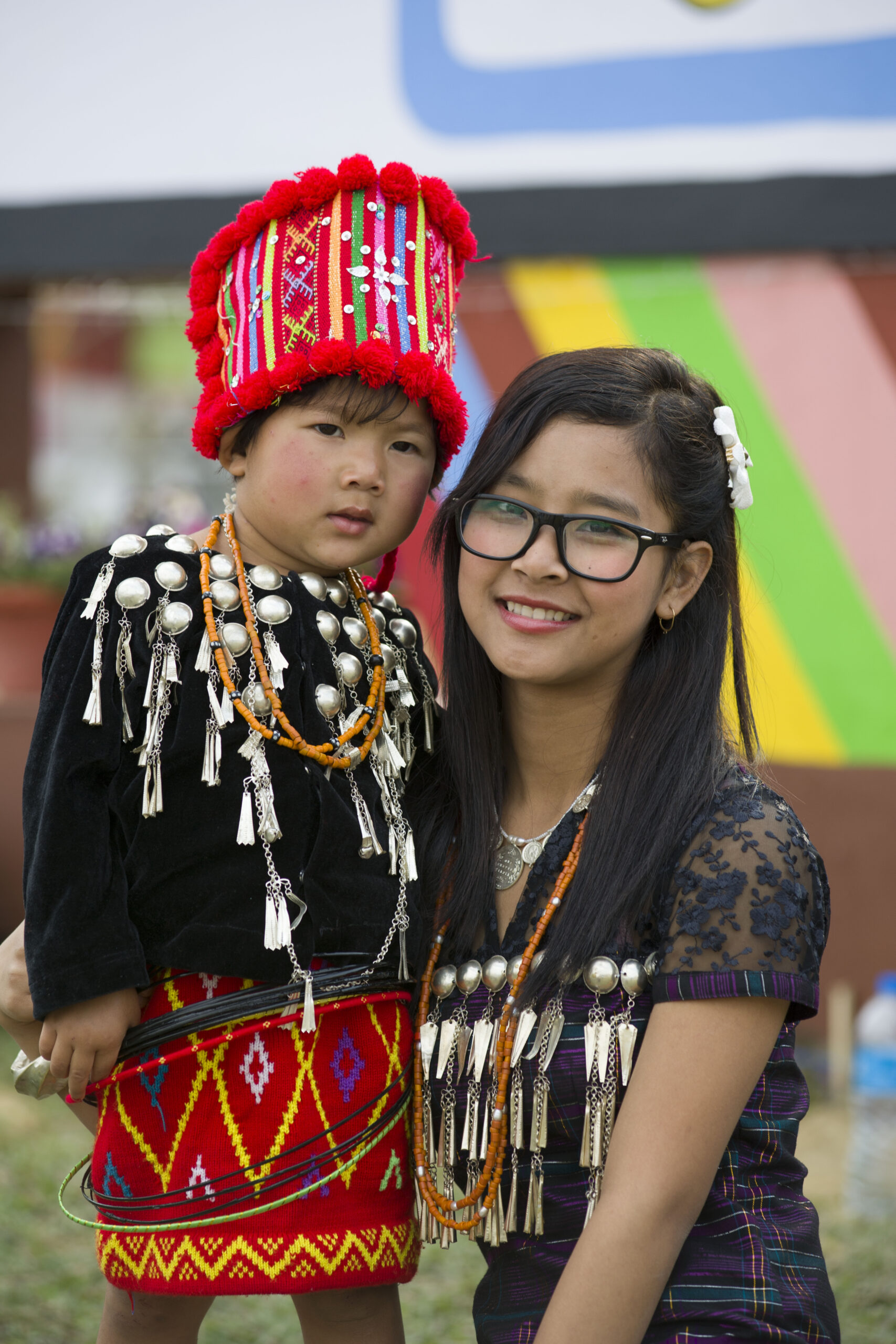
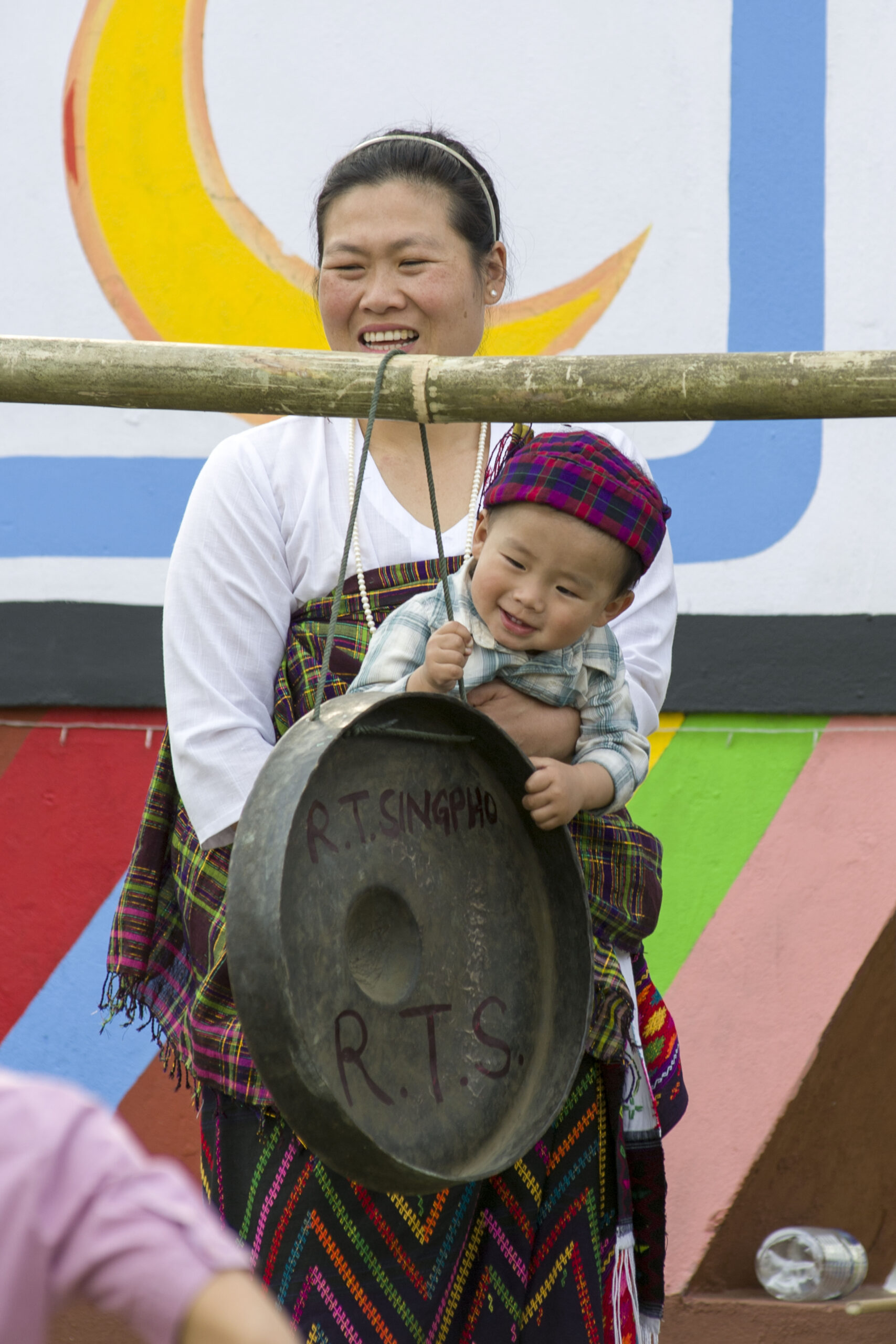
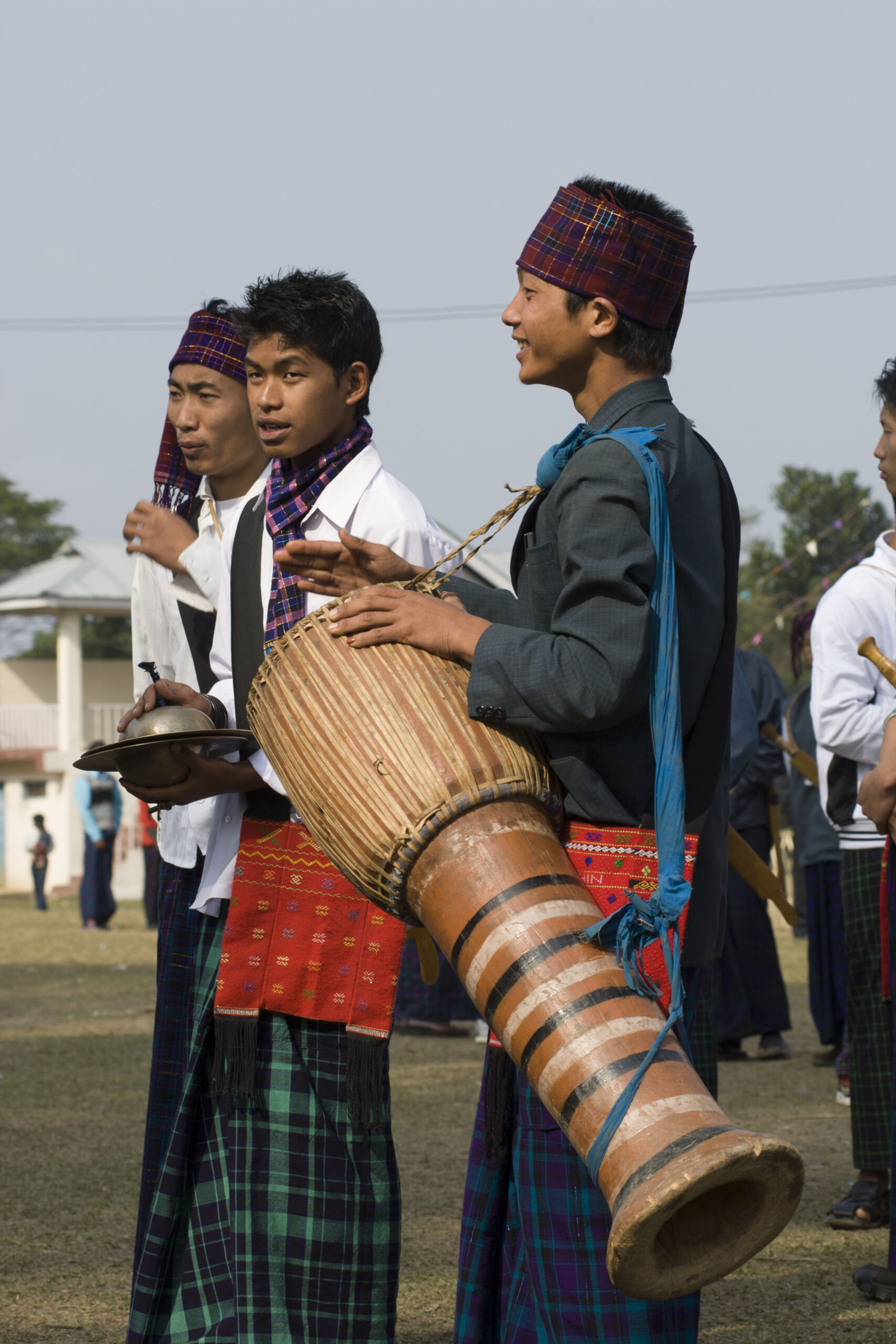
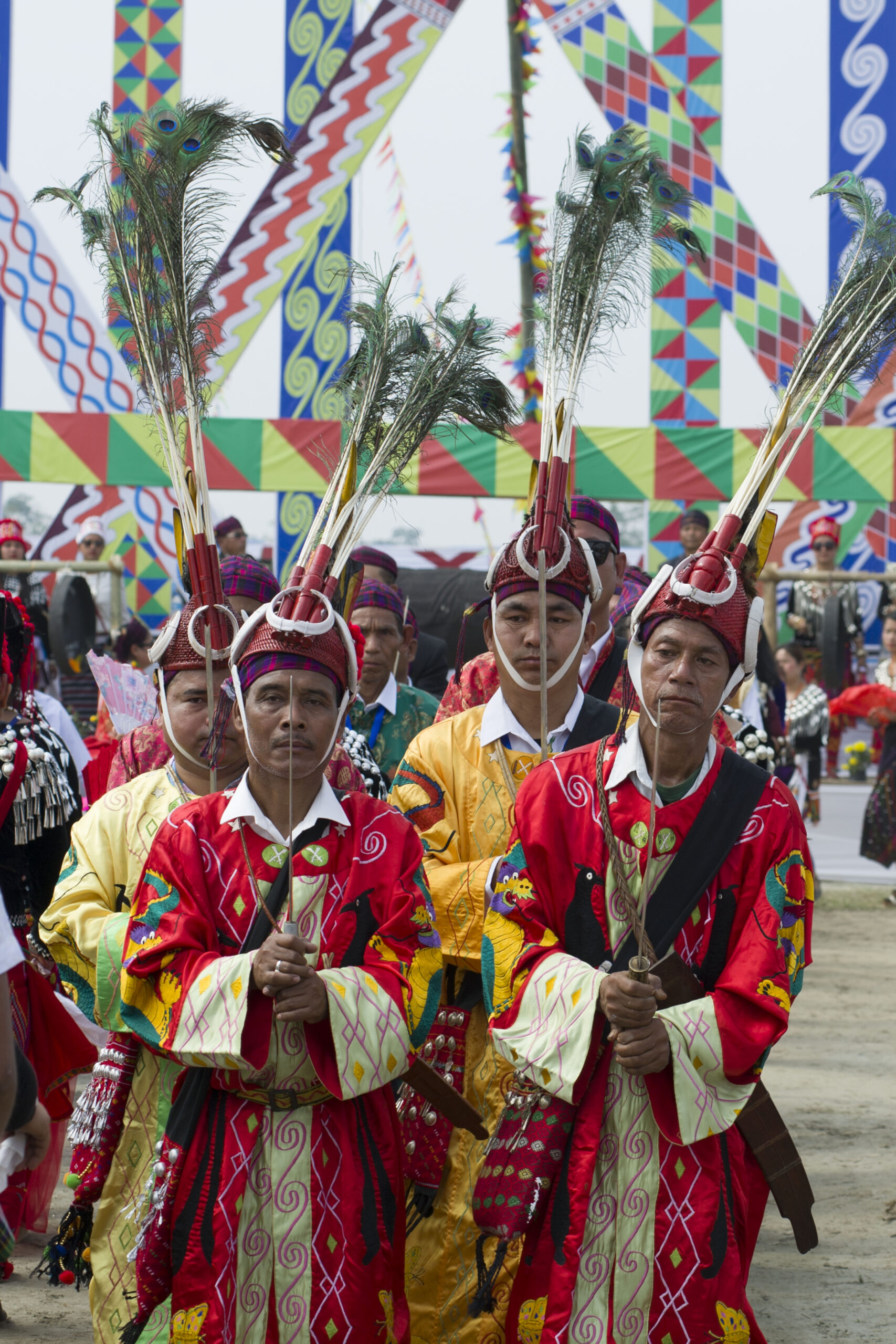
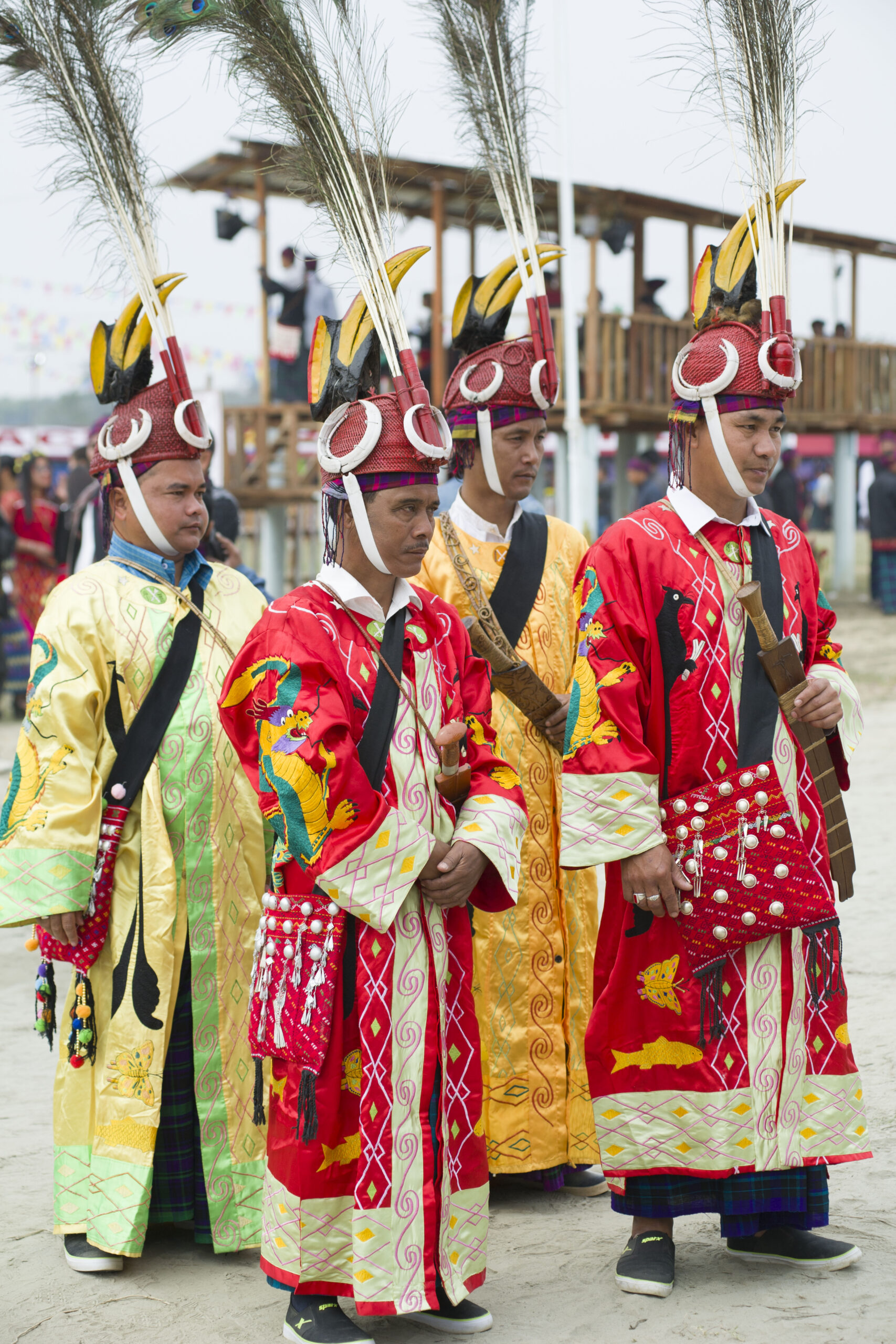
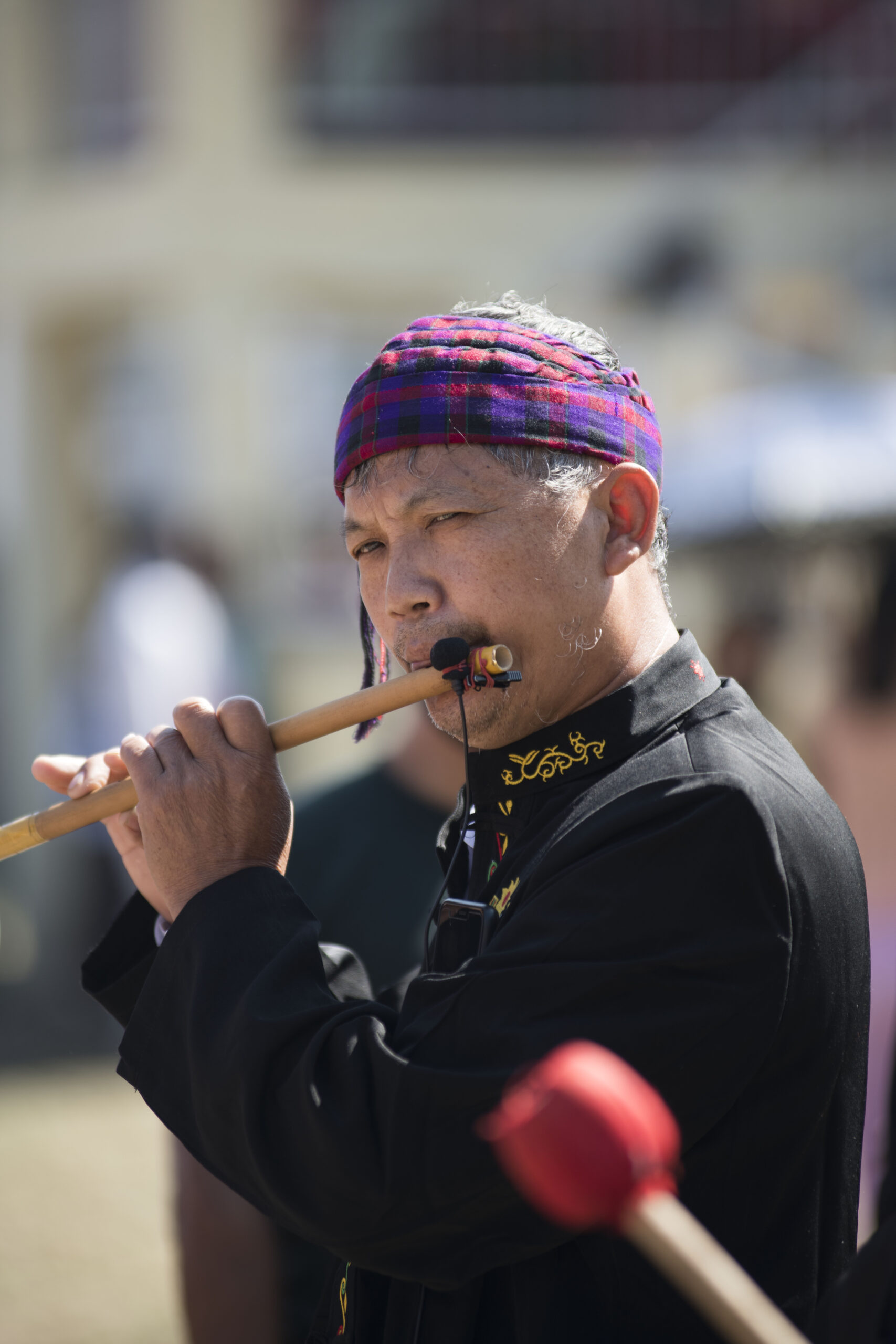
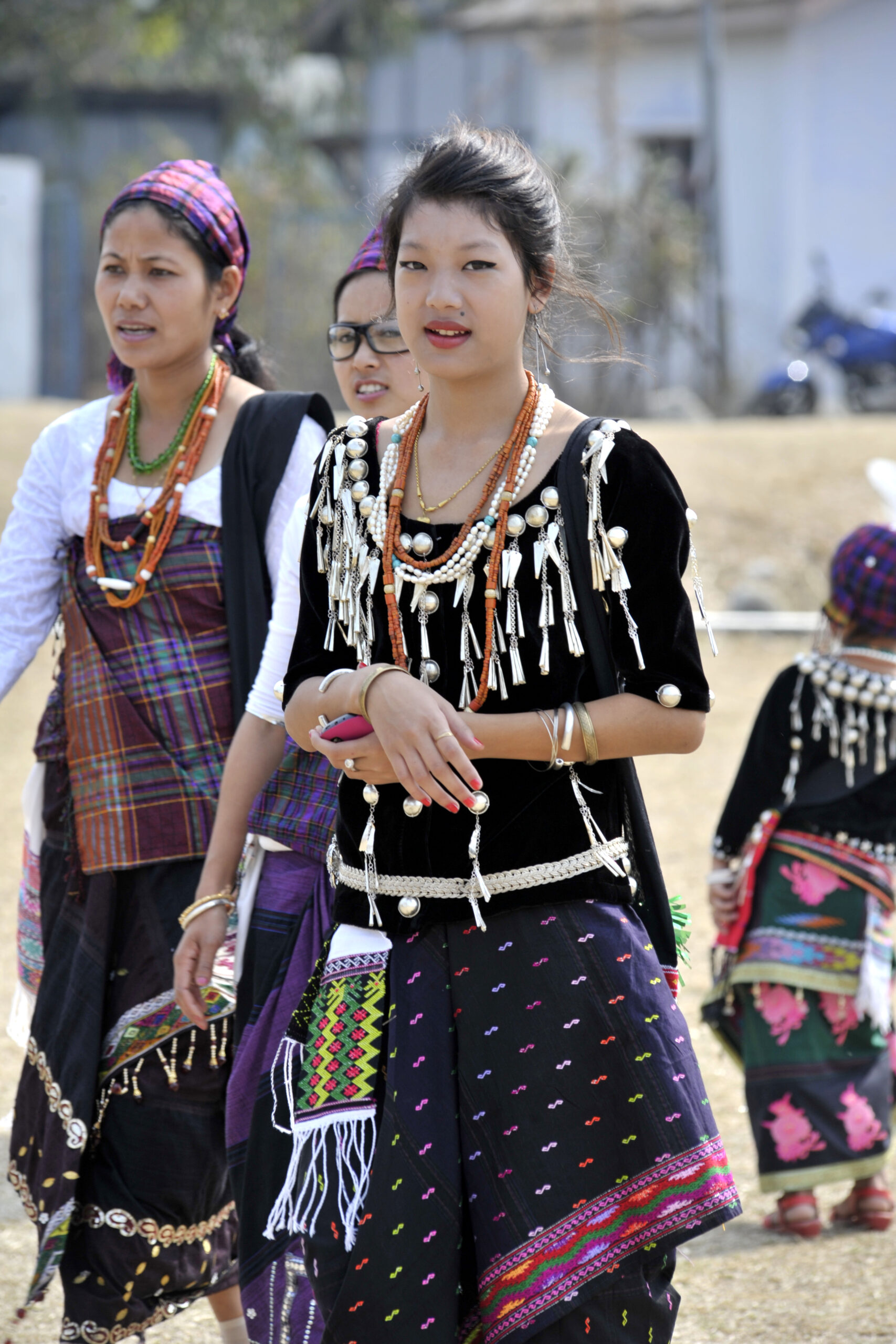
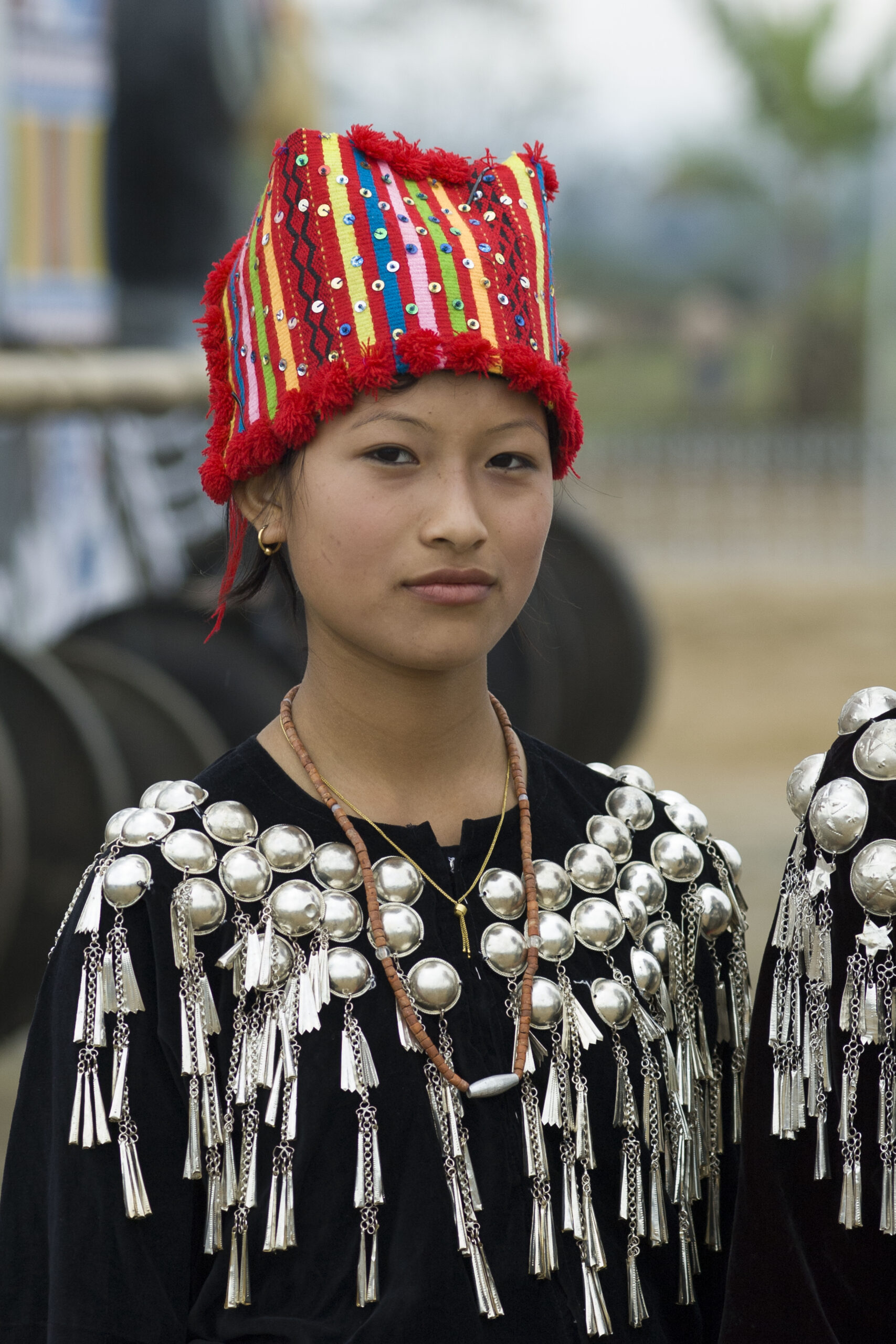
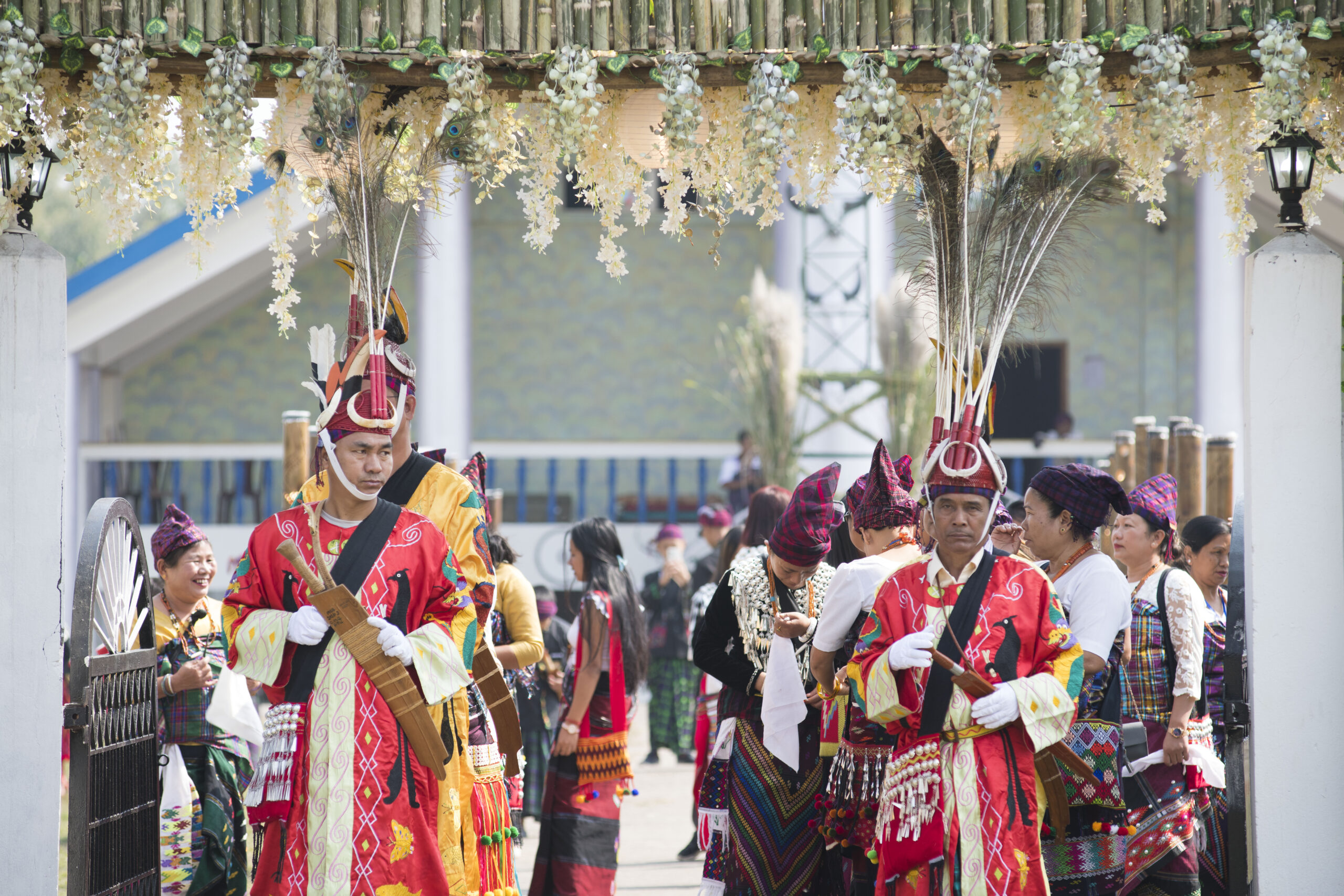
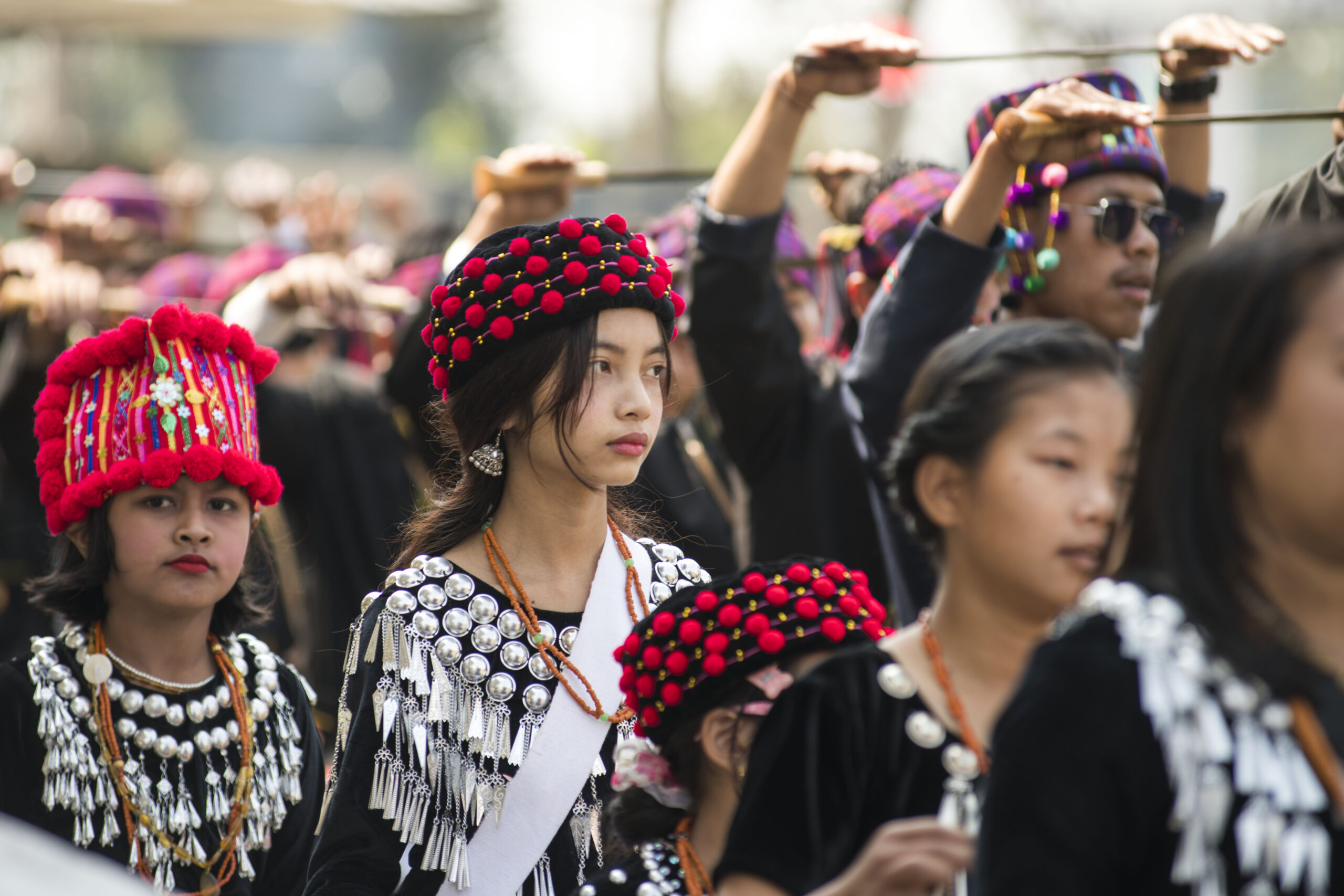
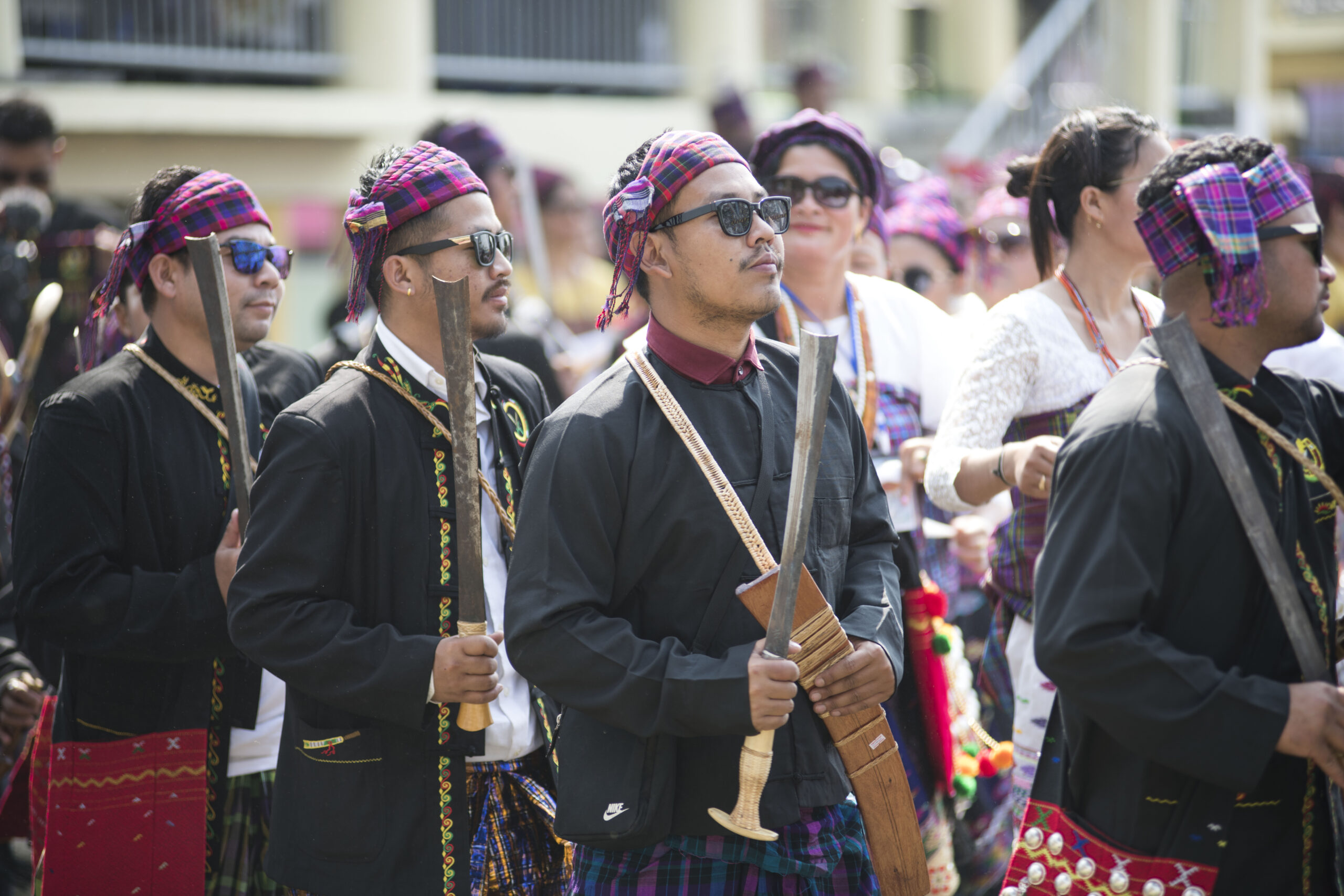
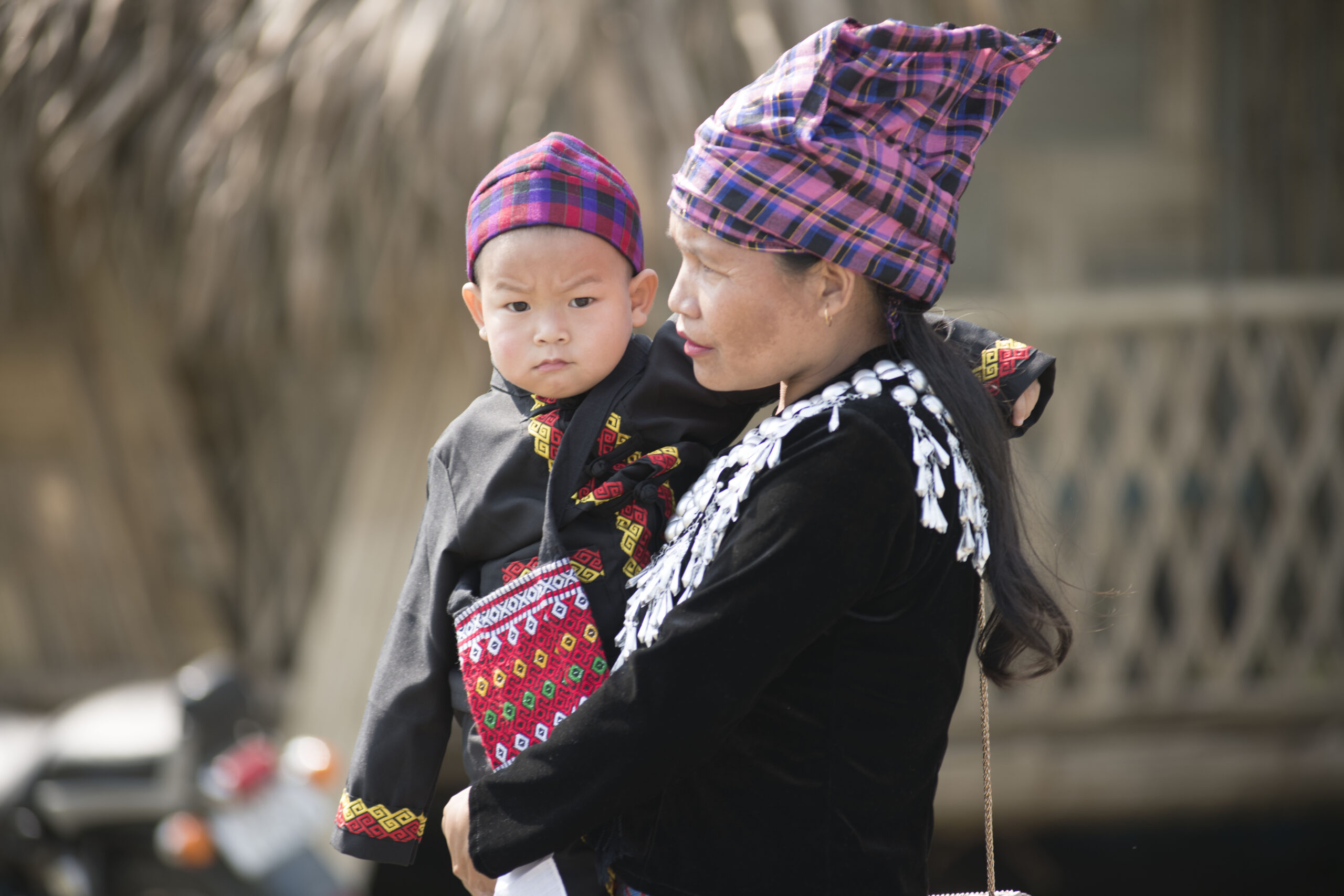
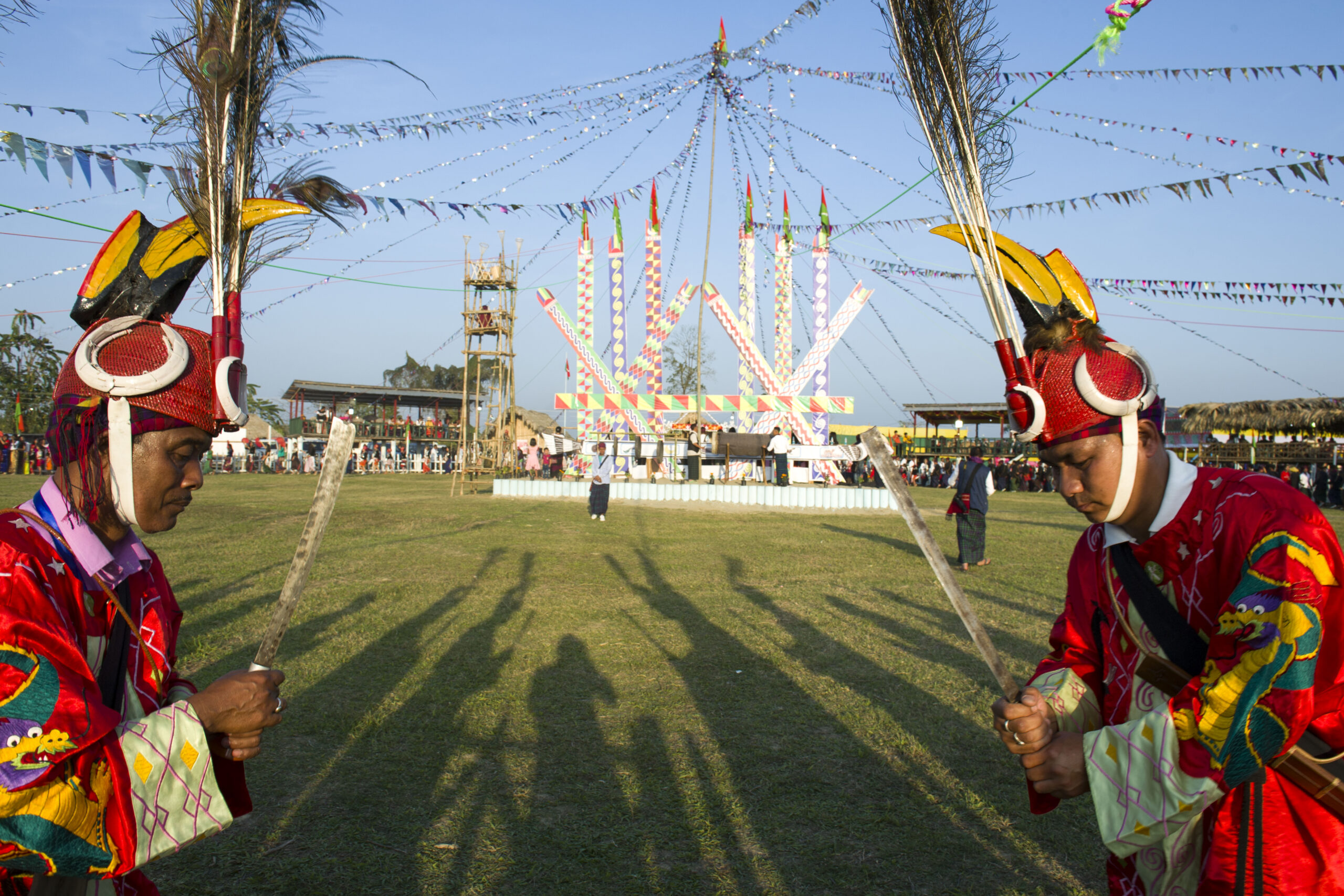
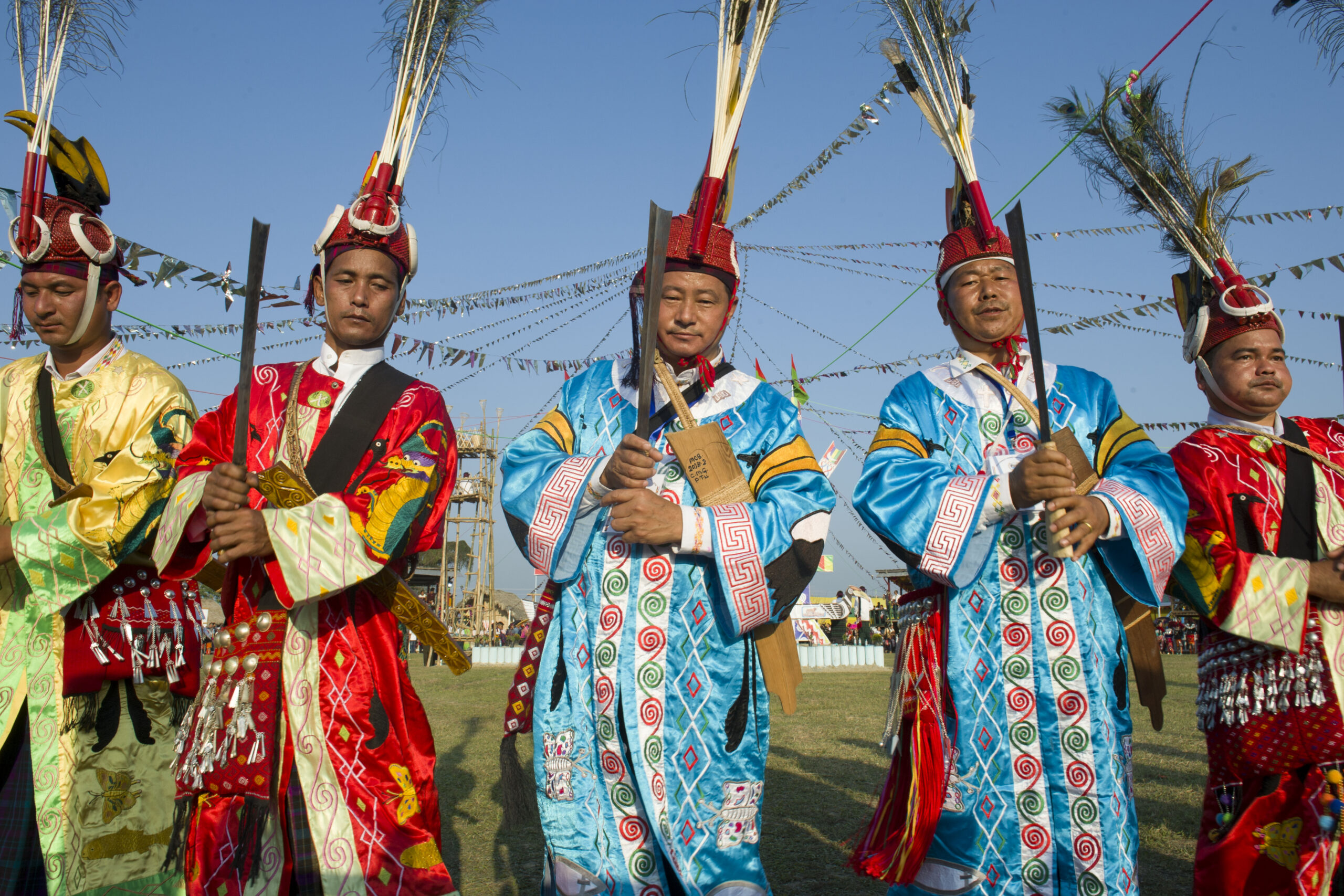
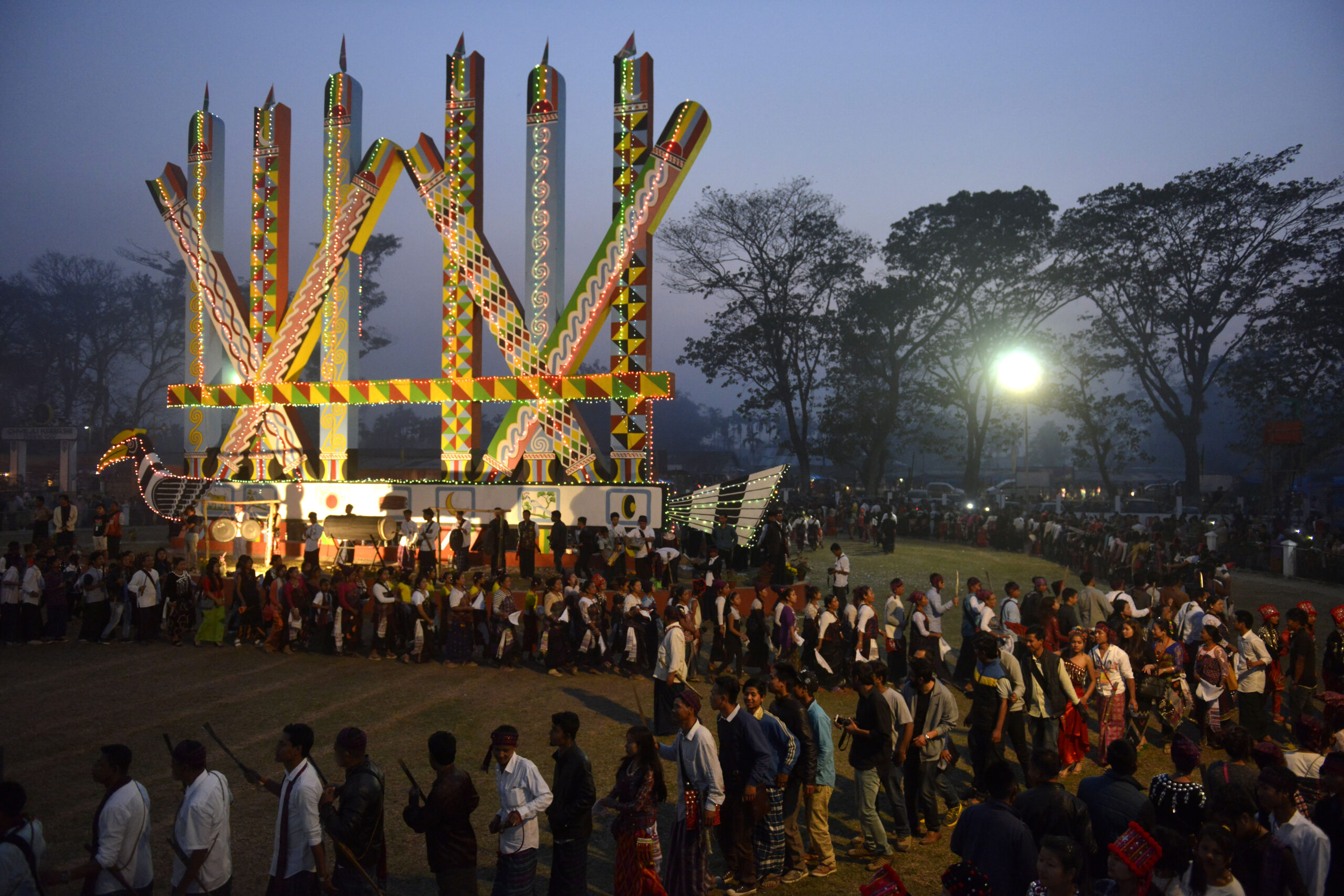
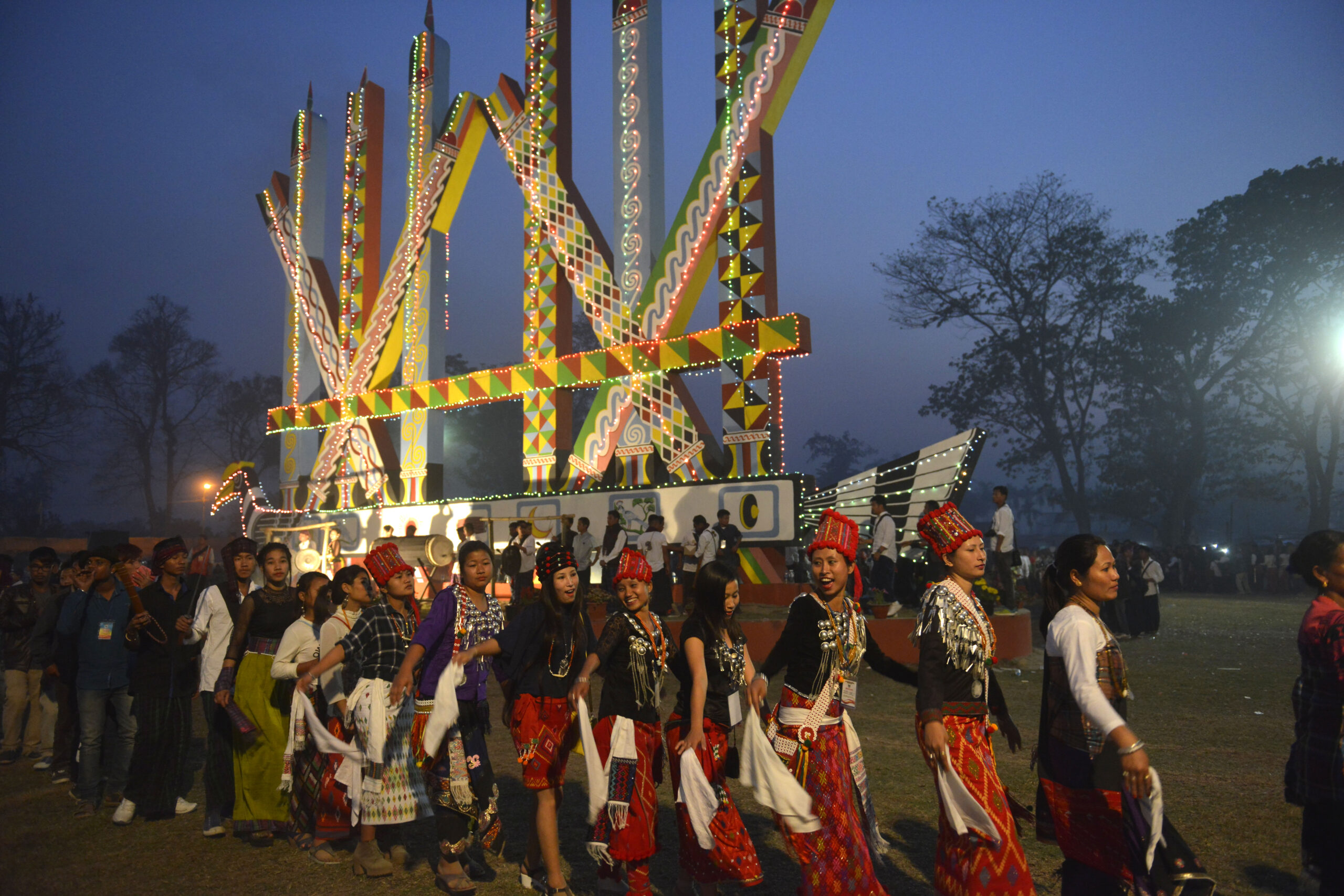
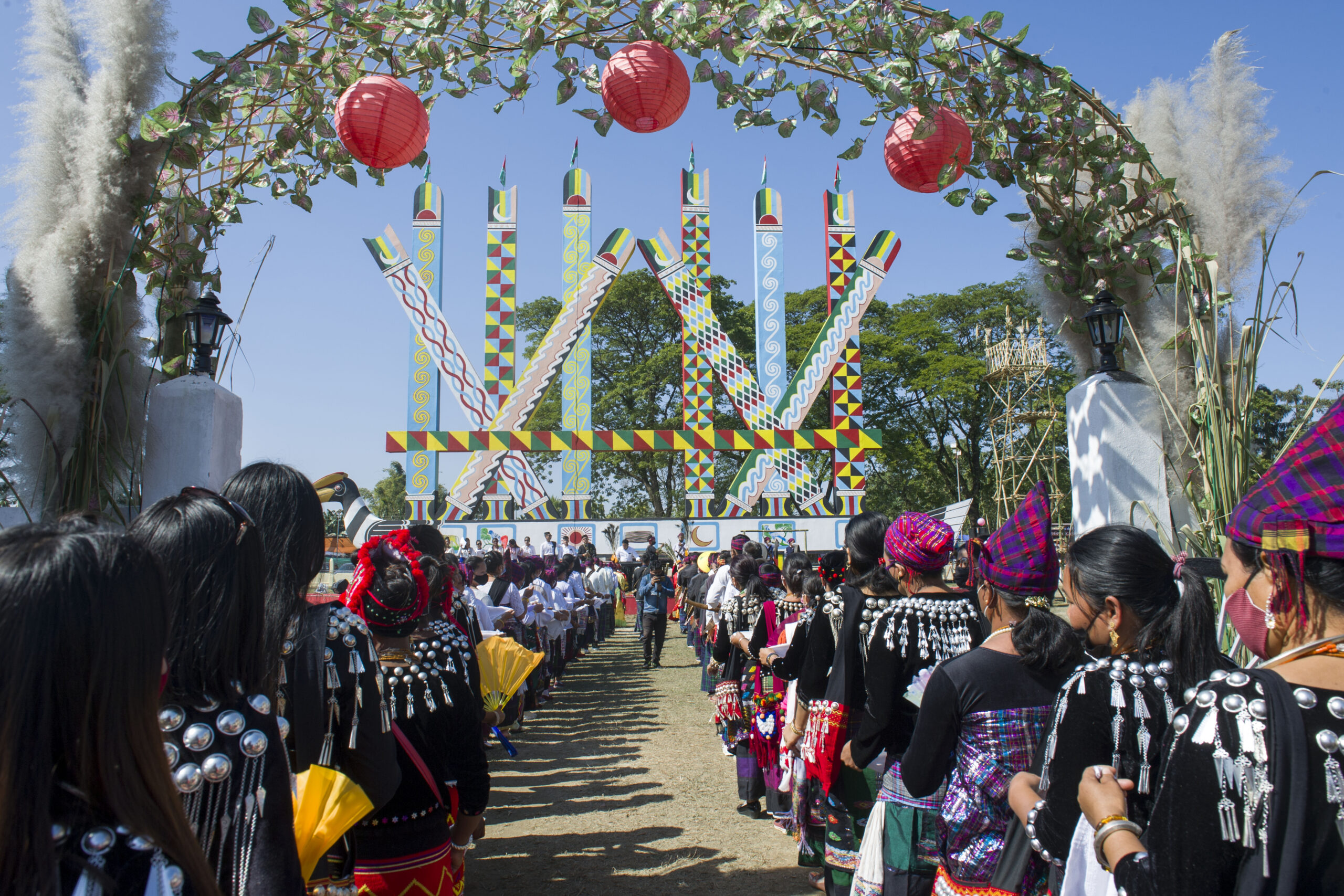
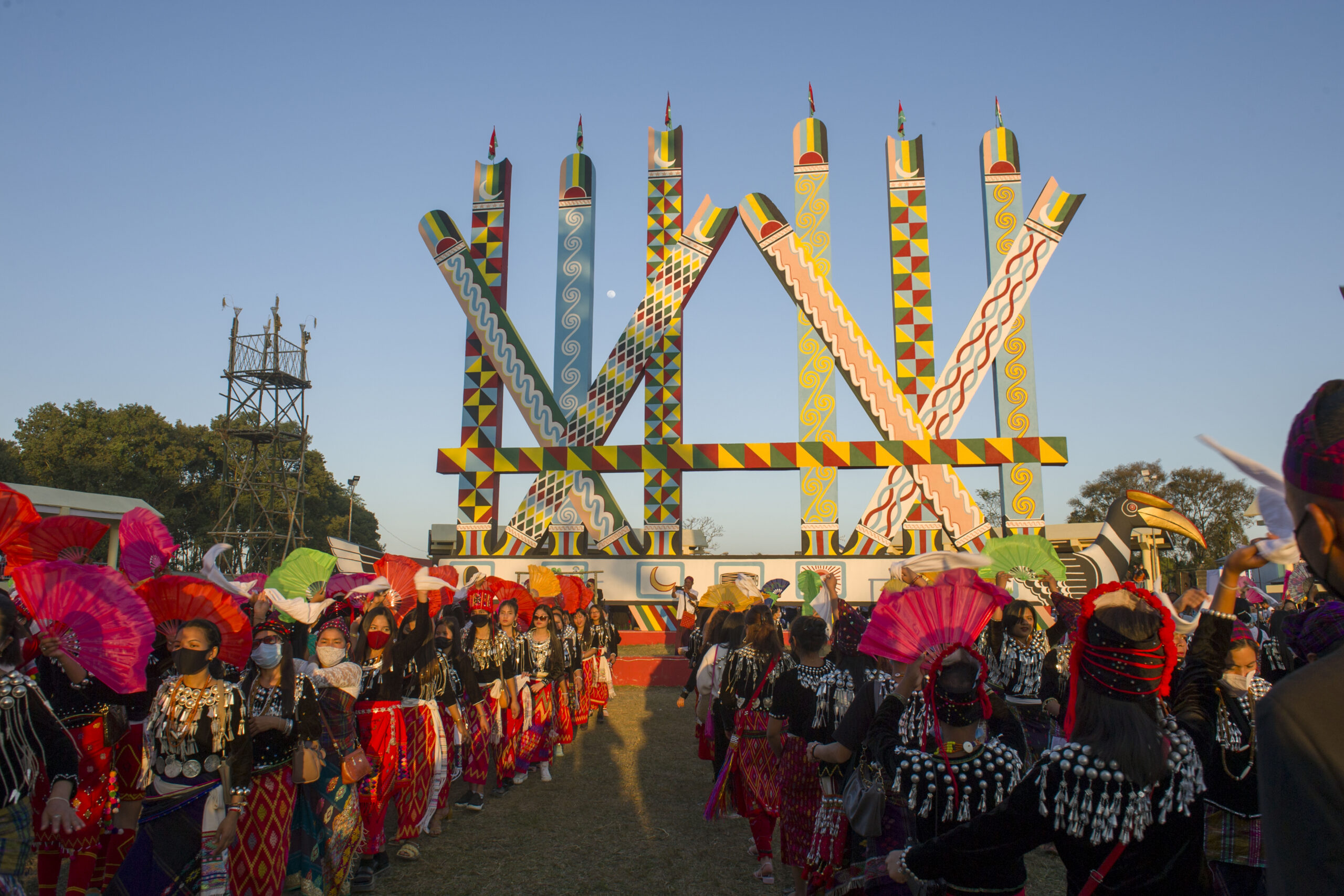
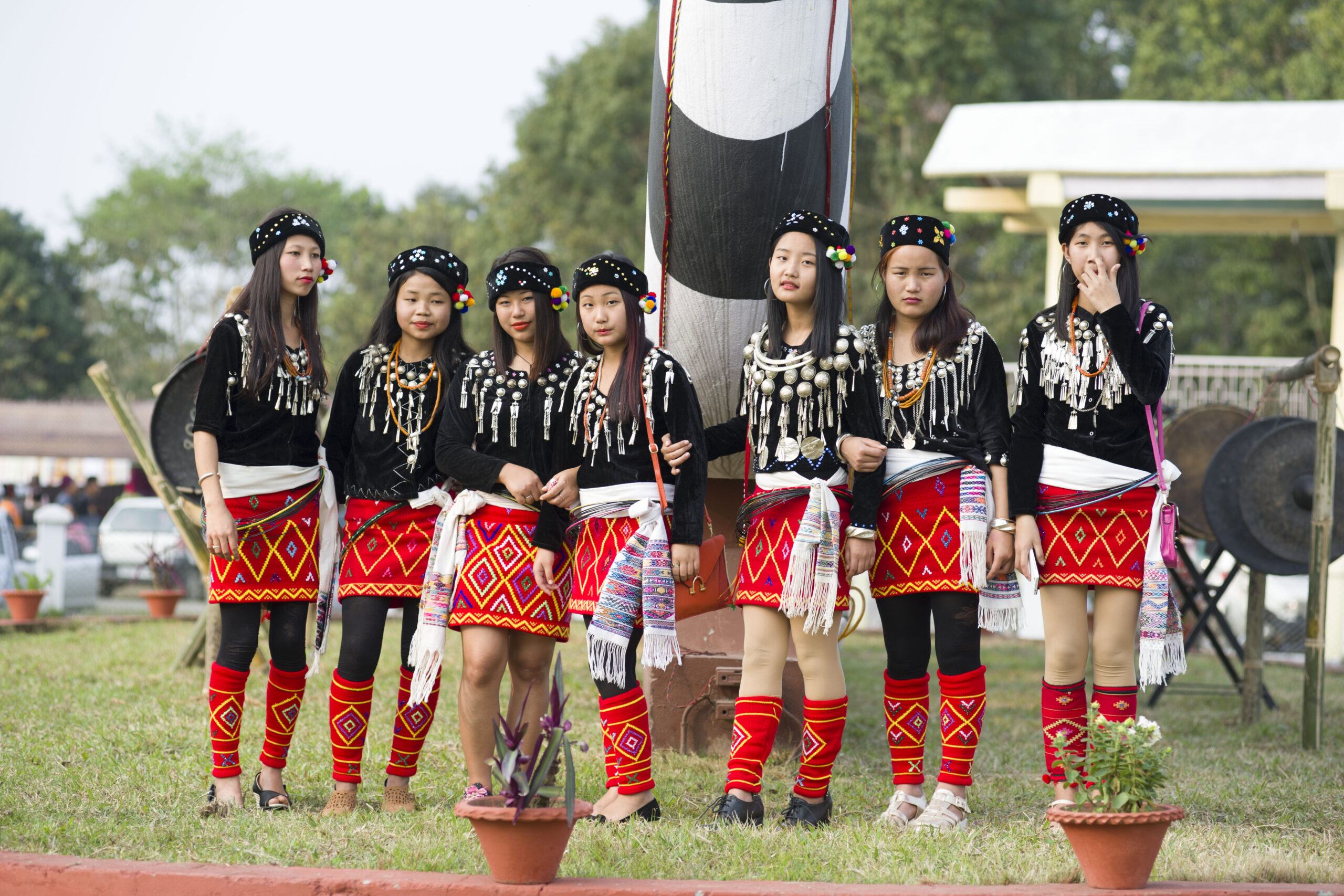
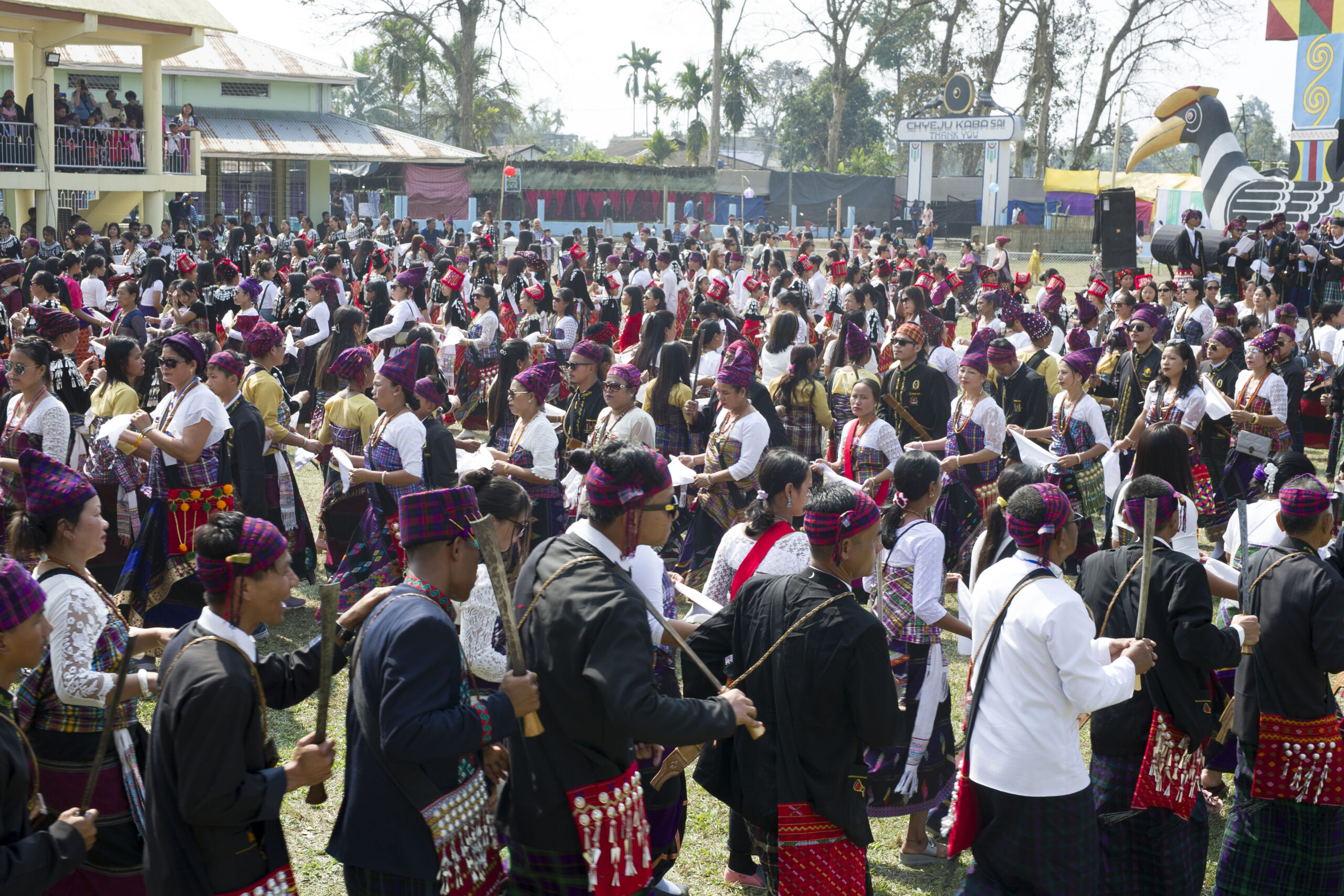
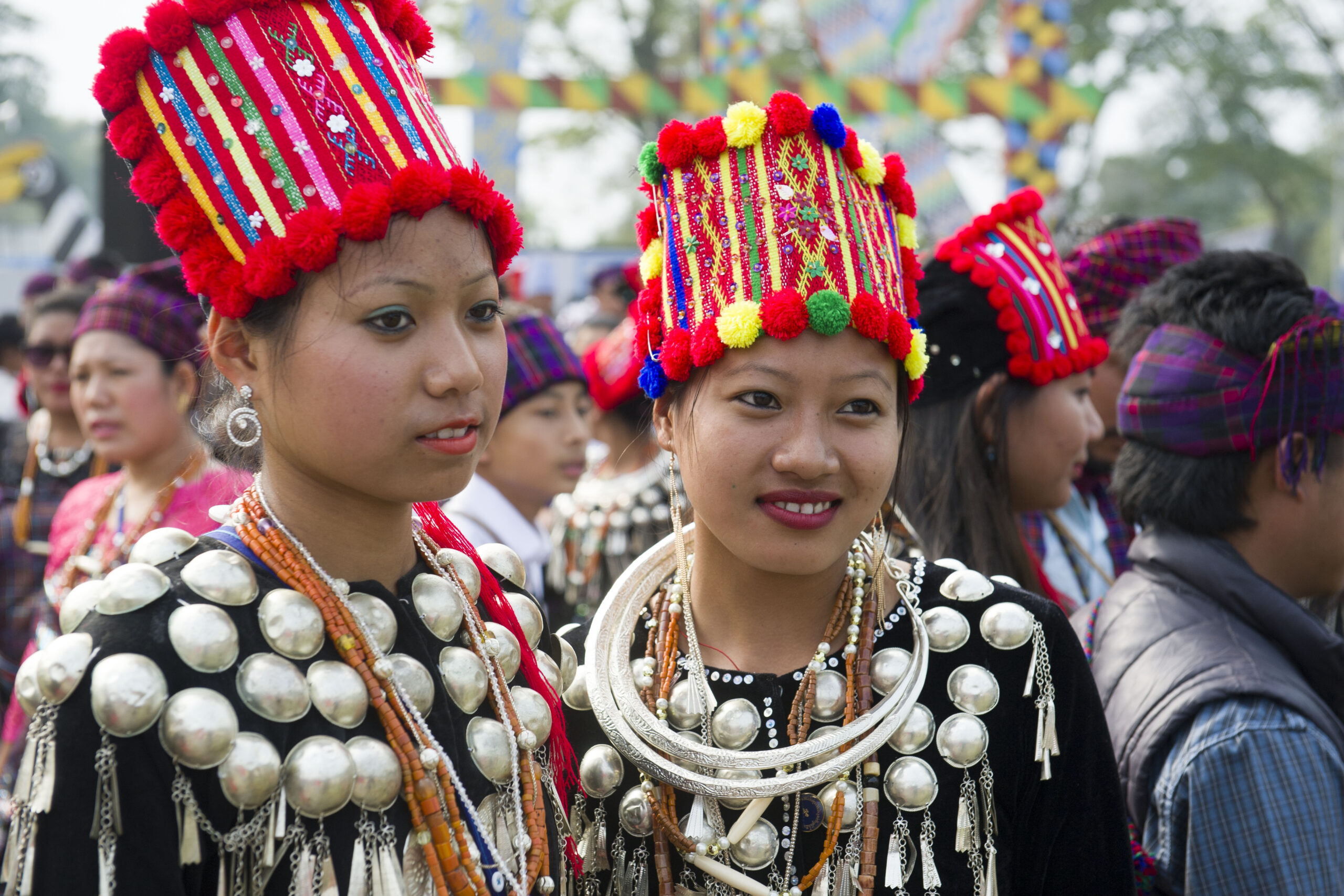
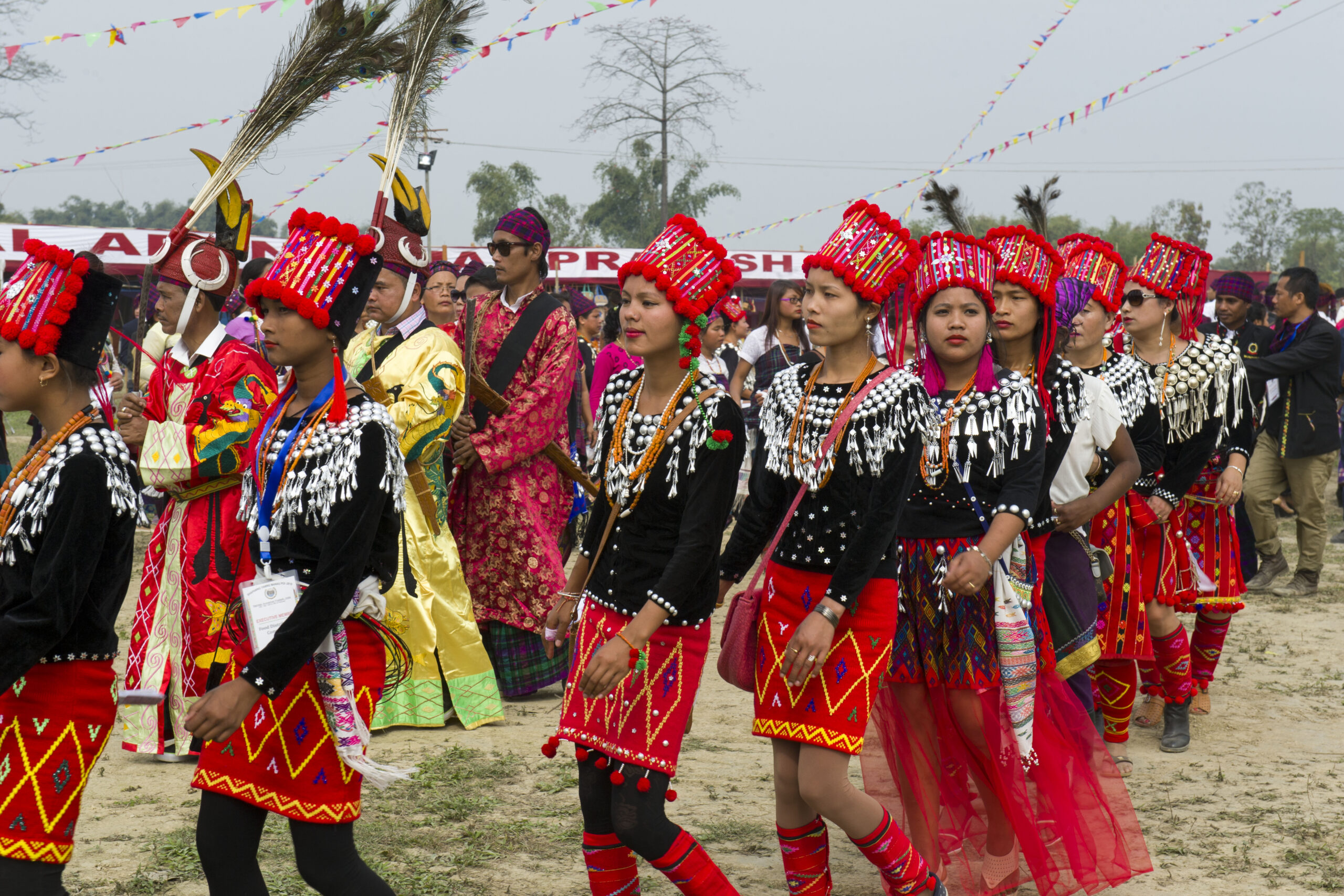
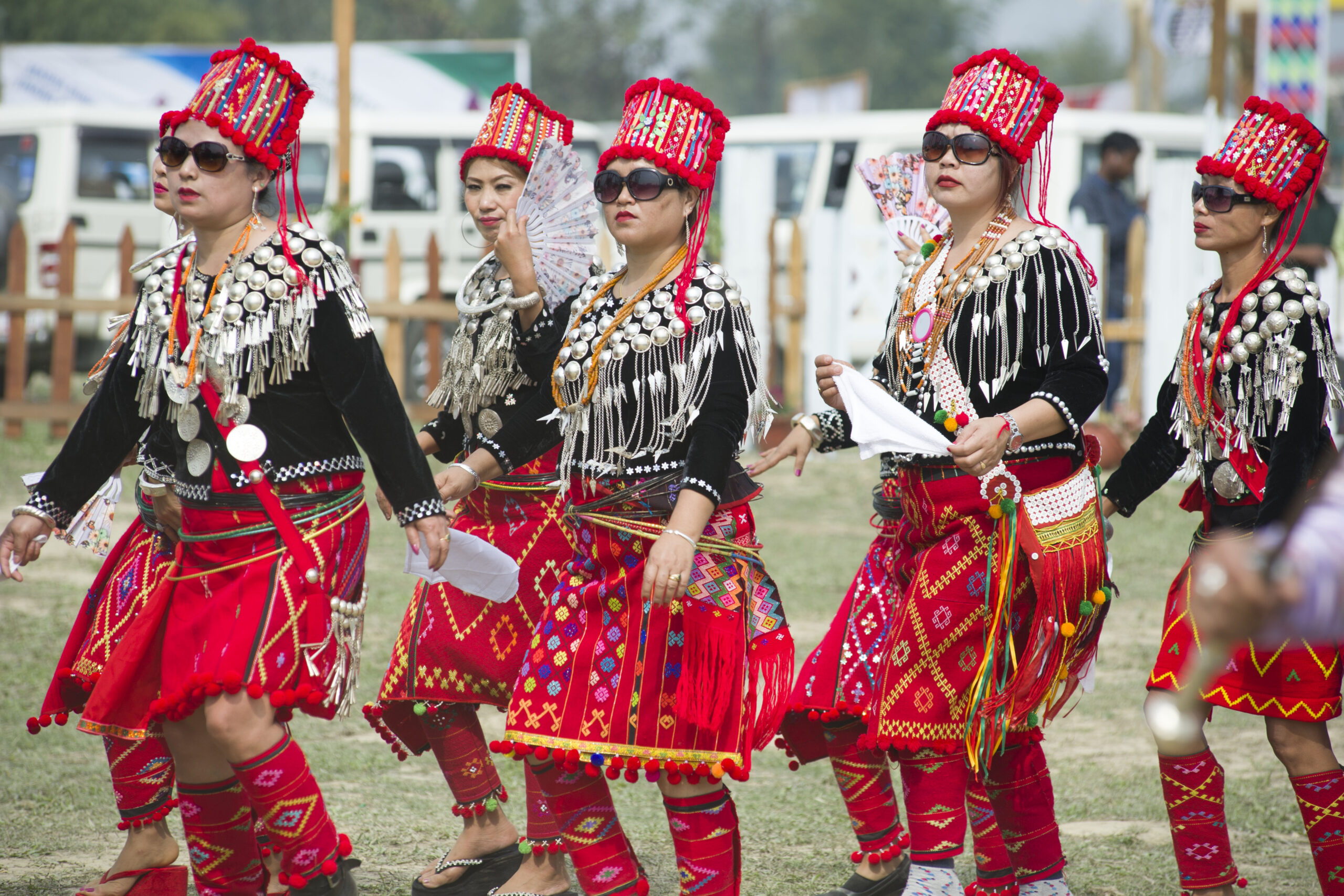
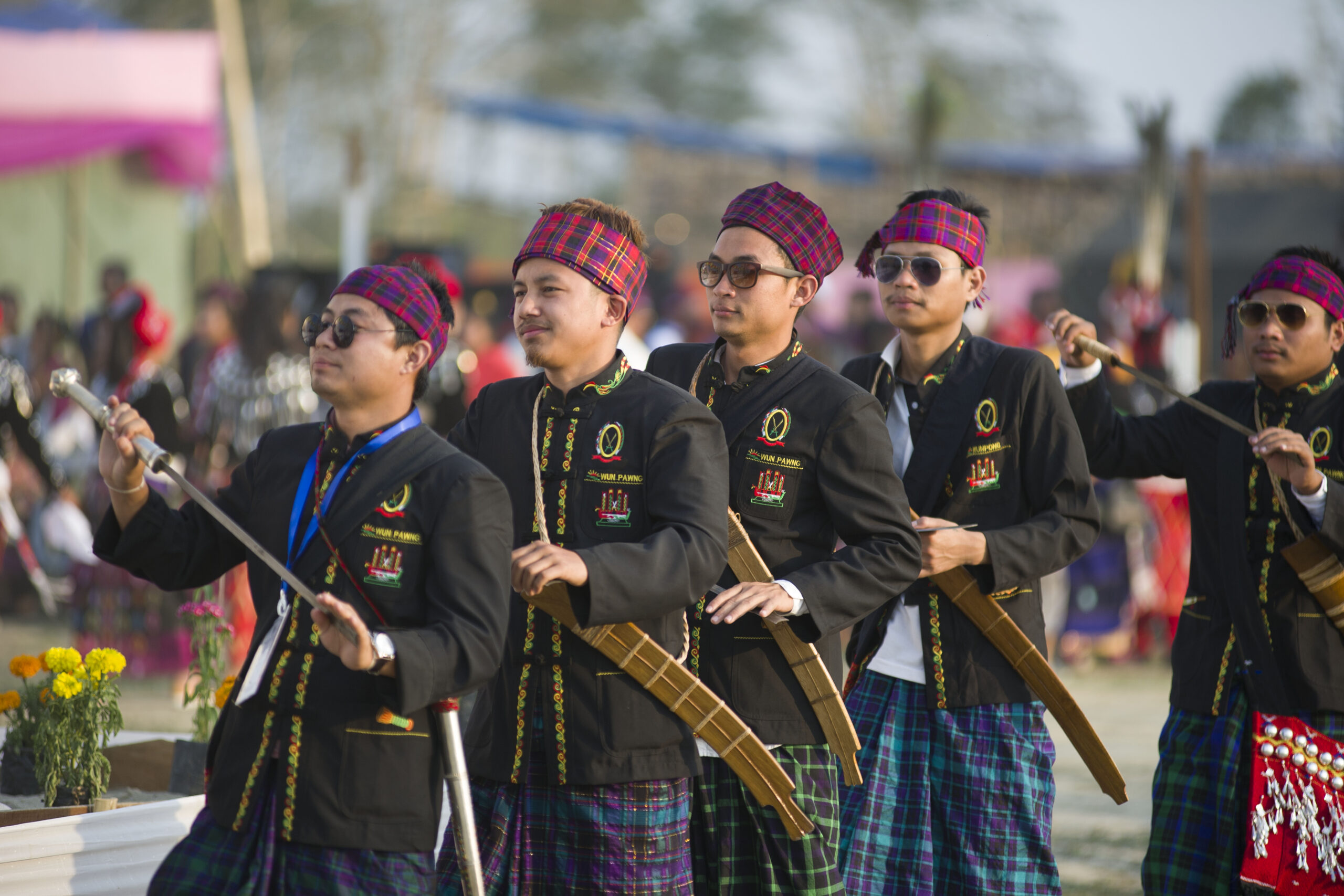
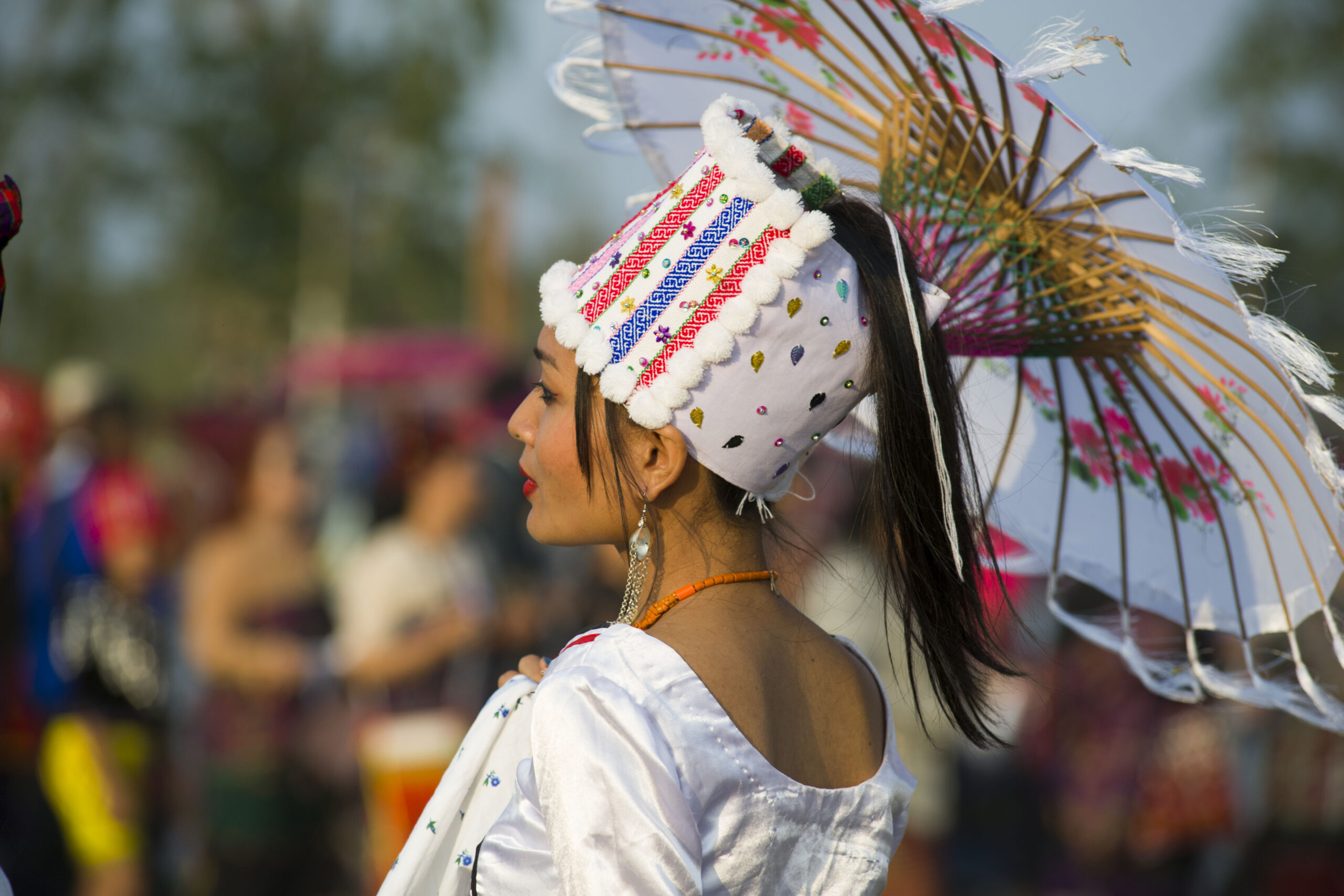
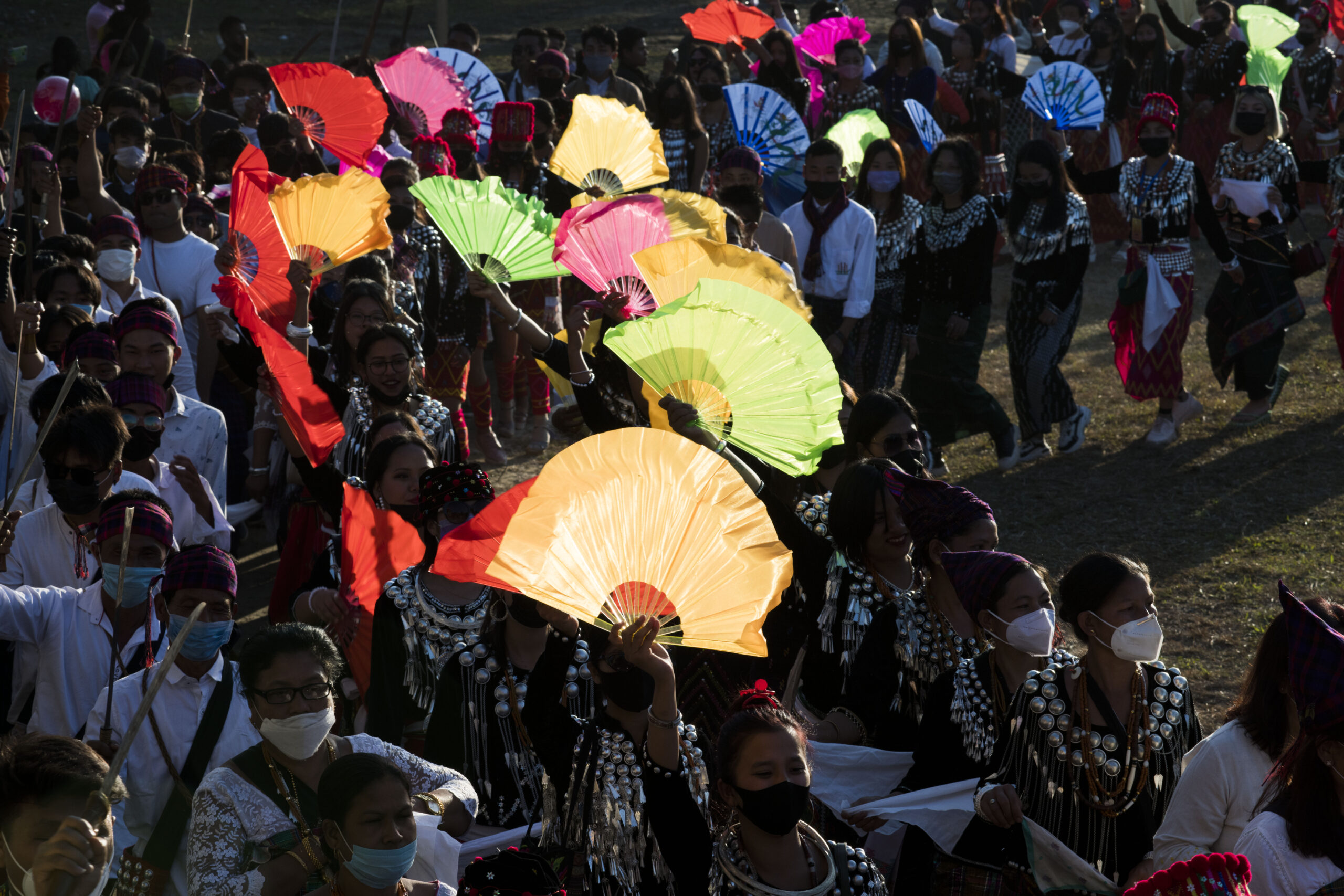
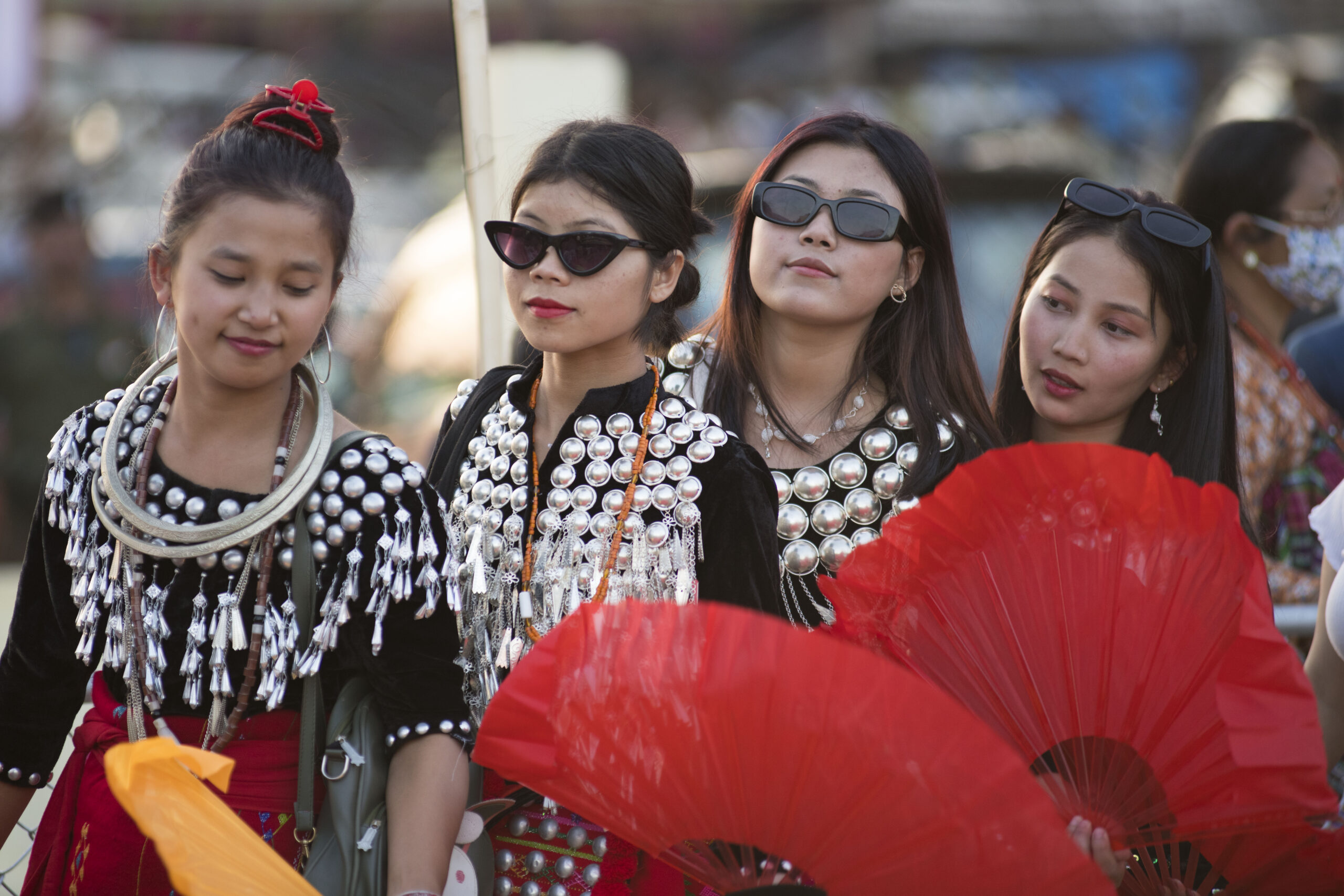
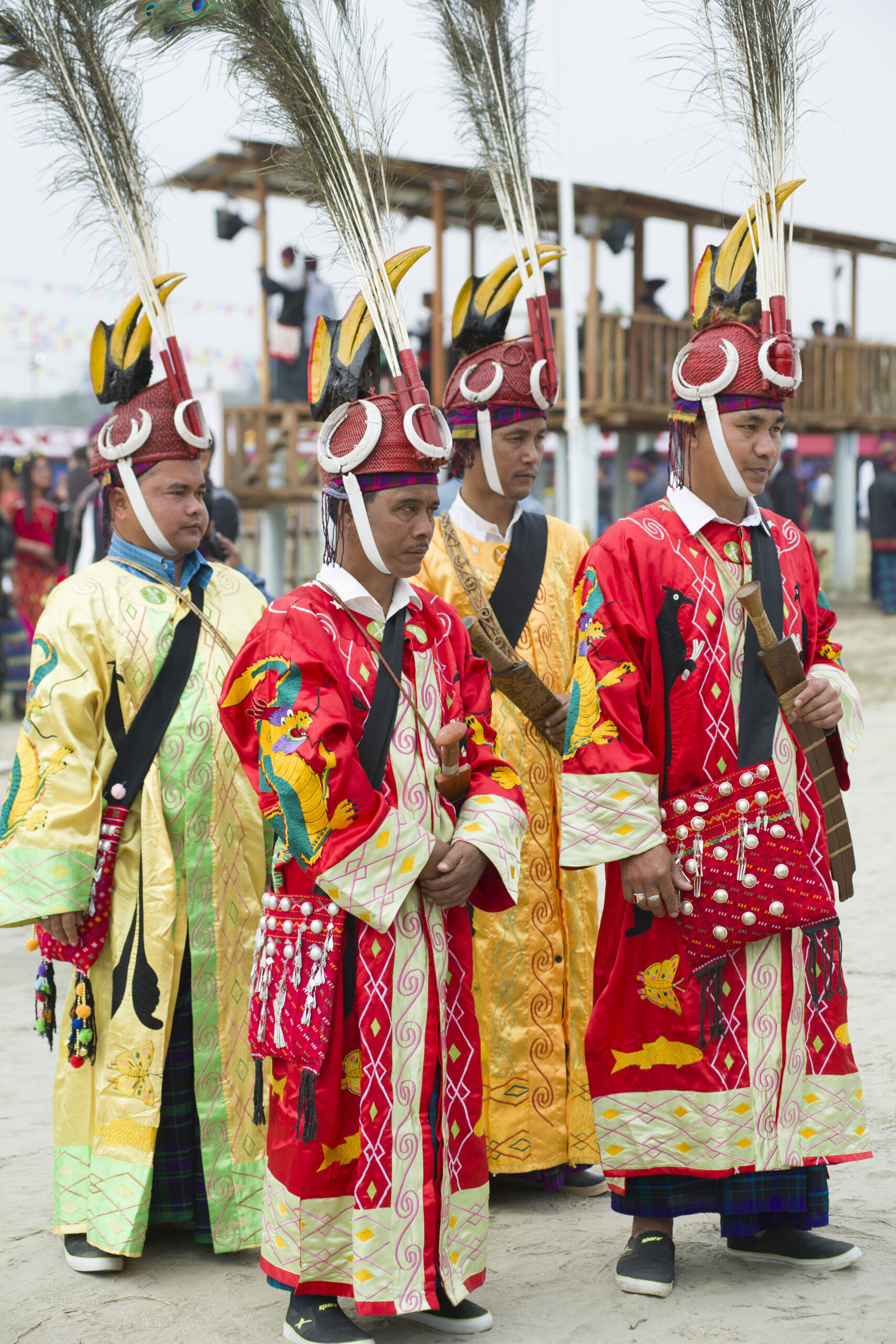
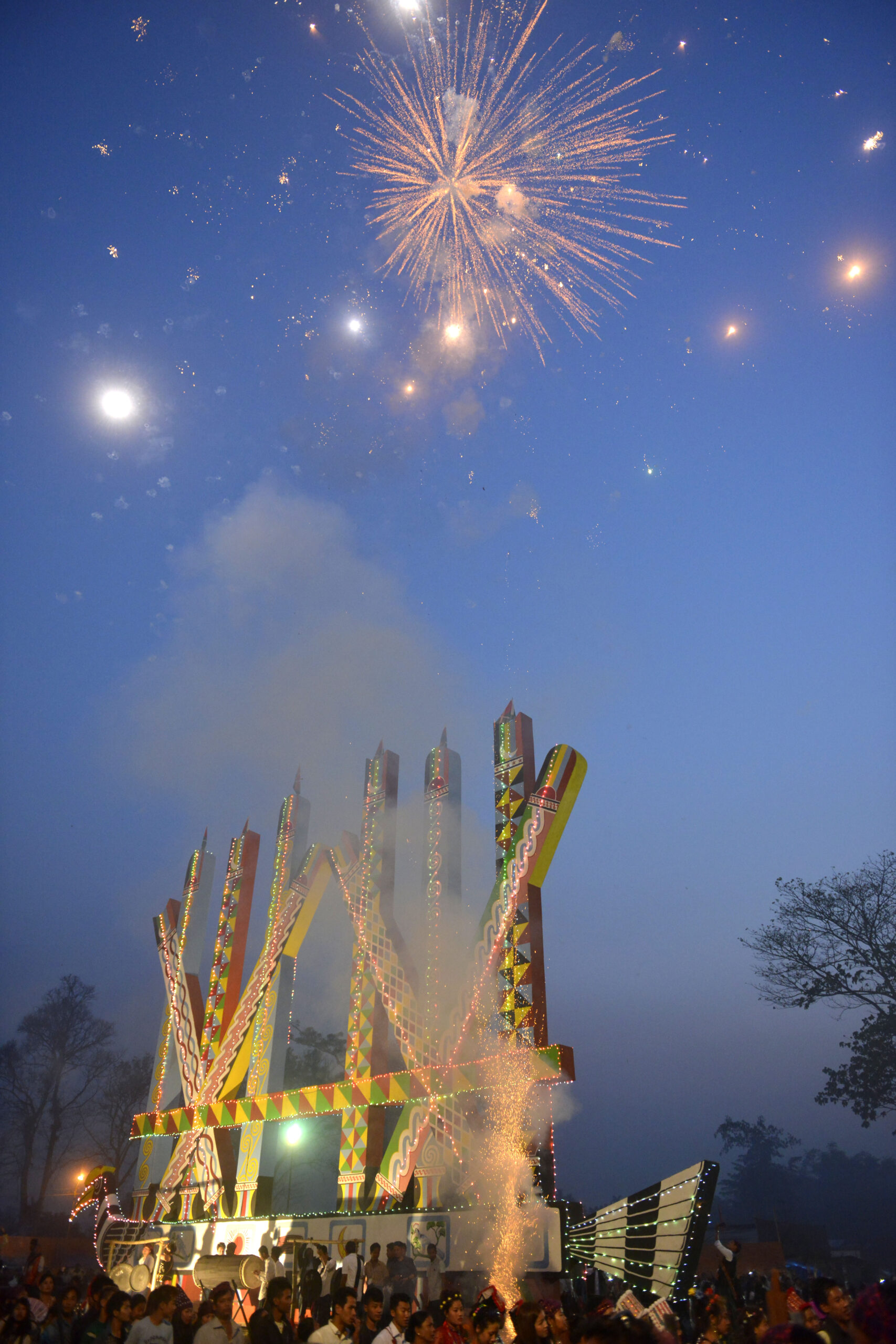
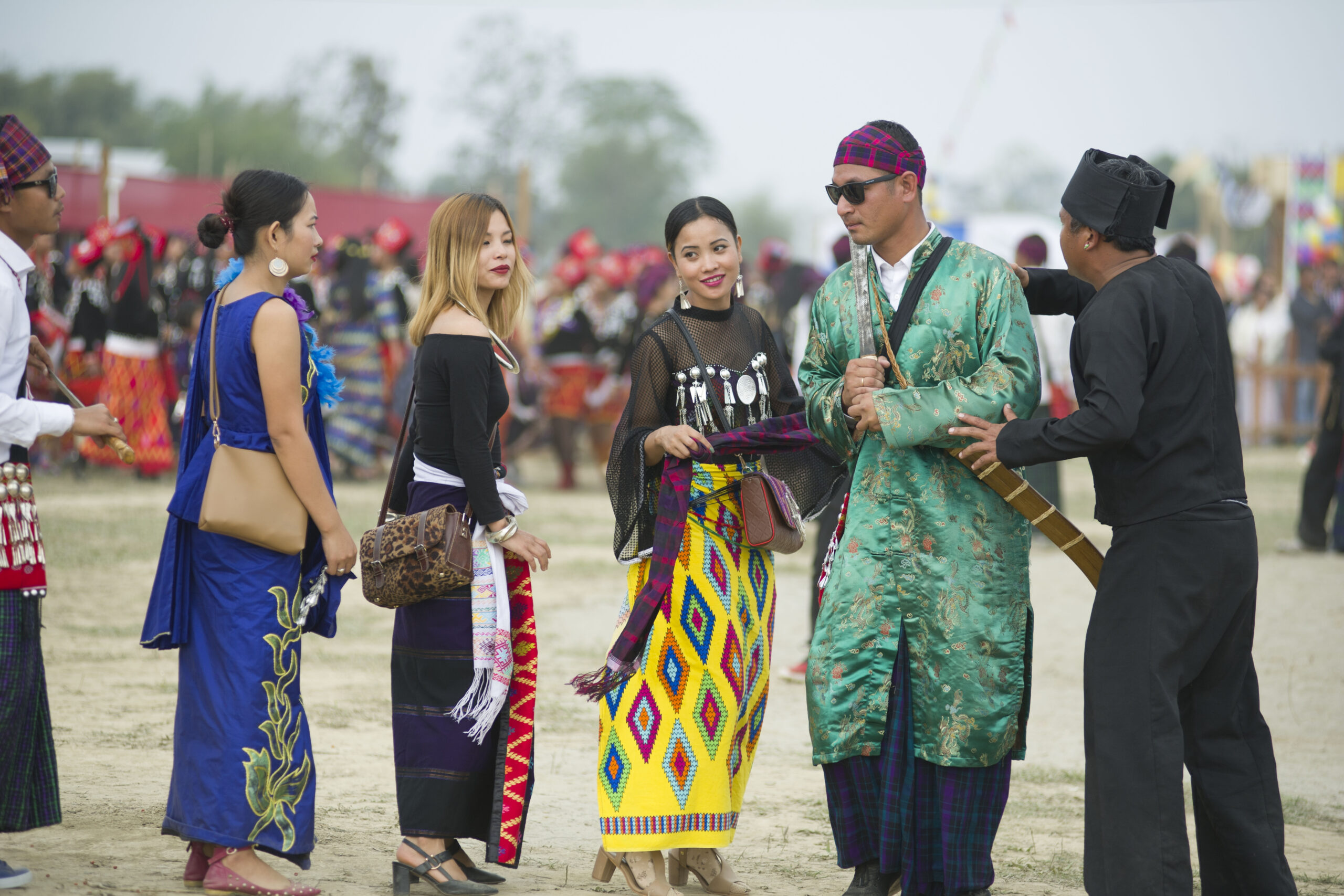
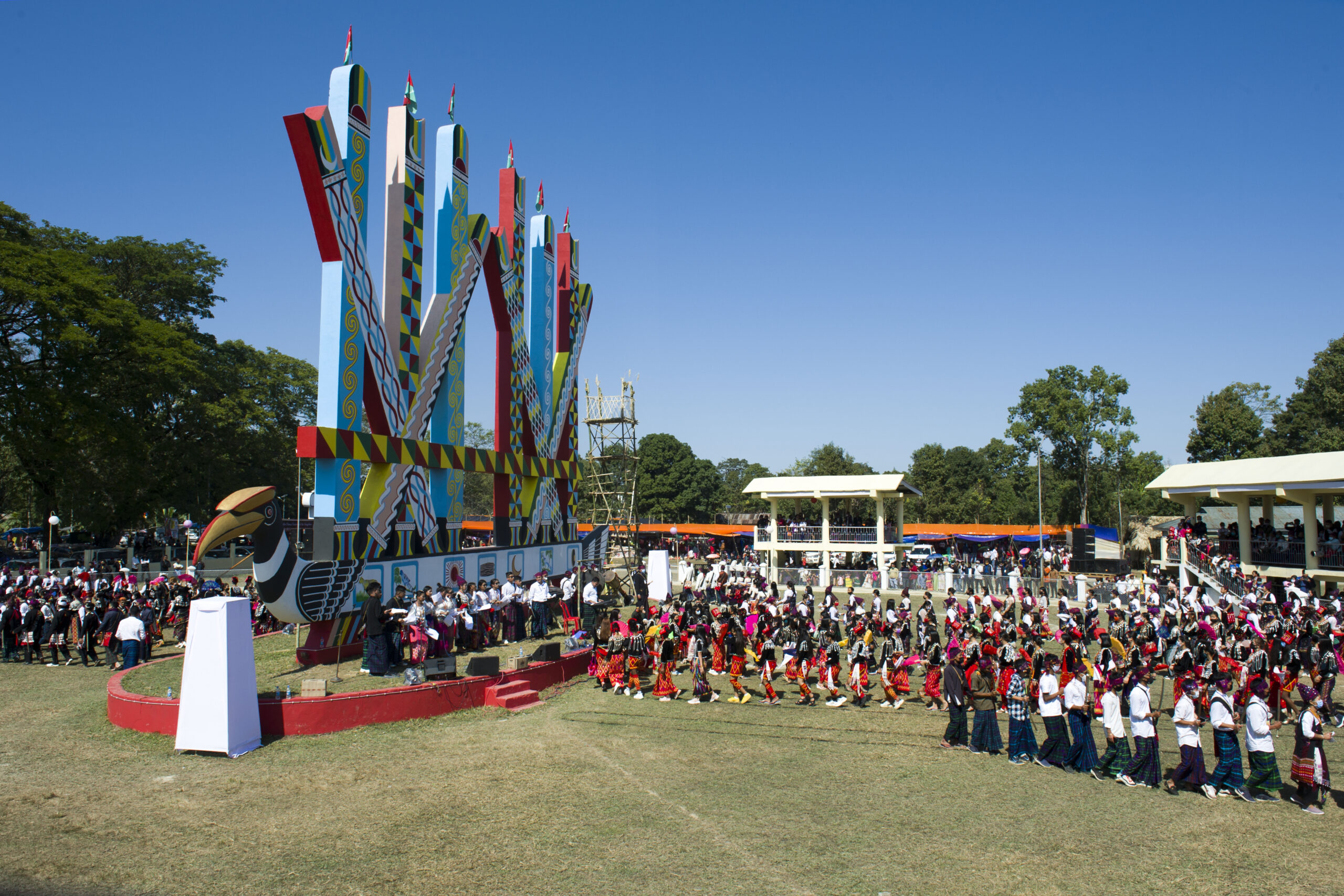
During the celebrations, Singpho dance leaders wear Traditional-style attire and followers wear best of their ethnic and fashionable attires and perform in circular formations around the sacred Shadung pillars. These pillars symbolize male and female energies. A horizontal tying beam connects them—one end carved in the shape of a hornbill’s head and the other shaped as its tail. The colours and motifs on the Shadung represent the creation of the world. Various symbolic depictions of birds and aquatic creatures on the pillars highlight the deep connection between humans and nature.
This festival revolves around dancing around the sacred Shadung pillars, with a single session often continuing for hours. Anyone – locals or visitors – is welcome to join and enjoy the celebration.
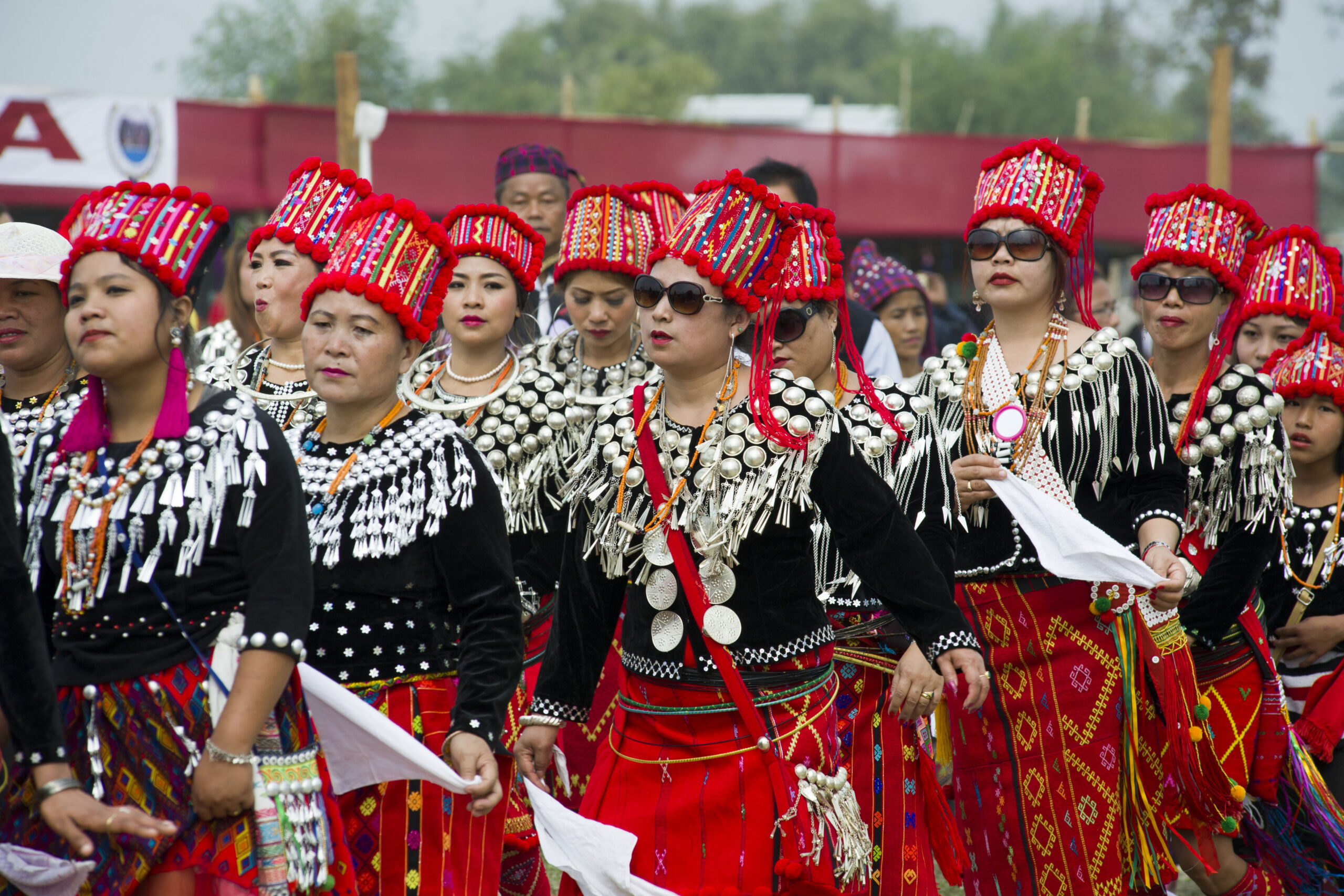
Where to see SYMP Festival
This festival is celebrated from 13–16 February, hosted alternately by either Changlang or Namsai district each year. Updates about the venue are usually announced in early January. The principal and most prominent celebration site is Bordumsa in Changlang district.
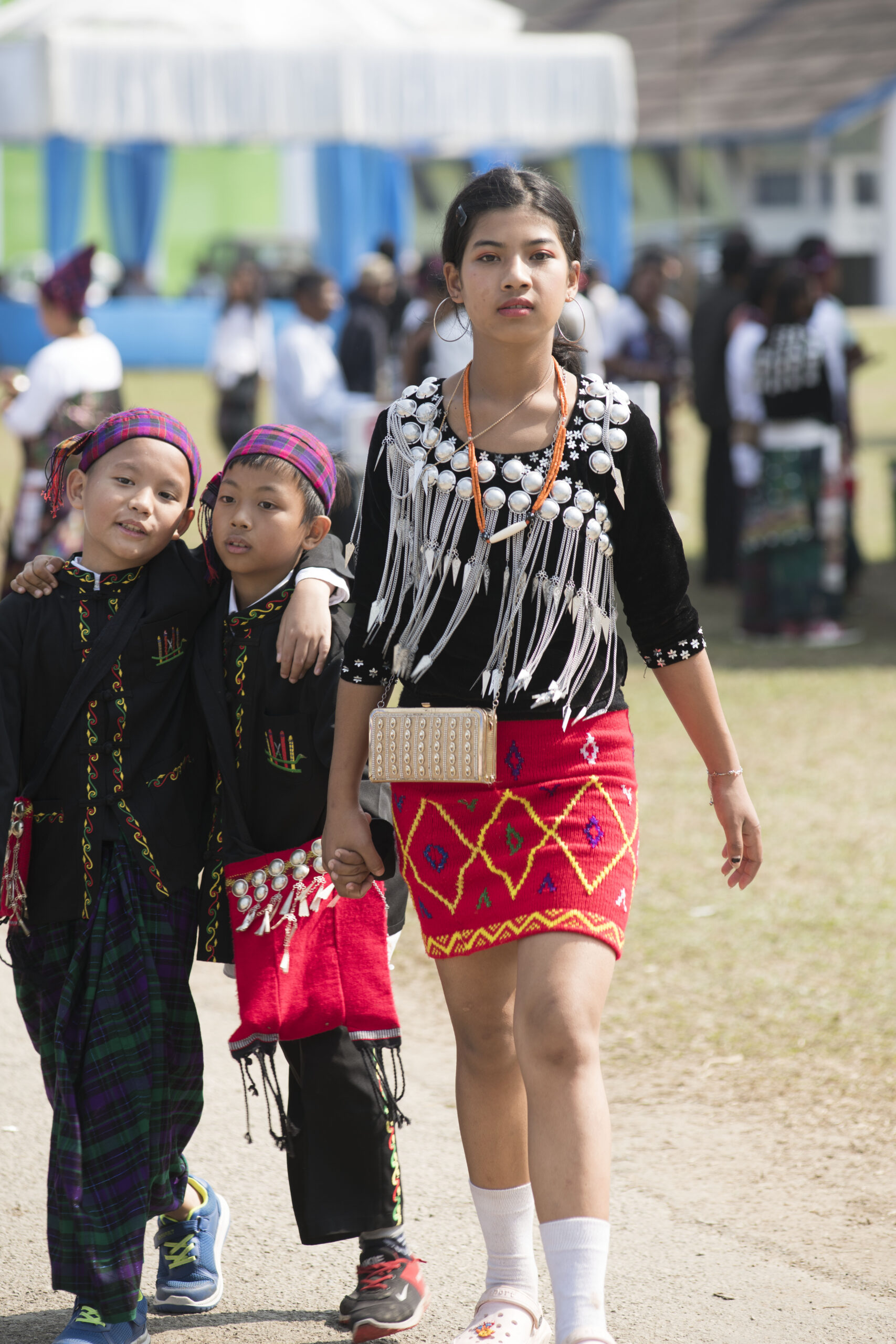
Best season to visit
Bordumsa can be visited throughout the year, but it becomes especially vibrant and colourful during the festival in February. It is also conveniently located near major attractions such as the Pagoda City of Namsai, Namdapha Wildlife Sanctuary, and the historic town of Jairampur.
How to Reach Bordumsa
Bordumsa is accessible from Namsai, Jairampur, as well as from Margherita and Tinsukia in Assam. The nearest airport is in Dibrugarh, and the closest railway station is located in Tinsukia.
Where to stay in Bordumsa
Bordumsa offers basic hotels and a few homestays, along with some resorts and a Government Inspection Bungalow. Travellers can also choose to stay in nearby towns such as Namsai or Miao, which provide additional accommodation options.