Festival of Tai-khampti Tribe
Sangken
The Water Festival
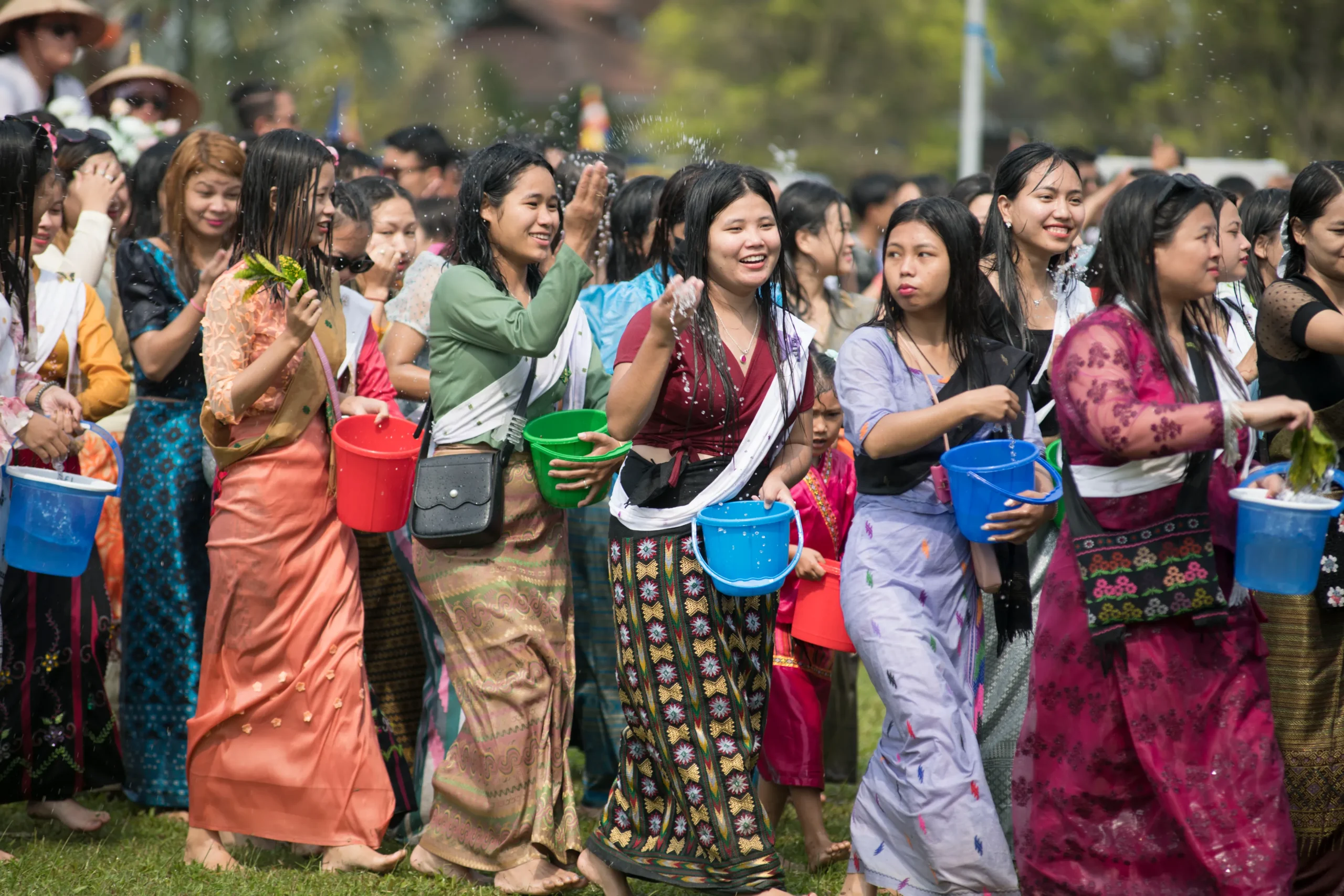
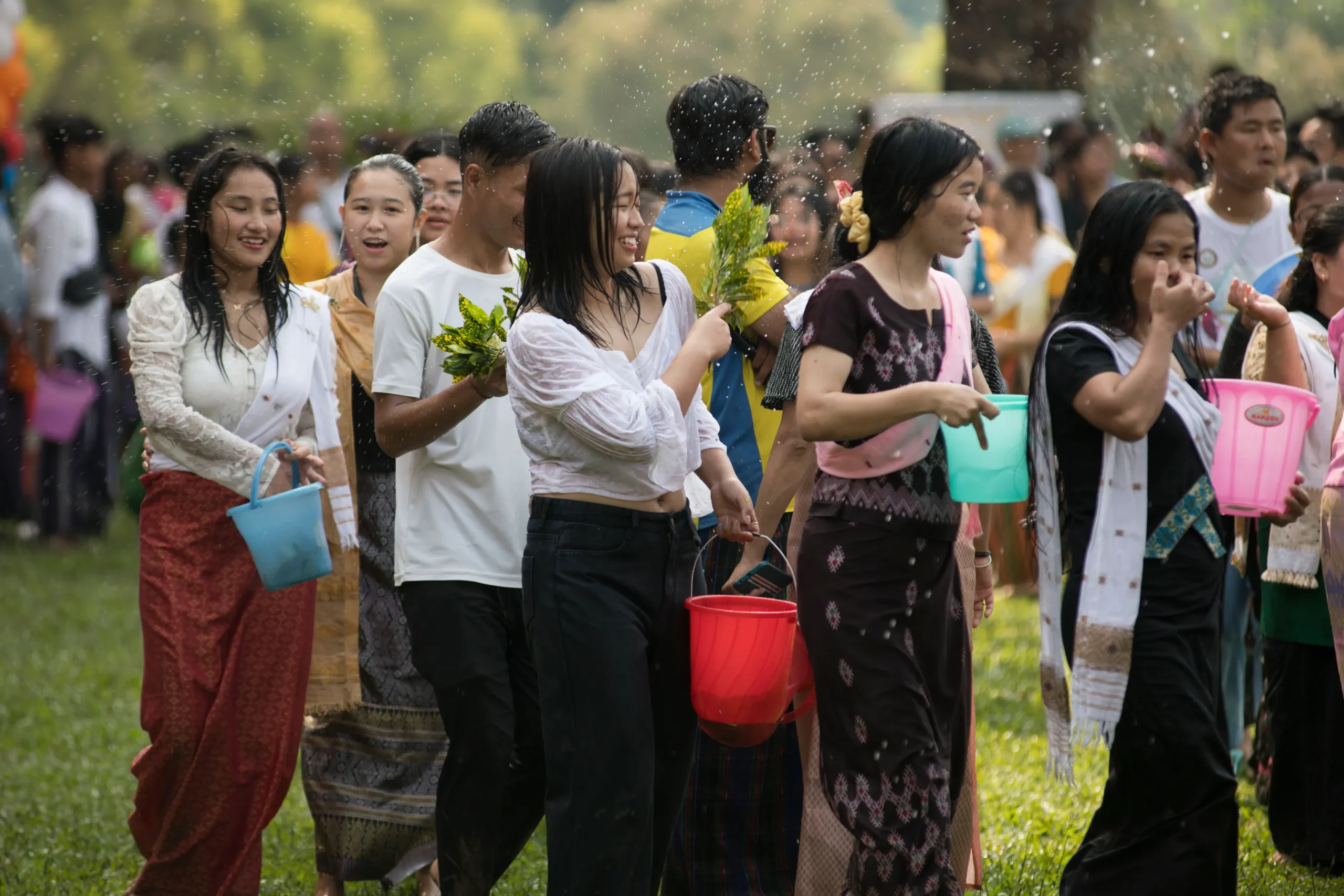
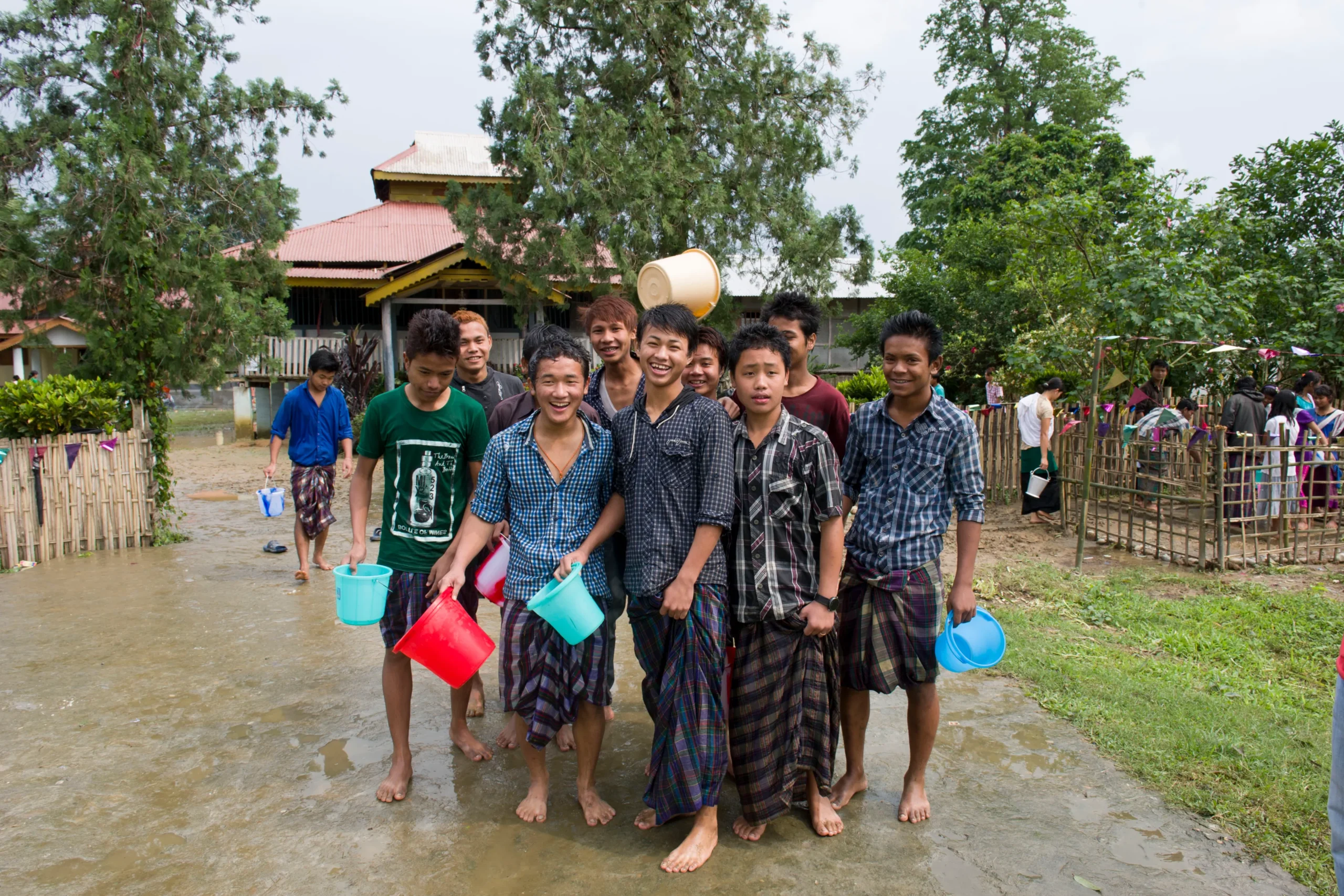
Sangken is a prominent Buddhist festival, joyously celebrated to welcome the New Year. Among the Buddhists of Arunachal Pradesh, the Tai Khamptis of Namsai district observe Sangken with the greatest devotion and grandeur. The Singpho, Tai Khamyang and Buddhist Tangsa communities also celebrate this sacred festival with equal reverence and enthusiasm.
The Tai Khampti people traditionally follow the lunar calendar, and therefore all their social, cultural, and religious ceremonies are aligned with the lunar cycle. April, known as Noun Ha, is regarded as the first month of the year. Sangken marks the concluding days of the old year and usually spans 2–3 days. As soon as the festival concludes, the lunar New Year begins, symbolizing renewal, positivity, and divine blessings.
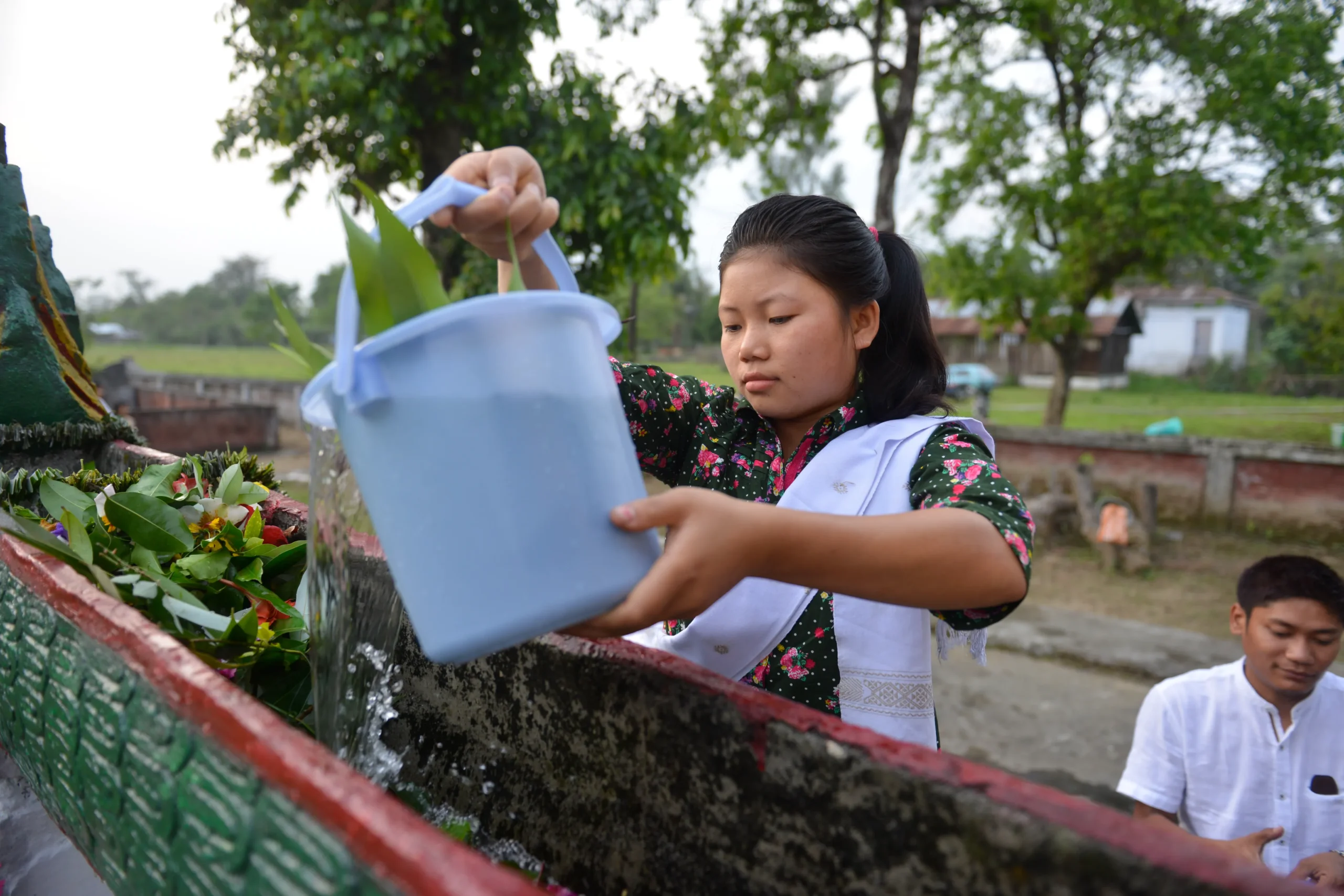
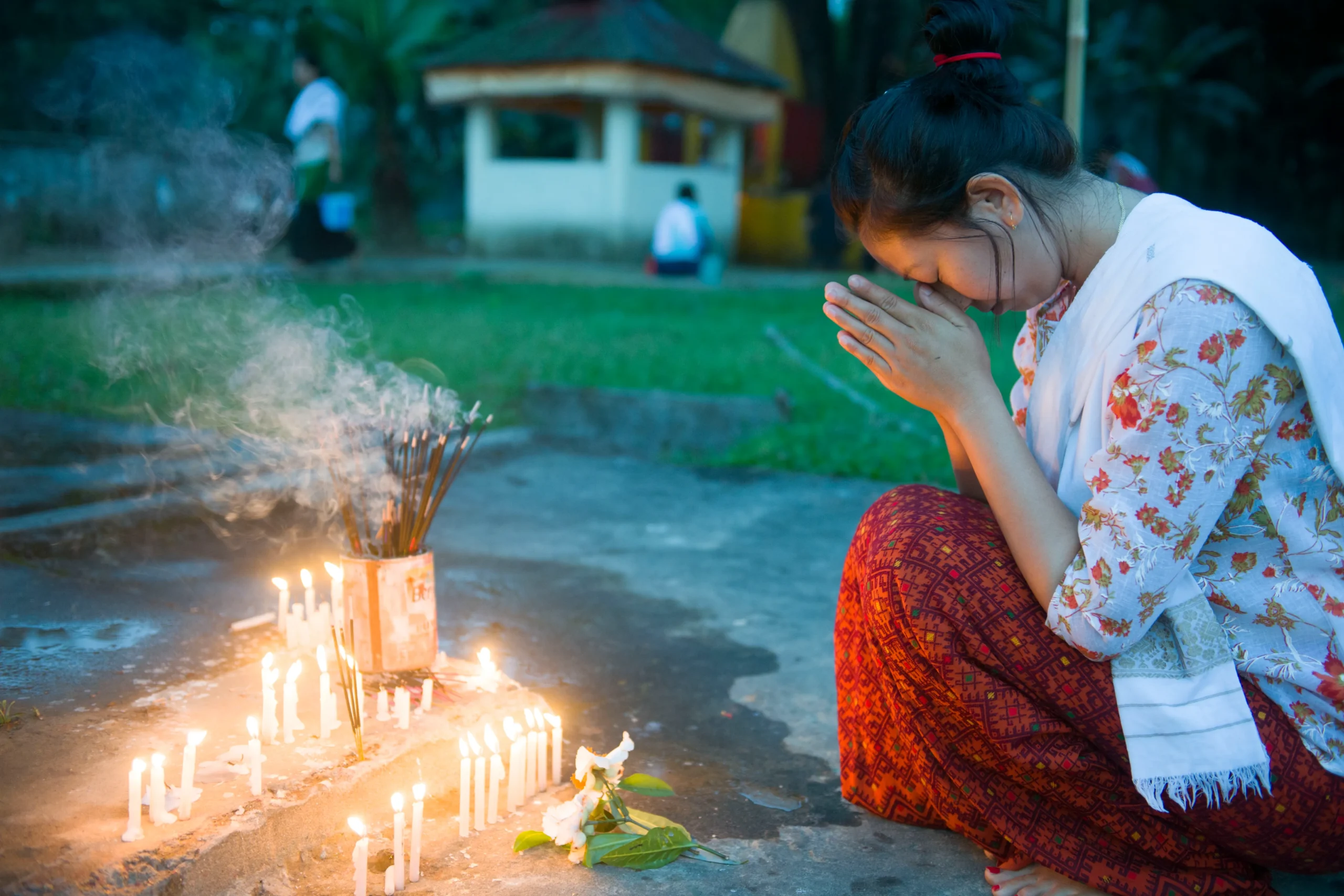
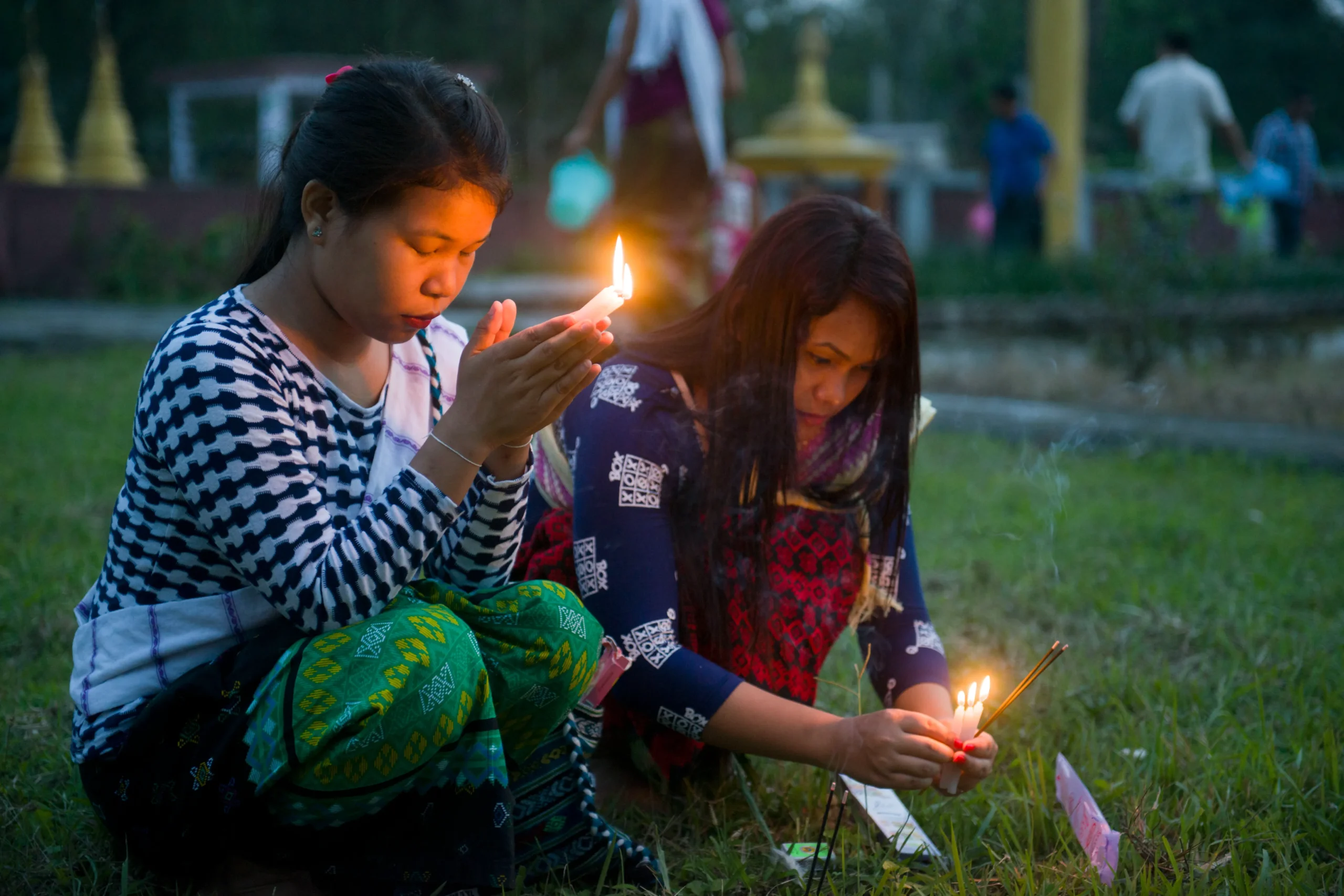
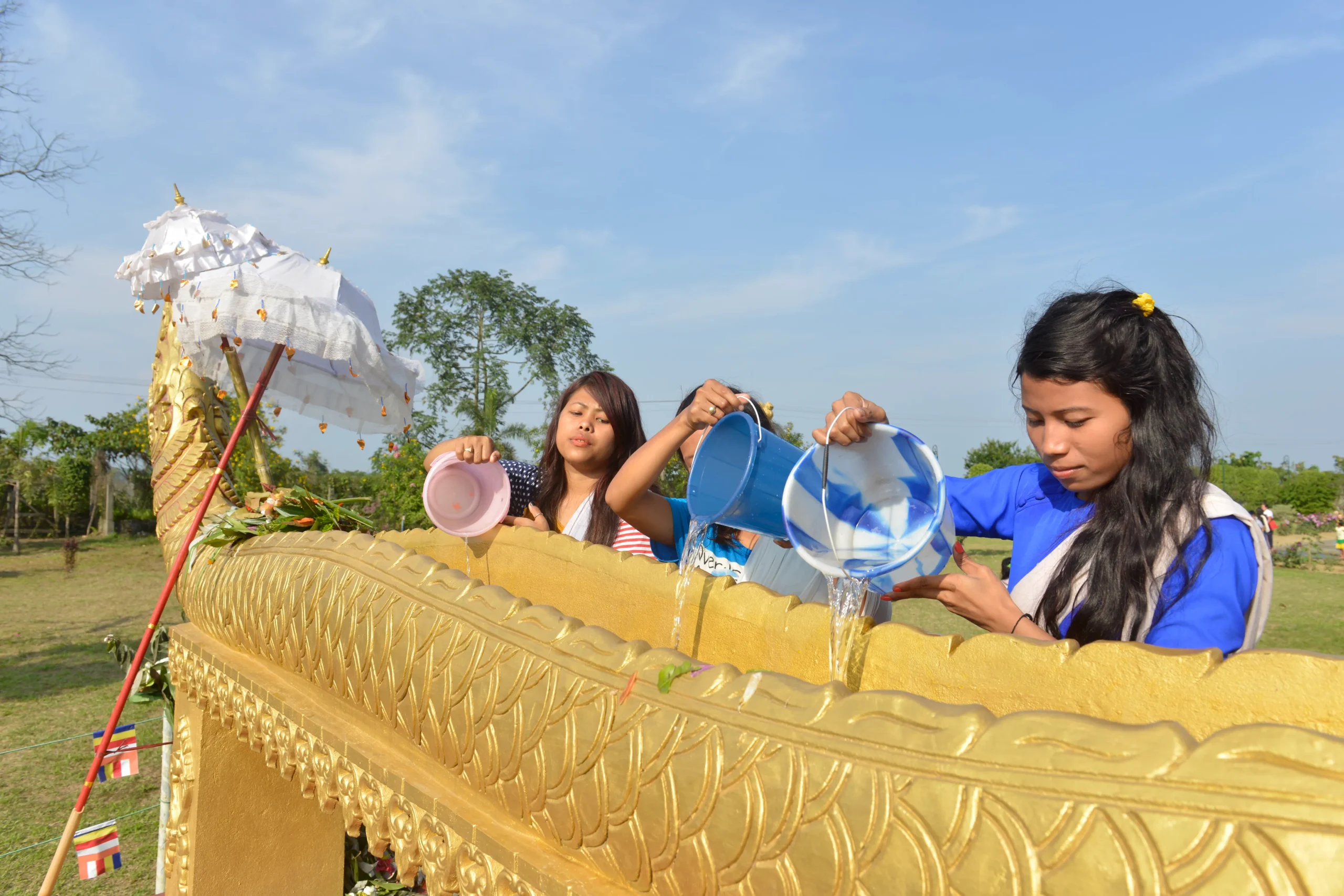
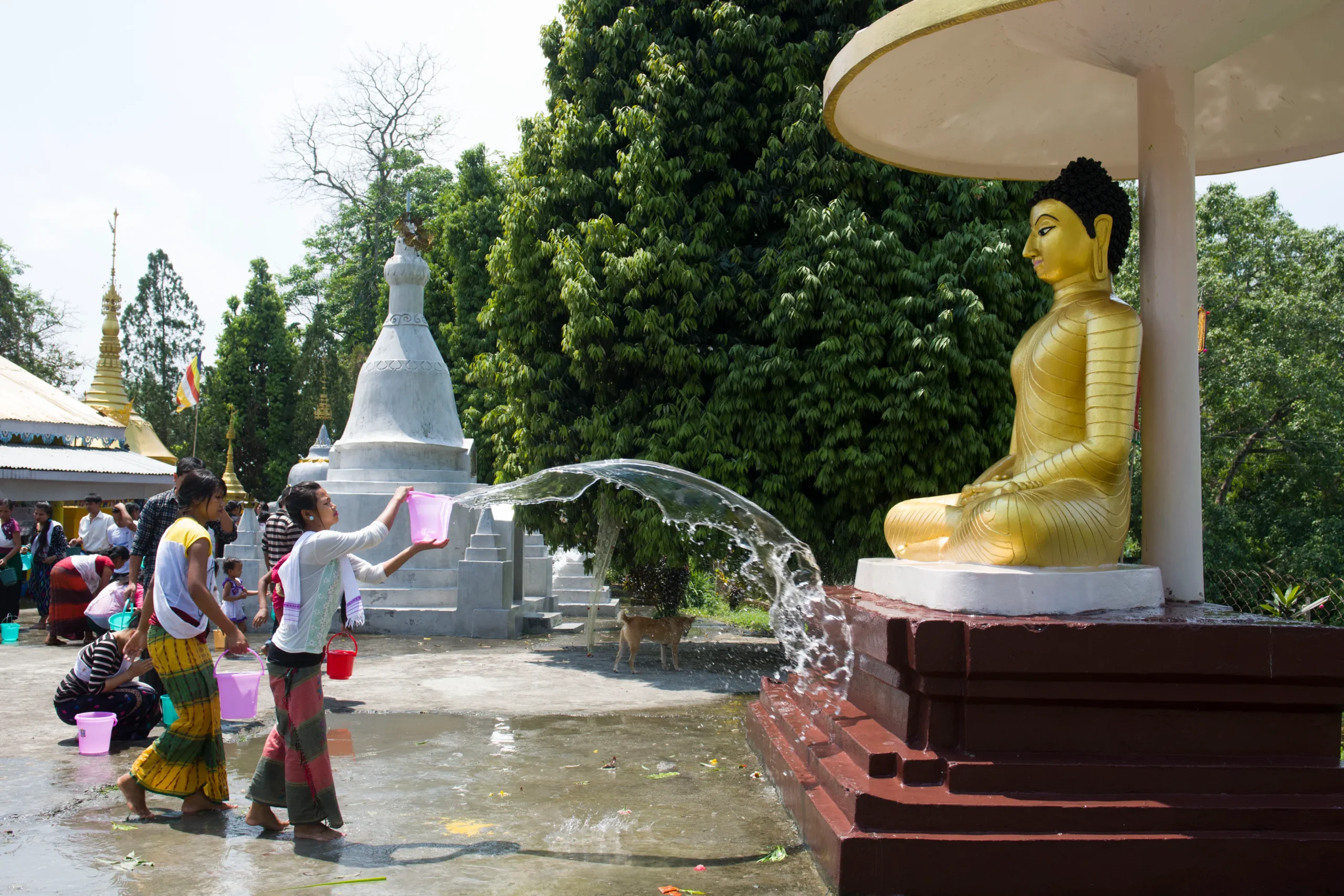
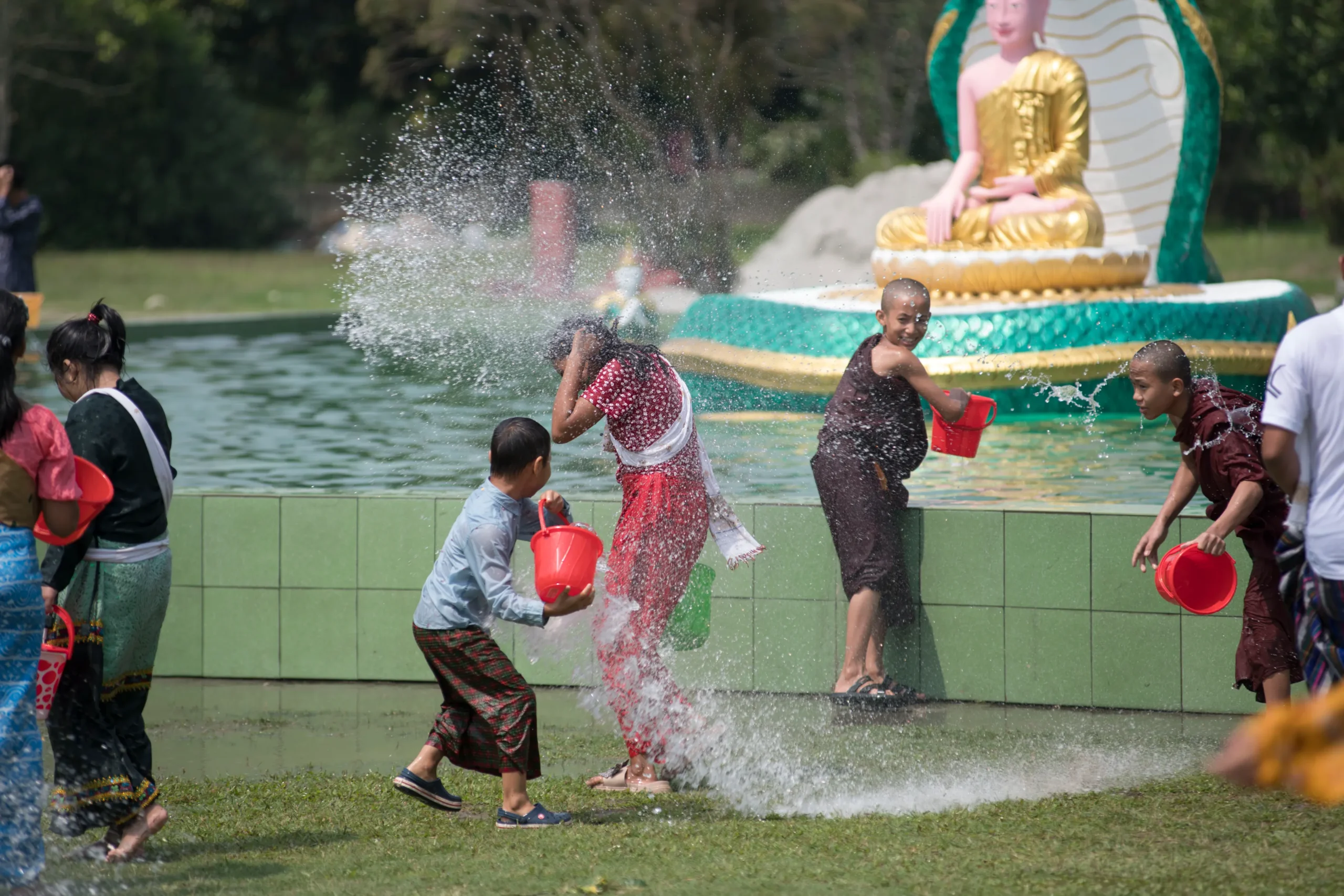
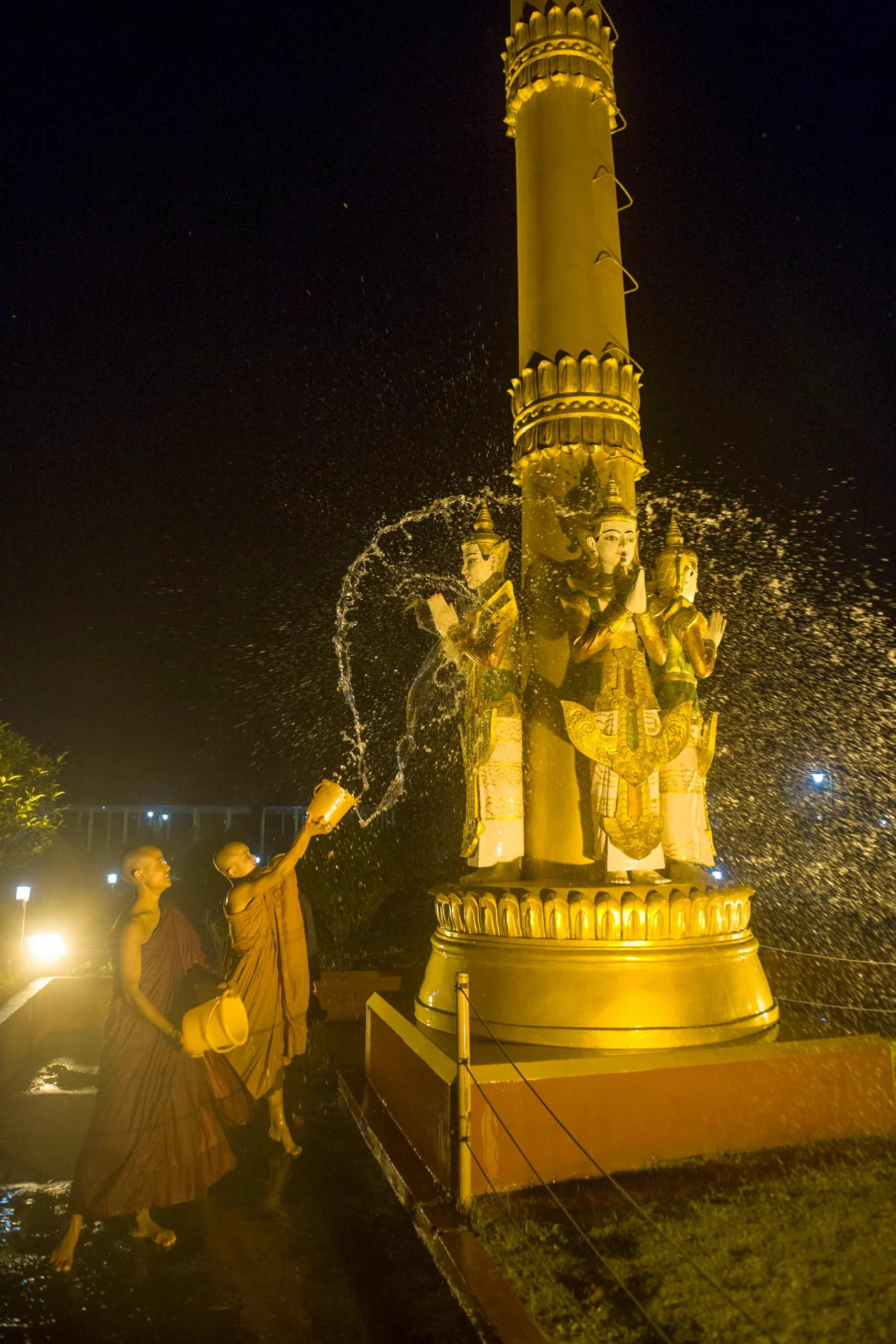
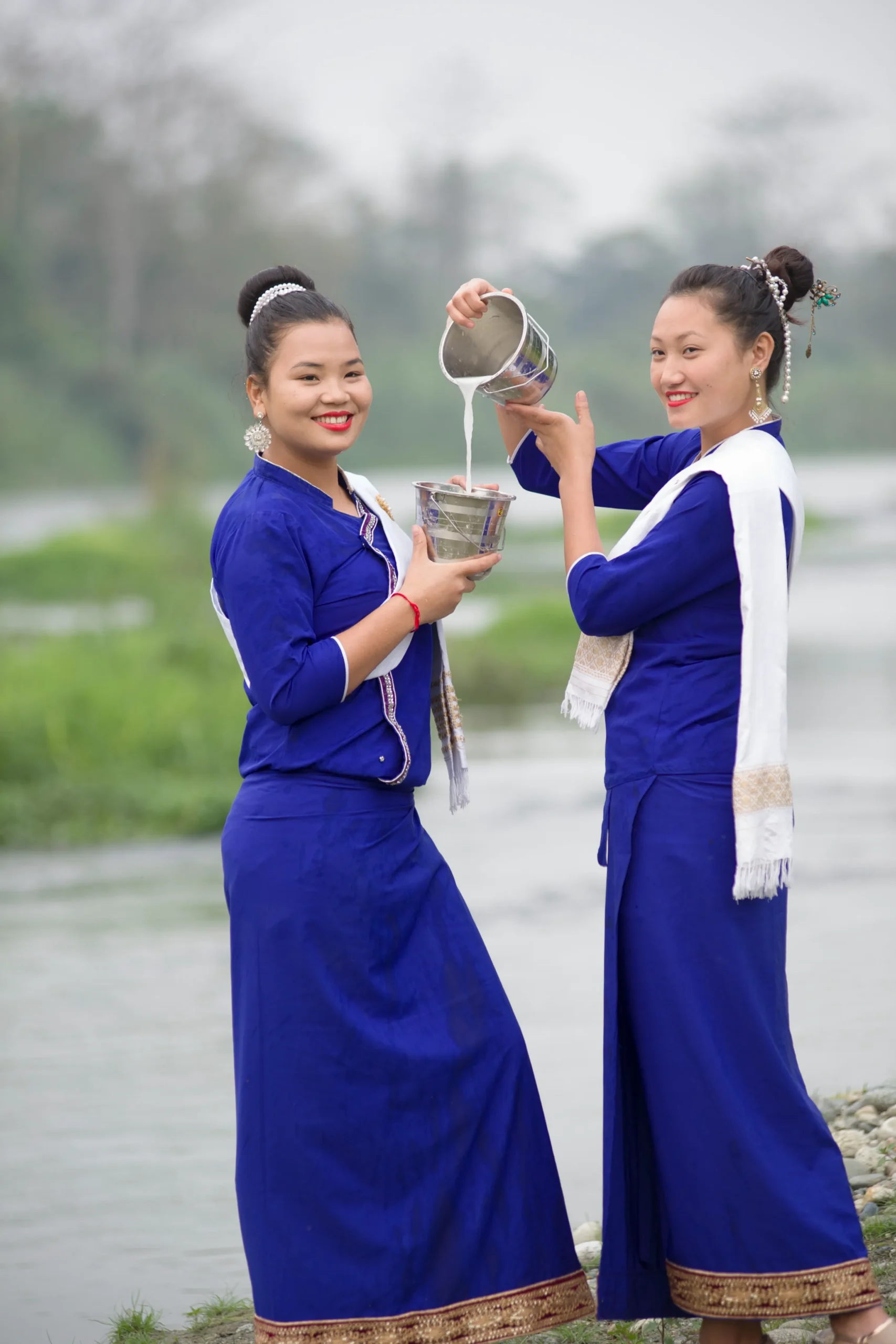
A distinctive ritual of Sangken involves taking out the sacred statues of Lord Buddha from the Chong (temple) and placing them in a specially prepared chapel within the temple premises. Over the festival days, the idols are ceremoniously washed with clean water—a gesture symbolizing purification, respect, and the washing away of negativity. Buddhist scriptures (Lik), revered Peepal trees (Toun Puthi), and monks also receive a symbolic cleansing with fresh water.


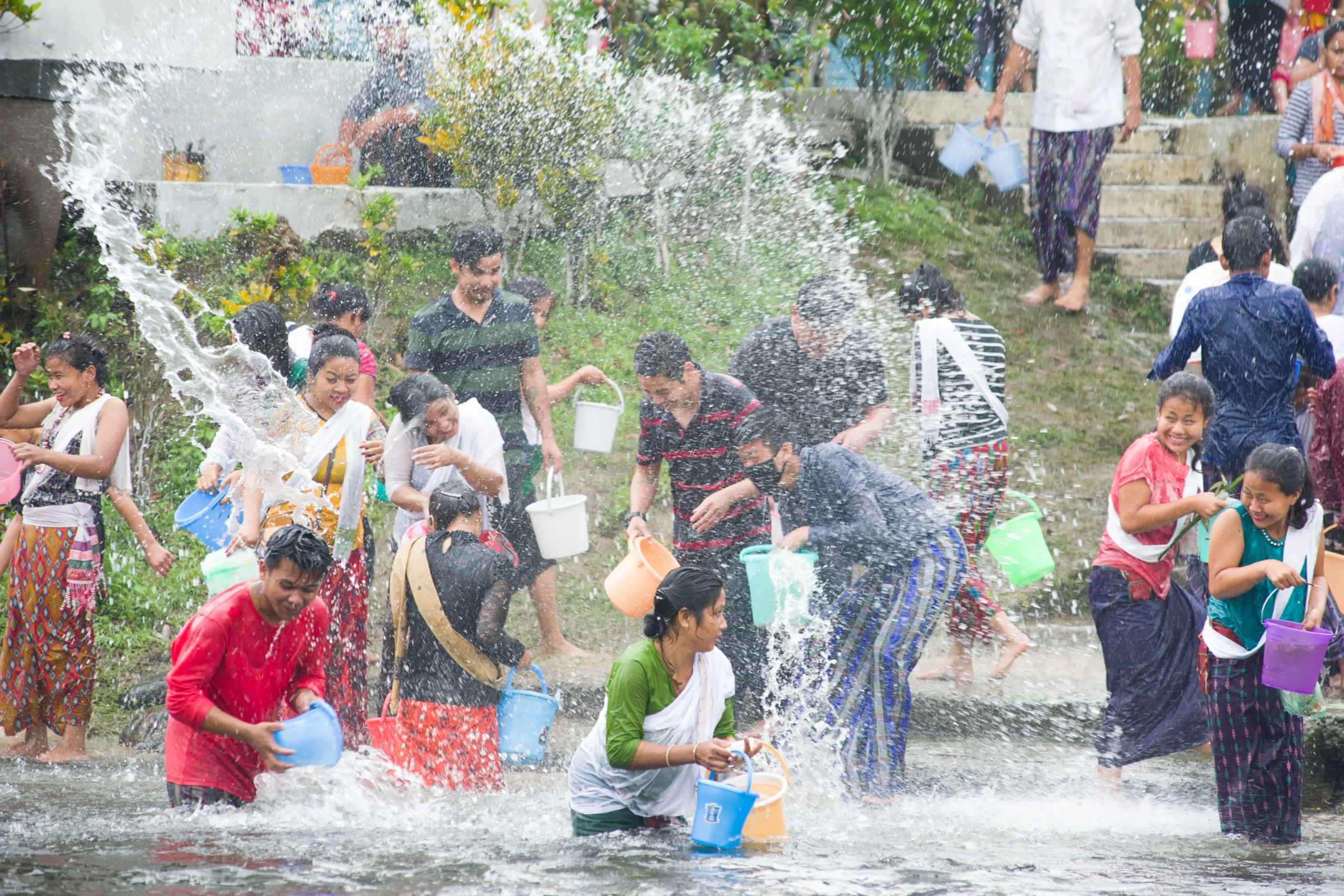
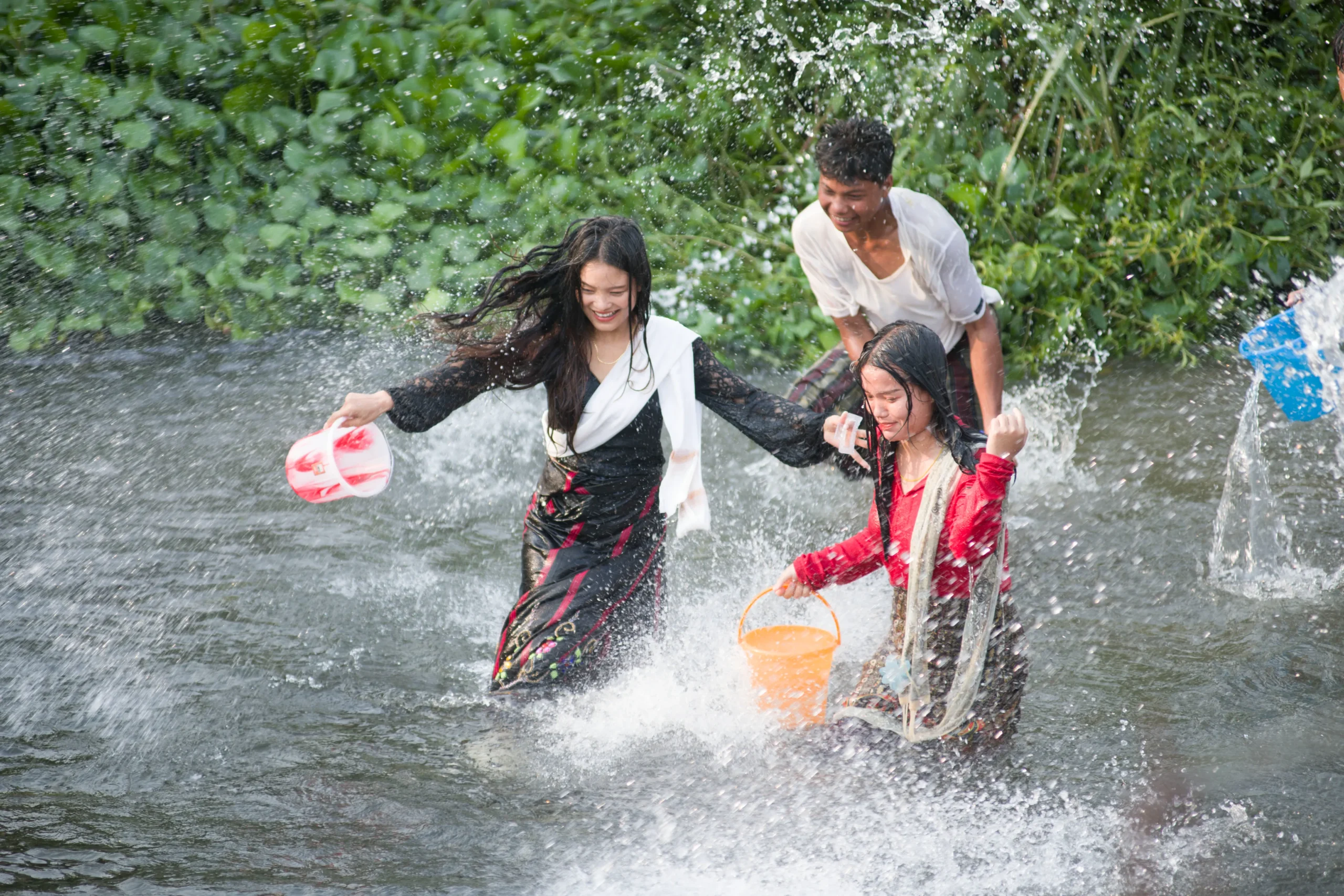
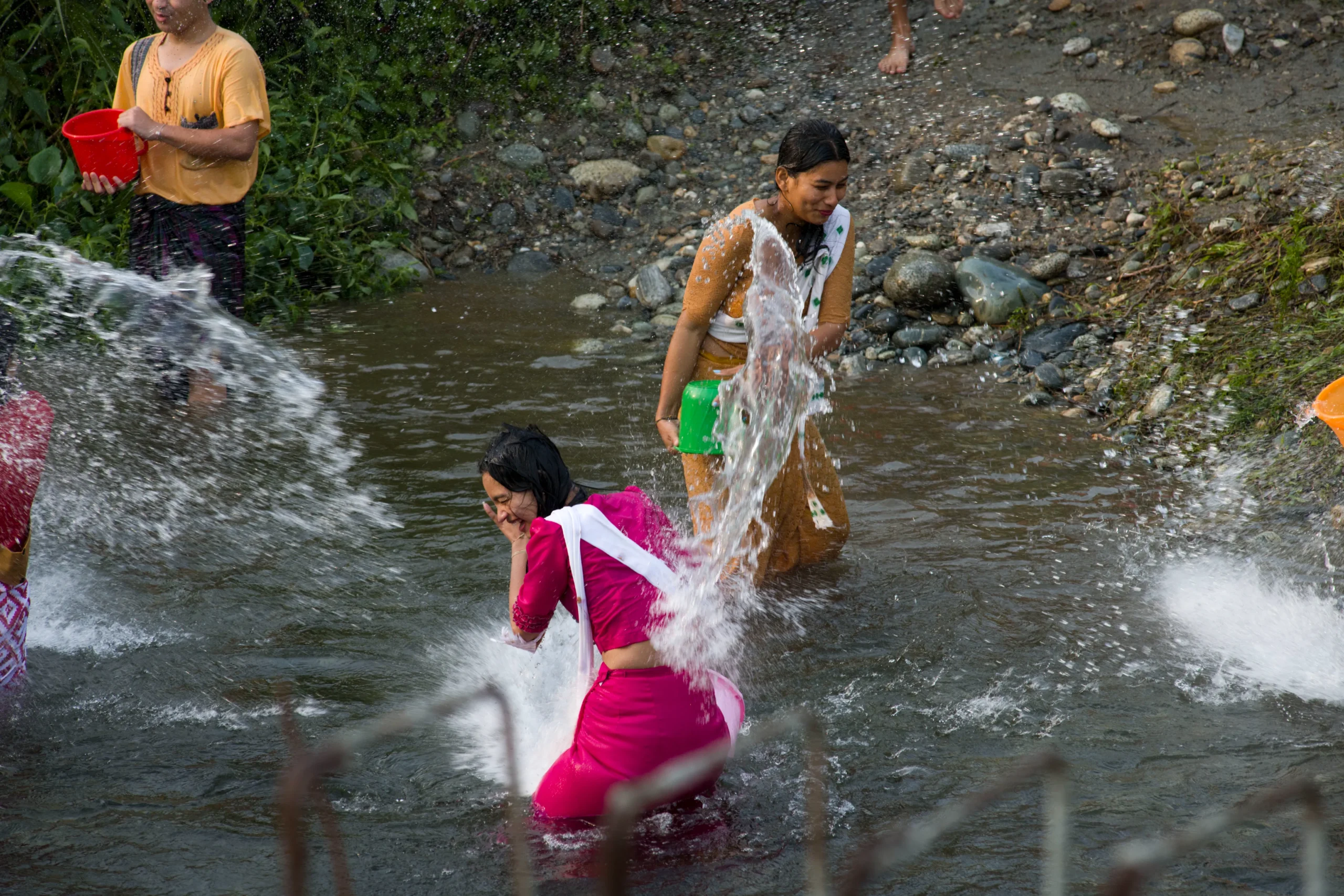
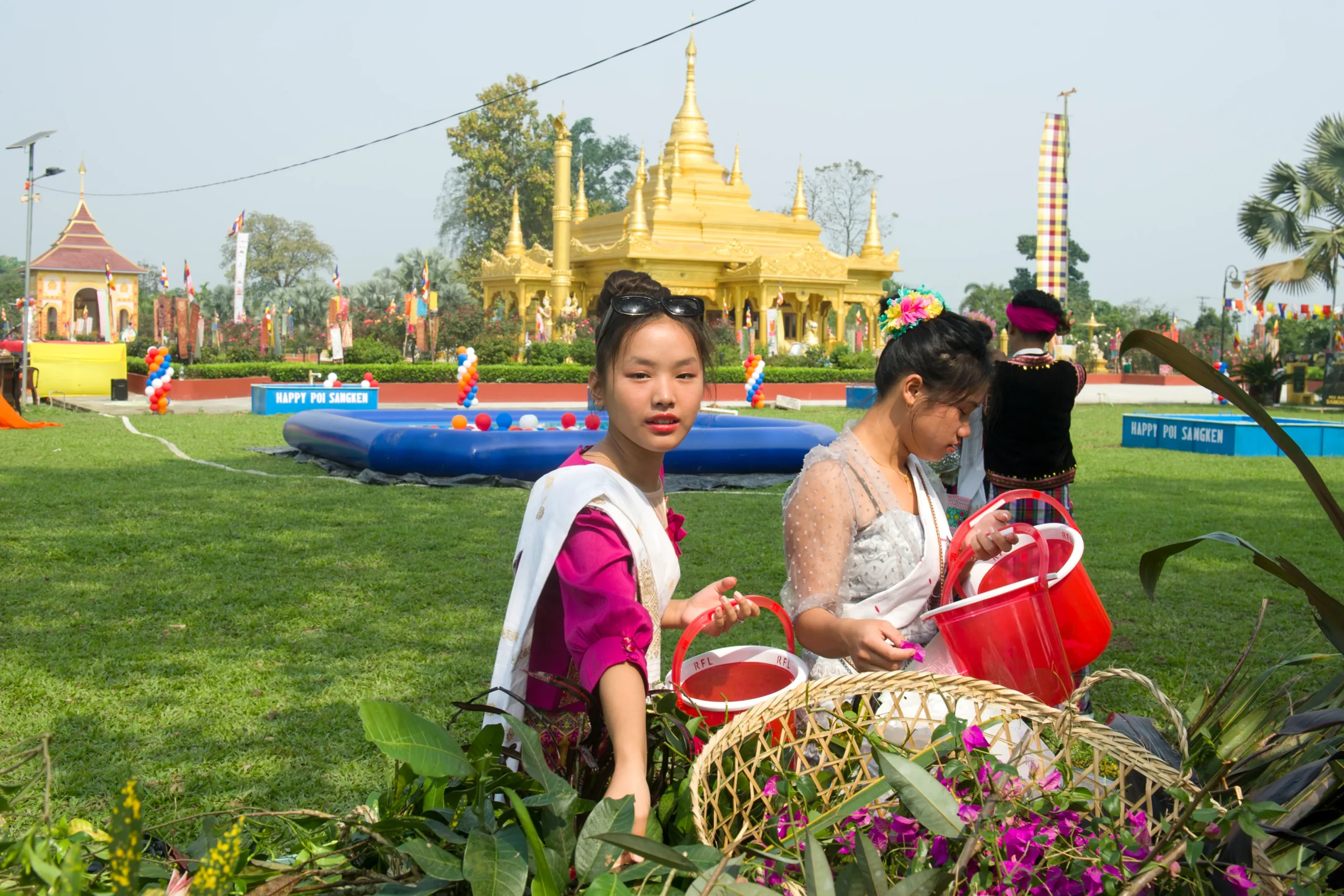
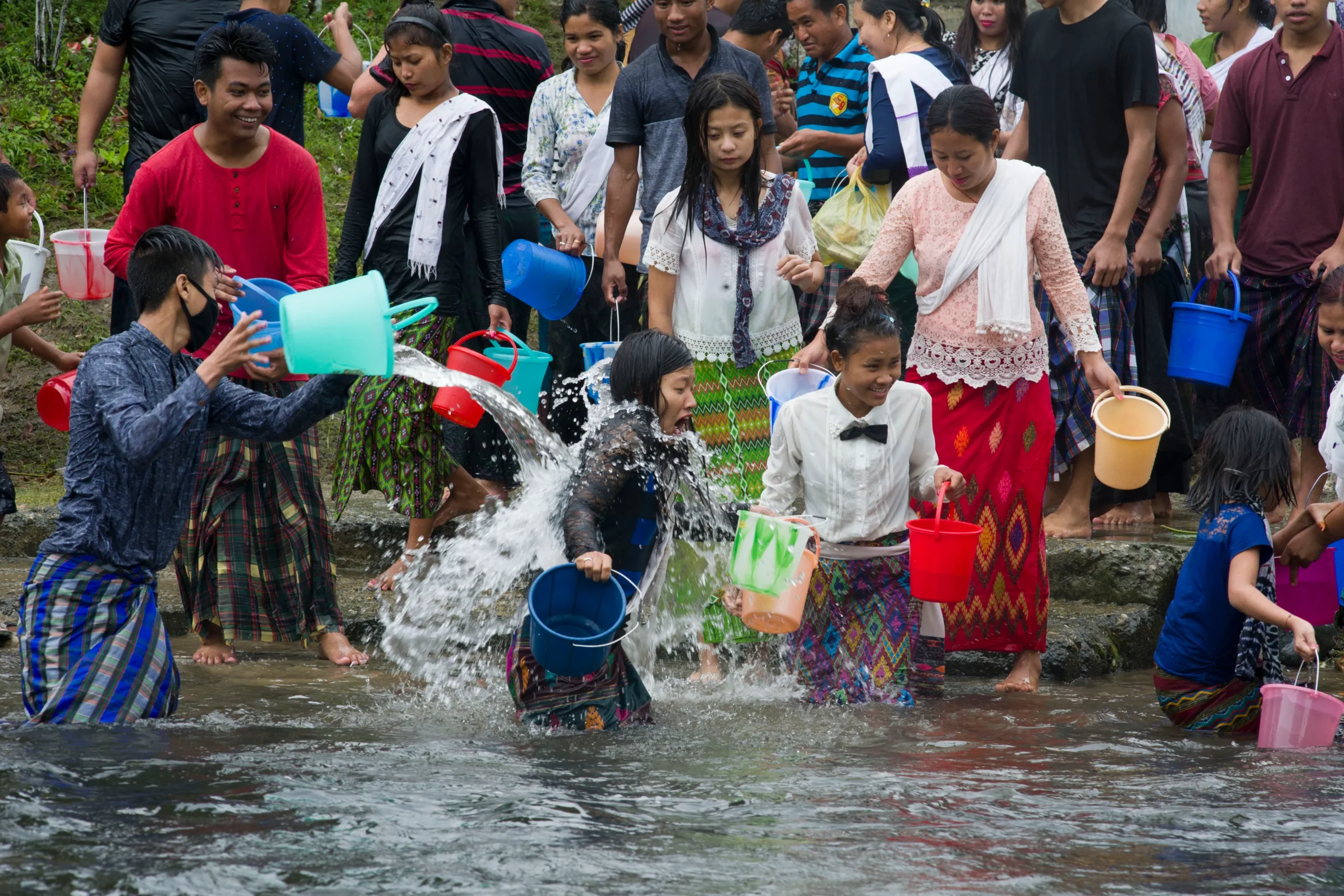
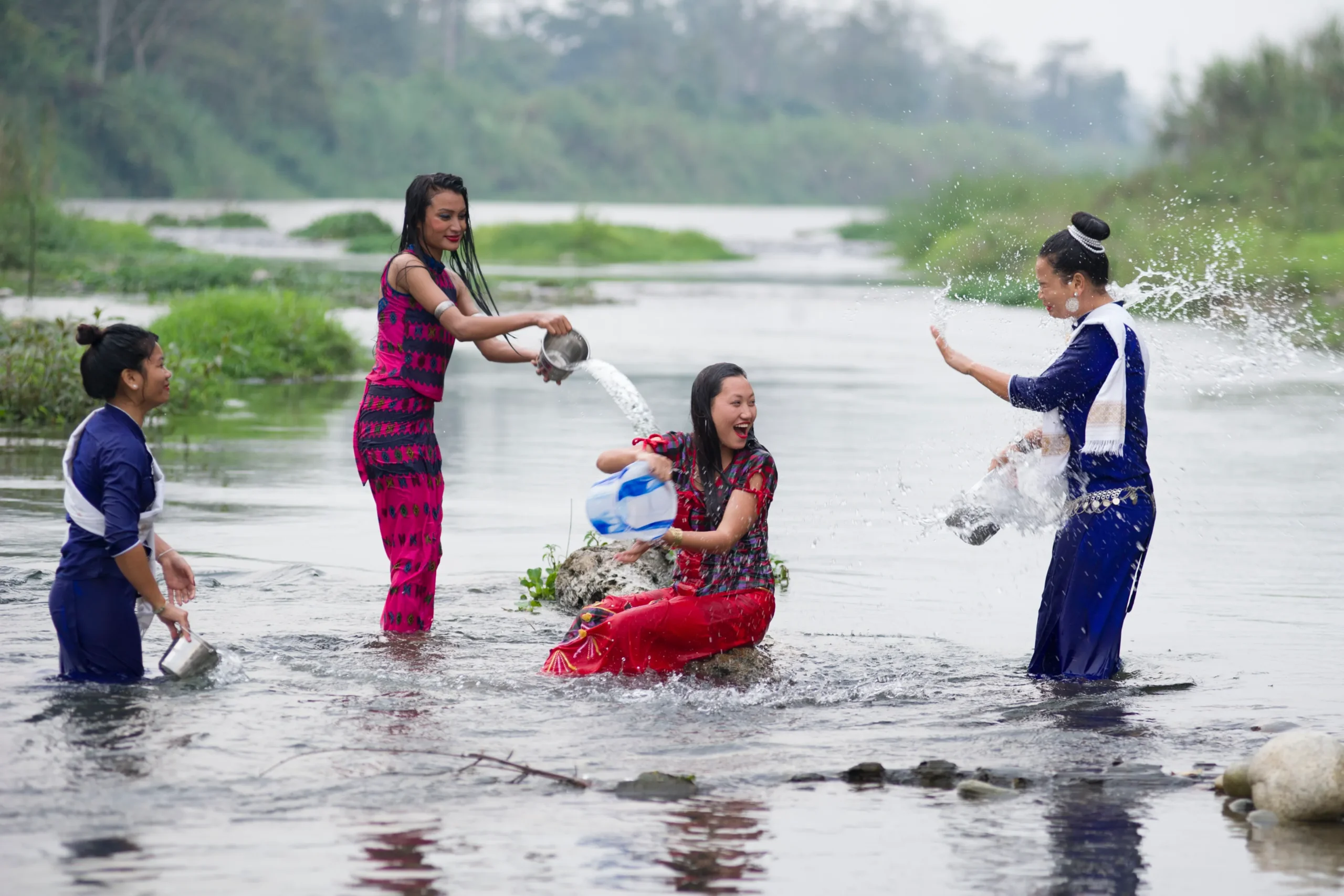
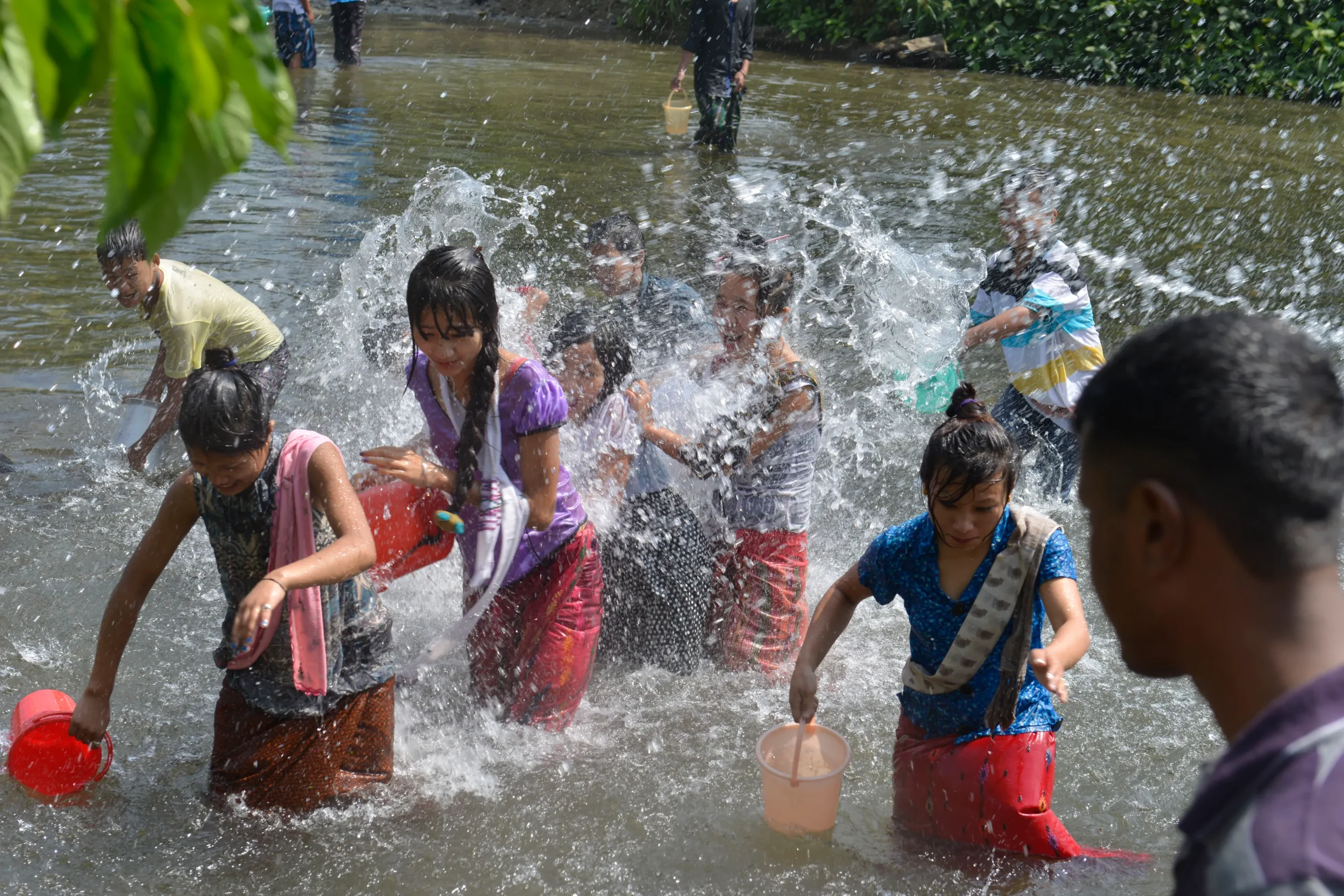
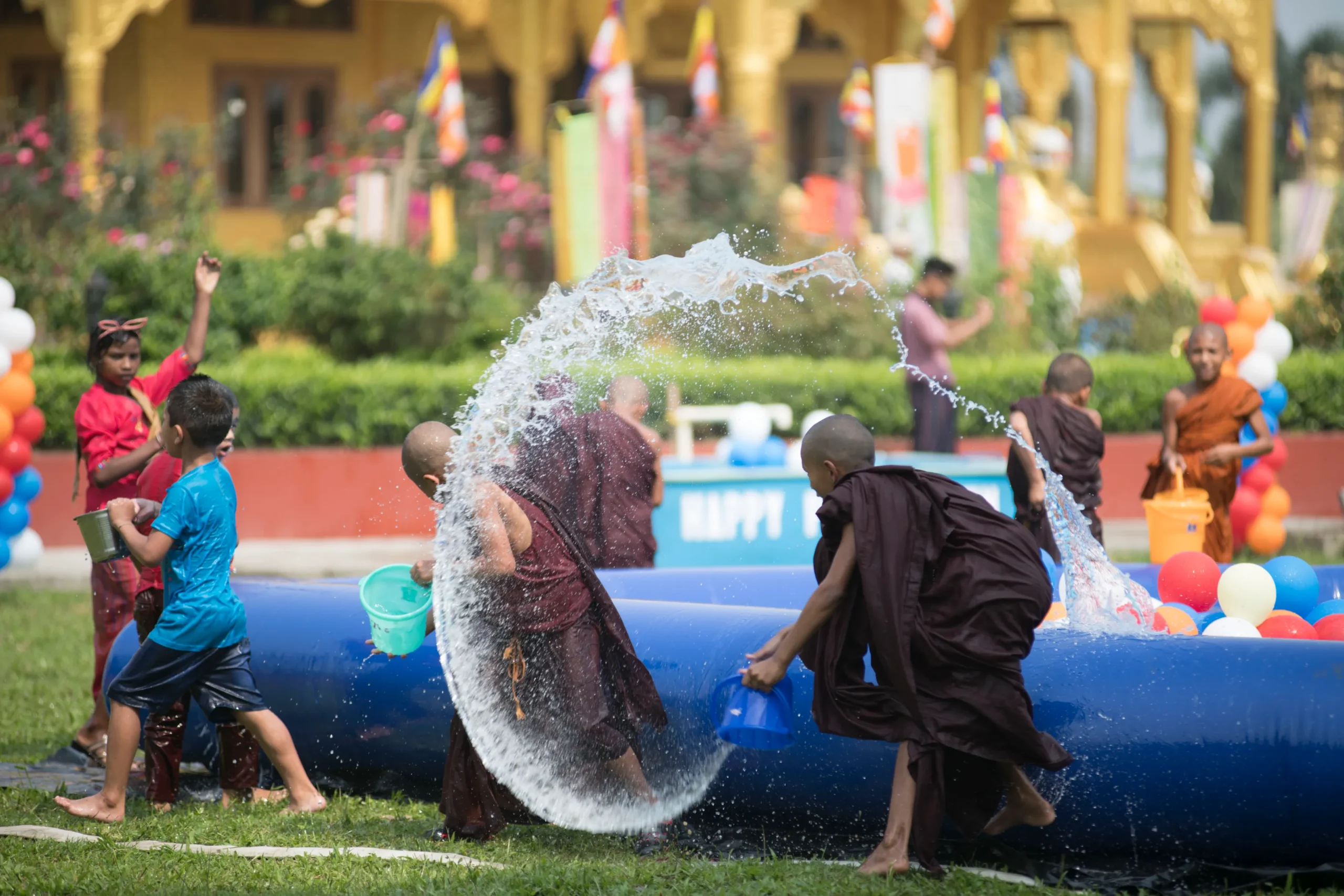
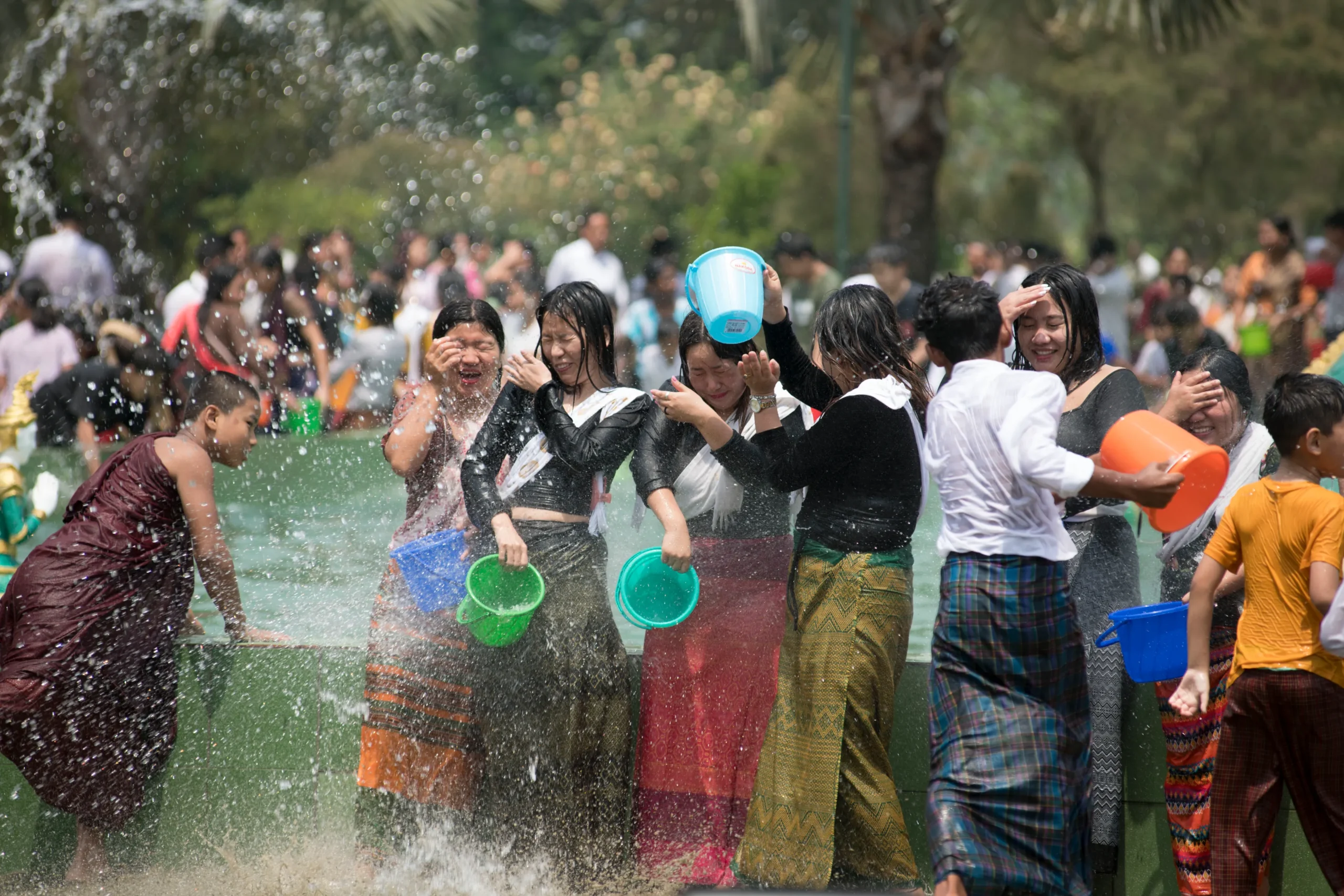
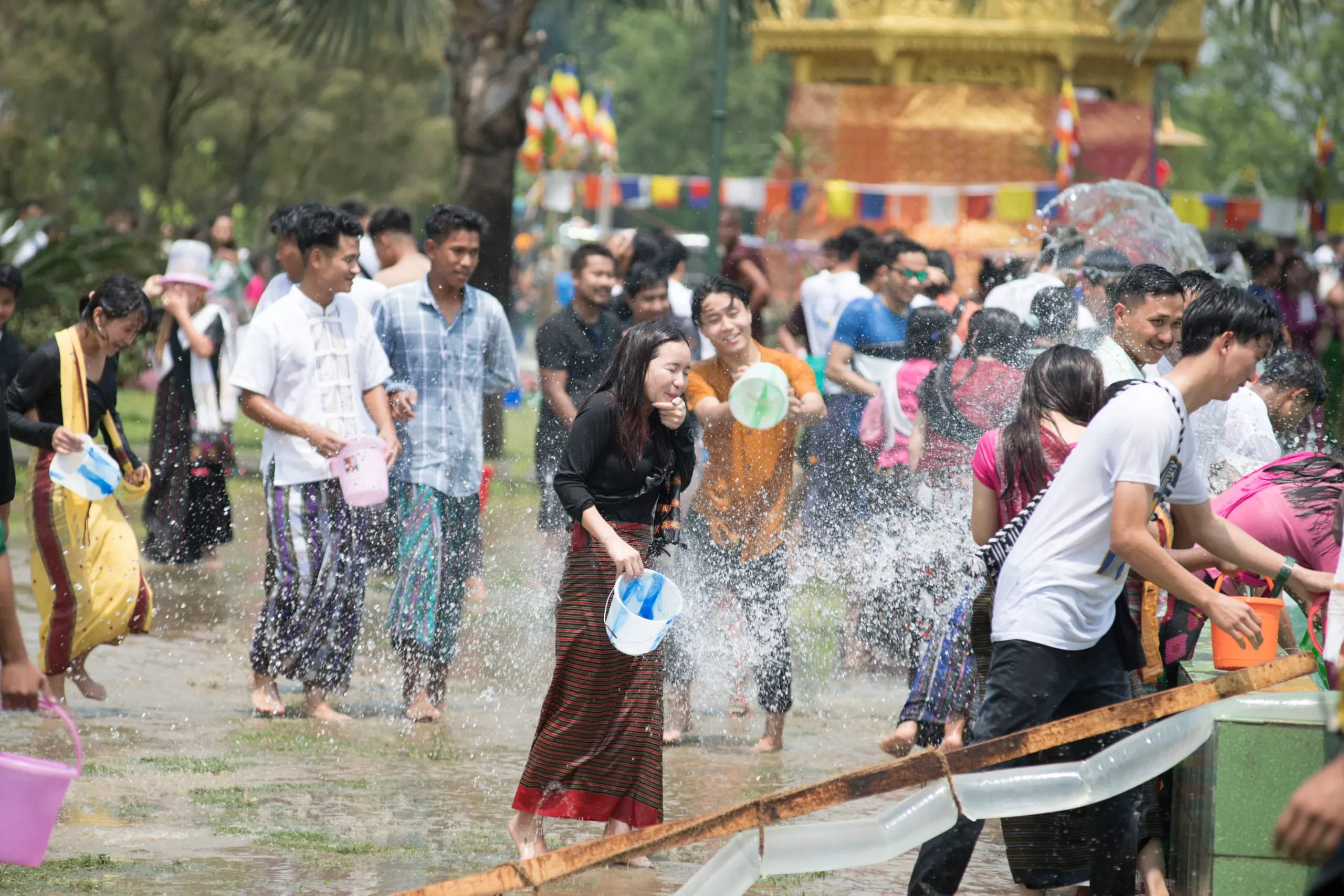
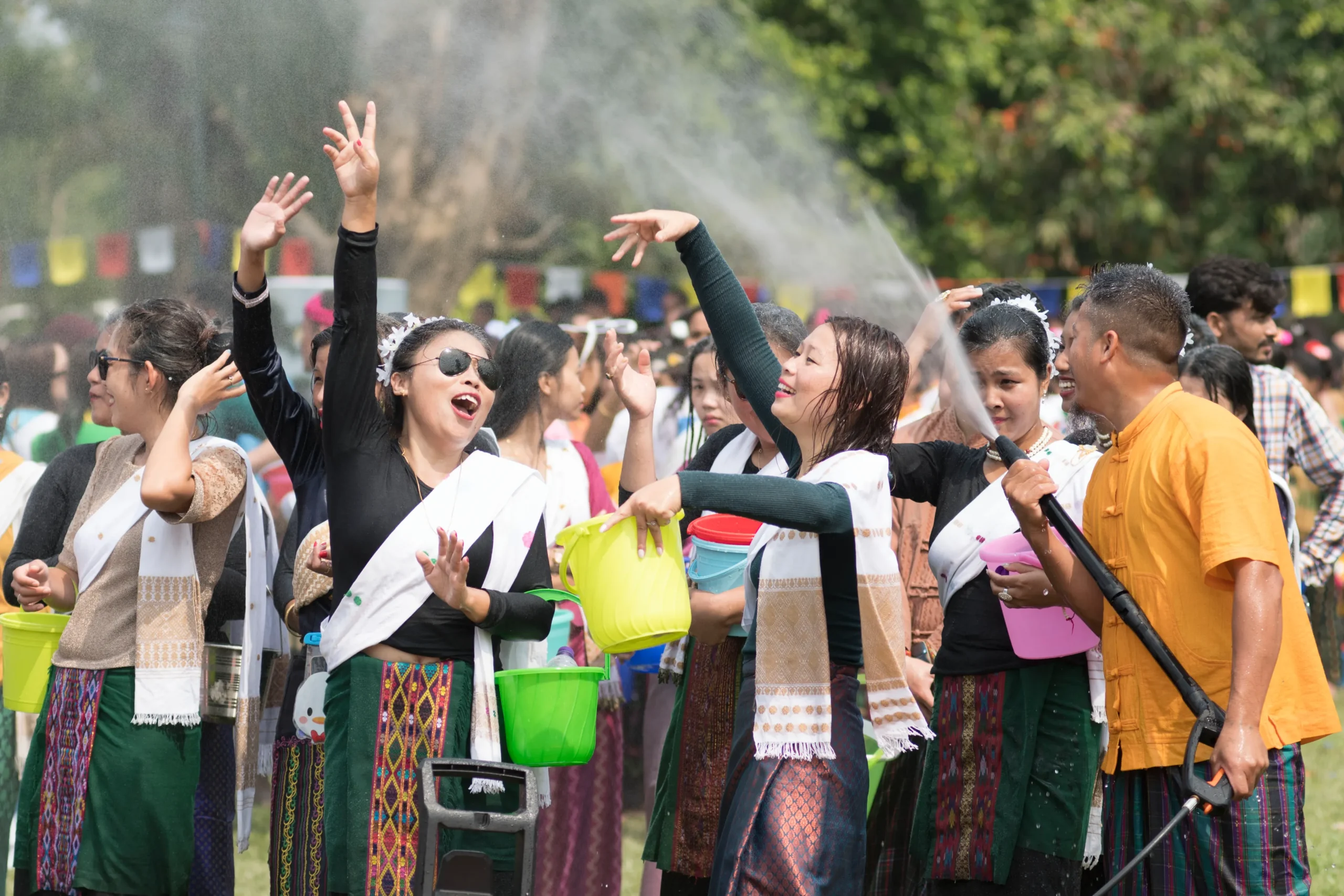
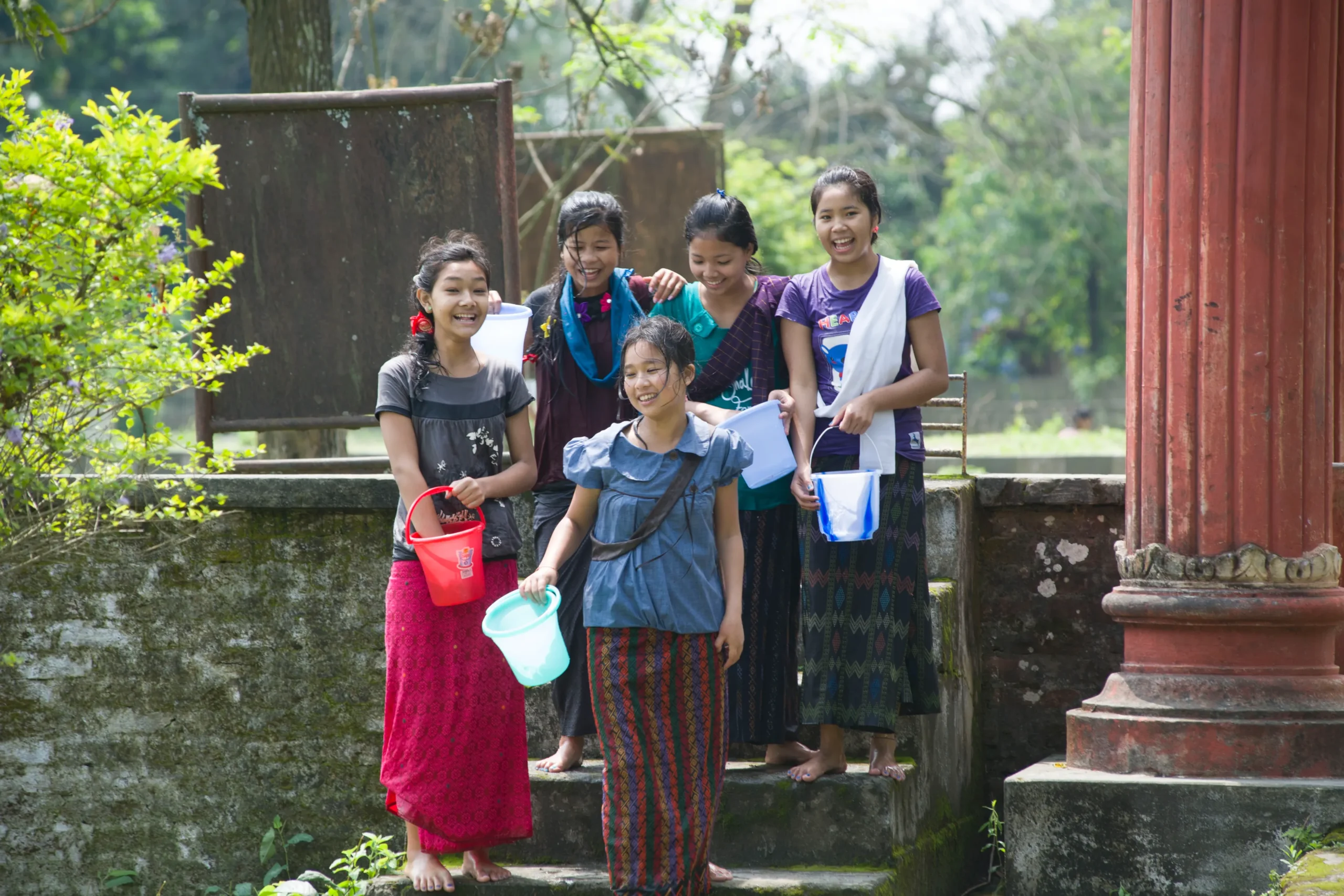
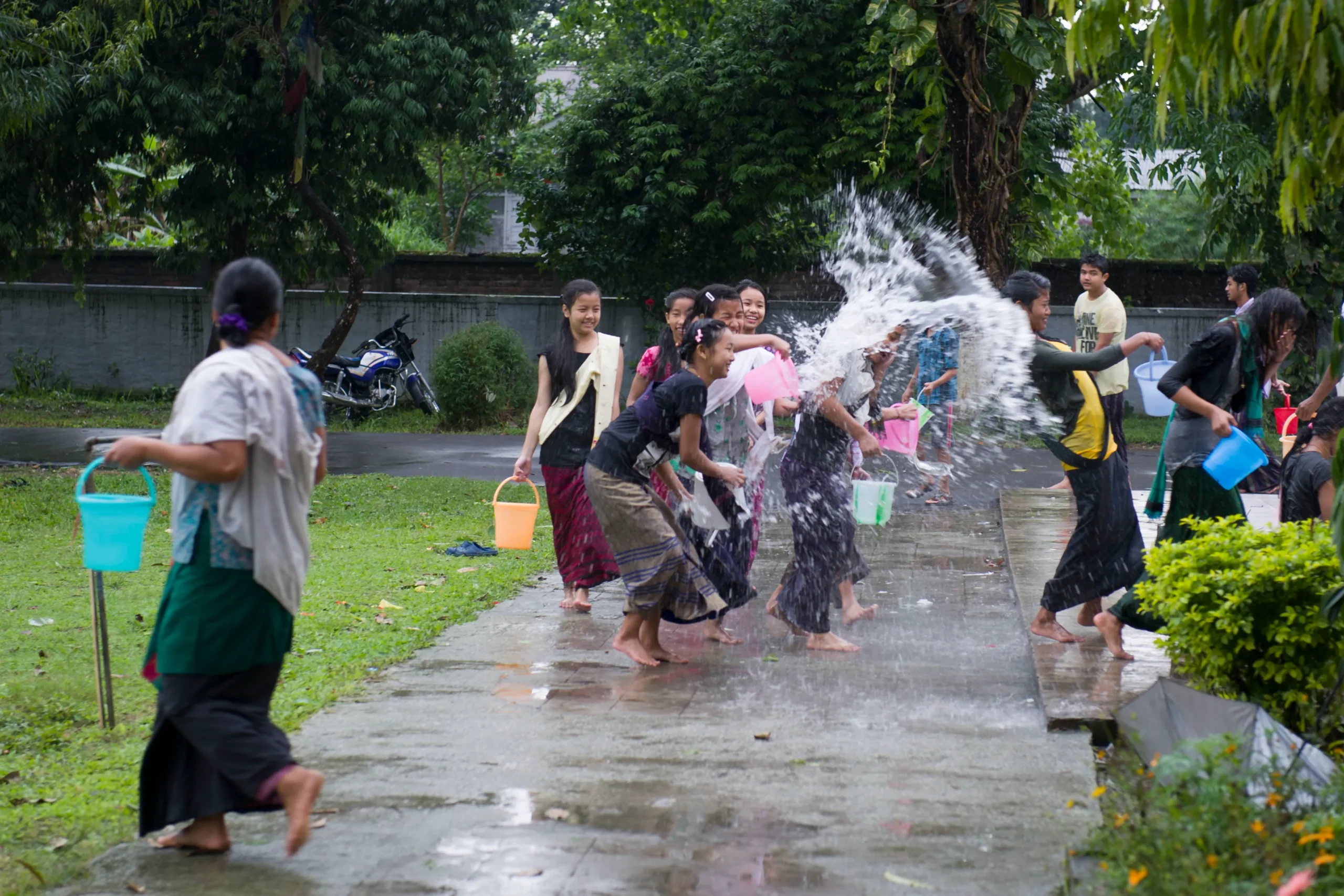
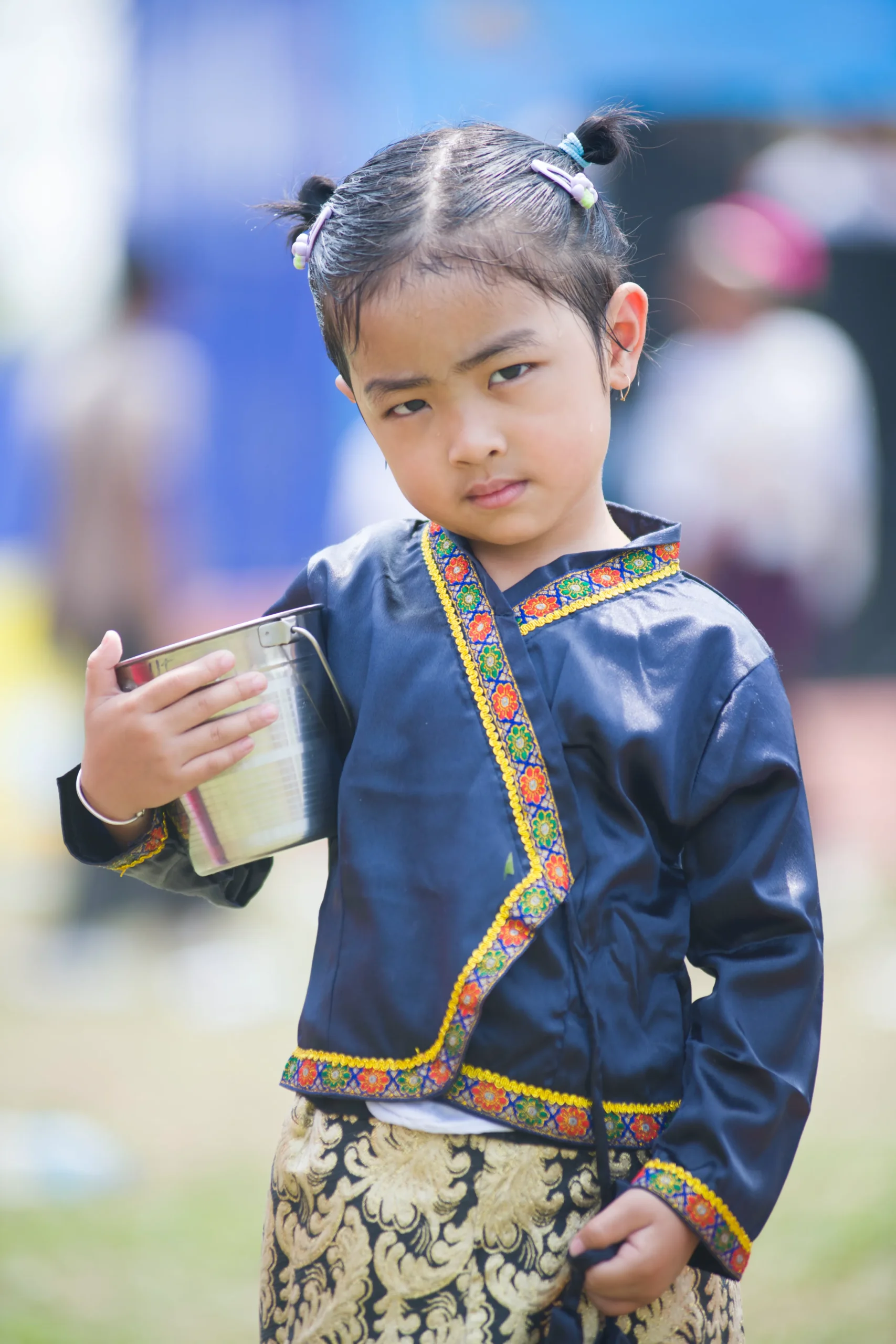
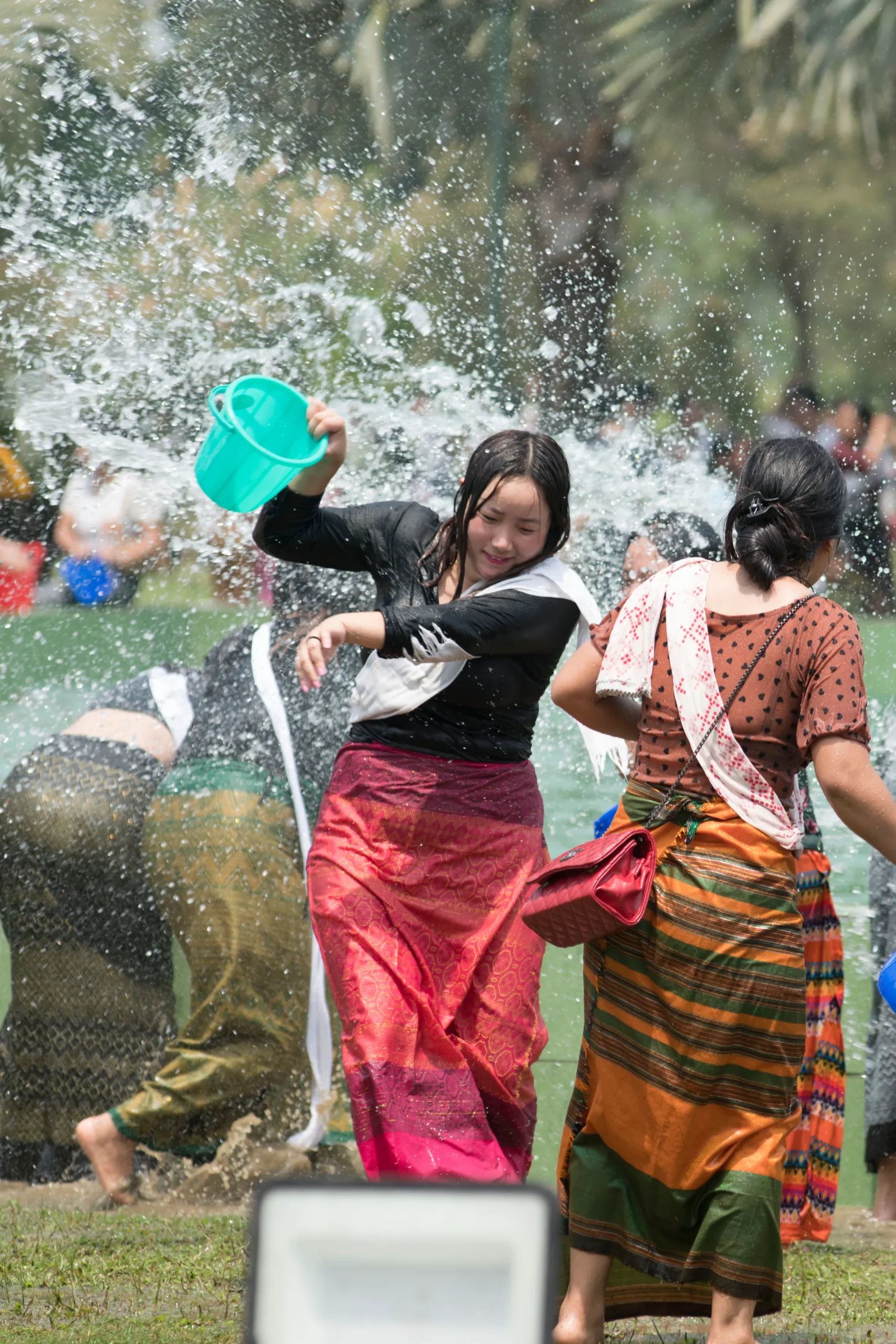
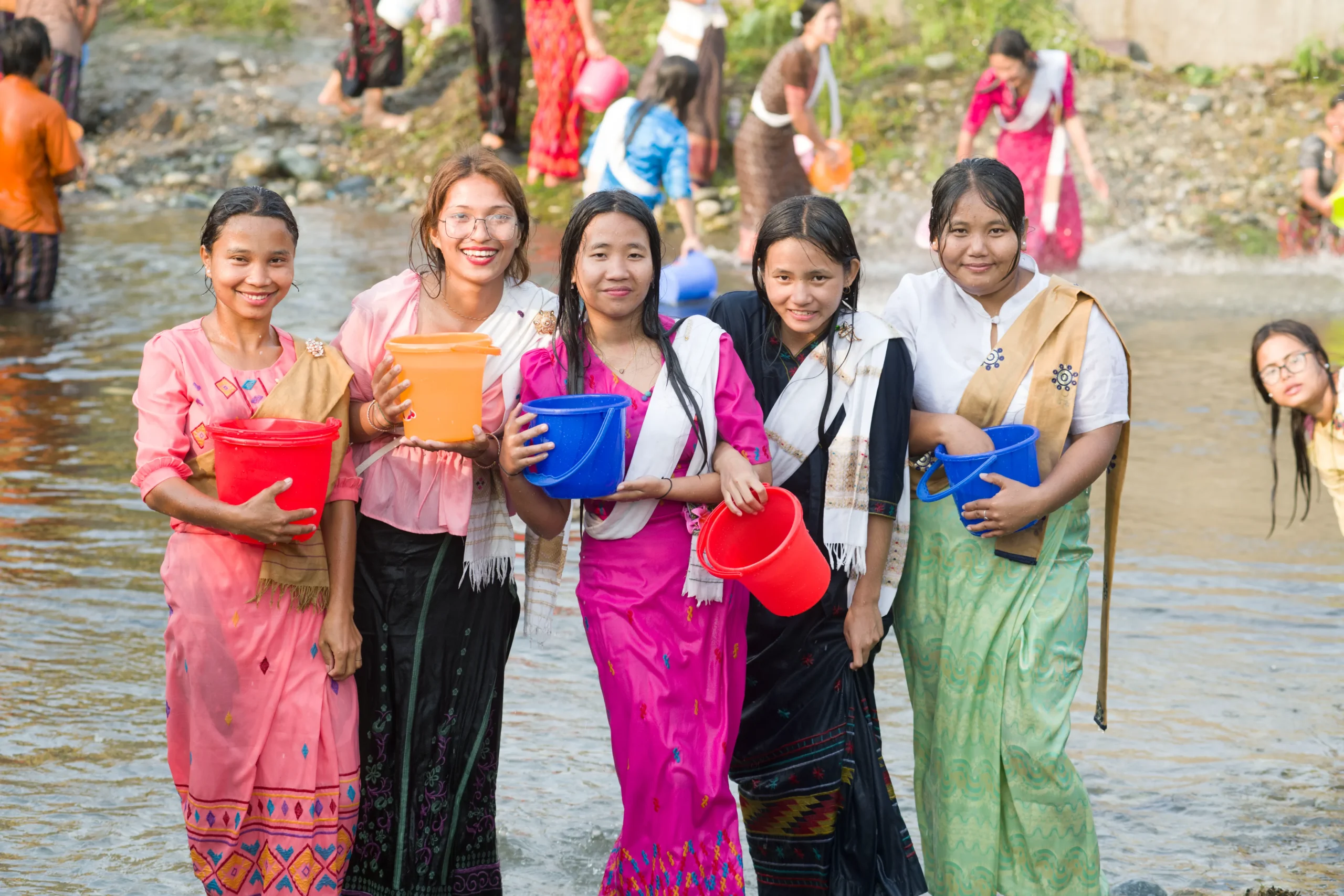
In modern times, Sangken has transformed into a joyful water festival. People of all ages can be seen gently pouring water on trees, plants, and each other. What began as a solemn ritual of purification has become a happy community event, where friendly splashes of water spread laughter, unity, and festive cheer.
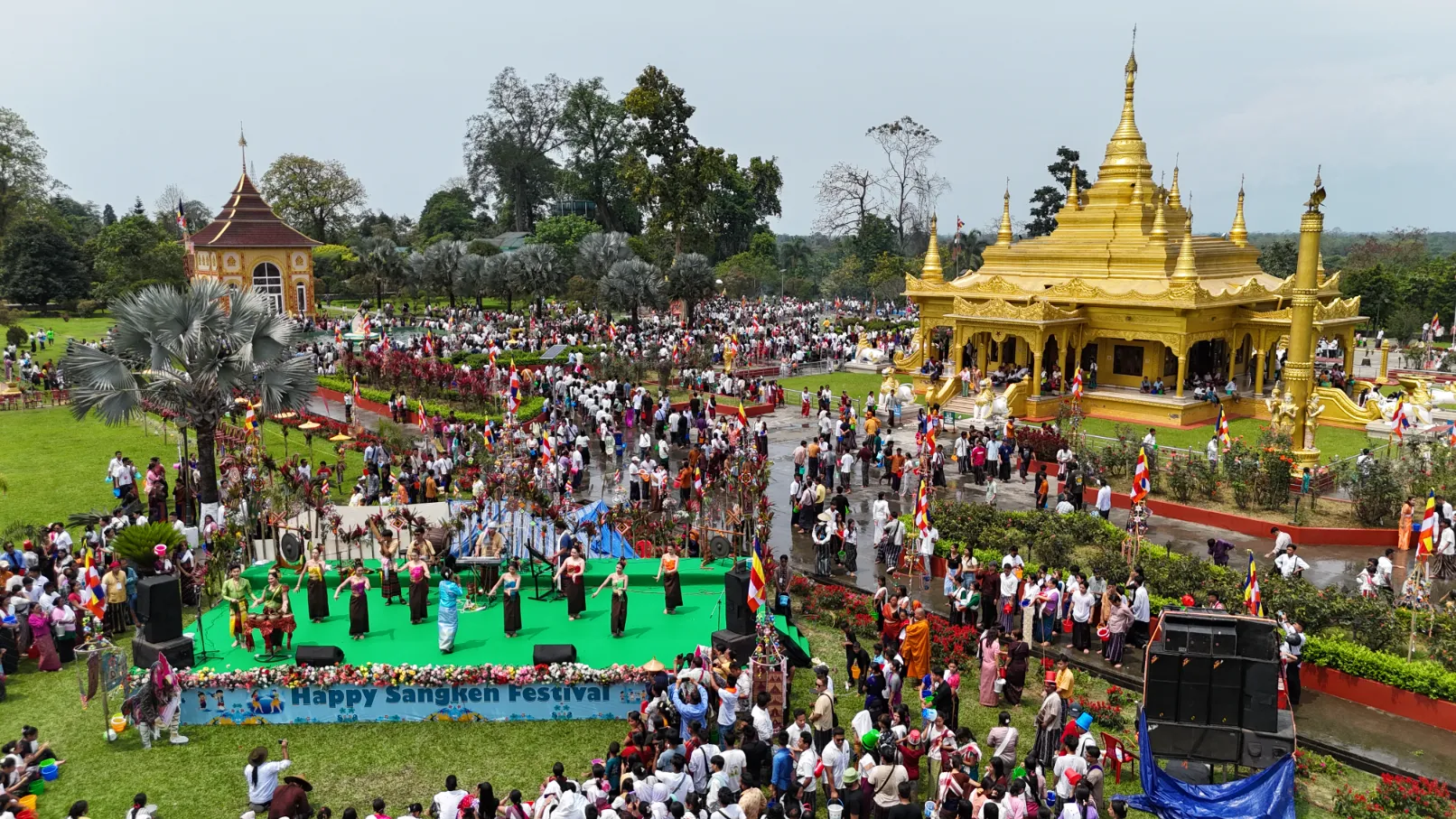
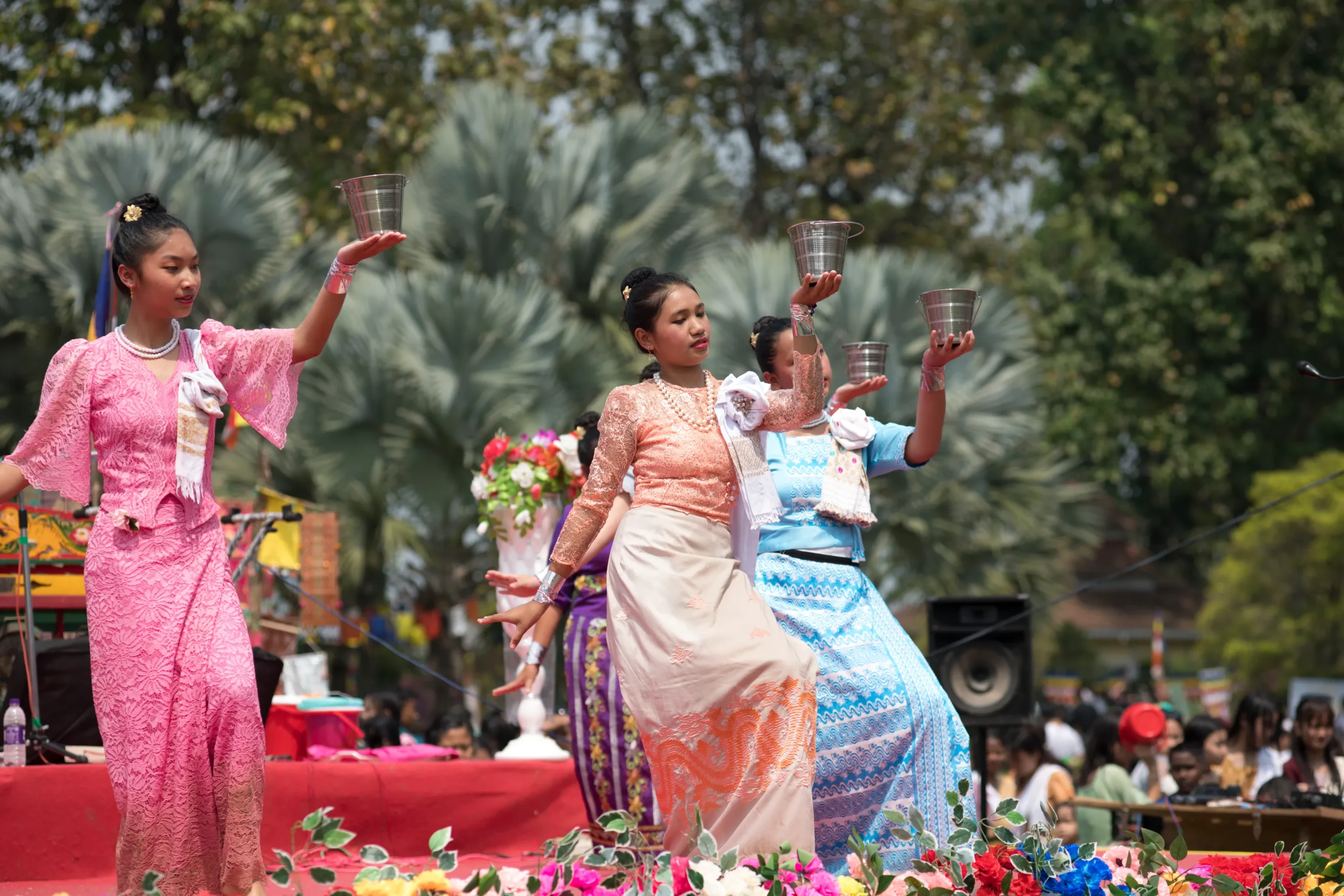
Throughout the celebration, the Golden Pagoda at Namsai becomes a vibrant cultural hub. The temple complex hosts a series of programs—traditional performances, folk dances, musical shows, food stalls, spiritual sessions, and more. Tai youth groups organize creative, theme-based activities, giving the festival a brilliant cultural and contemporary touch.
Sangken is not just a religious occasion—it’s a celebration of purification, harmony, and community bonding. It beautifully blends tradition with joyful modern expression, making it one of the most cherished festivals of Arunachal Pradesh.
Where to see Sangken Festival
The religious rituals of Sangken take place in Buddhist temples across every locality, but the Golden Pagoda at Namsai becomes the true cultural heart of the festival. The temple complex transforms into a vibrant celebration ground, hosting an array of traditional performances, folk dances, musical evenings, food stalls, spiritual sessions, and many other engaging activities. Energetic Tai youth groups add a contemporary flavour by curating creative, theme-based events, giving the festival a beautiful blend of culture, devotion, and modern expression.
Best season to visit
Escape to luxury in any season.
Namsai is among the most visited destinations in eastern Arunachal Pradesh, thanks to its excellent connectivity and well-maintained highways throughout the year.
Namsai comes alive during the Sangken festival—an ideal time to witness the beautifully decorated pagodas, cultural activities, and fun-filled programs. Whether for culture, cuisine, or comfort, Namsai promises a memorable experience in every season.
How to Reach Namsai
Namsai is just two hours from Dibrugarh Airport and about an hour from the Tinsukia railway station. It is also only a 30-minute drive from Tezu Airport, which offers regular connecting flights to Guwahati. It is also very well connected with quality highways to other cities of Arunachal.
Where to stay in Namsai
As a major tourist attraction, a growing educational hub, and the gateway to the districts of Anjaw and Lohit, Namsai offers plenty of options for comfortable stays and great food. The town has a wide range of accommodation—from budget hotels to premium star-category properties, along with beautiful resorts and homestays. Namsai is often regarded as one of the best hospitality destinations in Northeast India, known for its warmth, cleanliness, and guest-friendly services.