Jairampur
A saga of grit & determination
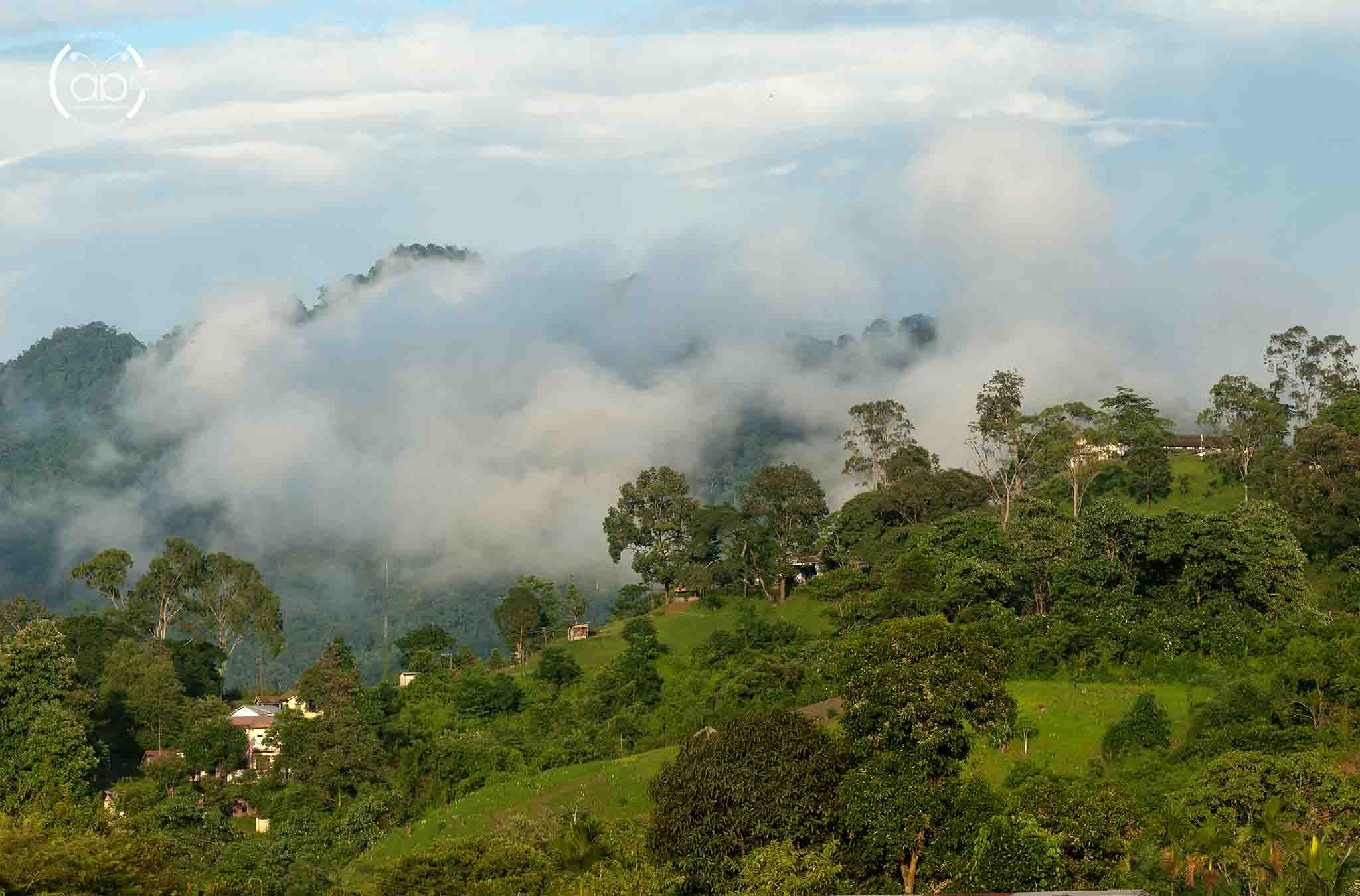
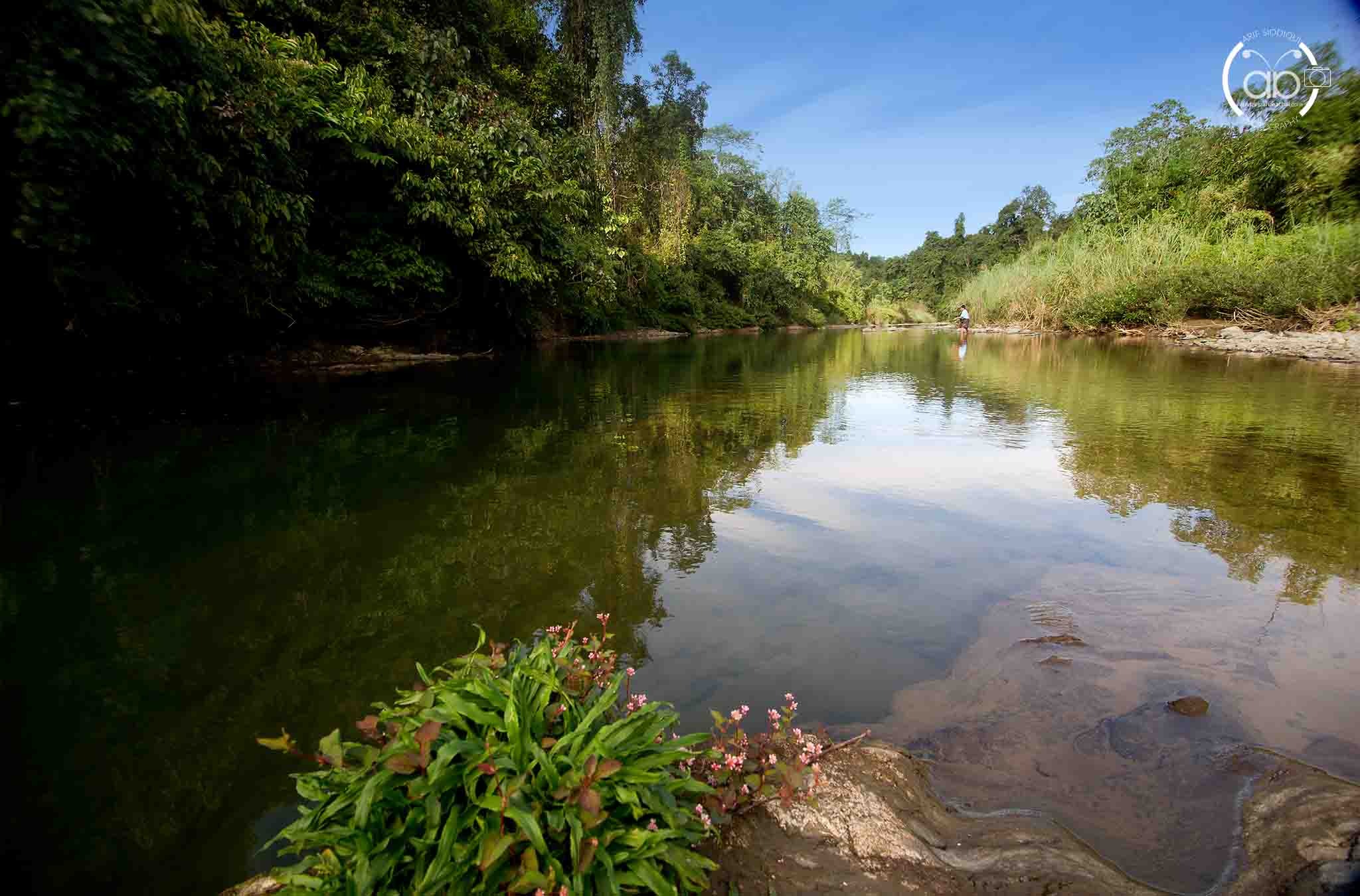
The landscape around Jairampur looks almost dreamlike—billowing clouds glide over deep-blue mountains, touching the peaks before disappearing into soft curtains of fog. The chilled mountain breeze brushes across the skin, clearing the mind and refreshing the soul. In moments like these, the heart cannot help but surrender to the beauty and serenity of this land.
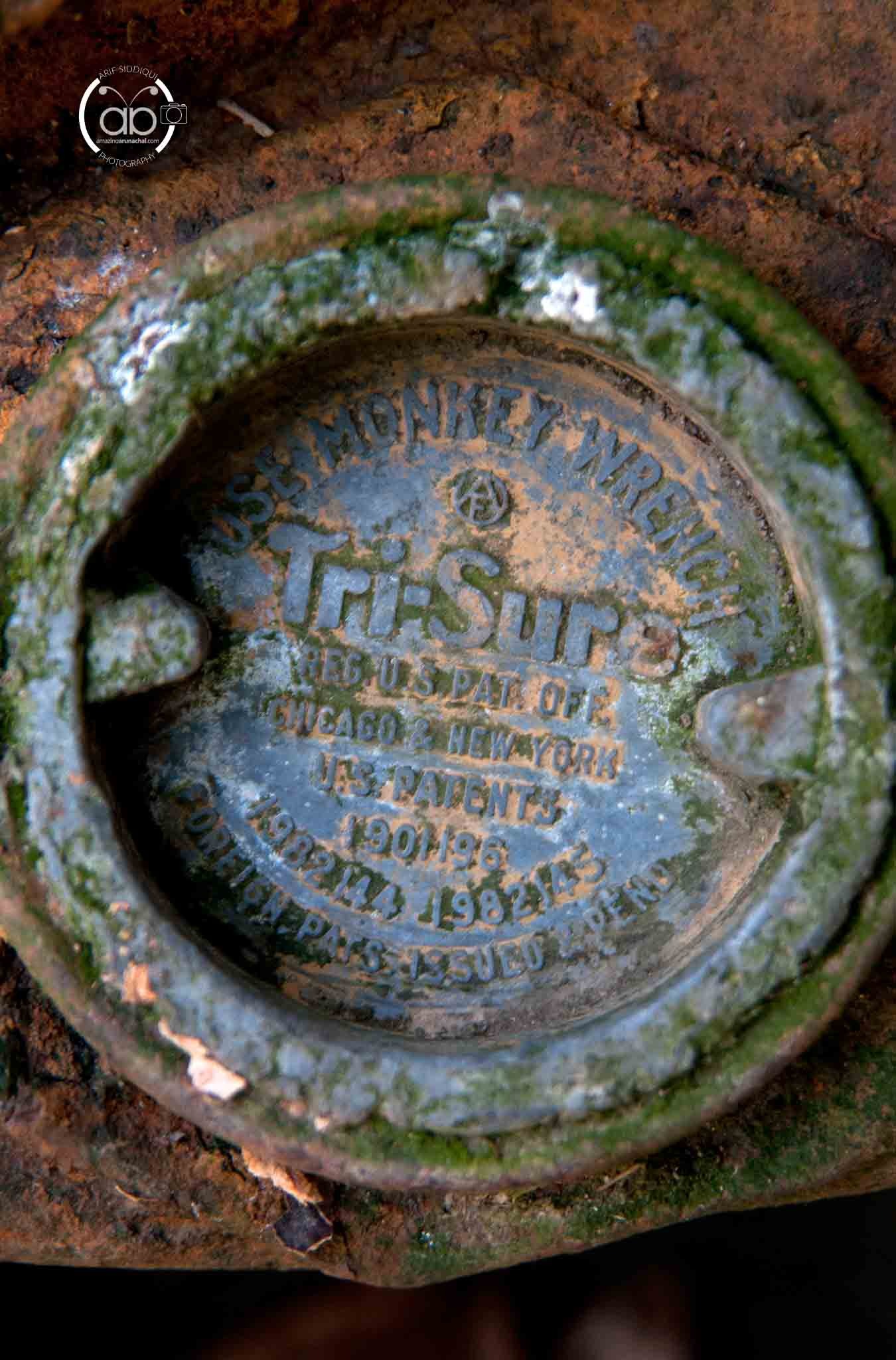
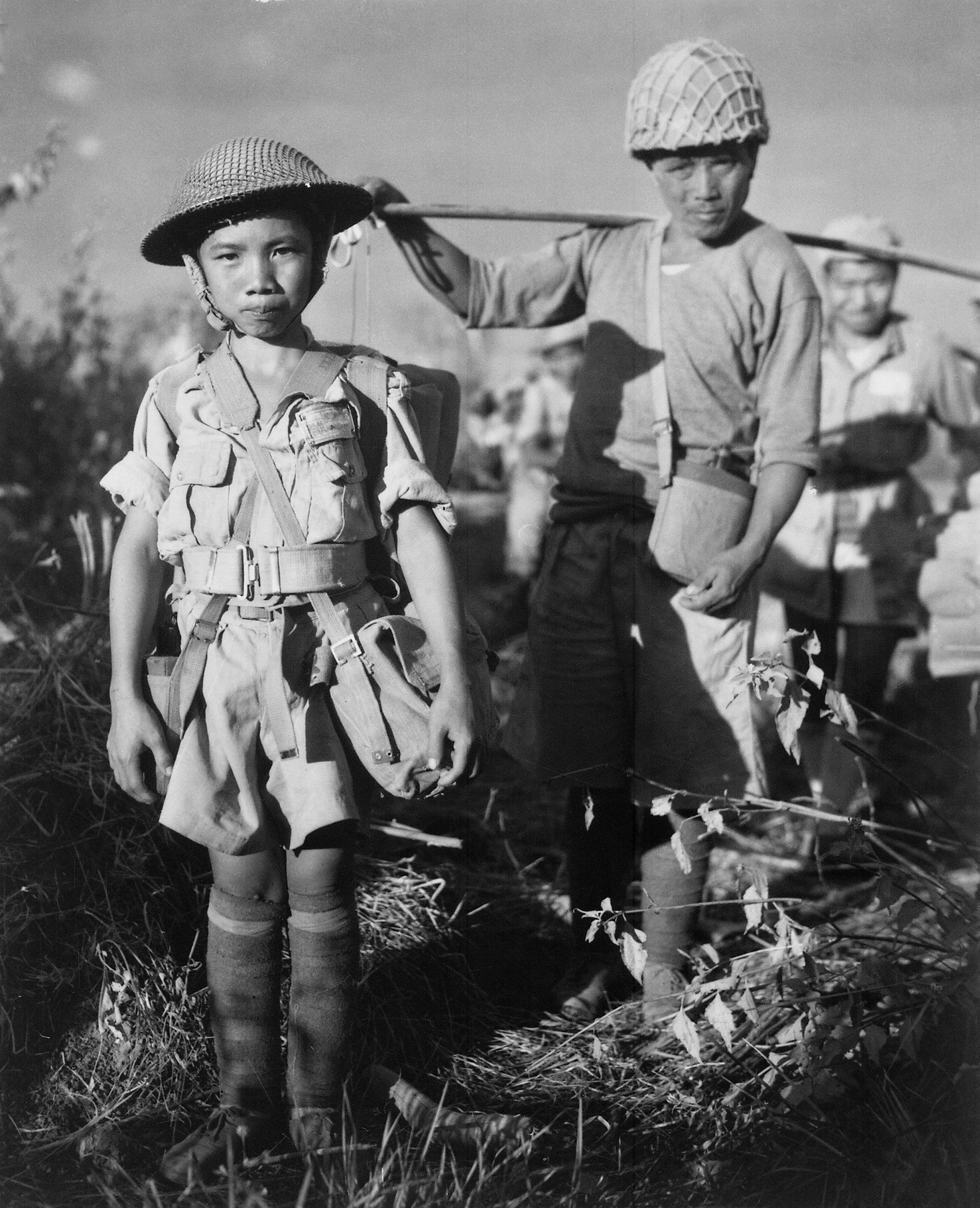
Yet, Jairampur and its neighbouring town, Nampong, are more than just beautiful destinations—they are historically significant. During World War II, this region became the route of the legendary Stilwell Road (also known as the Ledo Road), built by the Allied forces to connect India with China through the dense jungles and treacherous hills of Assam, Arunachal Pradesh and Myanmar. Construction began in 1942, and despite facing unforgiving terrain, disease, and enemy threats, thousands of soldiers and local labourers carved a 1,000-mile lifeline from Ledo (Assam) to Kunming (China). The first supply convoy successfully reached China in early 1945, marking one of history’s most challenging road-building achievements. Though the war neared its end, the road stands as a tribute to those who braved hardship and sacrificed their lives.
Traces of World War II
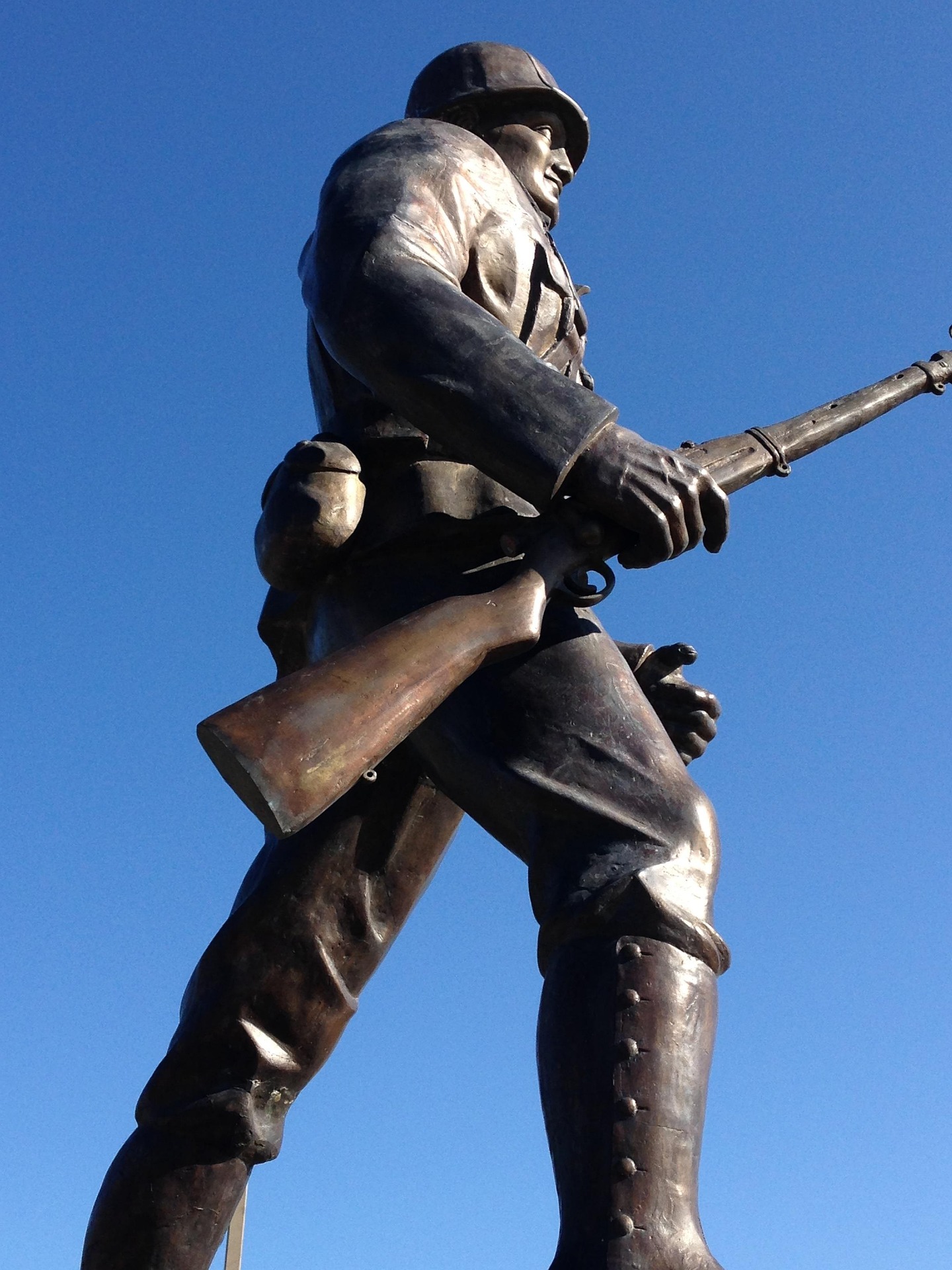
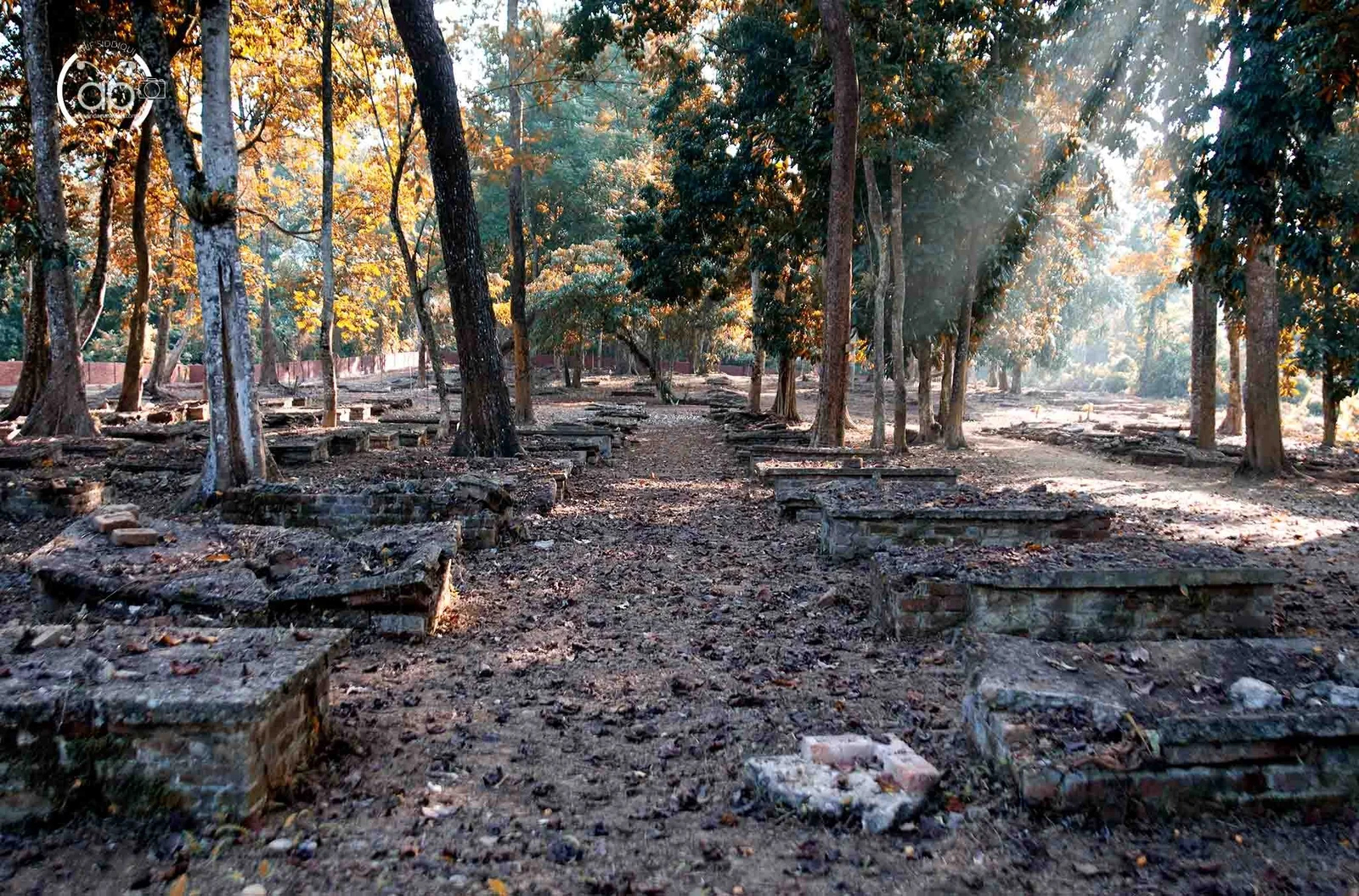
Today, Jairampur and Nampong proudly preserve this legacy. Jairampur houses a World War II Cemetery where graves of Chinese, Indian, American and Kachin soldiers and labourers remain—quietly telling stories of bravery. Nampong is the last major Indian town before the Myanmar border, just a short drive from Pangsau Pass, a historic trade route and wartime crossing point. Modern travellers still follow the traces of the Stilwell Road here, and the Pangsau Pass International Festival celebrates the shared culture of local tribes, trade heritage and cross-border history.
For visitors, these small hamlets are not only scenic escapes but also open-air museums of courage, endurance and the spirit of friendship between nations.
Why the Stilwell Road Was Important
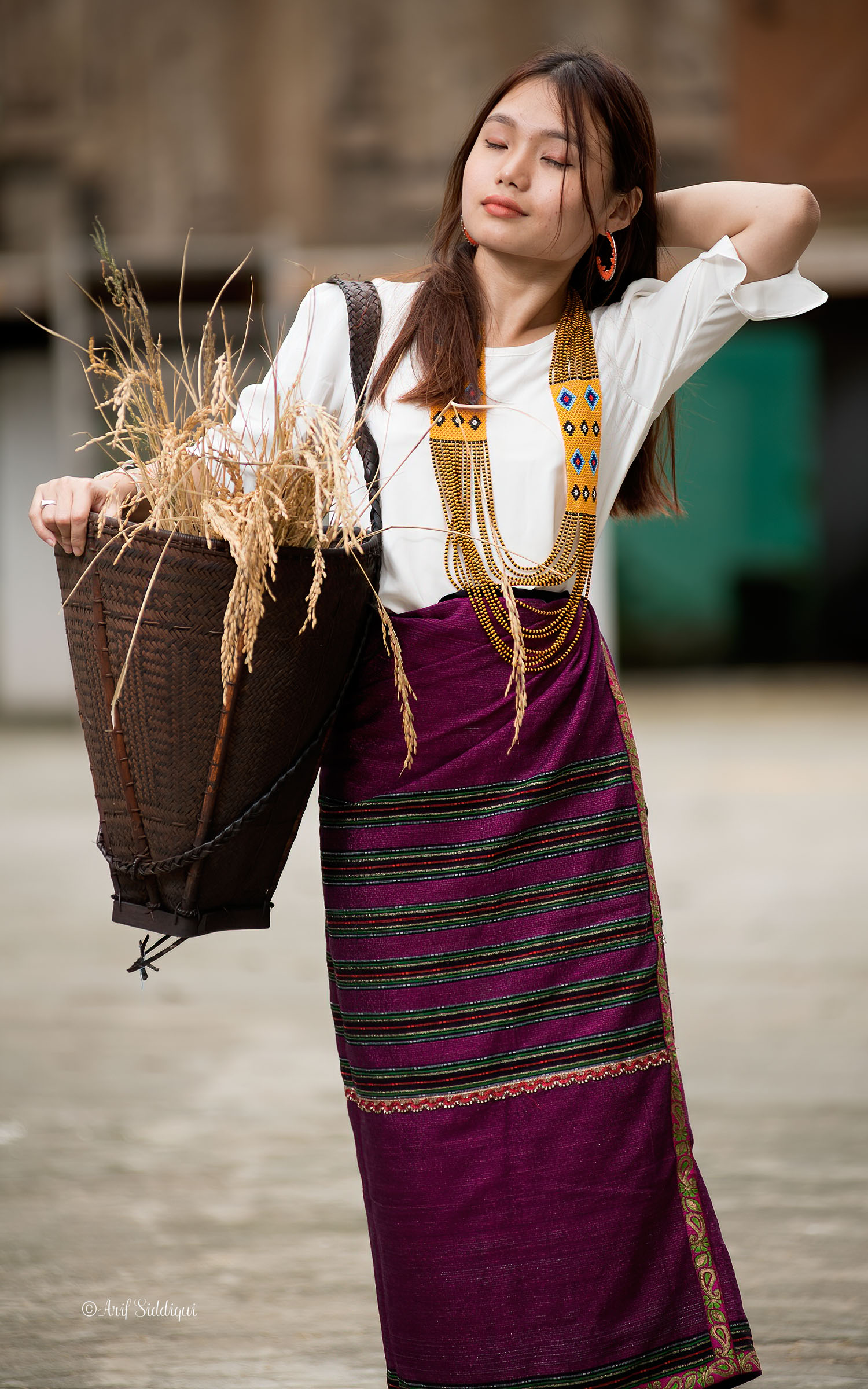
The Stilwell Road (Ledo Road) was one of the most difficult engineering projects of World War II. Built through dense jungles, steep mountains and harsh weather, it allowed the Allied Forces to transport food, fuel and military supplies from India to China after the Japanese blocked the Burma Road. Stretching nearly 1,000 miles from Ledo (Assam) to Kunming (China), it played a crucial role in keeping China supplied during the war. Even today, the road is remembered as a symbol of human resilience and international cooperation.
Jairampur World War II Cemetery
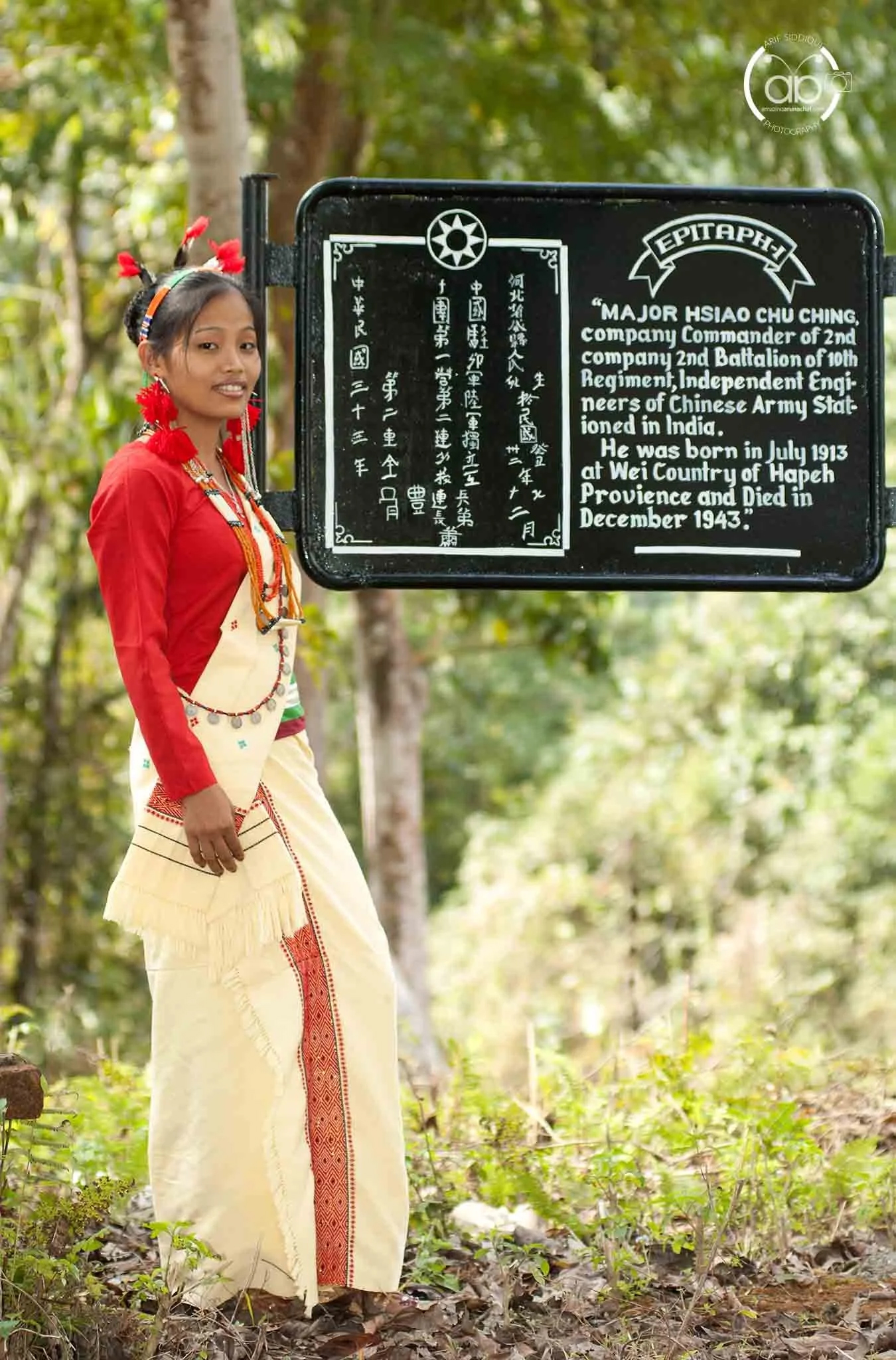
Jairampur is home to one of the rare World War II cemeteries in Northeast India. Here rest the soldiers, labourers and engineers—Indians, Americans, Chinese and Kachins—who lost their lives during the construction of the Stilwell Road. The cemetery, silent and surrounded by forests, is a moving reminder of the sacrifices made for a greater cause. Many travellers visit it to pay respect and learn about a part of history that is often forgotten.
Nampong & Pangsau Pass
Nampong is the last Indian town on the Stilwell Road before the Myanmar border. Just a short drive ahead lies Pangsau Pass, once a crucial wartime route and an old trading path between India and Myanmar. The region still carries traces of military camps, bunkers and original road alignments.
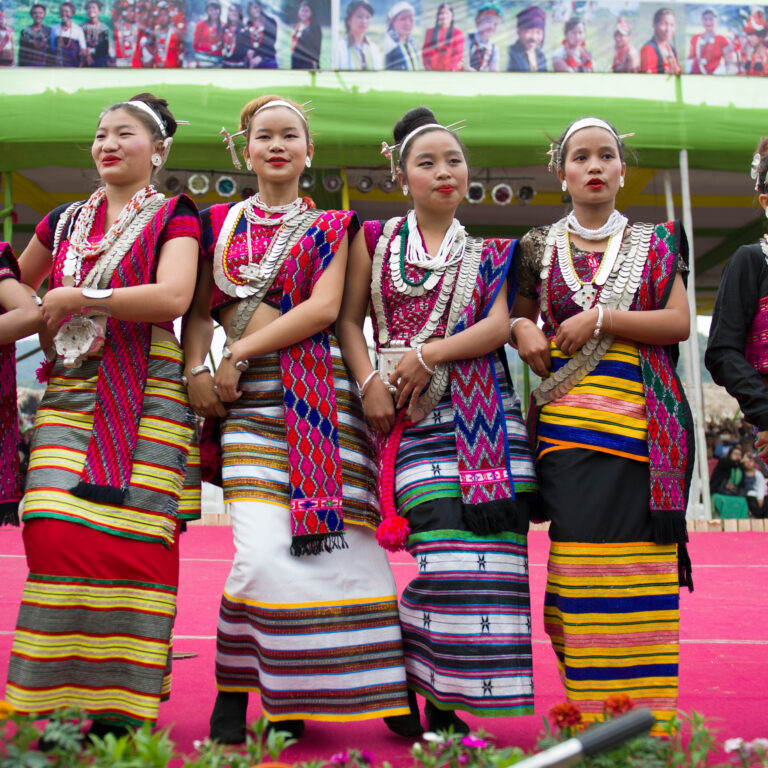
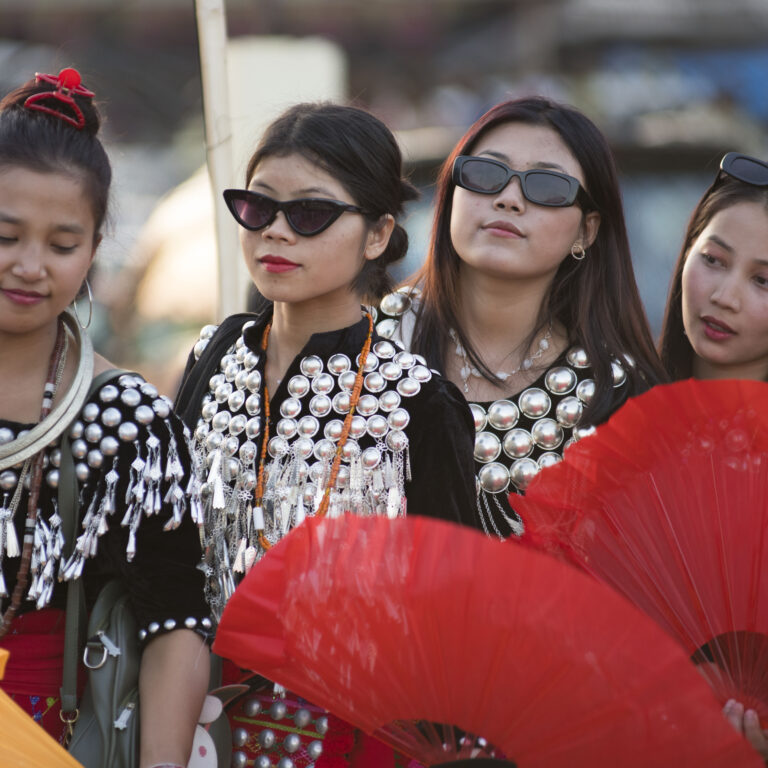
Every January, the Pangsau Pass Winter Festival brings life to the valley with traditional dances, handicrafts, music, and participation from local tribes of Arunachal Pradesh and communities from across the Myanmar border. It celebrates friendship, trade history and cultural harmony.
Local Tribes & Culture
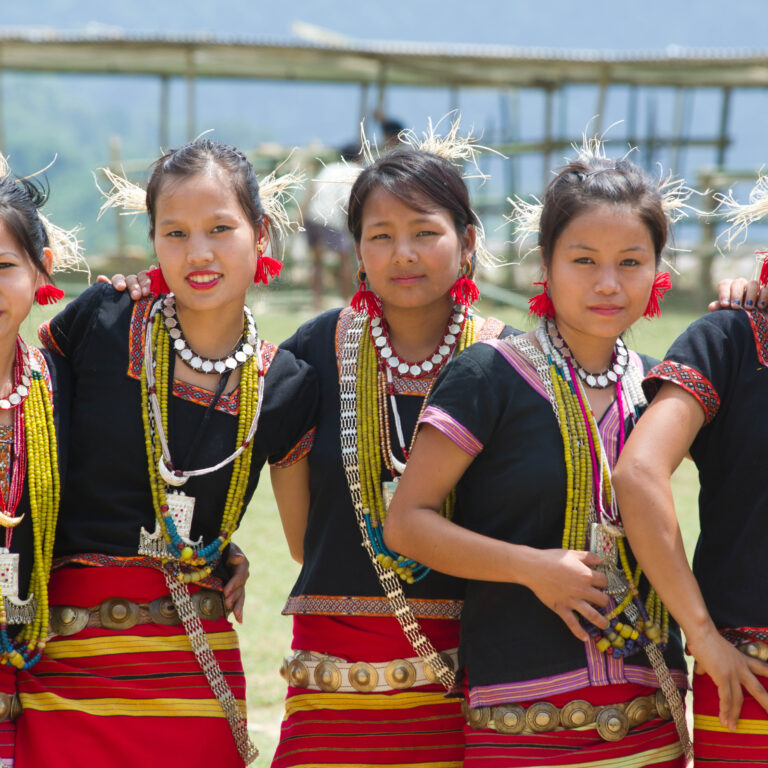
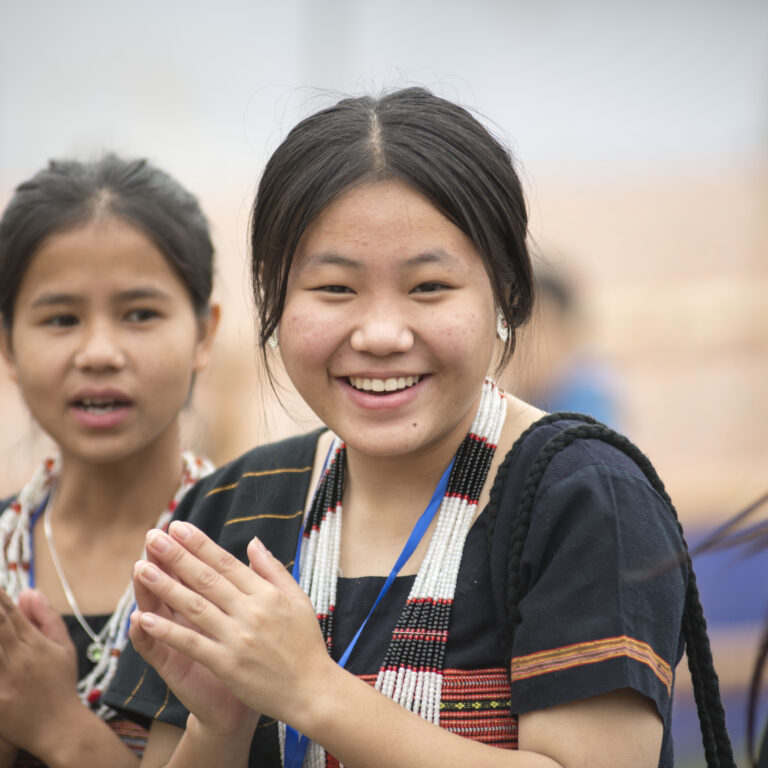
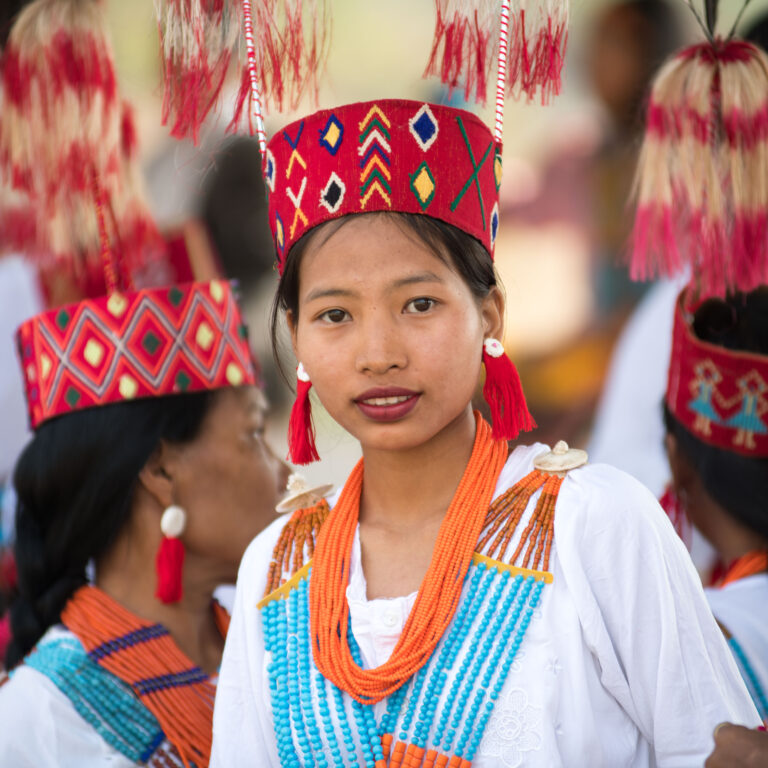
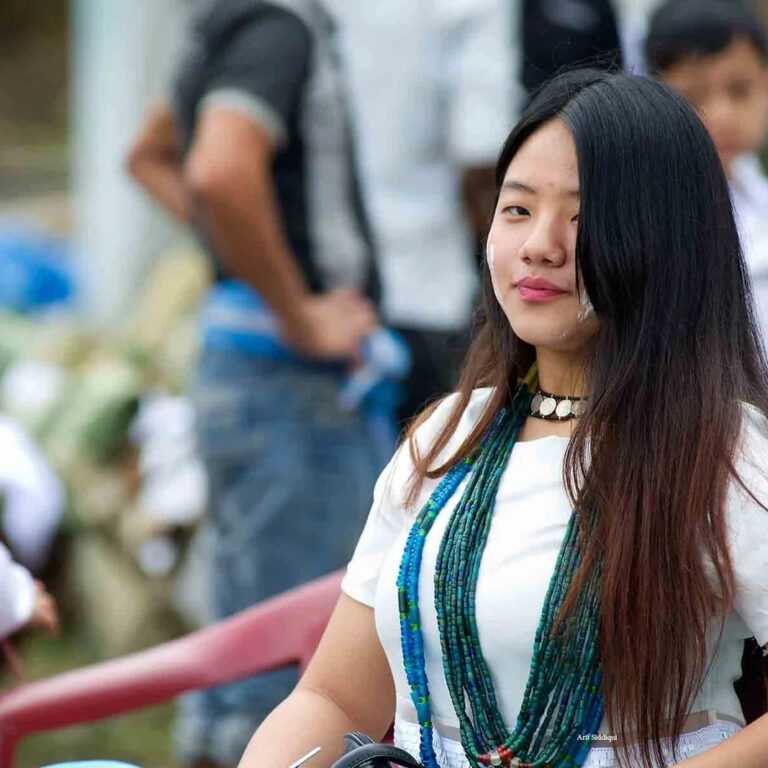
Jairampur and Nampong are home to vibrant tribal community, the Tangsa, known for its rich heritage, weaving, simplicity, festivals and warm hospitality. Visitors can experience traditional lifestyles, taste local cuisine, witness dances and music, and learn about ancient customs that still live strong in the hills.
What to See in Jairampur
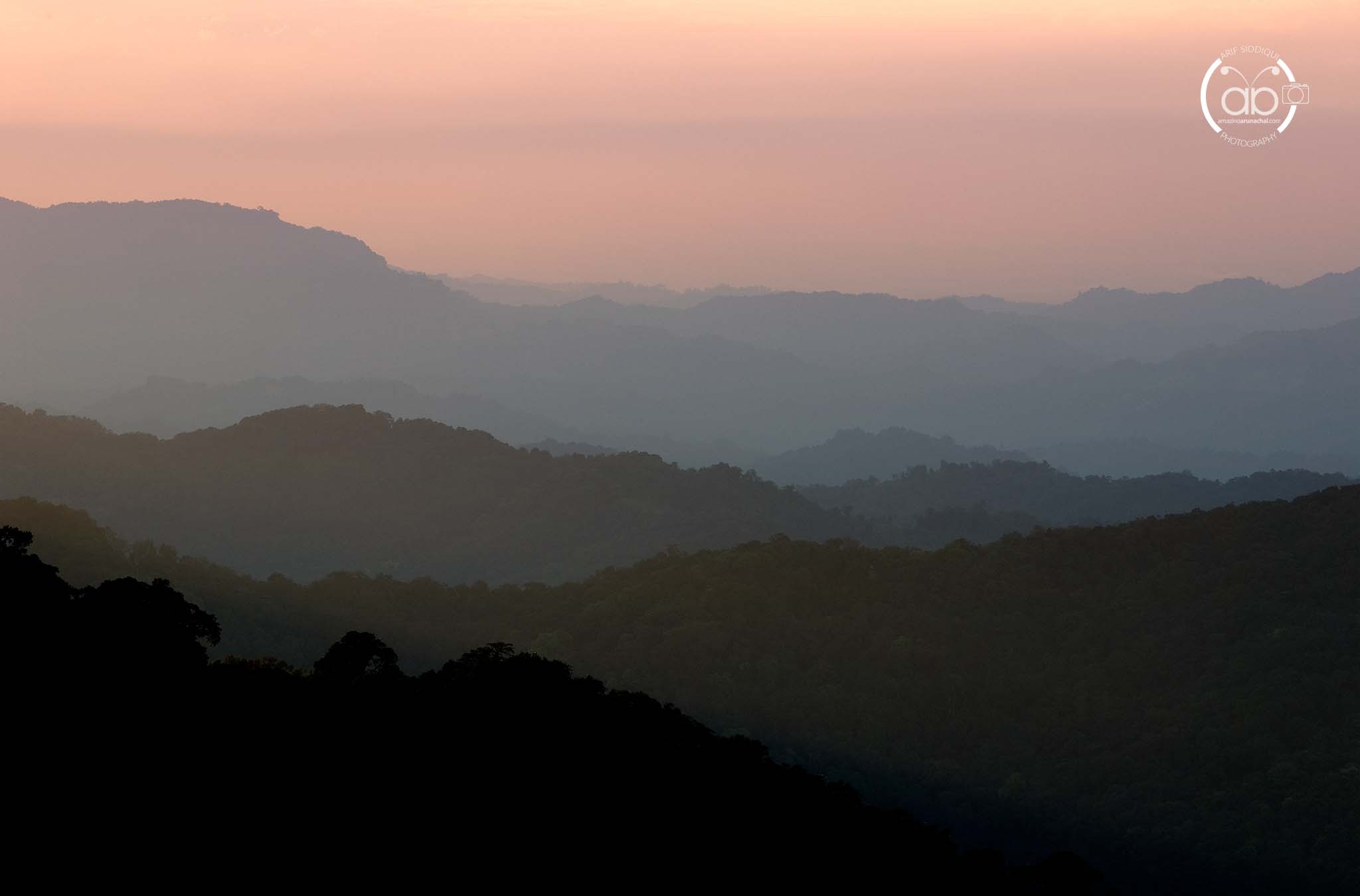
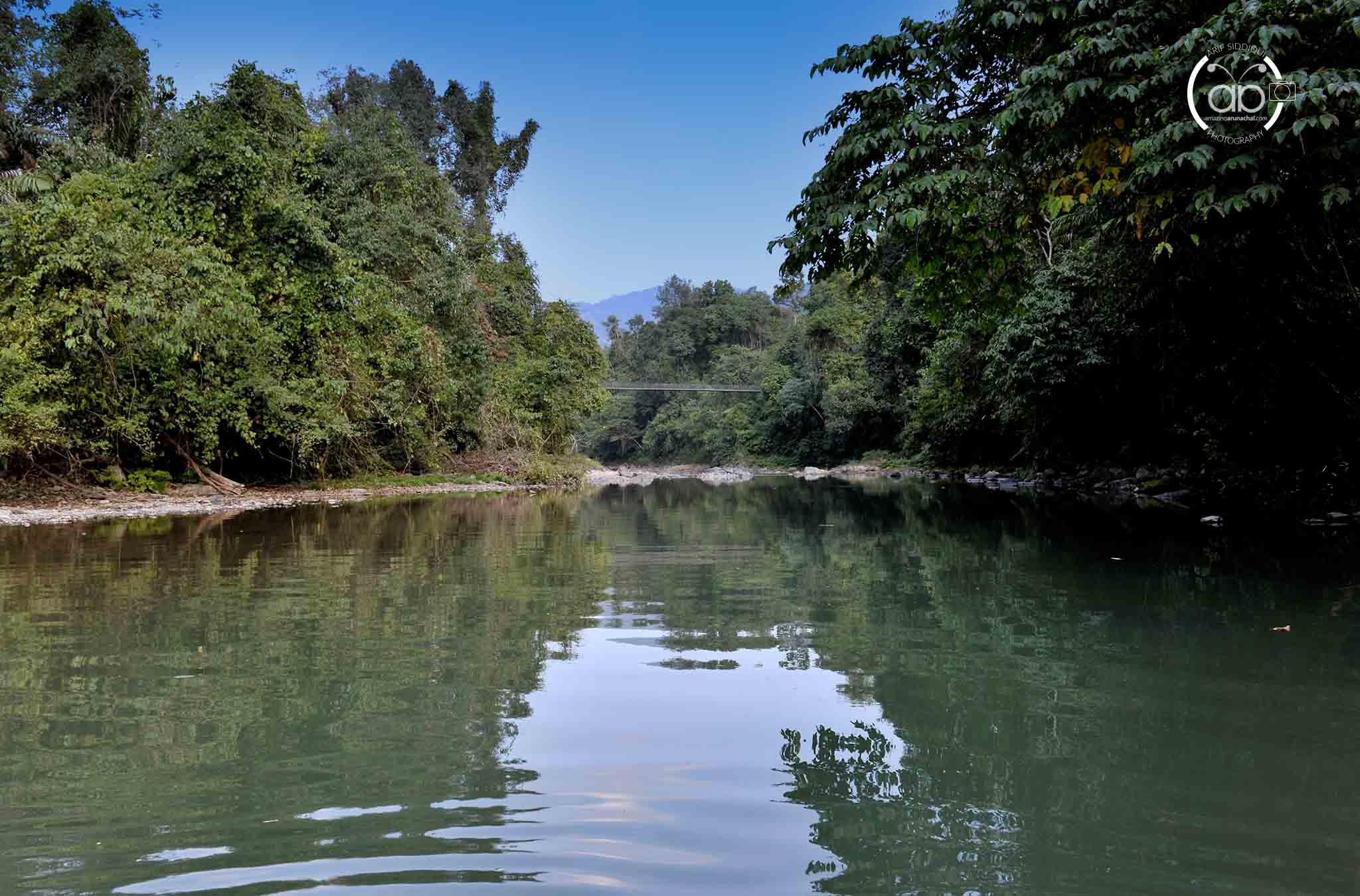
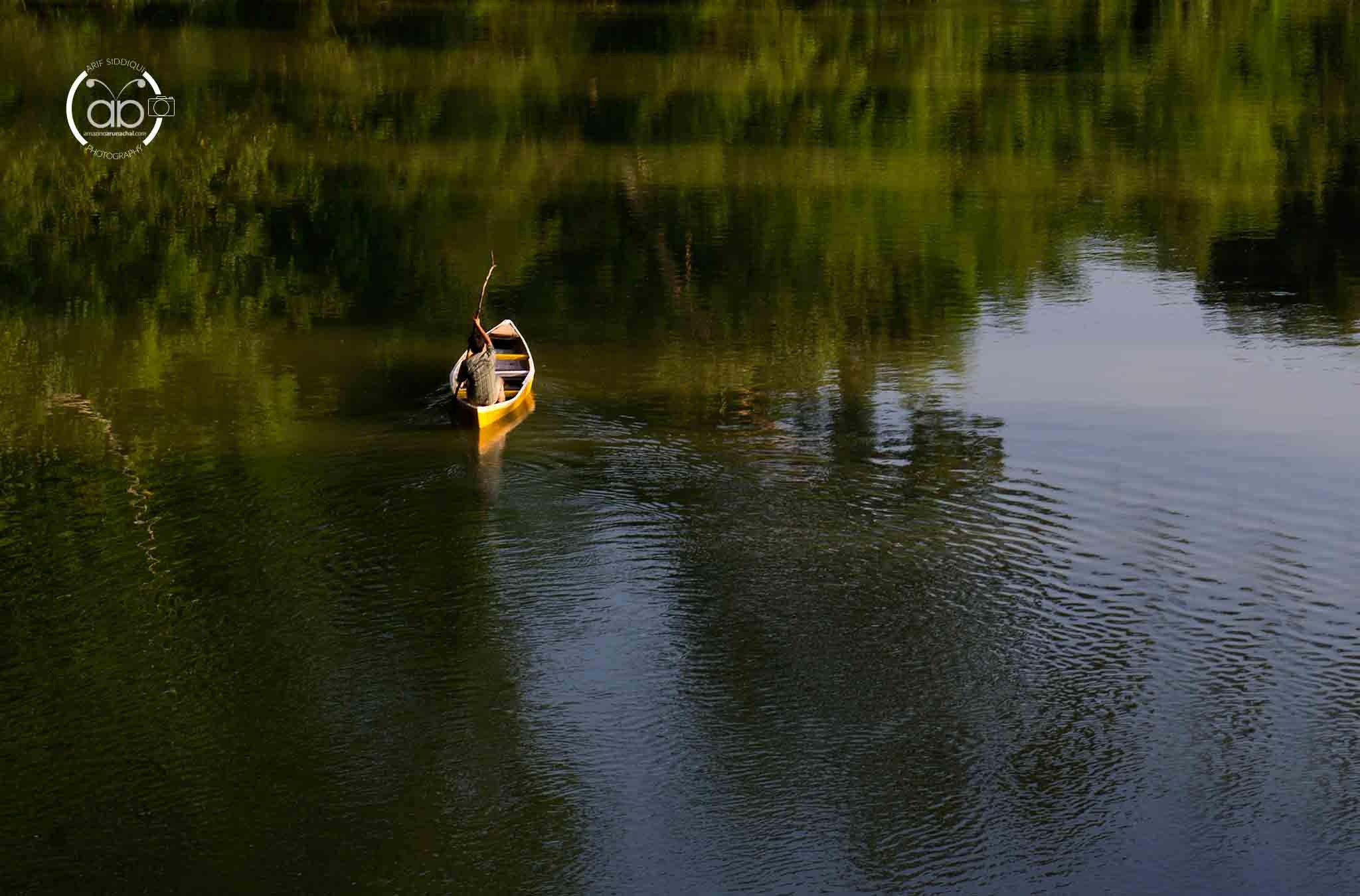
Jairampur, a charming and historically rich town, offers several must-visit landmarks. Explore the World War II Cemetery, a solemn tribute to soldiers and labourers who built the legendary Stilwell Road. Visit Pangsau Pass, a historic trade and wartime route, and the nearby Border City of Nampong, the last Indian town before Myanmar. With proper administrative permissions, travellers can also witness the mysterious Lake of No Return, steeped in history and local folklore.
For nature enthusiasts, a detour to the Namdapha Tiger Reserve in Miao is highly recommended. This biodiversity hotspot is home to tigers, leopards, elephants, hornbills, and rare primates, offering an unforgettable wildlife experience that complements the historical exploration of Jairampur.
How to Reach Jairampur
Jairampur is one of the most accessible towns in Arunachal Pradesh, well-connected by highways from Tinsukia and Dibrugarh. The nearest airport is Dibrugarh Airport, and the nearest railway station is Tinsukia Junction. Taxis and shared cabs are available round the clock to reach neighbouring towns in Assam or for local sightseeing.
Where to Stay
Accommodation options include the Jairampur Tourist Lodge (JTL), a few resorts, and homestays in nearby Nampong and Manmao, offering comfortable and scenic stays for travellers.
Rawung Home Stay Manmao
Call +91 873 1978840
Best Season to Visit
Jairampur can be visited throughout the year. Winters are ideal for exploring historical sites and Pangsau Pass during Pangsau Pass International Festival. Wildlife enthusiasts may prefer the post-monsoon season for trekking and spotting animals in the Namdapha Tiger Reserve.