Longding
Land of Woven Colors and Warrior Legends
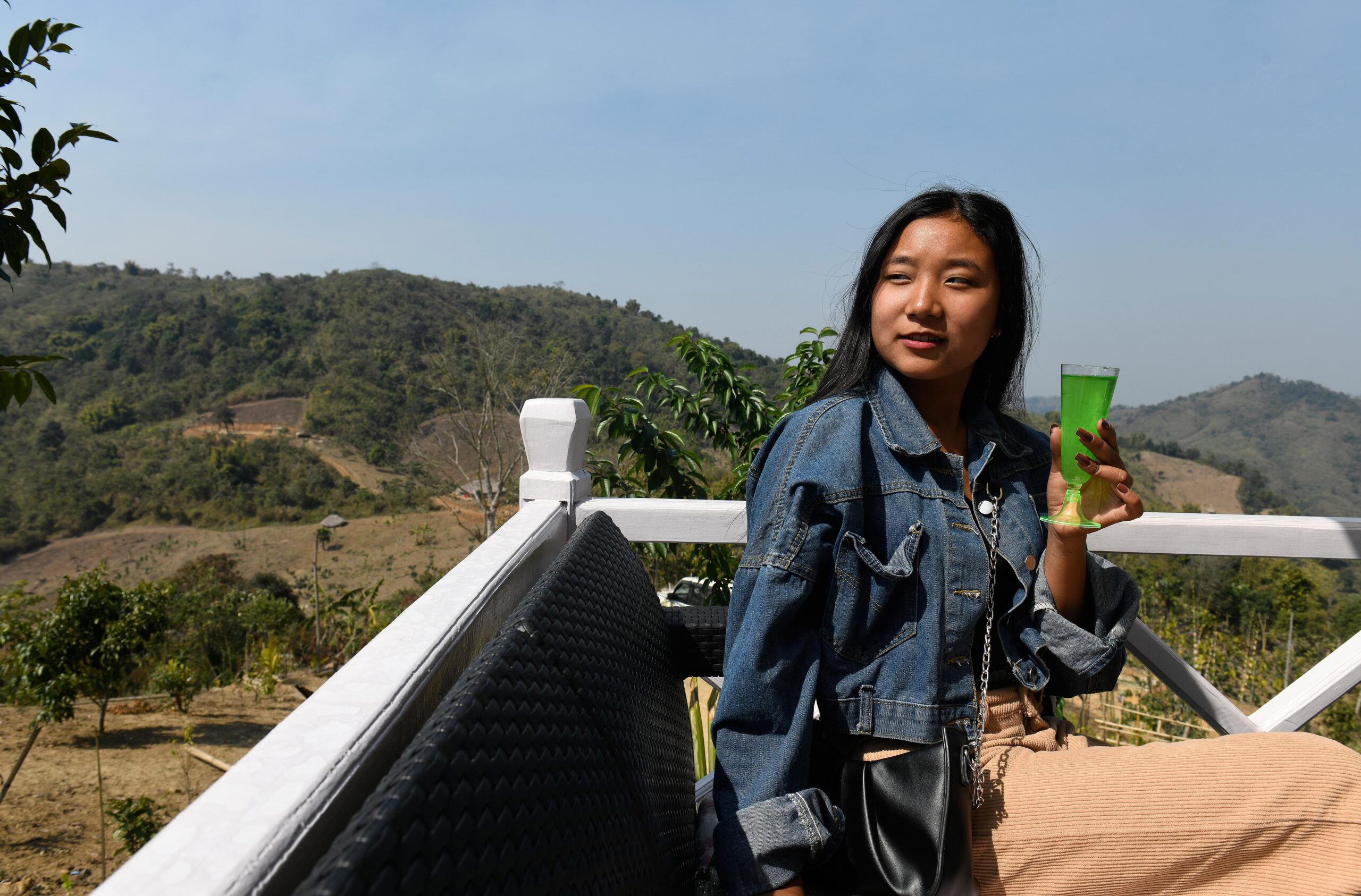
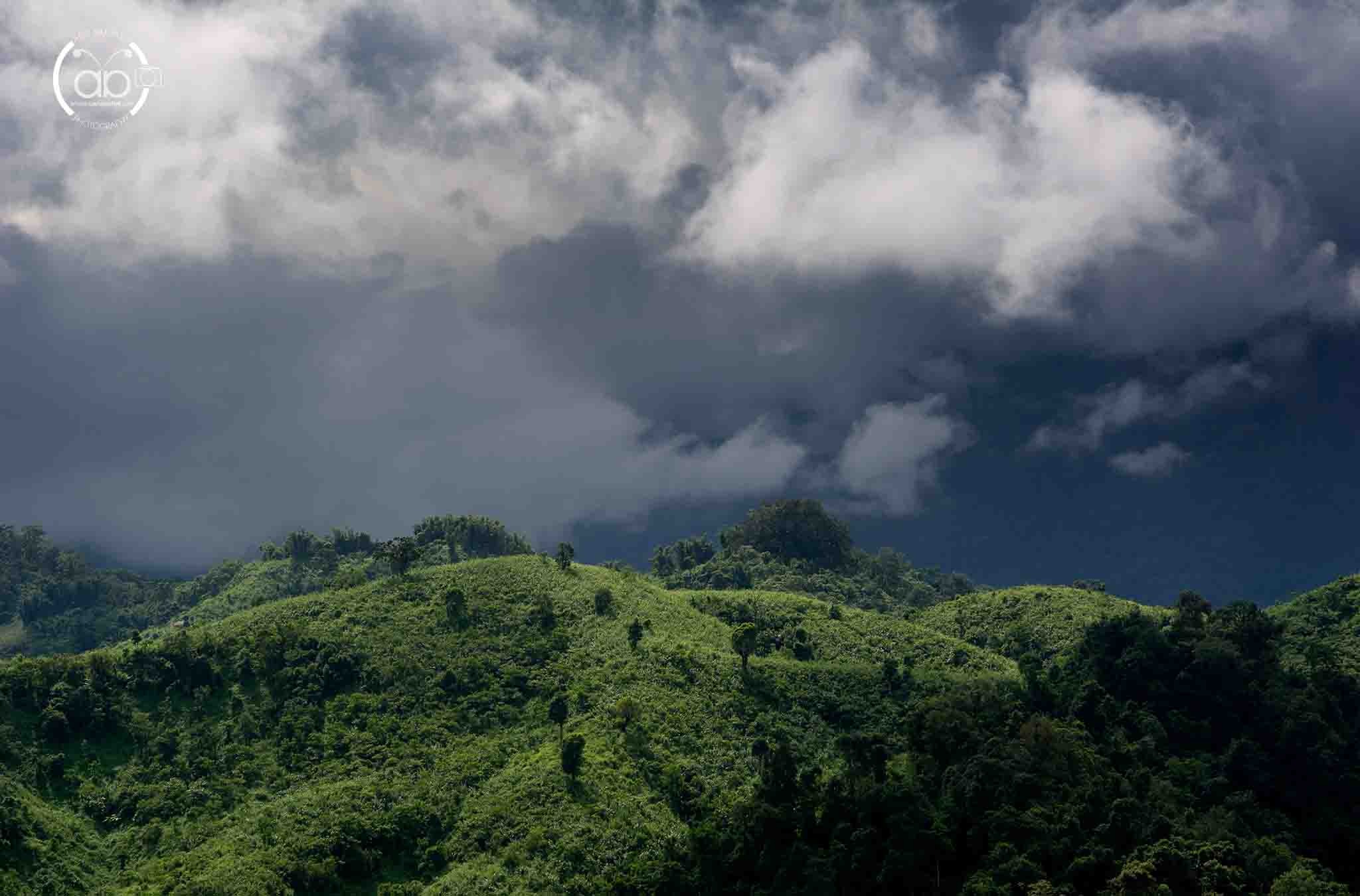
Longding, a serene frontier town in Arunachal Pradesh, has recently been included in the state’s official tourist circuit. Tucked amid gentle hills and lush greenery, Longding may not have grand monuments or major landmarks to showcase, but its charm lies in its calm landscapes and authentic countryside life. The rolling hills, fresh air, and warm hospitality create a peaceful escape for travelers who wish to explore lesser-known corners of the state. The people of Longding are known for their great sense of humour and cheerful nature, making every visitor feel welcomed.
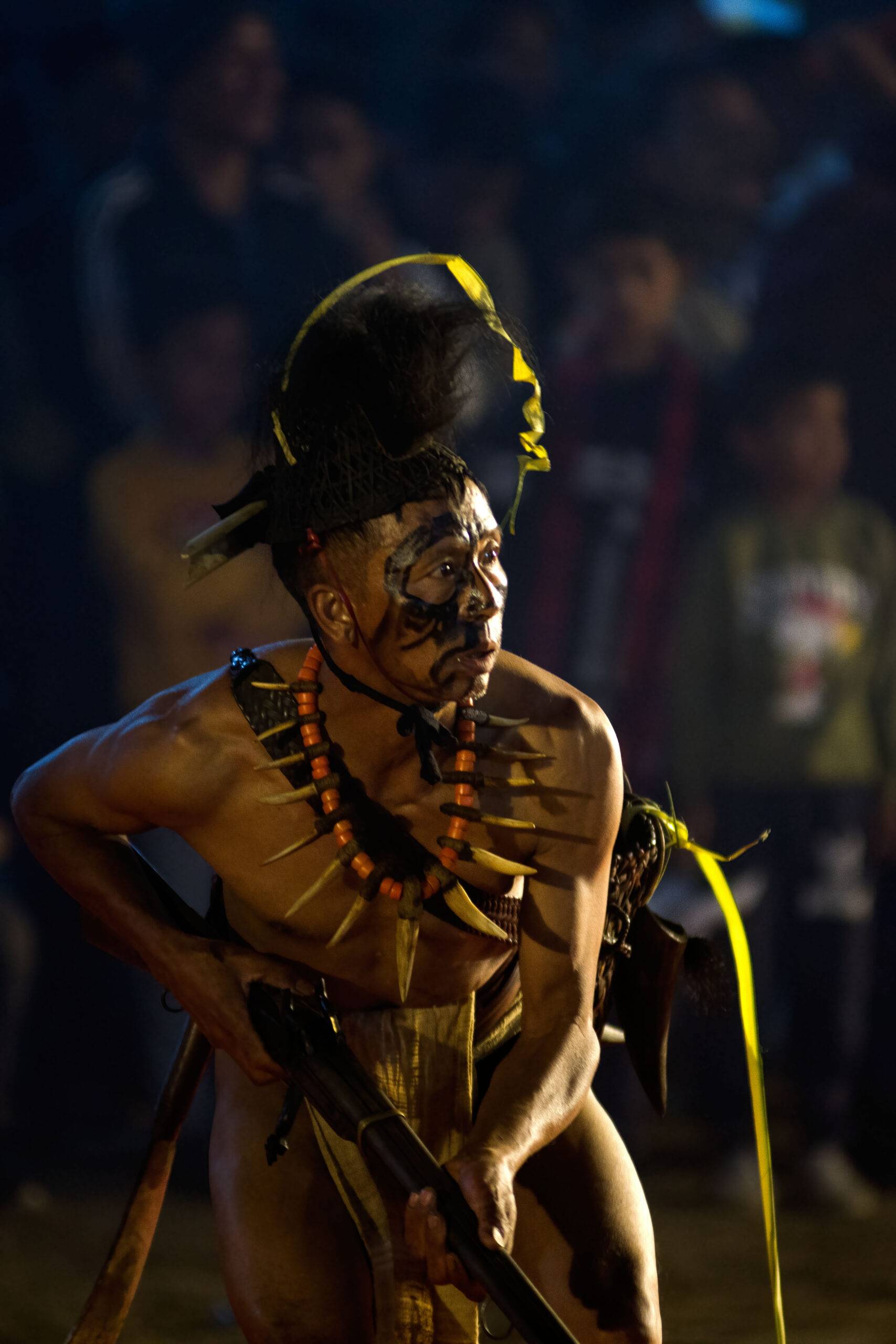
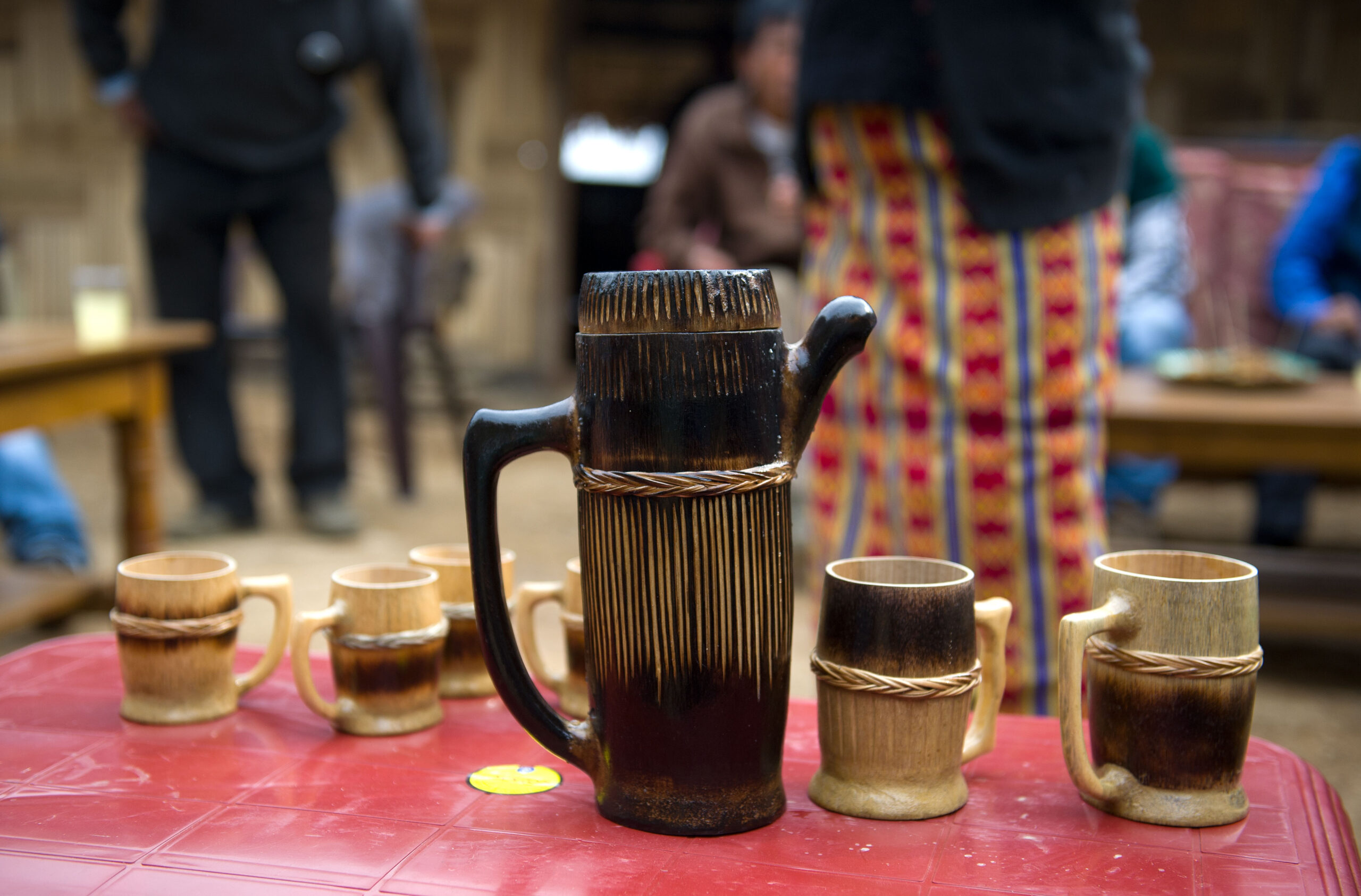
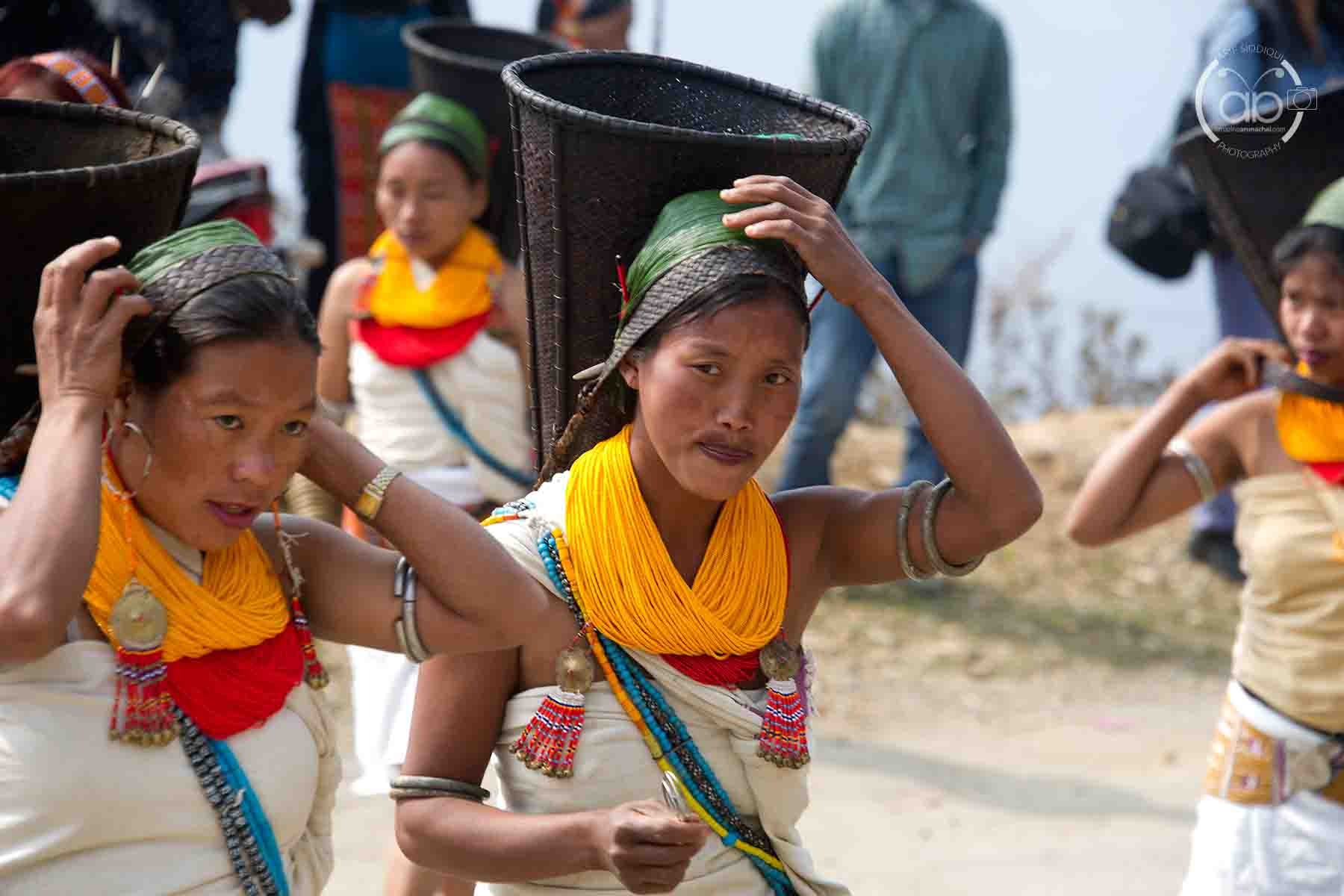
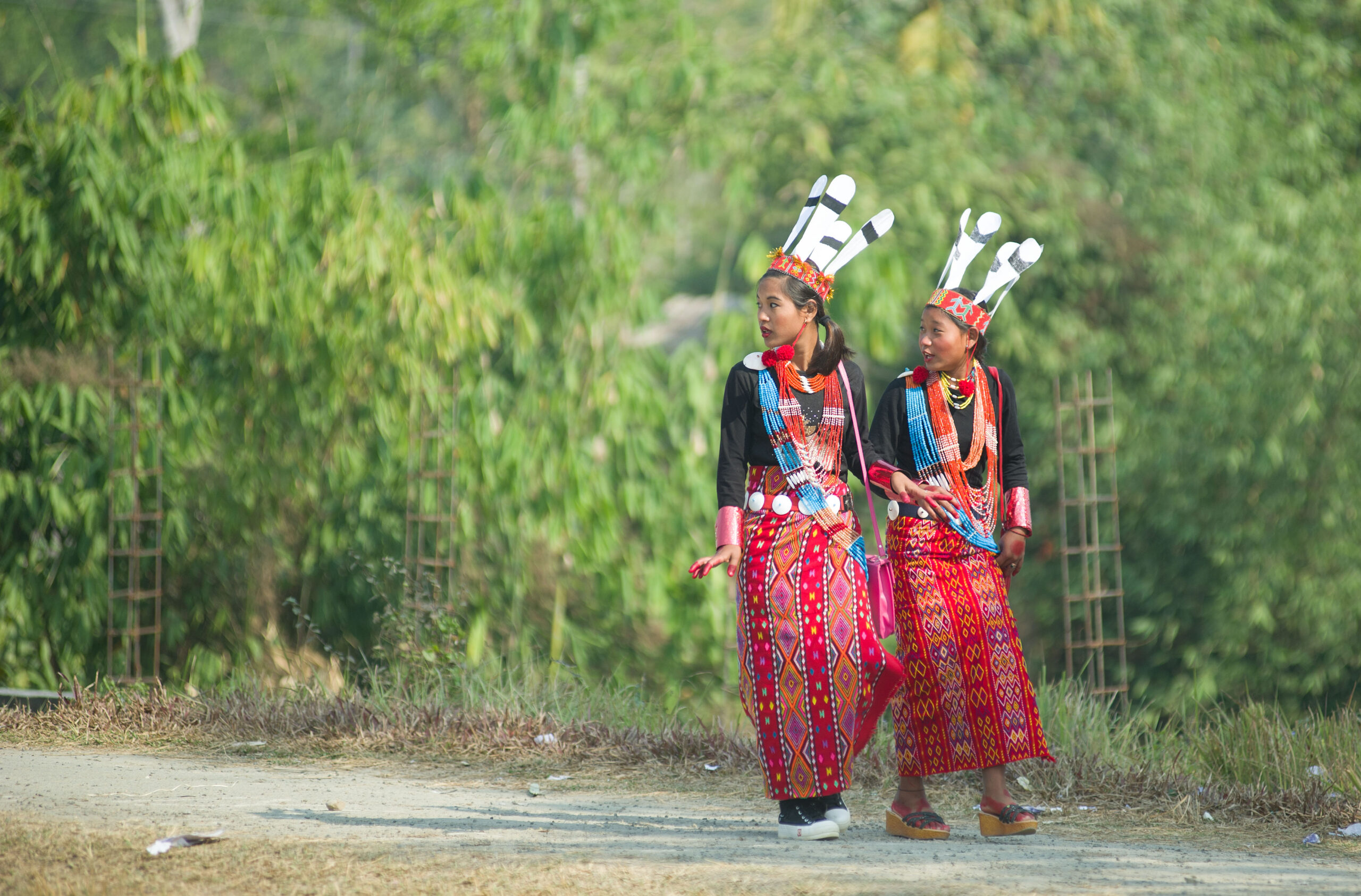
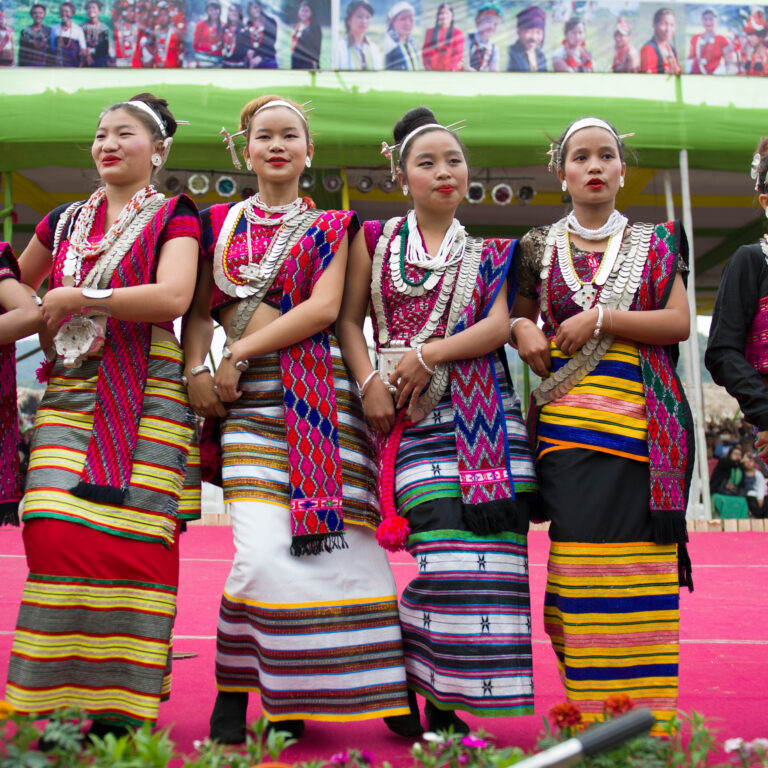
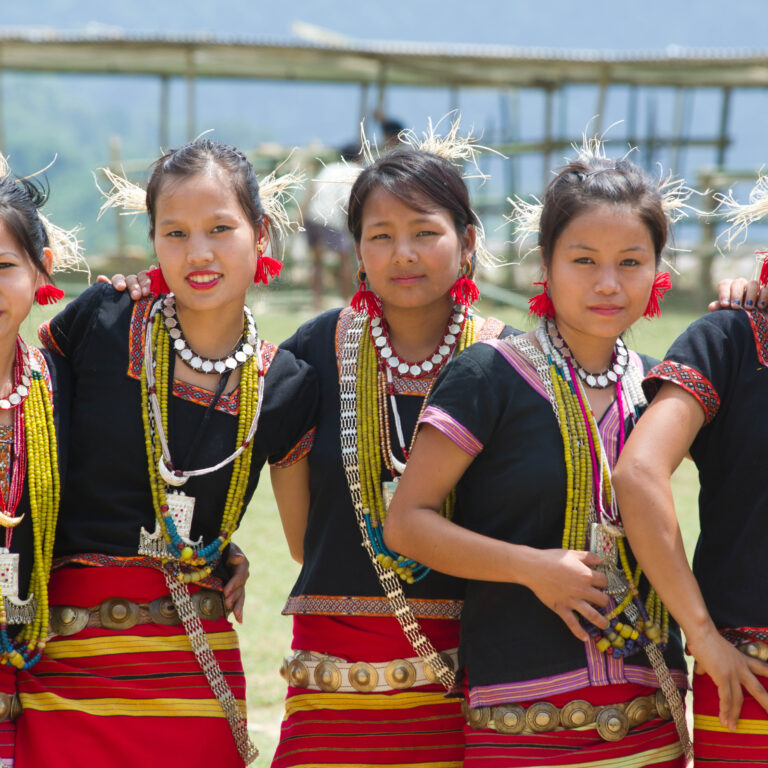
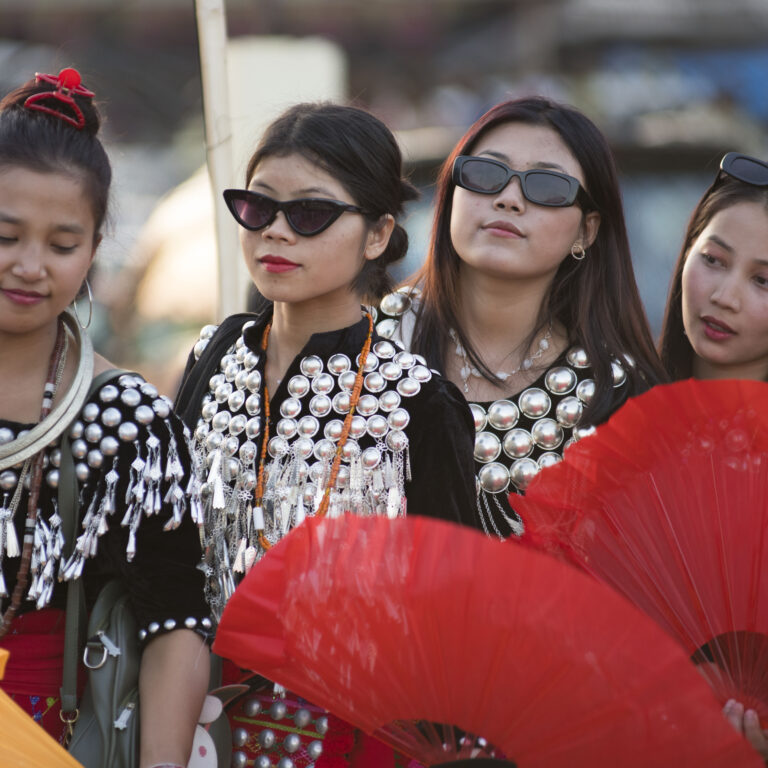
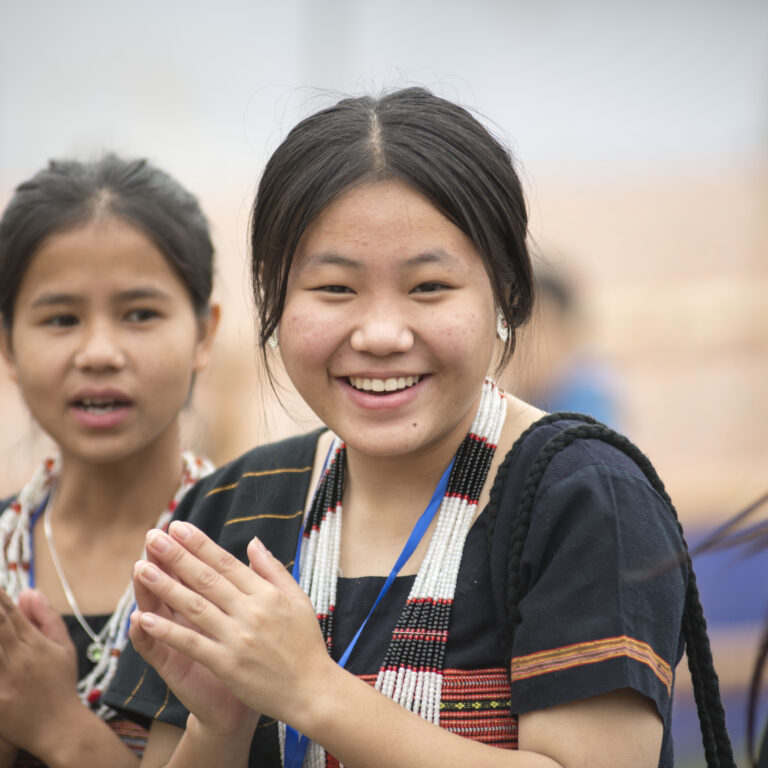
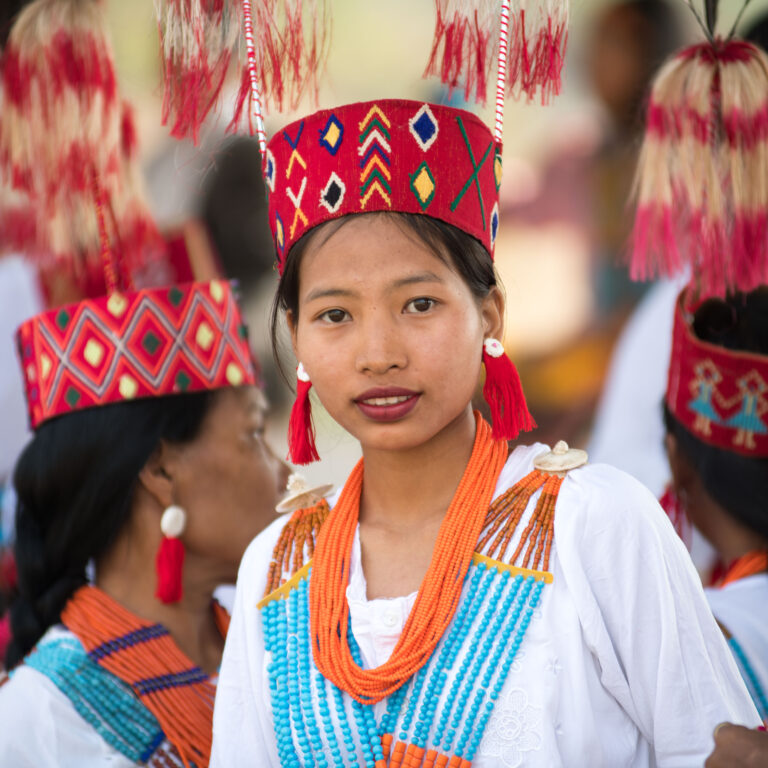
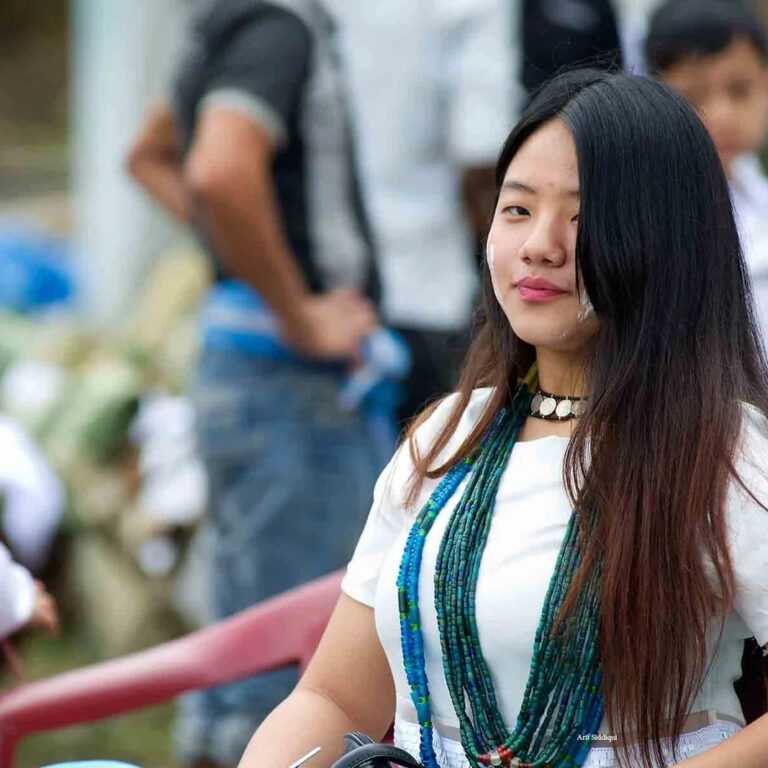
What truly makes Longding stand out is its exceptional cultural richness. The region is home to highly skilled artisans famous for hand-woven fabrics, wood carving, and traditional beaded jewellery. In older days the dyes used in their colourful shawls and garments and other articles are extracted naturally from forest plants, highlighting their sustainable way of life and deep connection with nature. Historically, the tribes of this region were known as head-hunters, but today they are celebrated for preserving traditional arts, age-old customs, and vibrant festivals. For visitors interested in culture, craftsmanship, and authentic tribal heritage, Longding offers an experience far beyond conventional sightseeing—where the beauty of the land is matched by the beauty of its hilarious people and their living traditions
Echoes of the Warrior Hills
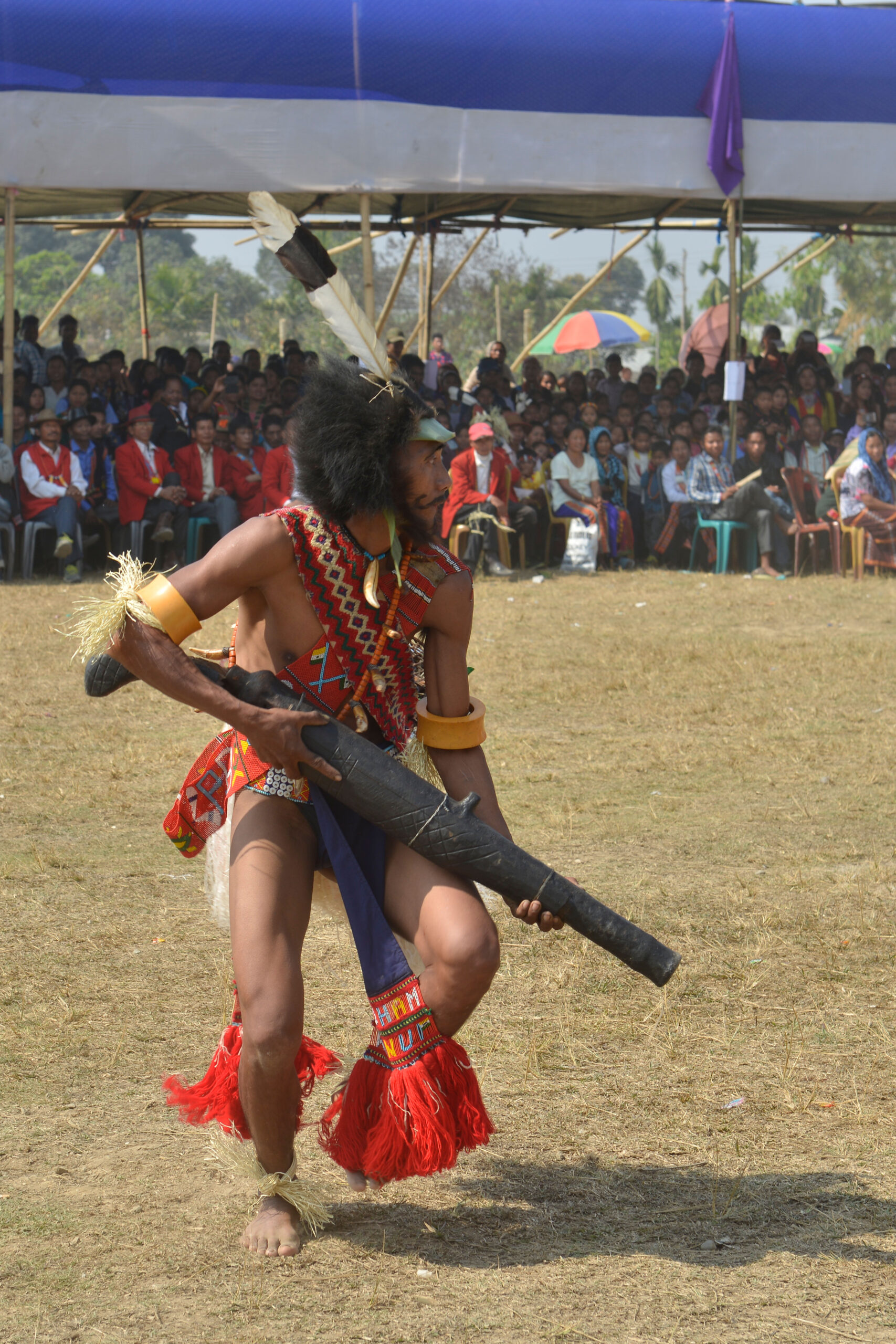
The Wancho people of Longding are known for their vibrant celebration of Oriah, the most important festival of their culture. Observed in the month of February, Oriah is a joyful event marked by community gatherings, traditional dances, rhythmic log-drum beats, and colourful handwoven attire. One of the most significant highlights is the traditional war dance, which narrates stories from the bygone era of head-hunting practiced by their ancestors. The festival becomes a beautiful display of Wancho identity and hospitality, where guests are warmly welcomed and invited to share in the celebration and merriment.
Anglo-Wancho Conflict 1875
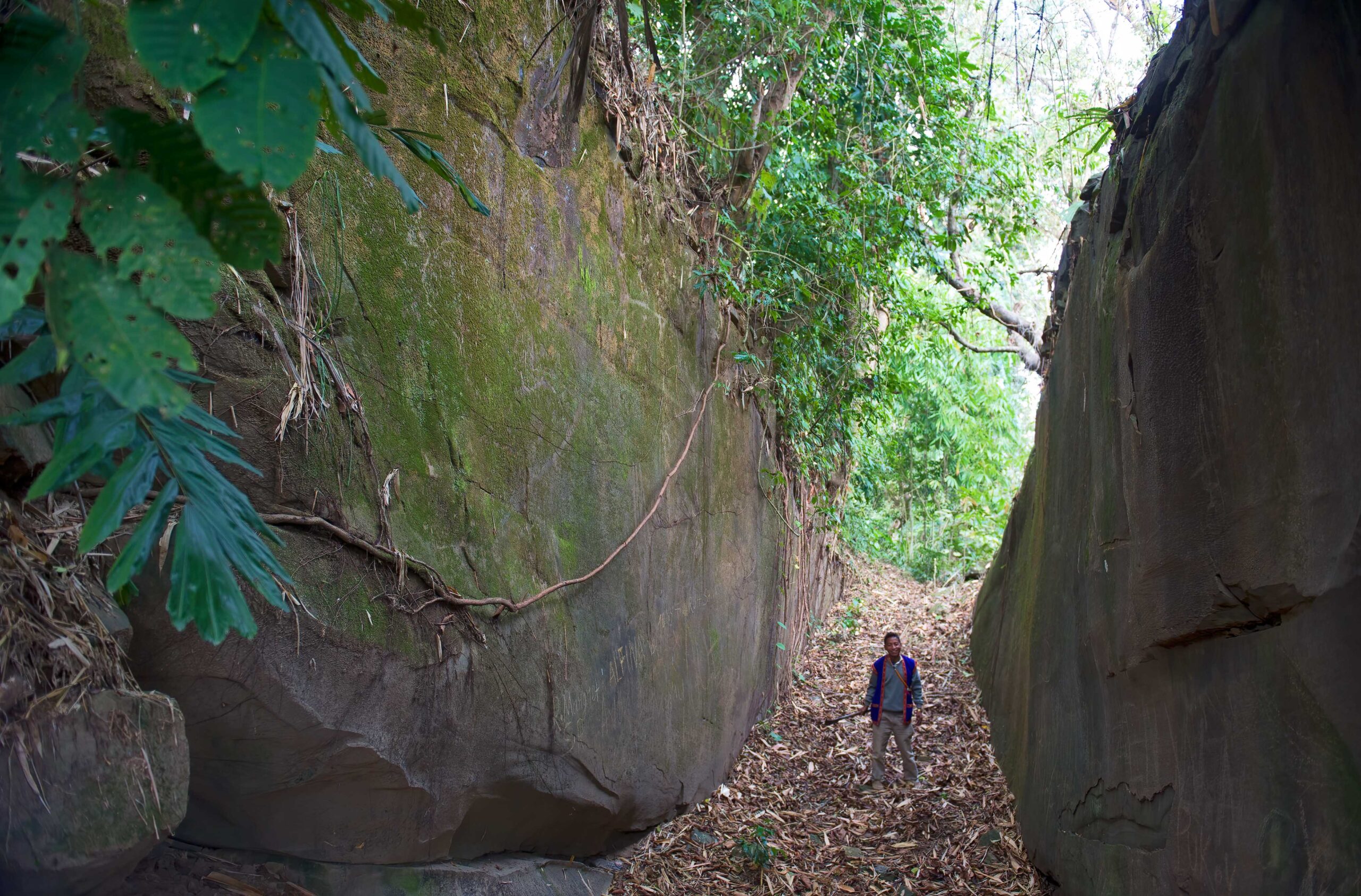
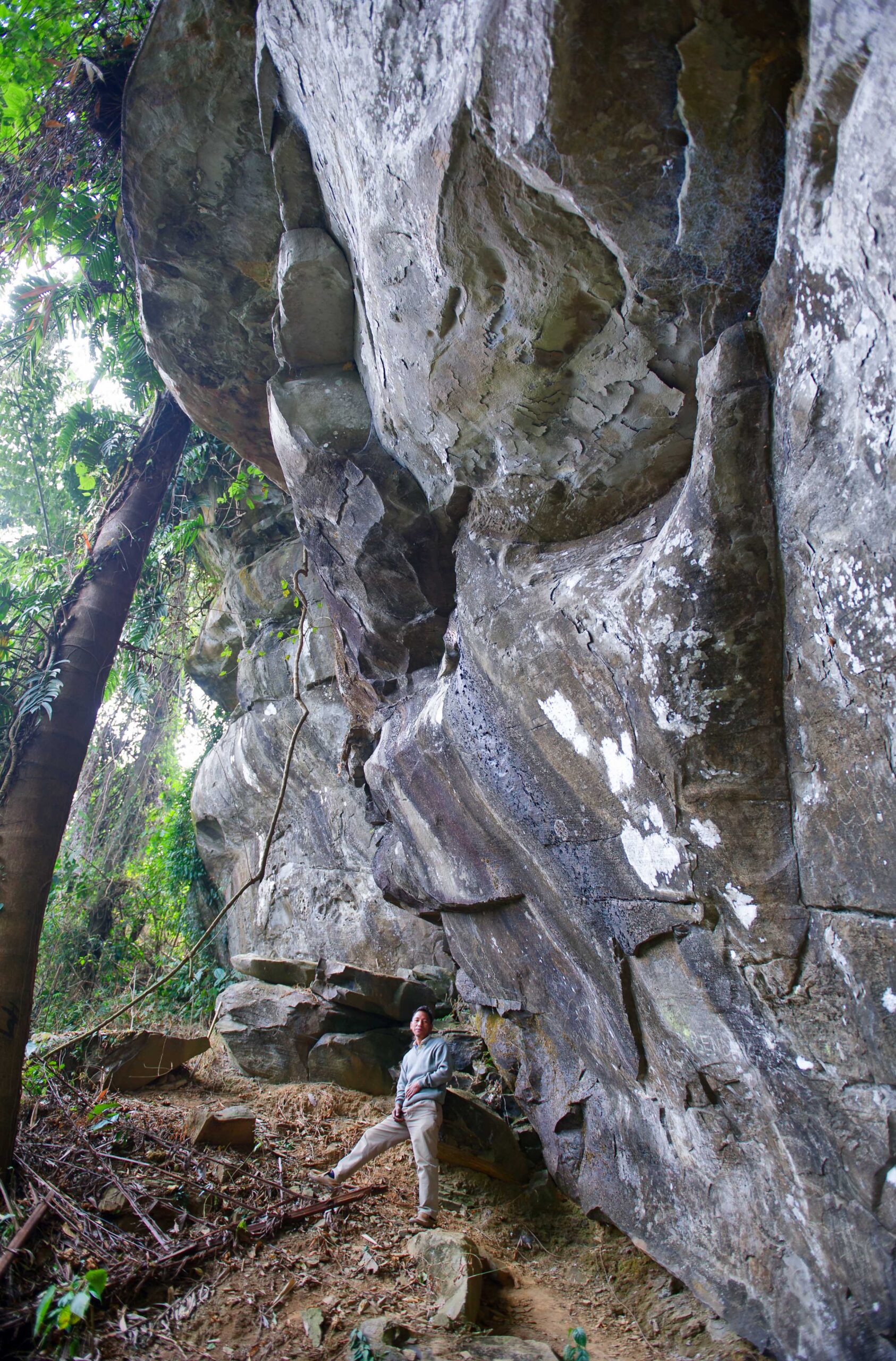
Longding is a land where the forested hills quietly guard stories from centuries past, and among them, the tale of 1875 stands out vividly. In that year, a British expedition led by Lieutenant Holcombe and Captain Badgley entered the Wancho region, reaching the village of Ninu. The visitors did not understand the deep cultural customs of the Wanchos, and when a sepoy reportedly mishandled the body of a deceased Wancho chief, the act was seen as an unforgivable insult. At dawn on 2 February 1875, the warriors of Ninu struck back, launching a fierce attack that killed around 80 members of the British party, including Lt. Holcombe.
What followed was harsh and tragic. The British responded with punitive expeditions, burning several Wancho villages including Ninu, Senua, Nisa, and Longkai. Many Wancho chiefs and warriors were hunted, captured, and some were even transported for long-term imprisonment to faraway jails — including the dreaded Kala Pani (Cellular Jail in the Andamans), a fate reserved for those the colonial government considered rebels. Yet, despite the punishments, the spirit of the Wancho people never faded. Today, the quiet hills of Ninu still seem to remember the bravery of those warriors, making it not just a scenic stop, but a place where the land itself carries a heartbeat of history.
What to See in Longding
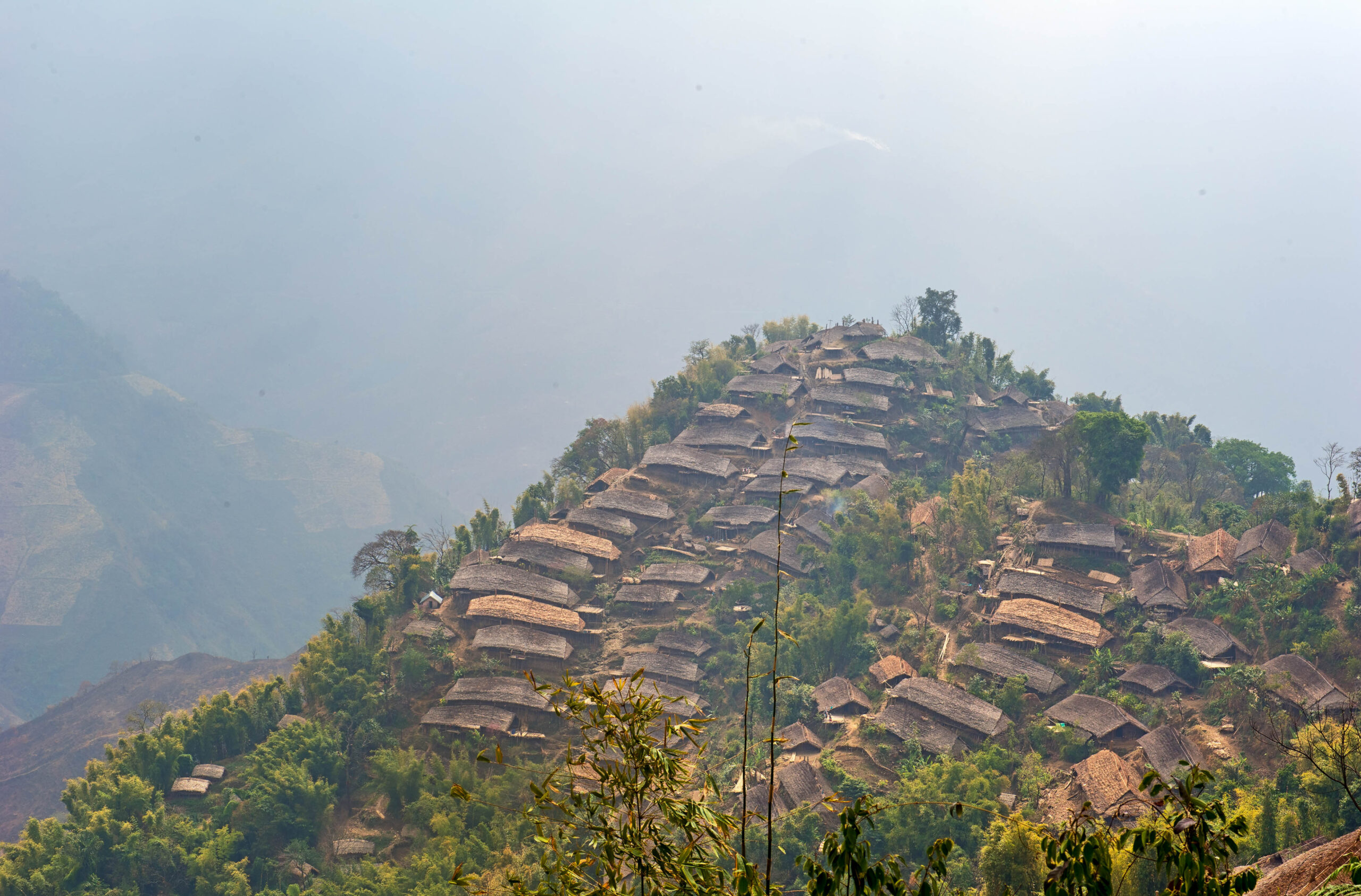
Longding is not known for grand monuments or popular tourist landmarks, but its true essence lies in its landscape, culture, and people. The town is surrounded by gentle green hills, quiet countryside, traditional villages, and scenic views that offer a peaceful break from crowded tourist destinations. Visitors can explore Wancho villages to experience their rich traditions, handwoven fabrics, wood carving and beaded jewellery
For culture lovers, attending Oriah festival in February adds a memorable experience, with war dances, music, and community celebrations. Nature enthusiasts can enjoy short walks, village trails, and photography around the hills. While Longding may not offer conventional sightseeing spots, it promises something more meaningful—authentic culture, hospitality, and the beauty of simple, traditional tribal life.
Best Time to Visit
The best time to explore Longding is from October to April, when the weather is cool and pleasant. The post-monsoon months bring lush greenery, making the hills scenic and refreshing. Winter and early spring are particularly enjoyable for outdoor visits and village walks. Travelers visiting in February may also get the chance to witness the colourful and energetic Oriah festival of the Wancho people, which adds a rich cultural experience to the trip.
How to Reach Longding
Longding is gradually becoming more accessible as part of the official tourism circuit.
- By Air: The nearest major airport is Dibrugarh (Assam). From the airport, taxis and shared vehicles are available to Kanubari and Longding.
- By Train: The nearest railway station is also Dibrugarh, well-connected to major Indian cities. From there, one can continue by road.
- By Road: Longding is connected to Assam and nearby Arunachal towns through regular Sumo services, private taxis, and buses. Routes from Tinsukia, Dibrugarh, Sivasagar, Khonsa, and Kanubari are commonly used by travelers.
Where to Stay
Being a new addition to the tourism circuit, Longding has limited but decent accommodation facilities.
- Government Circuit Houses and Guest Houses are available in the town.
- A few private lodges and small hotels offer comfortable rooms with basic amenities.
- Homestays are highly recommended for visitors seeking authentic local experiences. Staying with Wancho families gives a chance to enjoy home-cooked food, interact with artisans, and learn more about their culture and lifestyle. As tourism grows, more lodging options are expected to develop, making the region increasingly traveler-friendly.