A Lake Wrapped in
History & Mystery
History, Mystery & Travel Guide to Most Enigmatic Lake on Indo-Myanmar Border
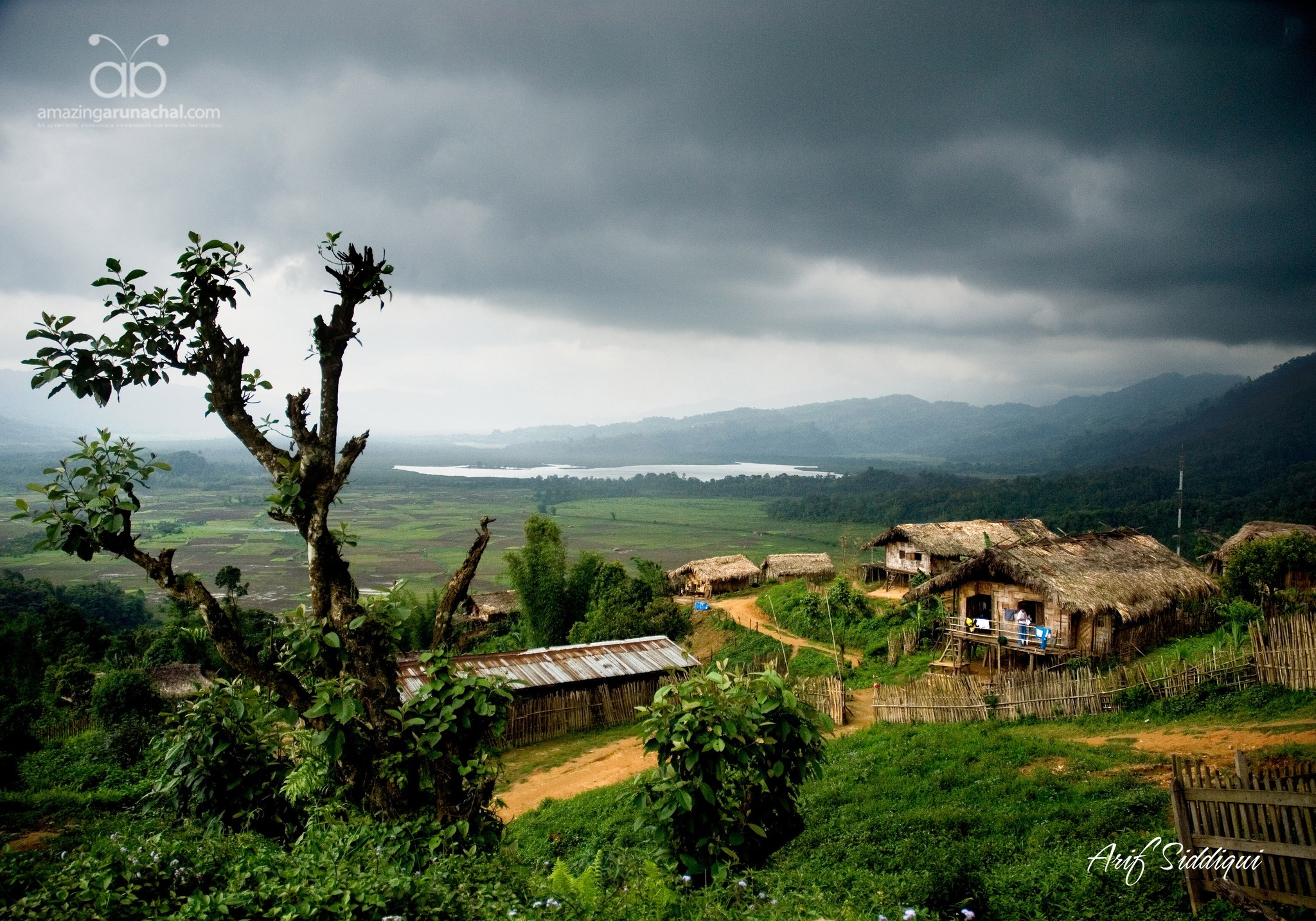
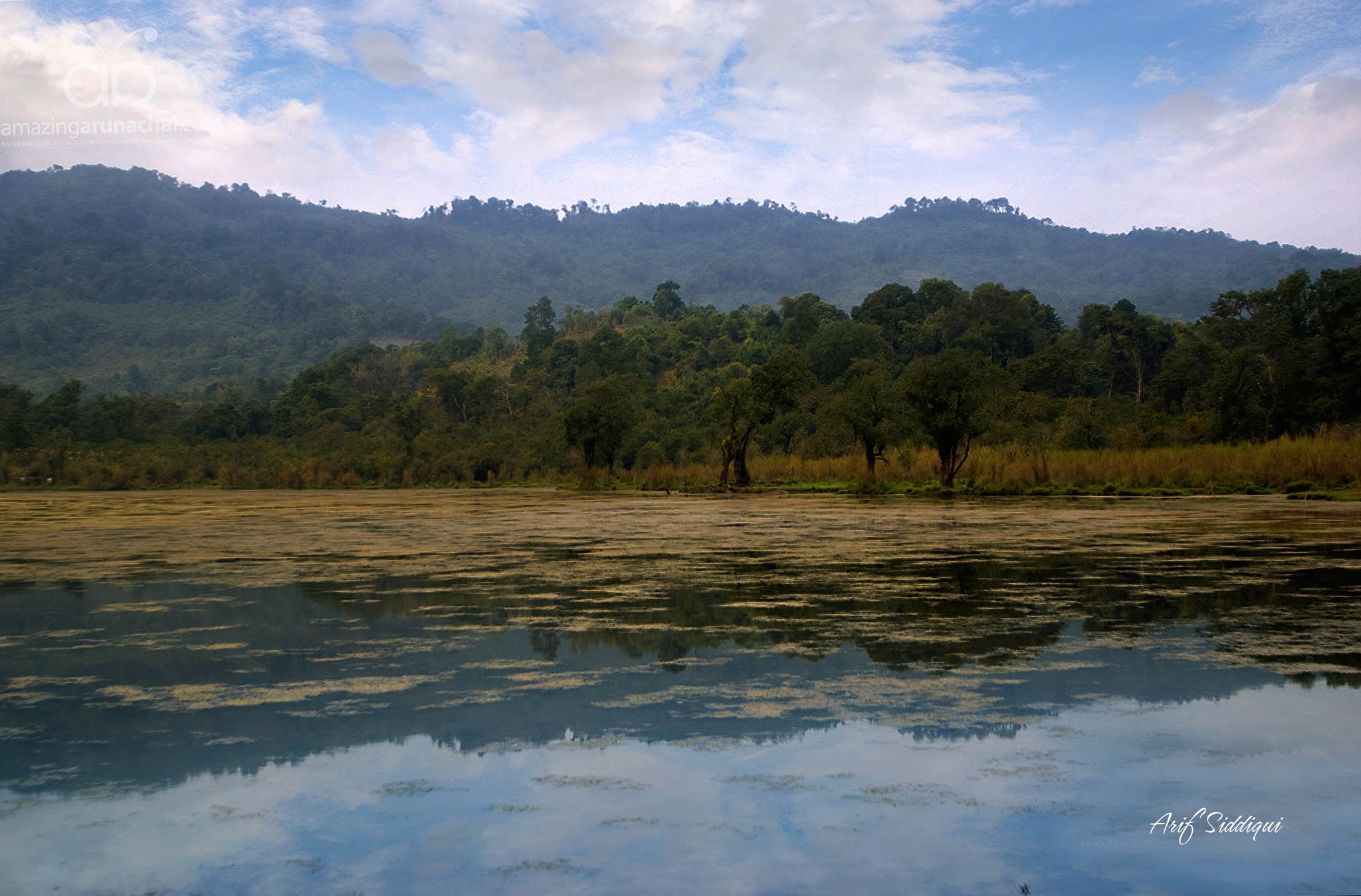
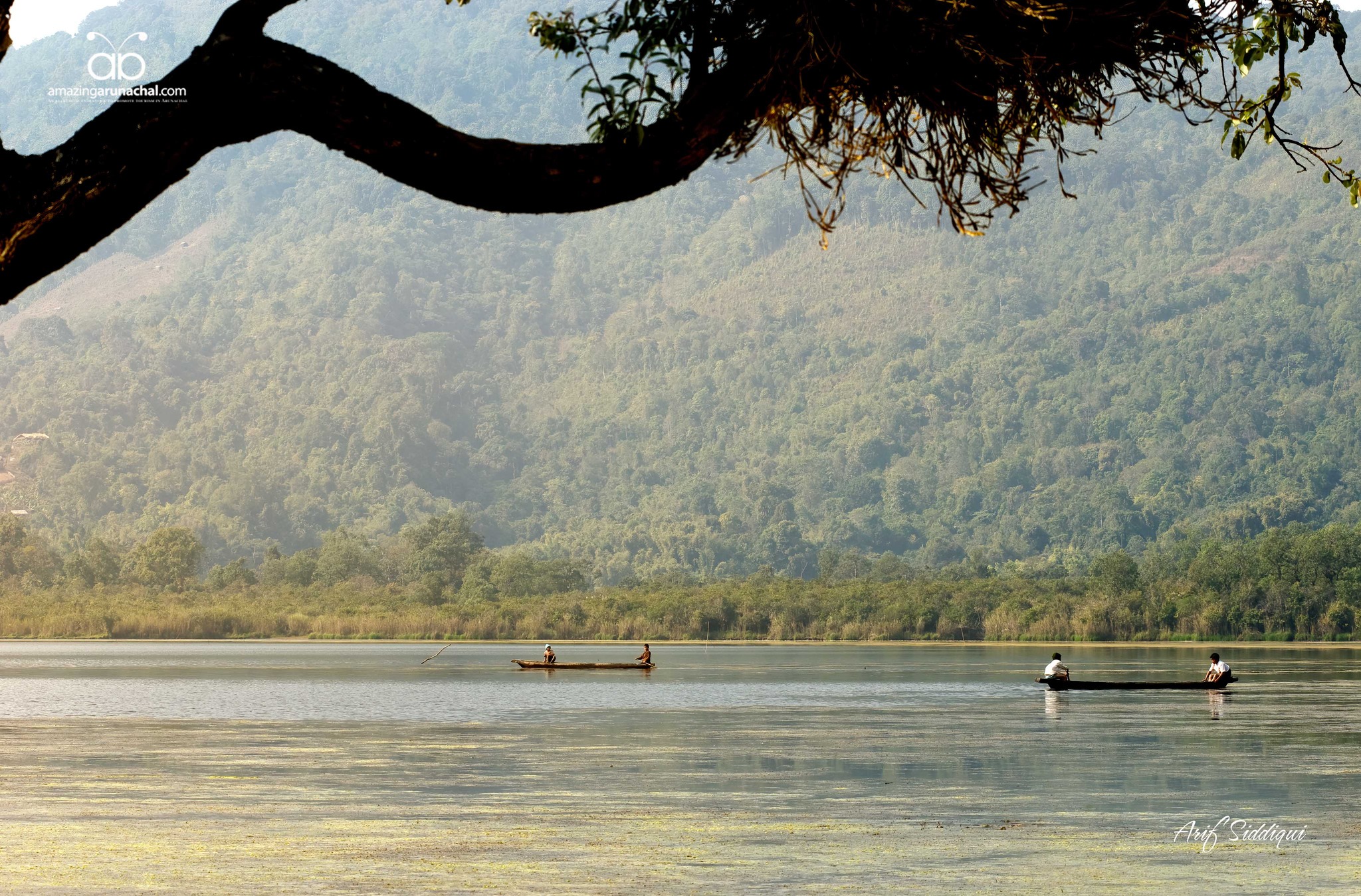
The Lake of No Return, located near the Indo-Myanmar border close to Pangsau Pass in Arunachal Pradesh, is one of Northeast India’s most mysterious and talked-about places.
Famous for its World War II history, haunting legends, and rich tribal folklore, the lake continues to fascinate adventurers, researchers, and tourists from across the world.
Often called a “vanishing lake of legends”, it stands today as a silent witness to stories lost in the mists of time.
Why Is It Called the Lake of No Return?
The name “Lake of No Return” comes from eerie tales passed down over generations. According to folklore, people who ventured too close to the lake never made it back.
Although mostly anecdotal, these stories created a reputation of mystery and fear around the lake, making it a magnet for explorers and history lovers.
World War II Connection: The Hump Route & Aircraft Crashes
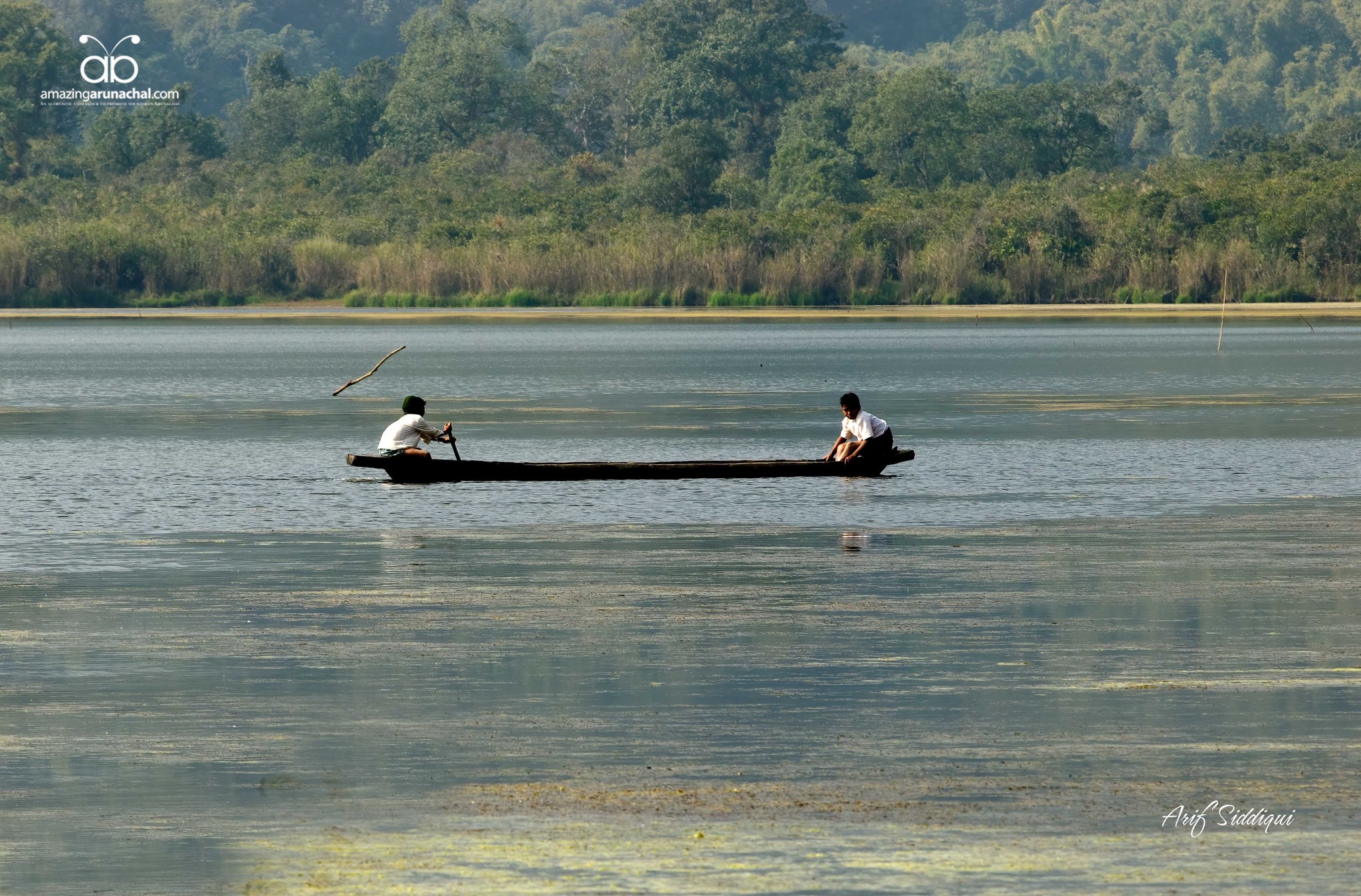
During World War II, the region around the lake was part of the extremely dangerous Allied air route called “The Hump”, stretching from Assam to China over the Eastern Himalayas.
Why This Area Was So Dangerous
Hundreds of aircraft are believed to have crashed in the jungles near the lake due to:
- Sudden downdrafts and violent turbulence
- Dense fog and zero visibility
- Unpredictable weather changes
- No modern radio guidance
Pilots who crashed in the area were often never found, leading to the name Lake of No Return.
Soldier Escape Stories
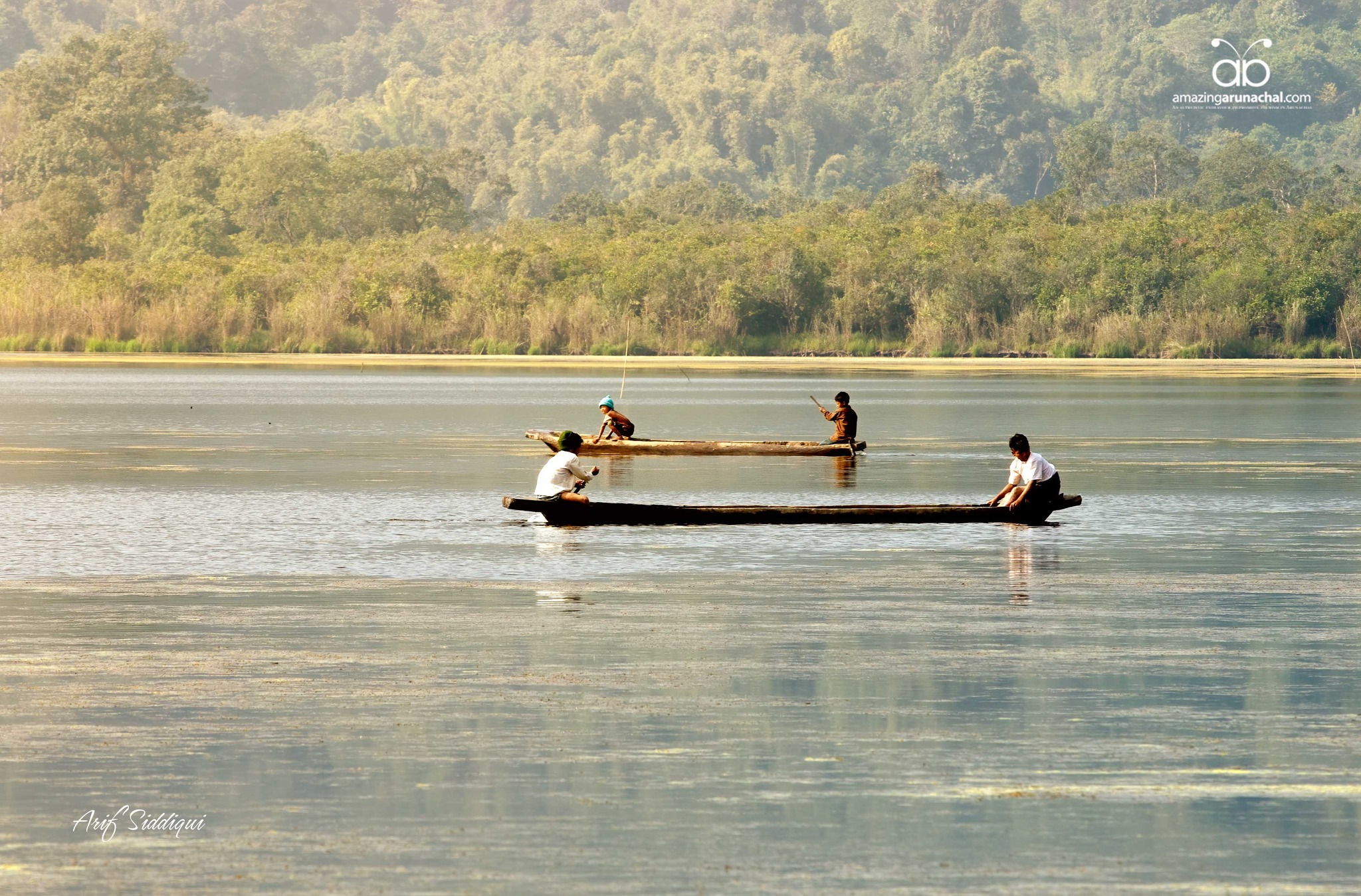
Another well-known story tells of soldiers escaping Japanese captivity that tried to cross the swampy region but perished due to disease, starvation, and difficult terrain.
These wartime incidents added a powerful historical layer to the lake’s legend.
Local Tribal Legends and Folklore
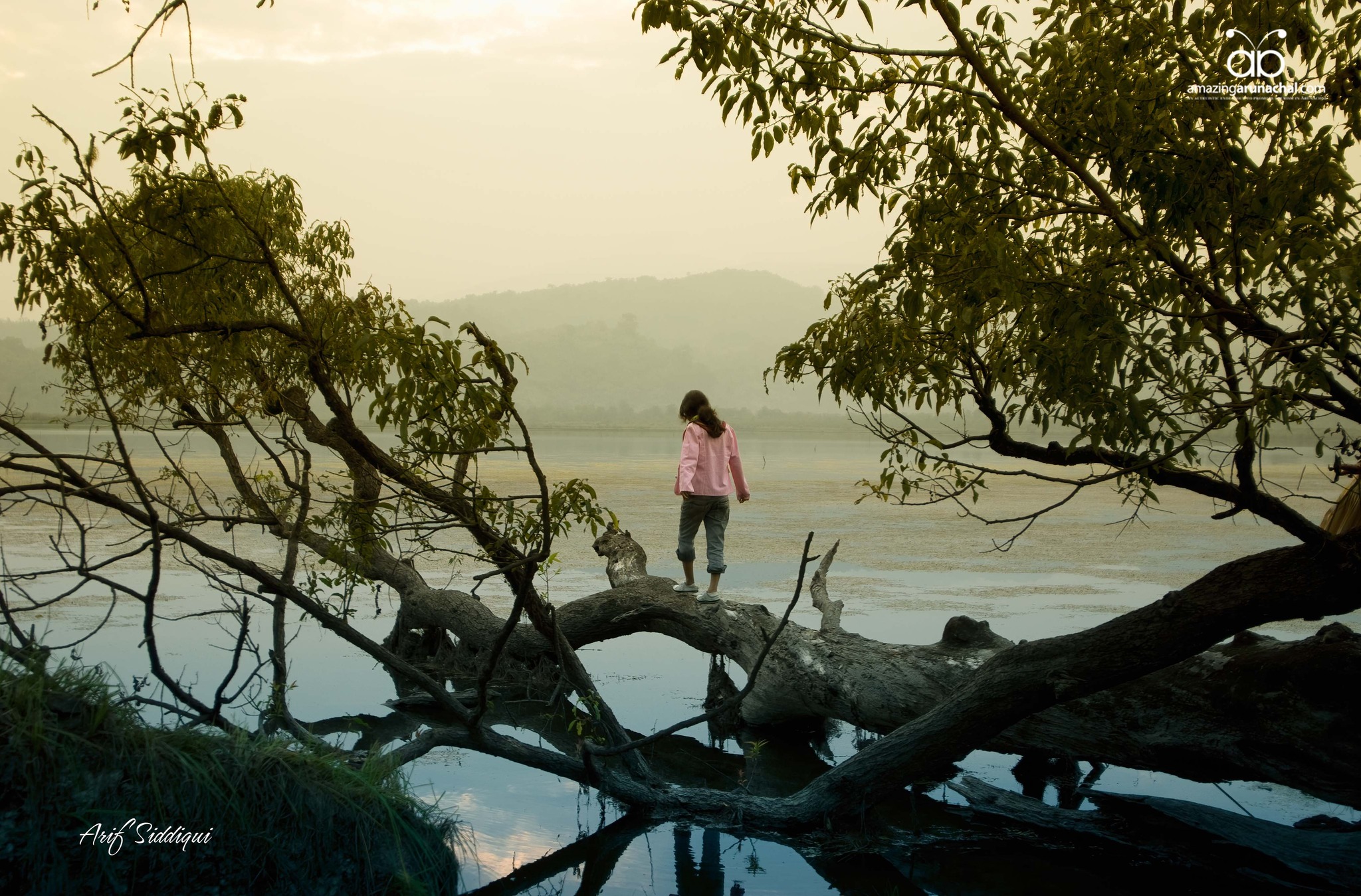
The Tangsa, Naga, and other tribes of the region have preserved their own stories about the lake:
Cursed Waters: Some believe the lake is cursed, bringing bad luck to anyone who enters.
Spirits of the Forest: Folklore tells of spirits in the water and nearby hills that lure unsuspecting travelers.
Healing & Mysticism: In contrast, some tribes believe the lake has healing properties and spiritual energy.
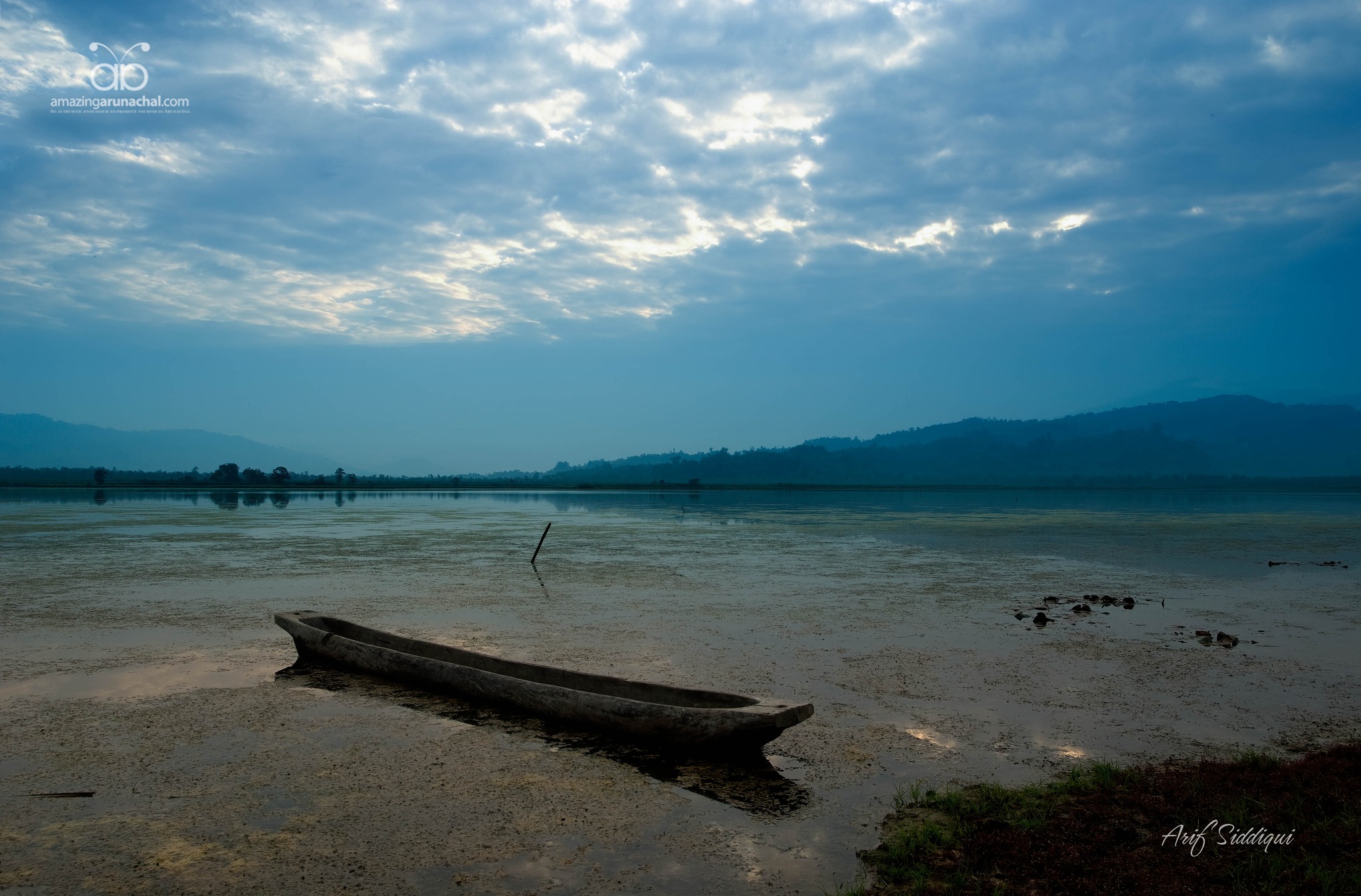
A Natural Marvel Near Pangsau Pass
Beyond myths, the lake sits amidst breathtaking natural beauty.
Surrounded by dense forests, wildlife-rich jungles, rolling hills, and the serene landscapes of the India–Myanmar border, it attracts photographers, bikers, history lovers, and nature explorers.
Its proximity to Pangsau Pass—one of eastern India’s historic mountain passes—makes it an important tourism highlight.
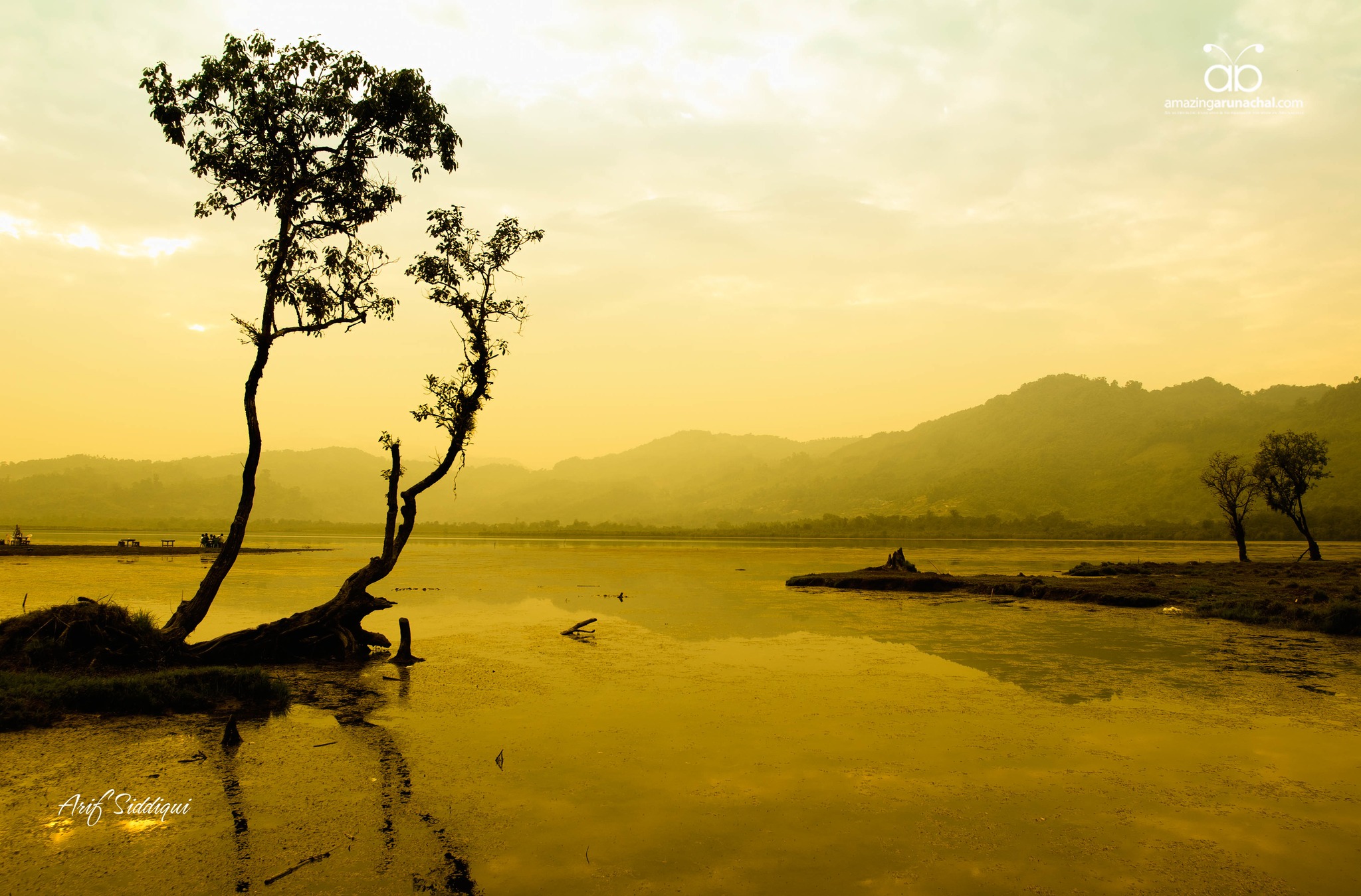
Can Indian Tourists Visit the Lake of No Return?
Yes, but with limitations.
What You Can Visit
Indian travellers can visit up to the Indian side of Pangsau Pass, enjoy the viewpoints, and see the Myanmar landscape and the lake area from a distance.
What You Cannot Do
The actual Lake of No Return lies inside Myanmar, around 3 km across the border, and cannot be visited by Indian citizens without:
- Myanmar border permission
- Special festival-day authorization
- Permits Needed – To reach the Indian side:
✔ Inner Line Permit (ILP) for Arunachal Pradesh
✔A separate permit issued from SDO office at Nampong is required for visiting regular viewpoints only.
You can comfortably visit:
- Nampong (last Indian town)
- Pangsau Pass Zero Point
- Multiple viewpoints overlooking Myanmar hills
Crossing the border informally is not allowed.
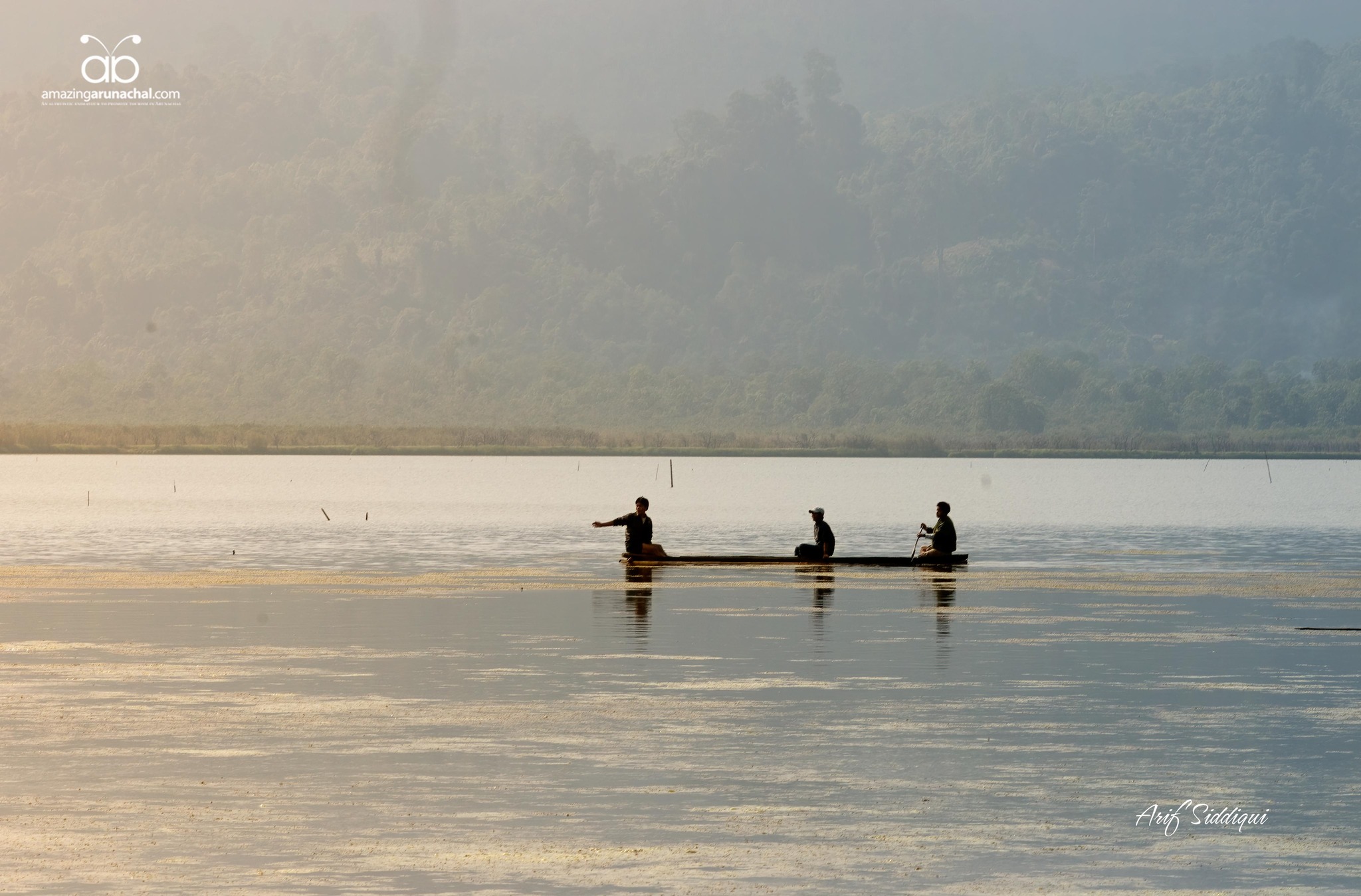
Special Access During Pangsau Pass International Festival
During the Pangsau Pass International Festival (20/21/22 January), Myanmar authorities sometimes open the border for:
- Cultural delegations
- Traders
- Limited tourists with temporary authorization.
Visitors may walk into Pangsau village (Myanmar) and go nearer to the lake with official approval.
However, this is not guaranteed every year and depends on India–Myanmar coordination.
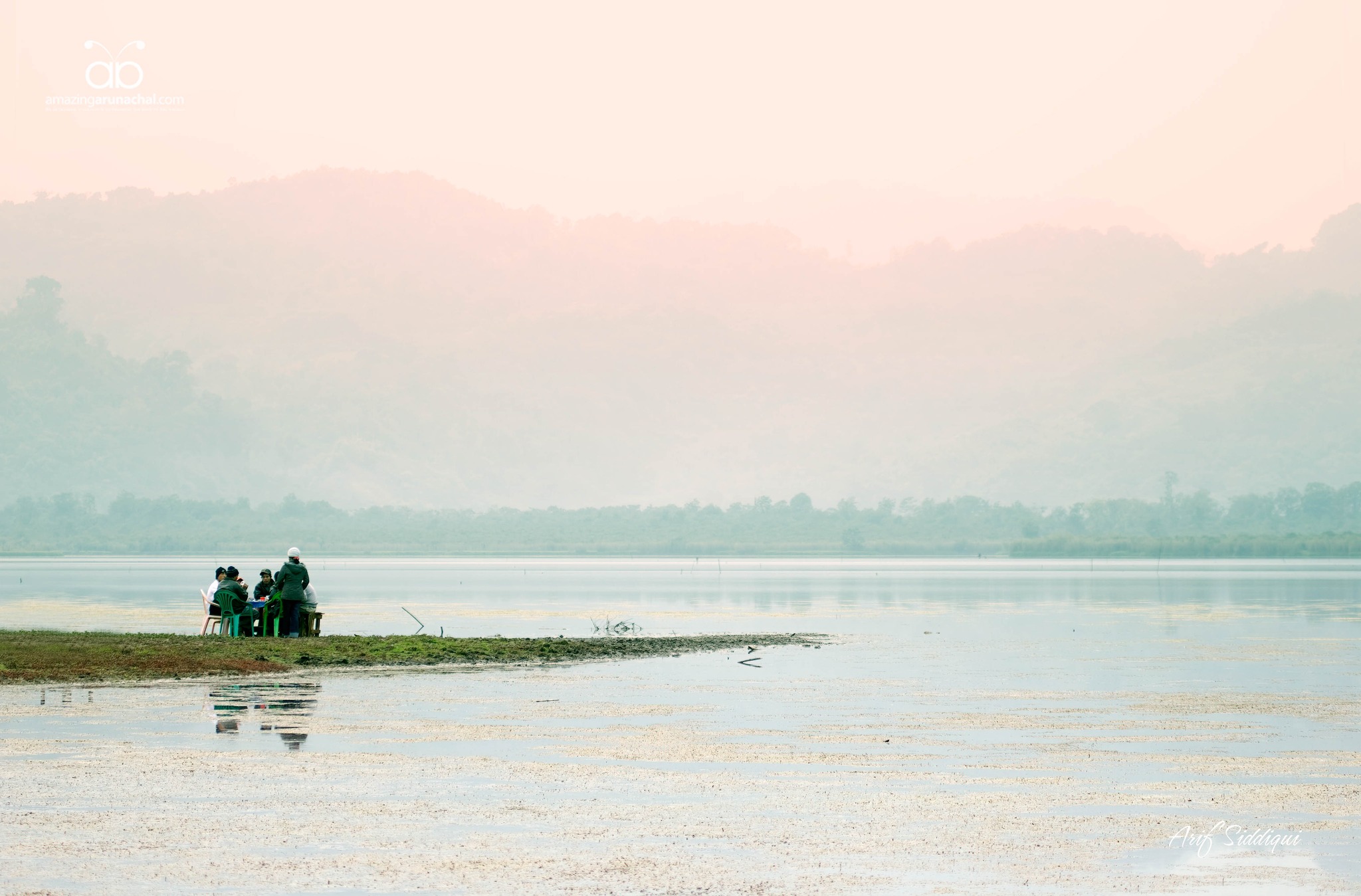
Important Note
Always verify the latest border status with festival organizers or government authorities before planning your visit.
Why the Lake of No Return Should Be on Your Travel List
- Rich mix of history, culture, and nature
- One of the most mysterious lakes in Asia
- Connected to dramatic WWII events
- Integral part of tribal folklore and heritage
- Stunning views from Indian side of Pangsau Pass
- A highlight of the Pangsau Pass International Festival
For travelers seeking something offbeat, unexplored, and deeply fascinating, the Lake of No Return is an unforgettable experience.
Explore Arunachal
An exquisite tranquility will envelop your entire being, akin to the gentle warmth of morning rays breaking through mist-draped hills
Upcoming Event PPIF 2026
The Pangsau Pass International Festival (PPIF) shall be held in the frontier town of Nampong in Arunachal Pradesh from 20th to 22nd January 2026. The event will incorporate the 80th-anniversary commemoration of World War II, featuring a special “Willy Jeep” ride tracing the historic wartime route from the Hump Museum in Pasighat to Pangsau Pass via Changlang District. The festival has become a major platform for cross-border cultural exchange between India and Myanmar and includes a wide spread of traditional sports, local cuisine, sightseeing and much more.

Explore
Experience the distinctive fashion of Arunachal’s youth, where timeless tradition meets contemporary flair.