Walong
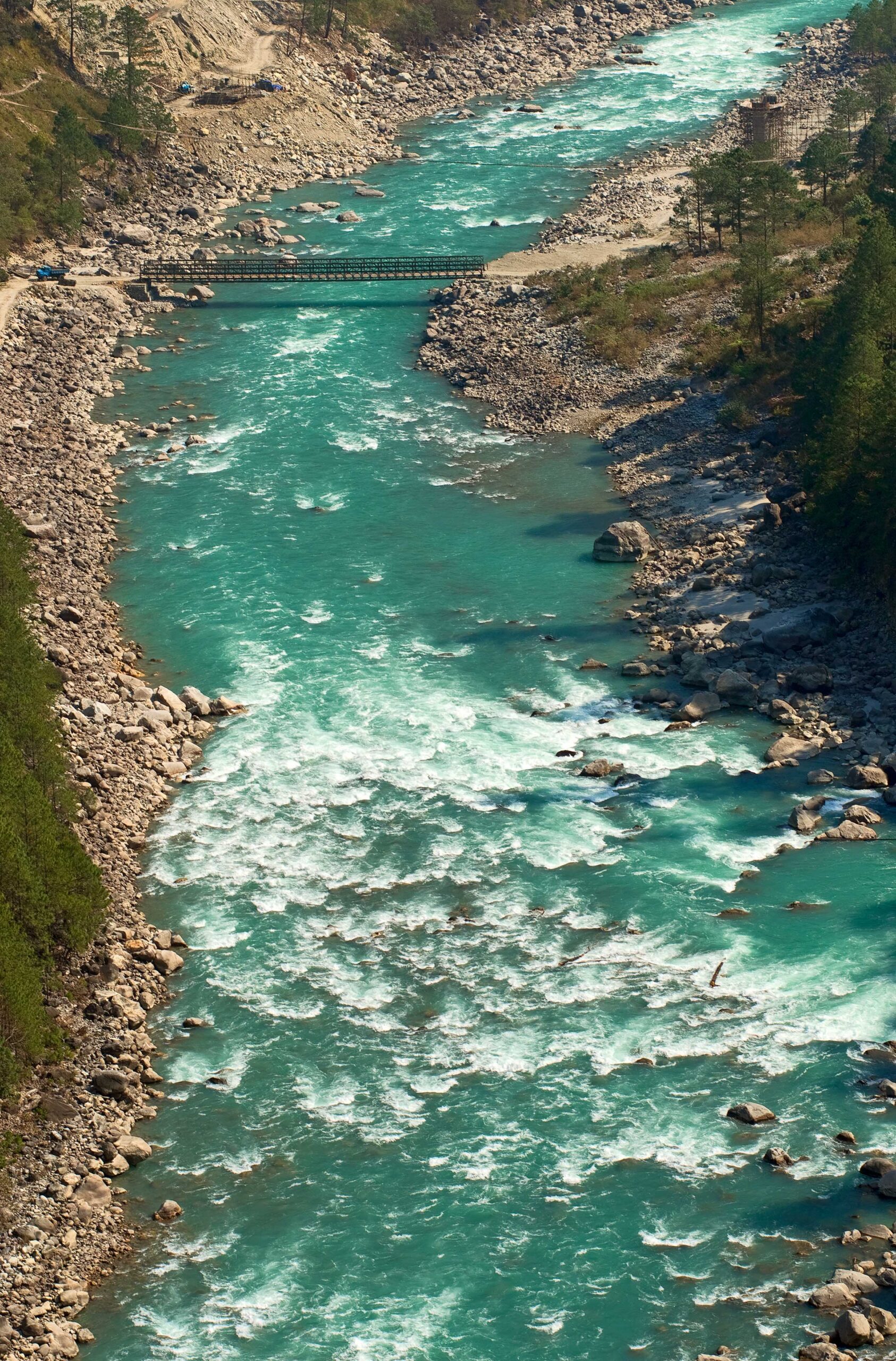
Swaying Over Sapphire Waters – Walk the Bridges of Walong
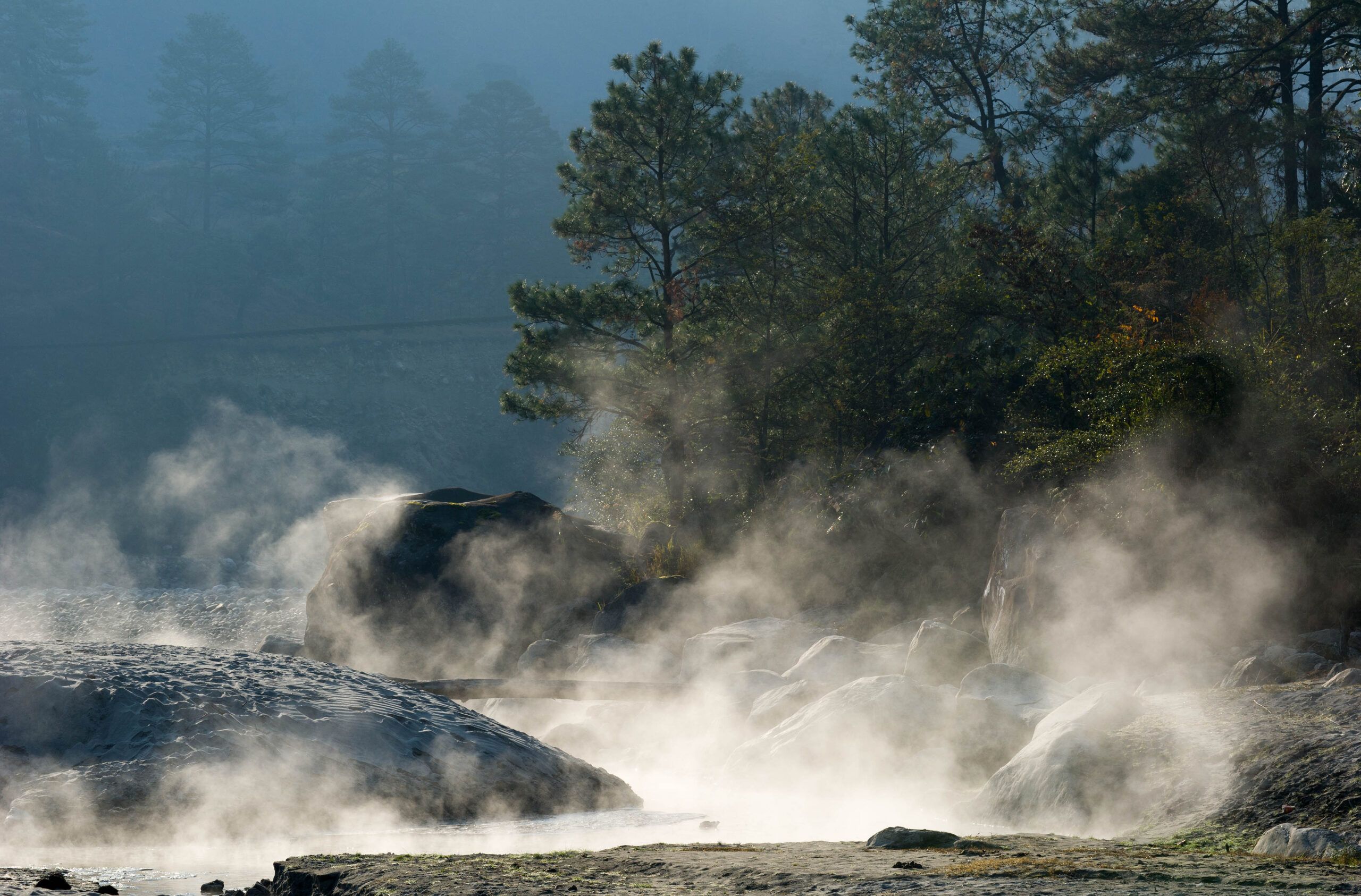
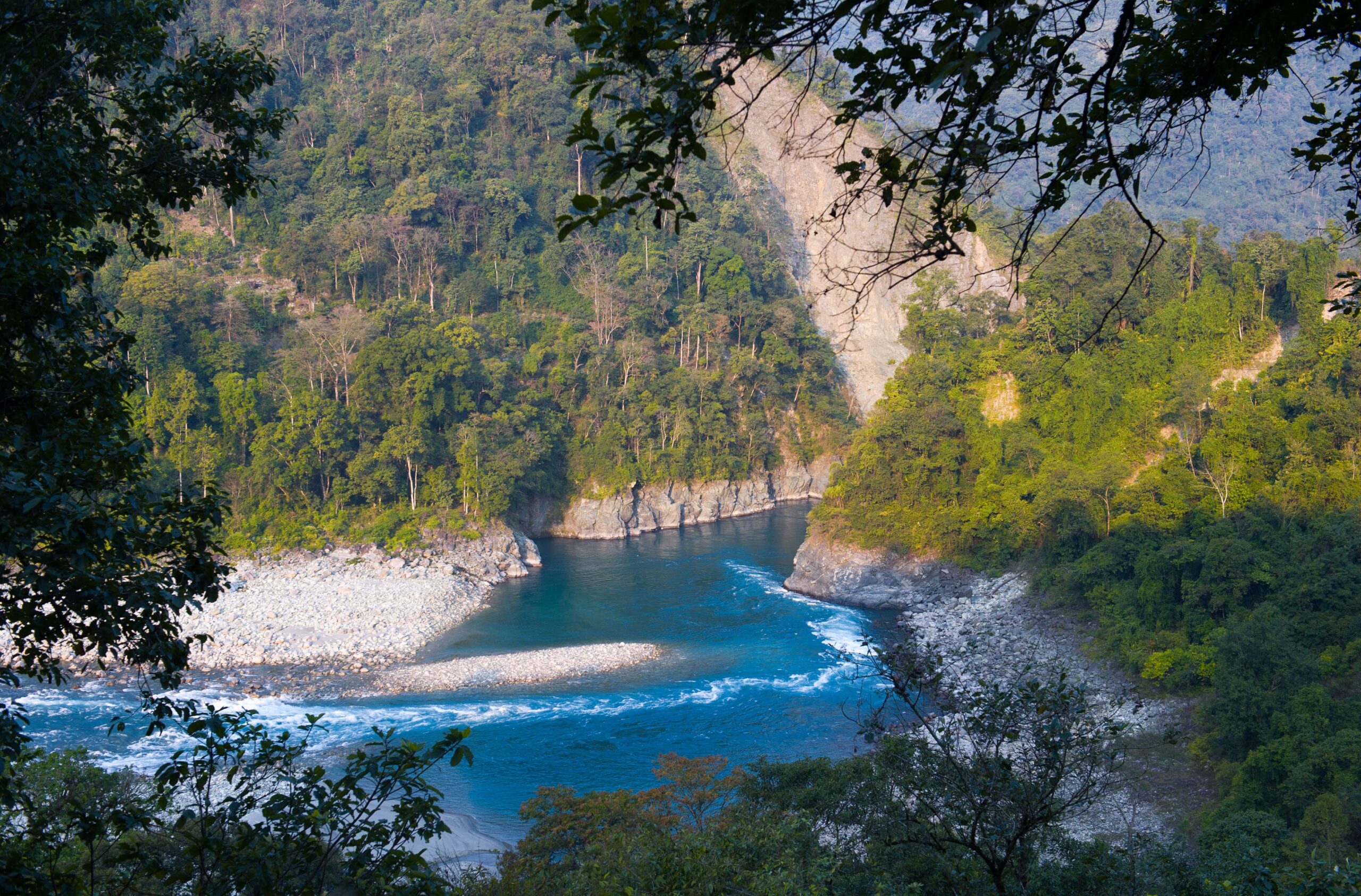
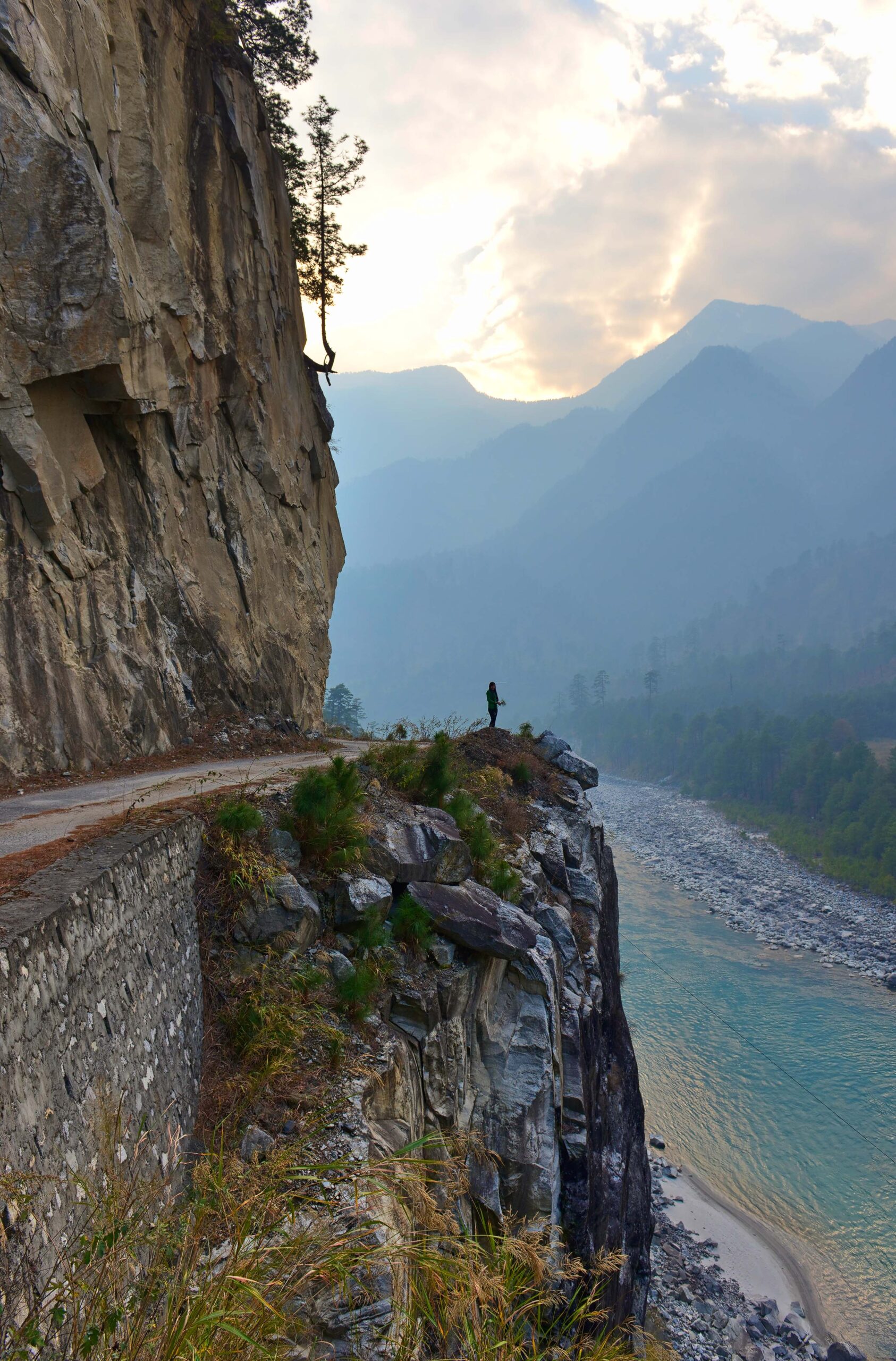
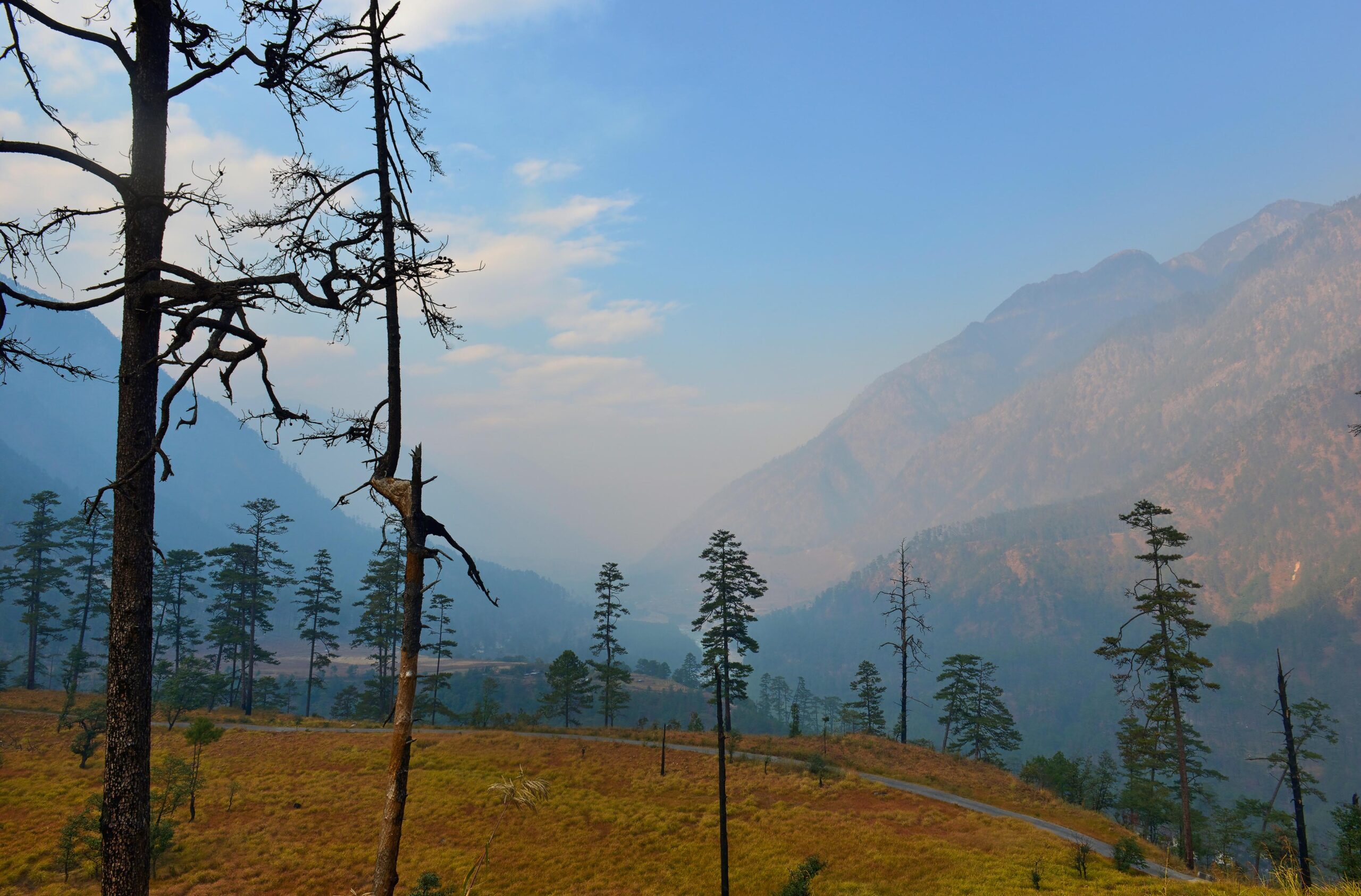
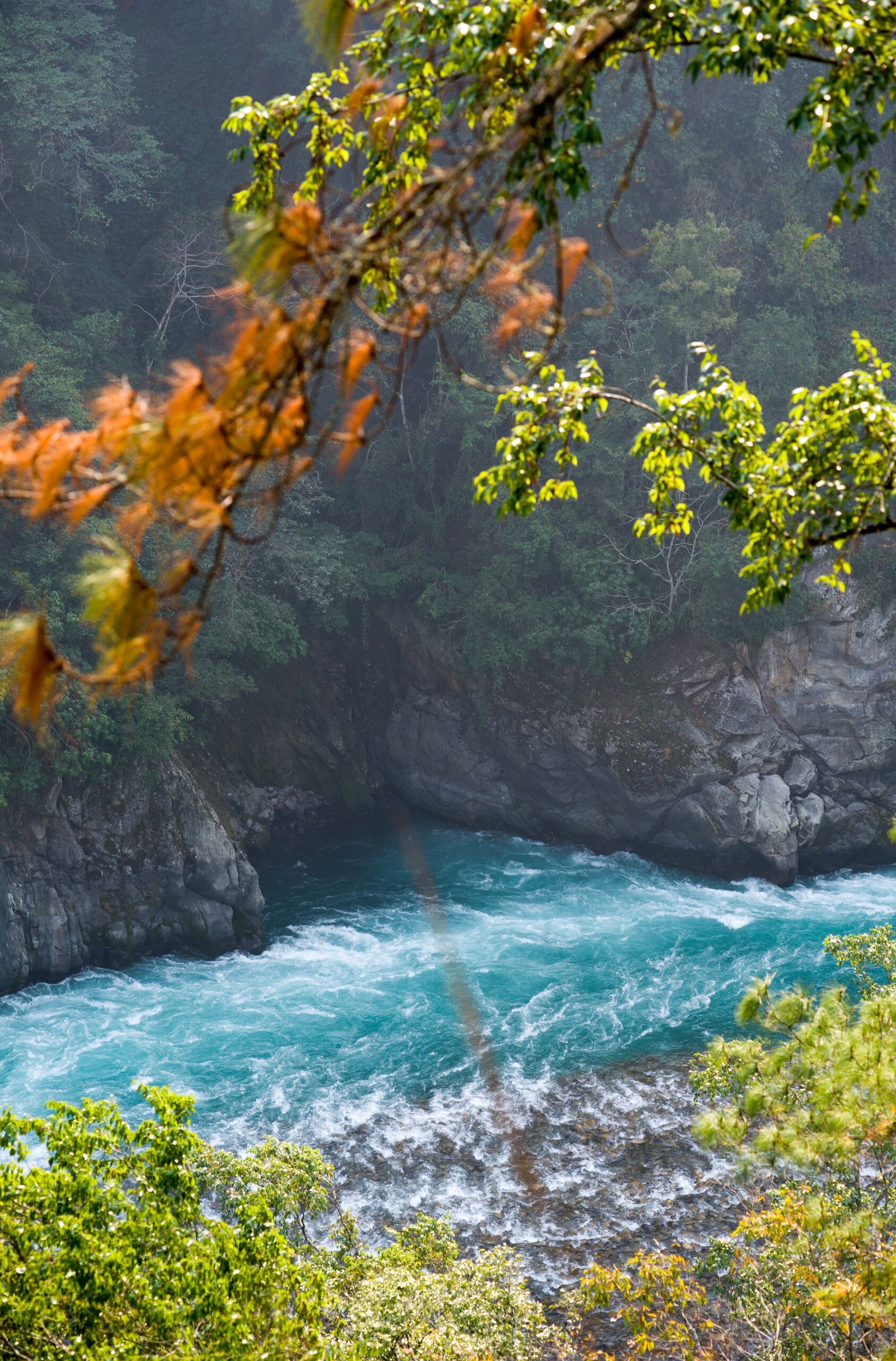
Walong, a quiet and remote valley in eastern Arunachal Pradesh, is one of the first places in India to witness the sunrise. Surrounded by misty mountains, crystal-clear streams, and untouched forests, the region offers serenity that feels far away from the modern world. The nearby village of Dong, often called the “millennium sunrise” point, is famous for being the easternmost inhabited village in India where the first rays of the sun are visible. Dong also boasts natural hot water springs, offering visitors a unique blend of adventure and relaxation. The valley is dotted with traditional suspension wire-rope bridges that connect villages over the sapphire-blue waters of the Lohit River, adding charm and excitement to the journey. Beyond Dong, travelers can also explore Kaho, the last village on the China border, and Kibithoo, another strategic border settlement, offering both scenic beauty and a glimpse into life at India’s frontiers.

Where India Greets the Sun – Dong, the Millennium Sunrise
Beyond its natural beauty, Walong carries deep historical and strategic significance. It was one of the key locations during the 1962 Indo-China war, and the war memorial here stands in honour of the brave Indian soldiers who defended the valley. Today, visitors come not only to admire the stunning landscape but also to pay respect to this heroic chapter of Indian history. Whether you are crossing a swaying bridge, watching the golden sunrise at Dong, or exploring border villages like Kaho and Kibithoo, Walong promises a peaceful yet unforgettable Himalayan experience.
What to See in Walong
Dong Village – Millennium Sunrise & Hot Water Springs: Dong, the easternmost inhabited village of India, is famous for witnessing the first rays of the sun, earning it the nickname “millennium sunrise” point. The village also has natural hot water springs, offering a unique experience for travelers.
Suspension Wire-Rope Bridges: Adventure across traditional bridges spanning the sapphire-blue waters of the Lohit River, connecting remote villages and providing stunning views of the valley.
1962 War Memorial: Pay tribute to Indian soldiers who bravely defended the region during the Indo-China war, with informative displays set against serene surroundings.
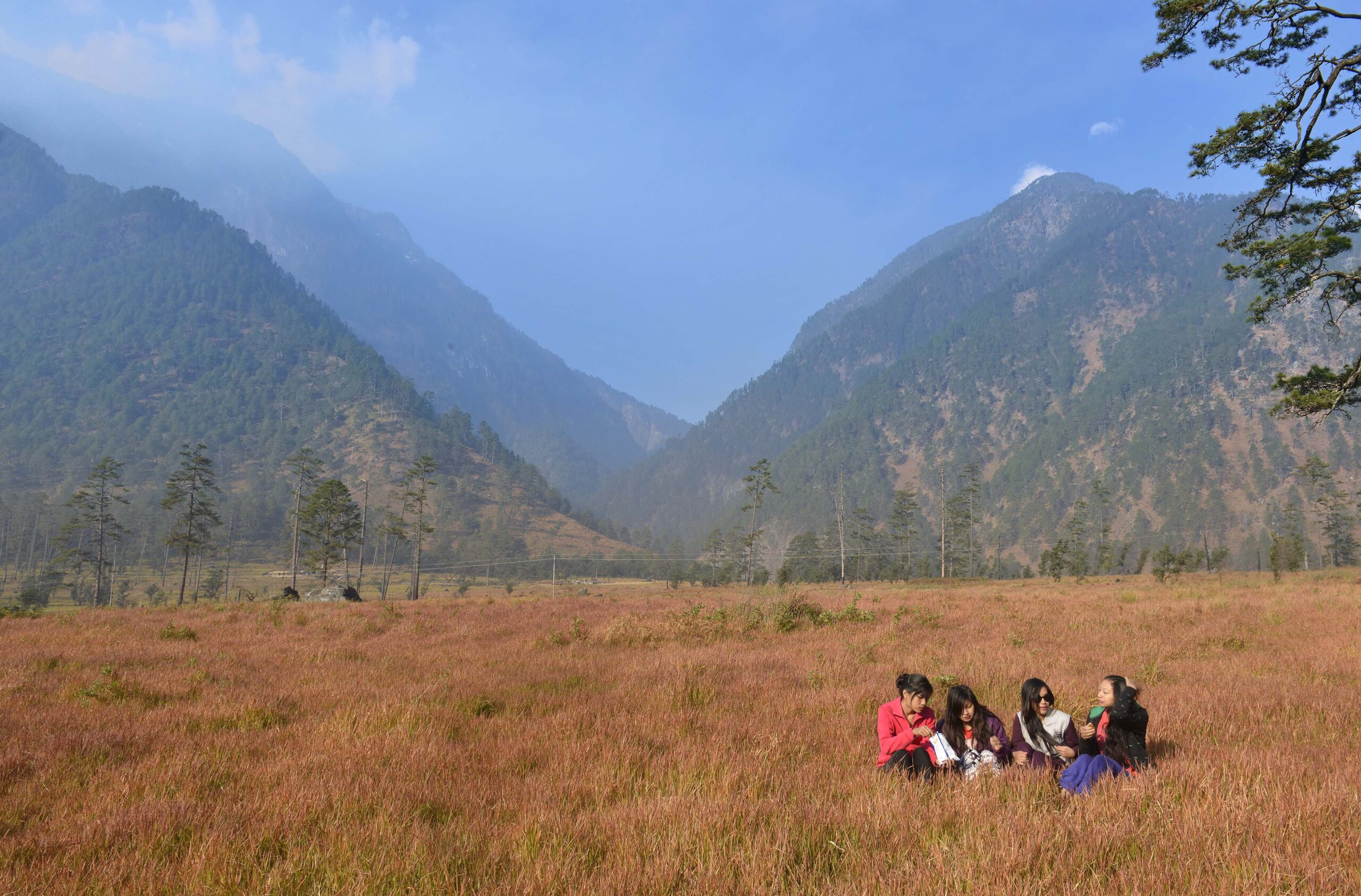
Nature Trails and Villages: Explore lush forests, rolling hills, and small border villages where traditional Arunachali lifestyle thrives.
Sunrise Views: Apart from Dong, various spots in Walong offer mesmerizing sunrise views over the mountains and river, making it a paradise for photographers.
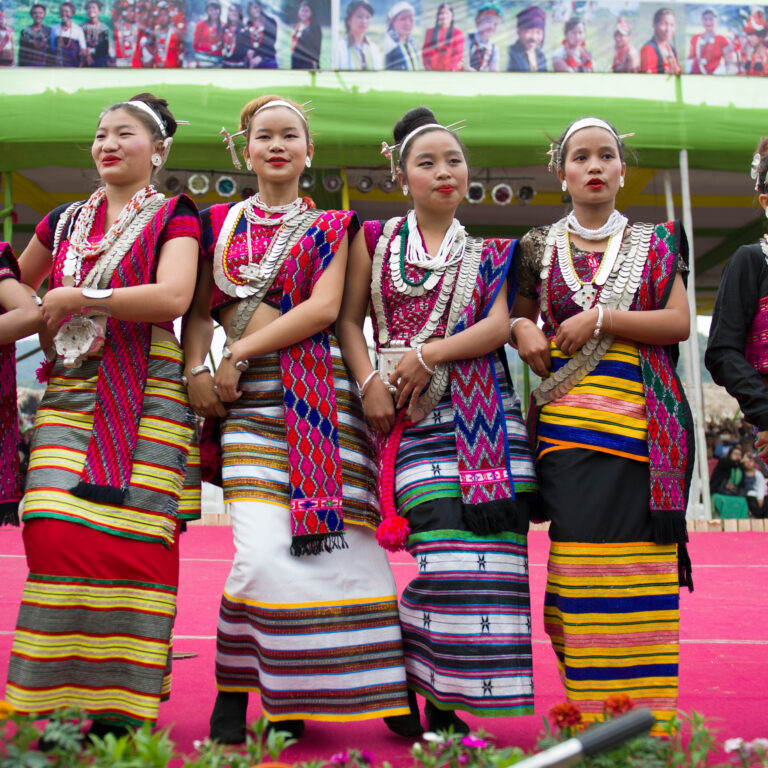
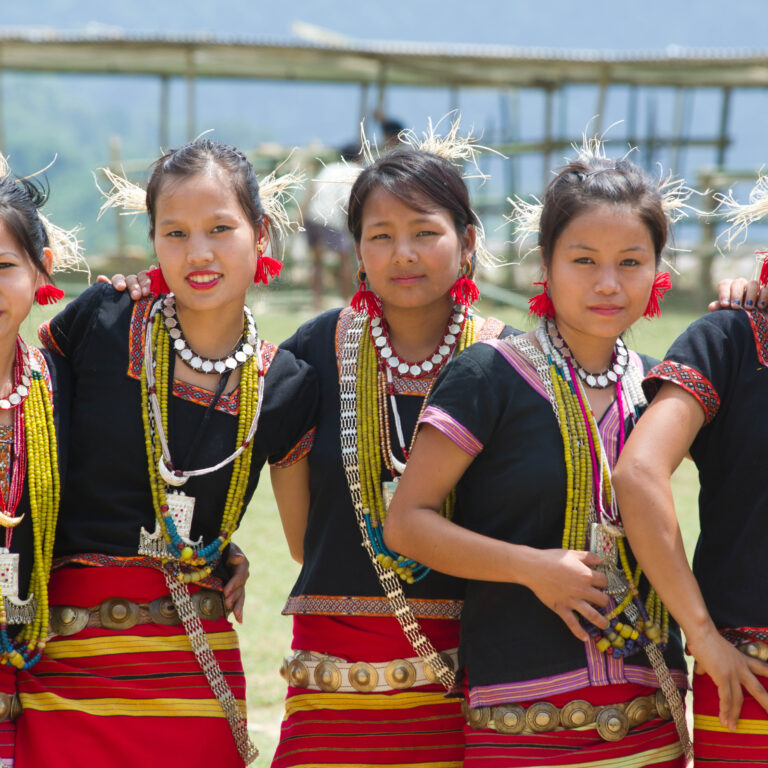
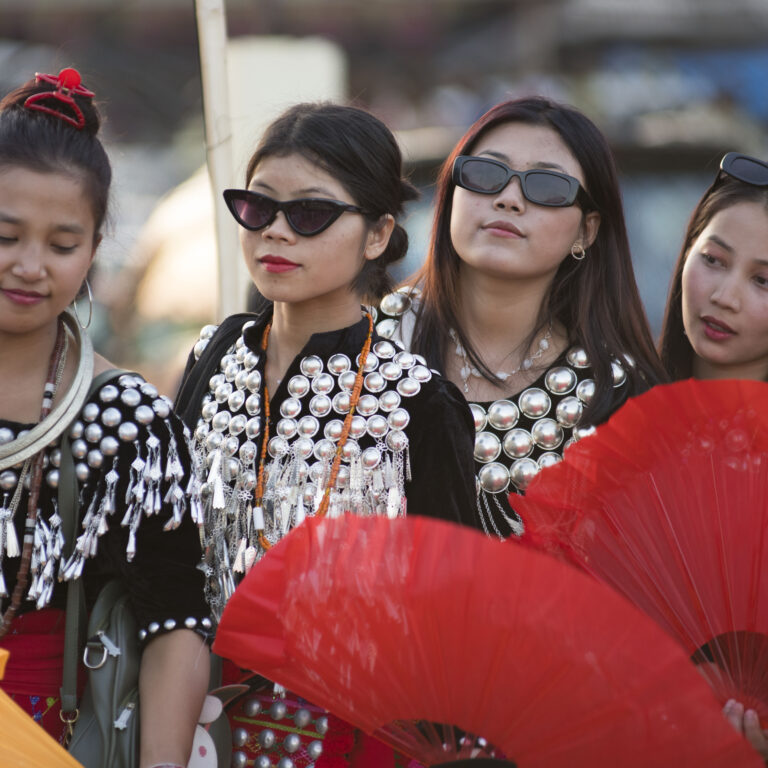
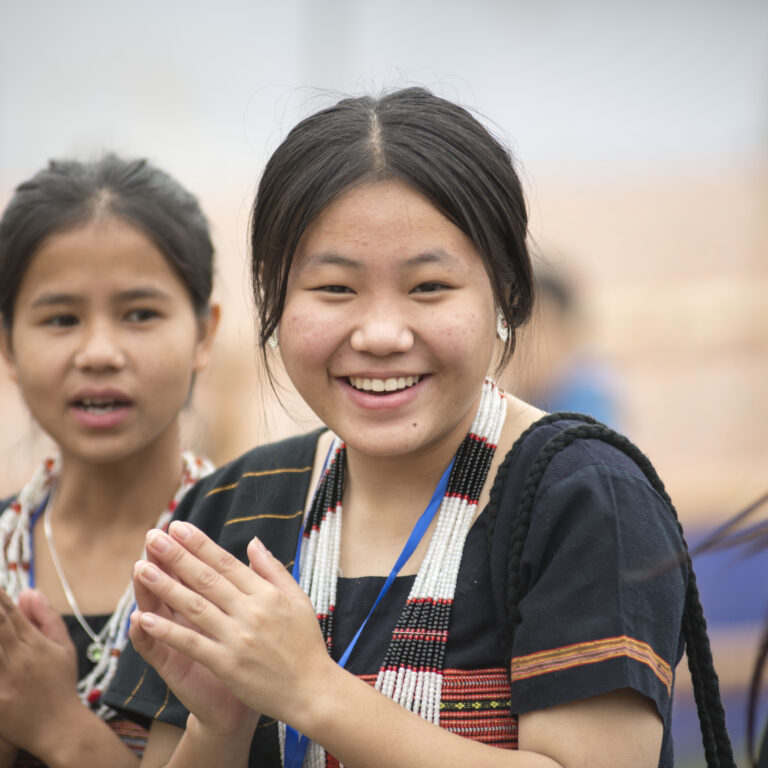
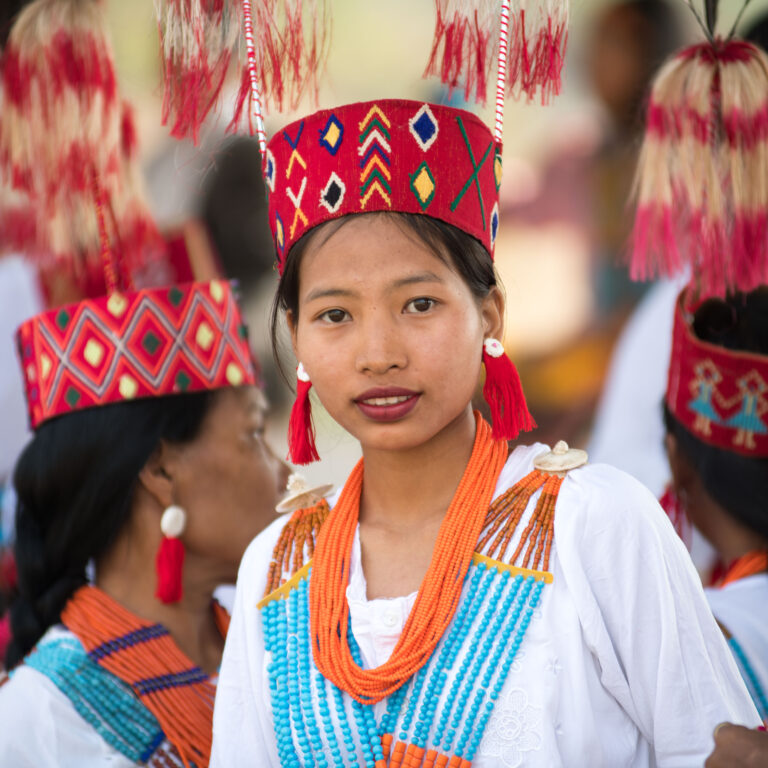
Local Culture: Interact with the locals, witness traditional crafts, and experience the warmth and hospitality of communities living in the valley.
Best Time to Visit
The ideal time to visit Walong is from October to April, when the weather is pleasant and the skies are mostly clear. Winter months bring crisp, cool air and clear views of the surrounding hills, while early spring adds a touch of greenery to the valley. Monsoon season (June–September) is best avoided due to heavy rains and landslides on mountain roads.
How to Reach Walong
Walong is remote but accessible via road and air:
By Air: The nearest airport is Dibrugarh (Assam). From there, travelers can hire taxis or take shared vehicles to Walong.
By Train: The nearest railway station is Dibrugarh, which is well connected to major Indian cities. From the station, road transport is required.
By Road: Walong is connected by motorable roads from Tezu, Tinsukia, and other nearby towns. Shared cabs, buses, and private taxis operate regularly, though roads can be narrow and winding, making the journey an adventurous experience.
Where to Stay
Accommodation in Walong is basic but sufficient for travelers seeking an authentic experience:
Government Guesthouses and Circuit Houses offer clean rooms and basic facilities.
Private Guesthouses and Lodges provide comfortable stays with simple amenities.
Homestays are highly recommended for an immersive experience, allowing visitors to enjoy local food, culture, and hospitality while interacting closely with the villagers.