Once known for having no hotels or tourist accommodations, Longding has rapidly improved its hospitality scene. Today, the district offers comfortable hotels, impressive new resorts, and a growing number of homestays that allow visitors to experience authentic Wancho hospitality.
Festival of Wancho Tribe
Oriah
Where culture dances, colours speak, and traditions breathe.
The Wancho community celebrates a wide range of fairs and festivals, each distinct in its timing, rituals, and place of observance. Yet, all of them share a deep connection with agriculture and Mother Nature. Among these, Oriah is the most significant festival of the Wancho tribe—once known for their tradition of headhunting. Oriah is usually celebrated with the onset of spring, and in some villages the festivities continue throughout the season. Each village follows its own lunar calendar, so the dates may vary, though it is generally observed in the first half of the lunar month. Traditionally, the village council announces the date, while the official celebration of Oriah is observed annually from 14th to 16th February.
A key highlight of Oriah is the erection of a sacred bamboo post with seven branches, known as the Zangvaan. It is procured, beautifully decorated and installed at a holy platform called Zangvaan Tong. The Zangvaan is both the emblem of the Oriah festival and a symbol of Wancho culture and faith. After its installation, prayers are offered for a rich harvest, good health, prosperity, and the welfare of the entire community.
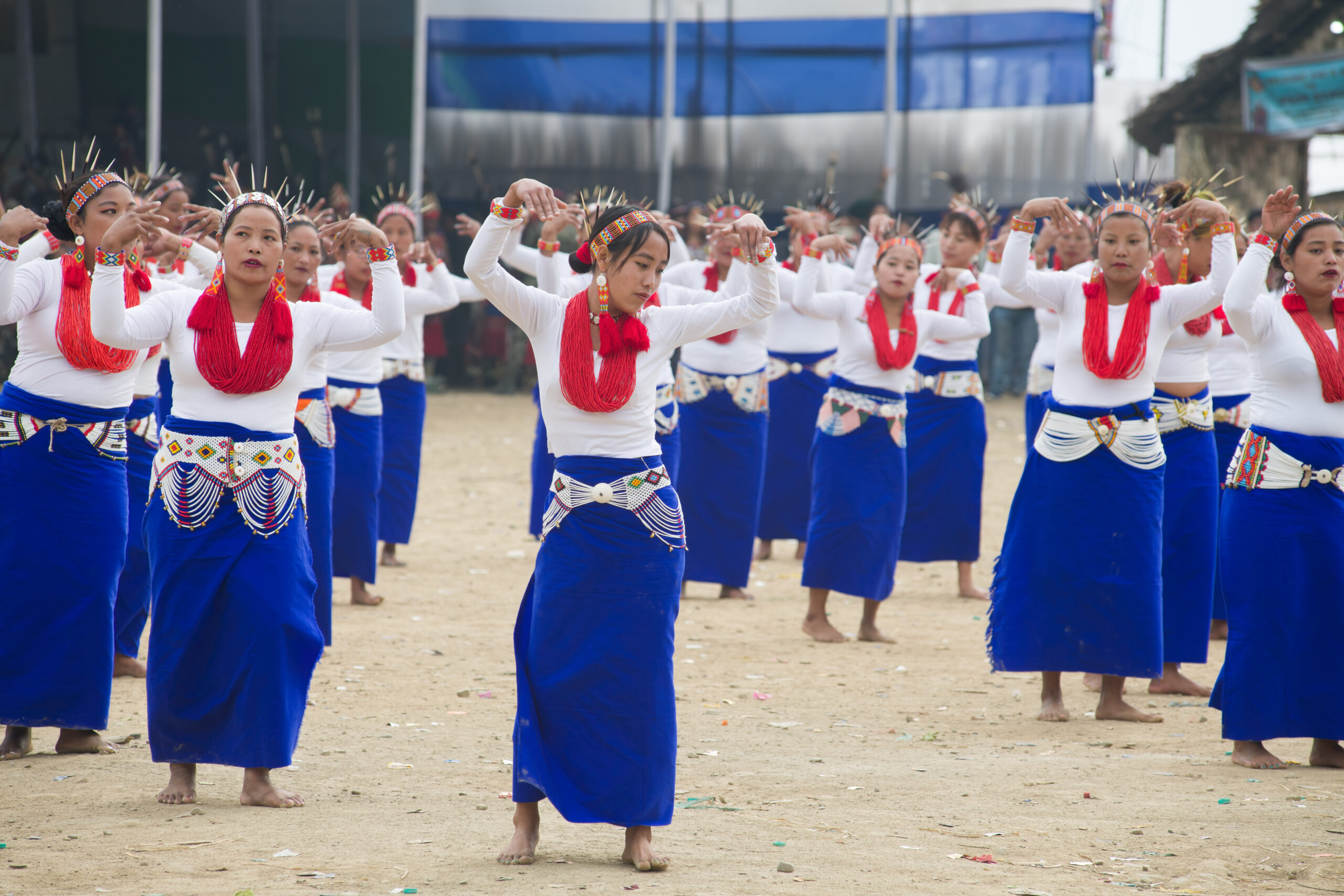
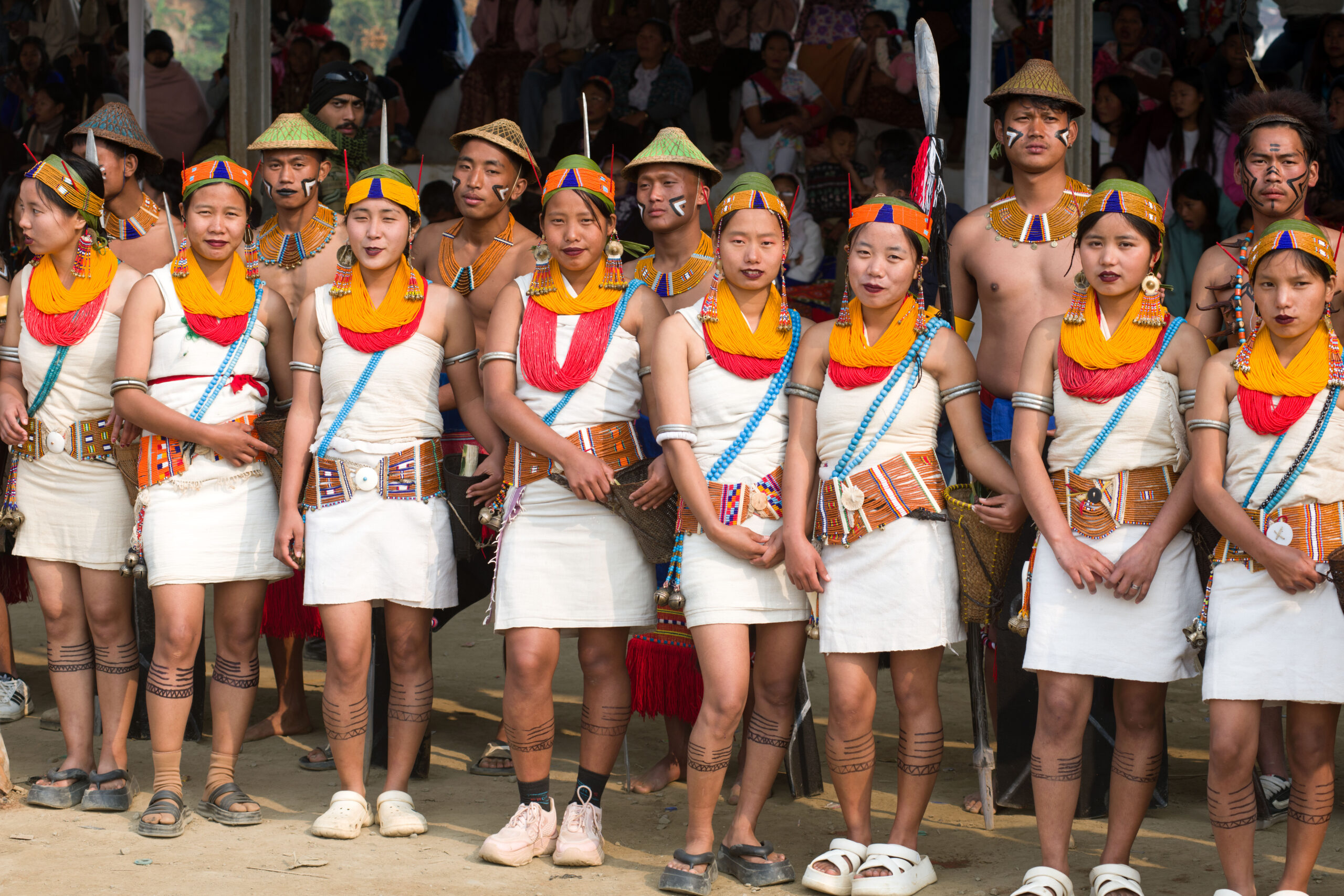
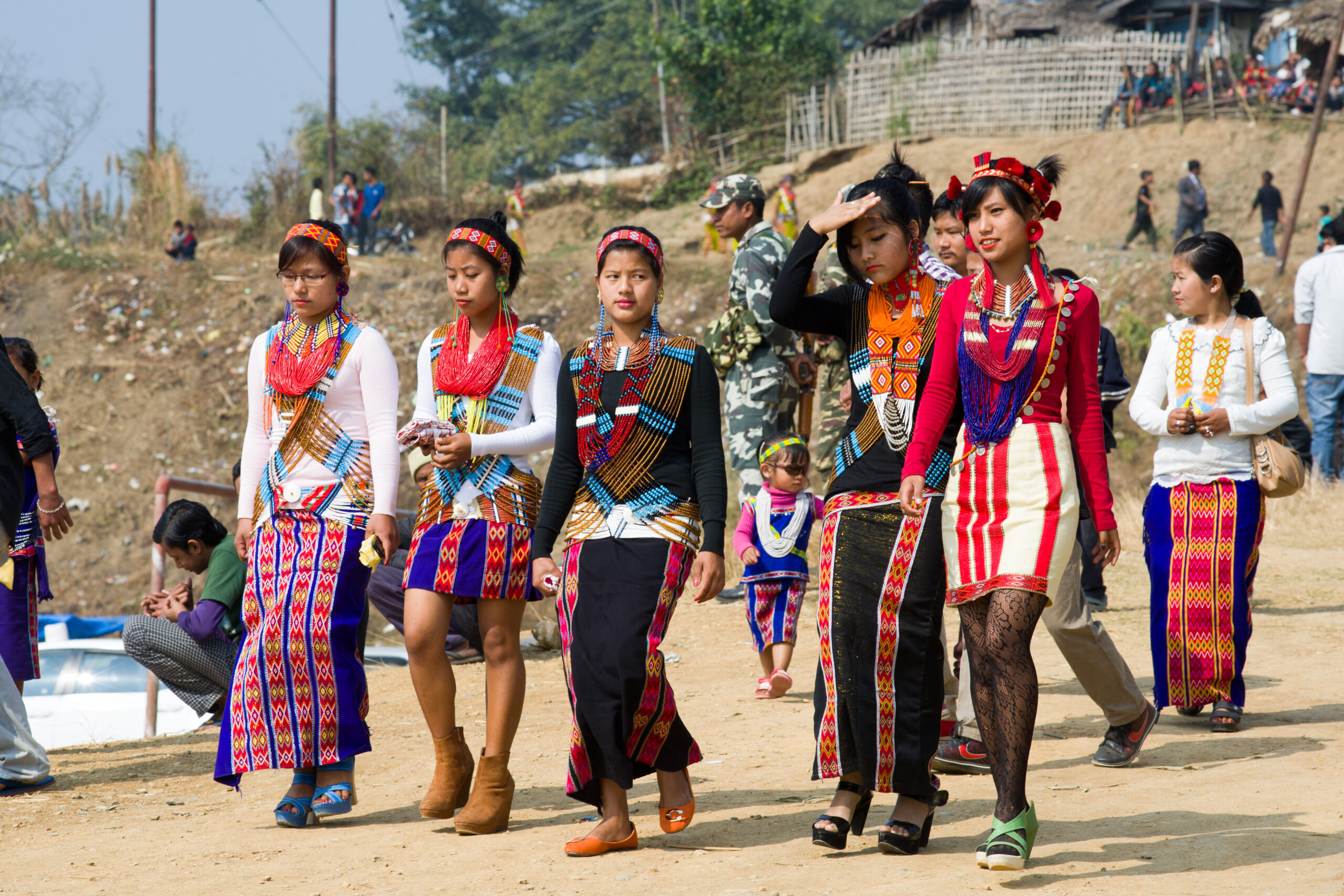
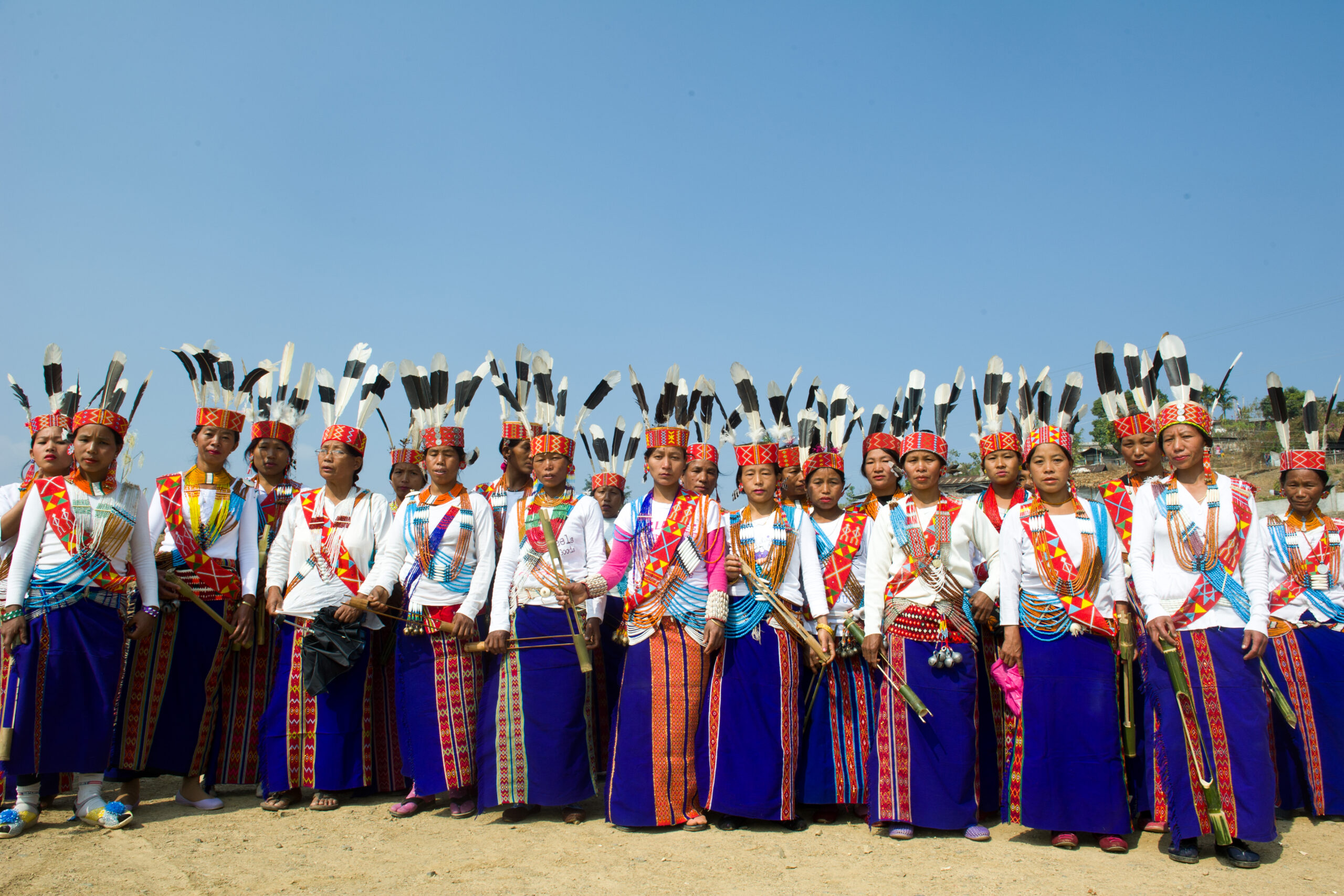
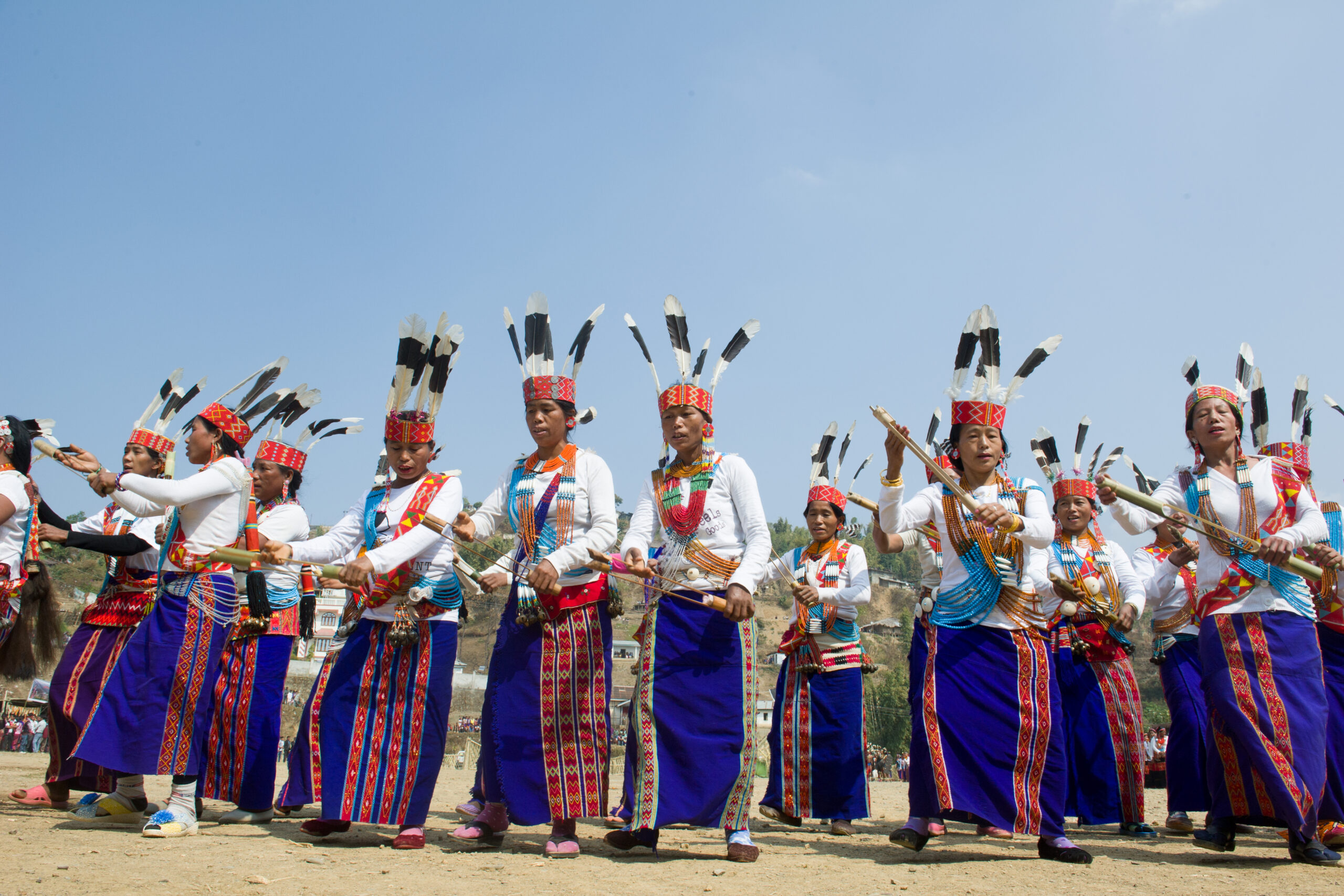
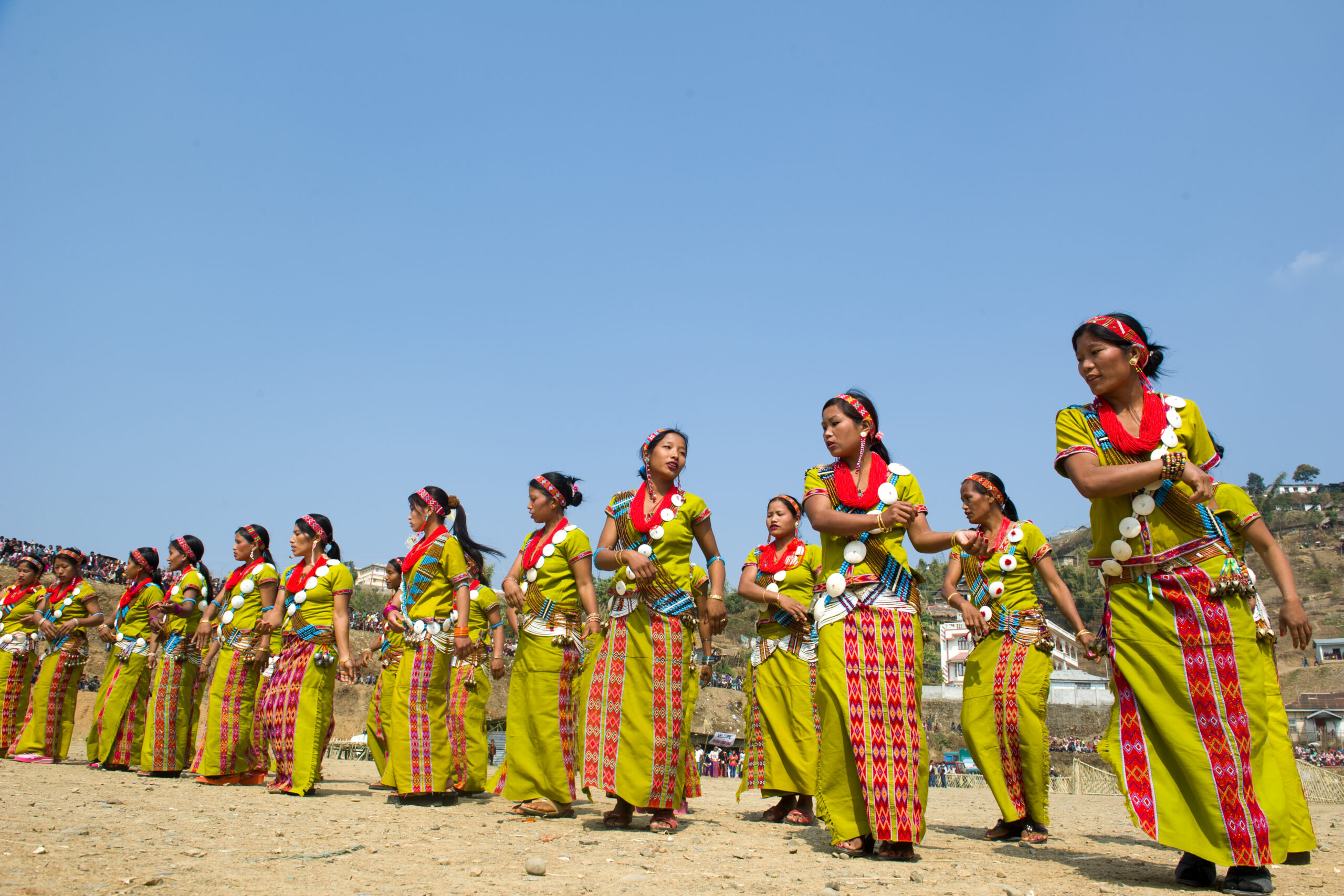
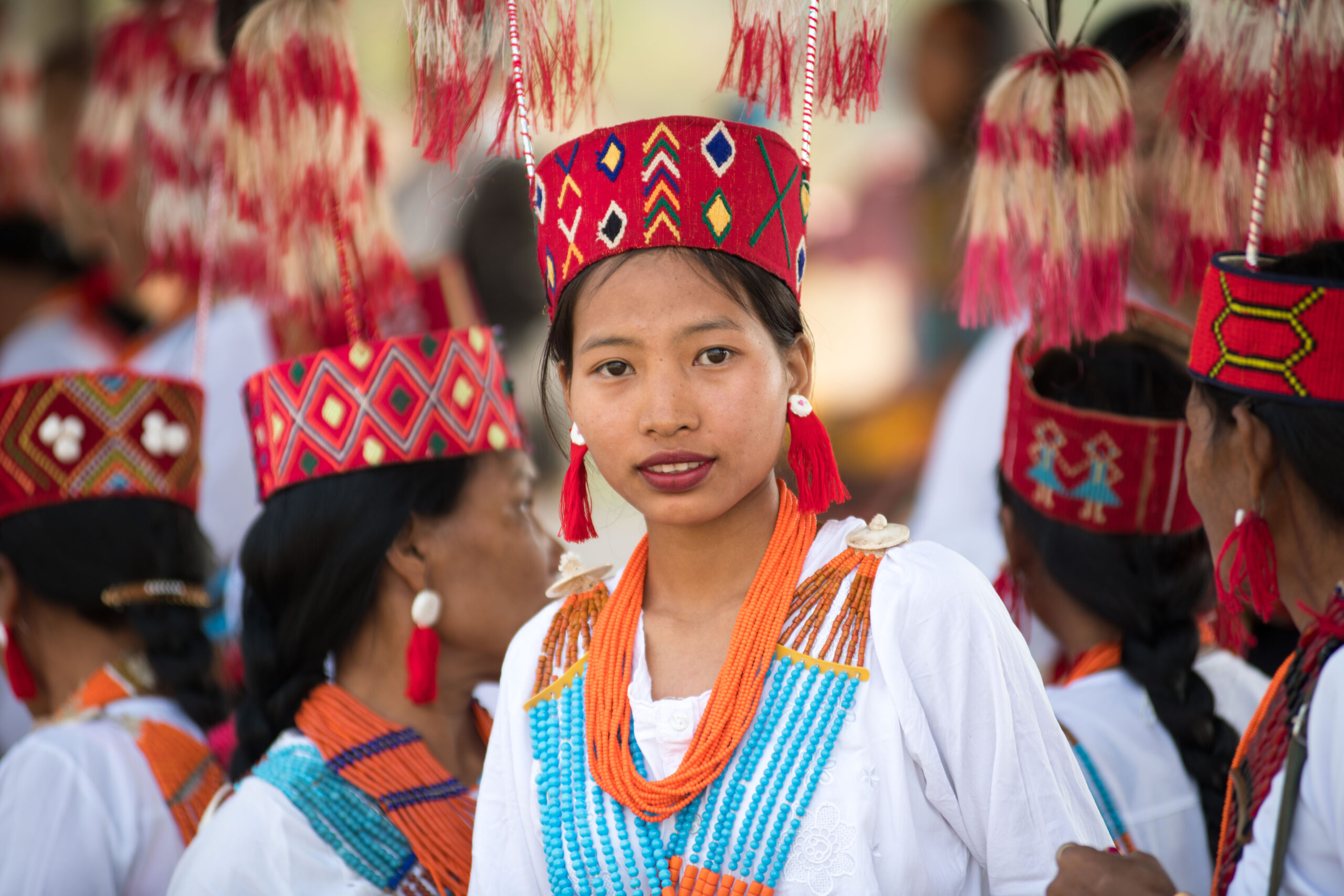
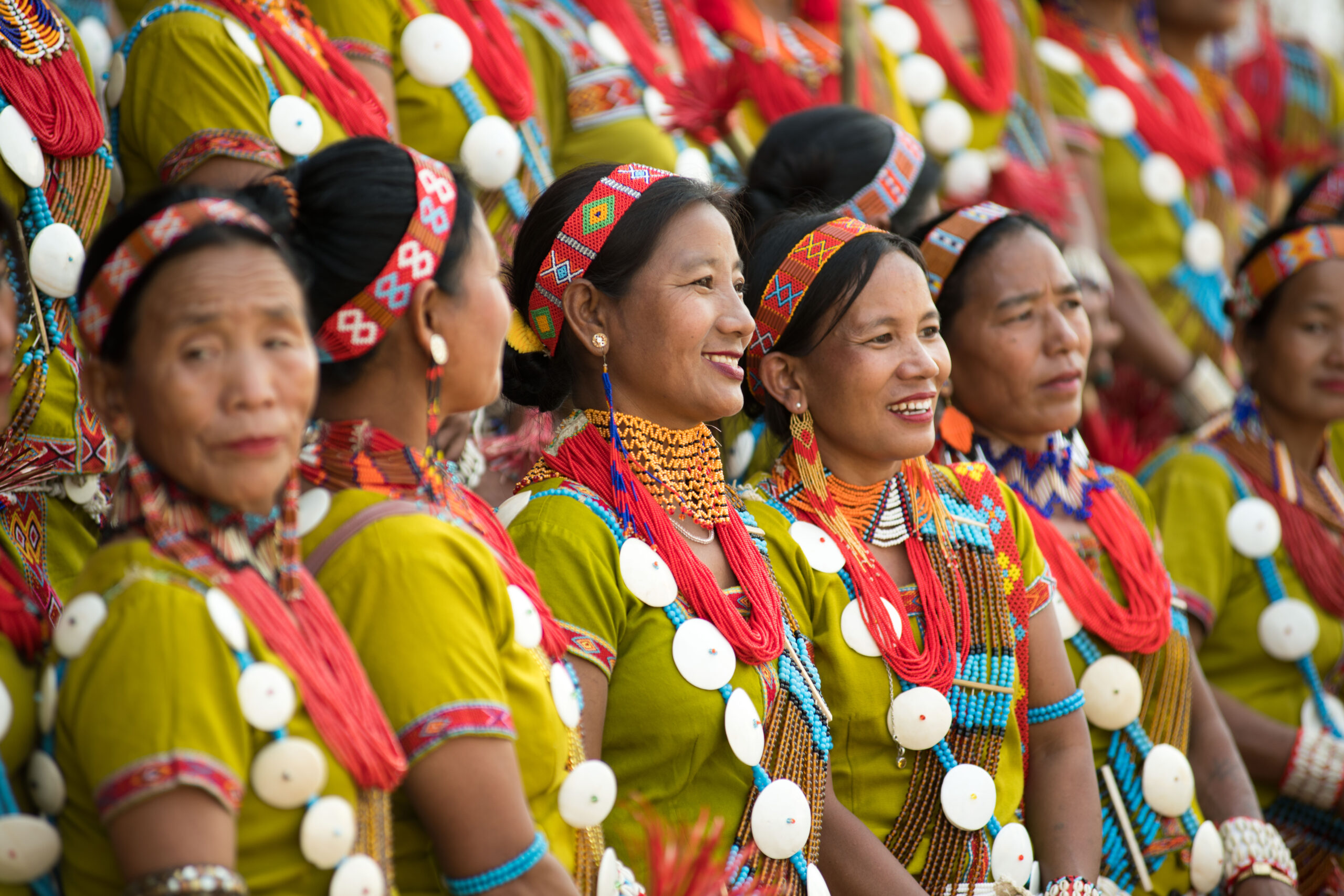
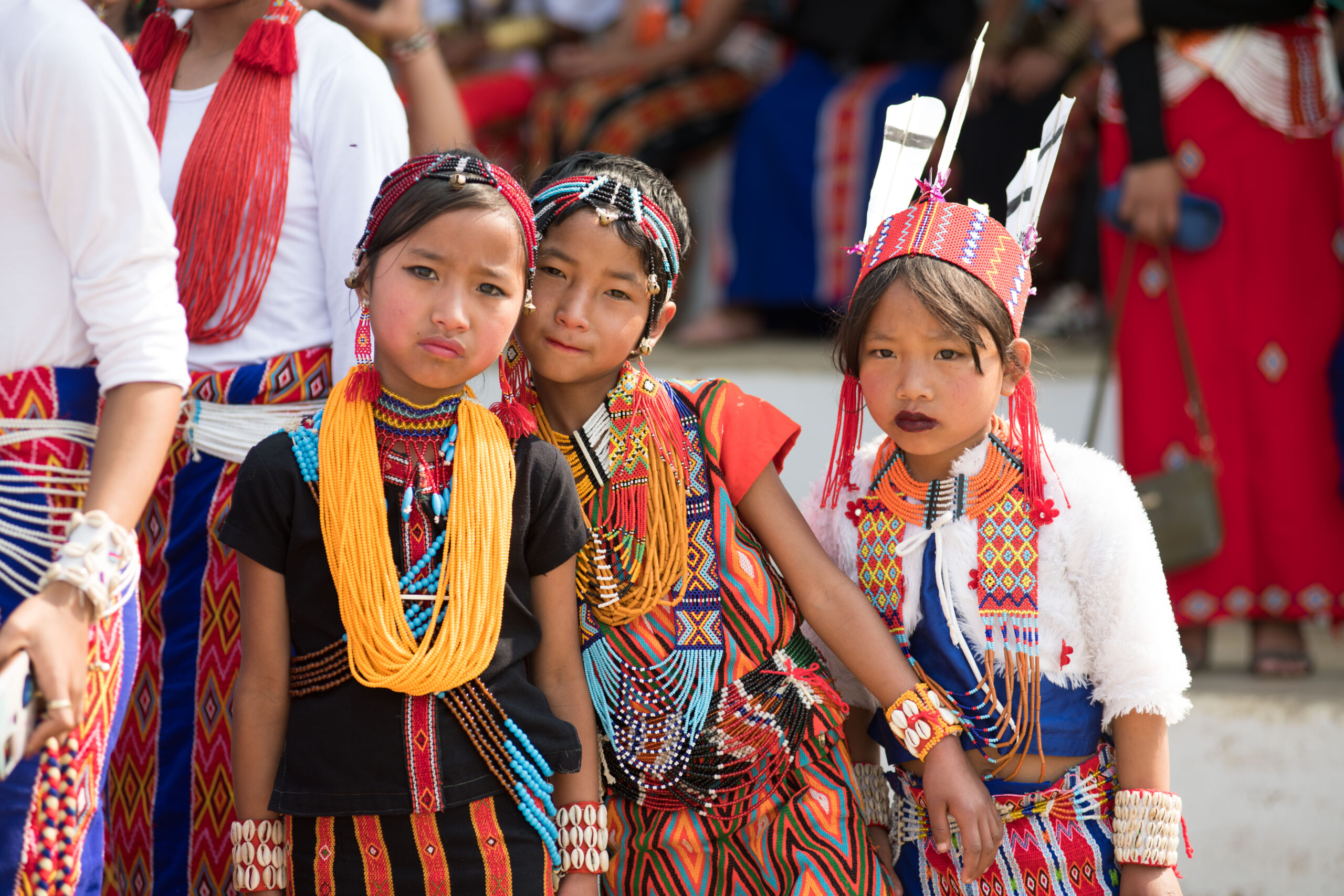
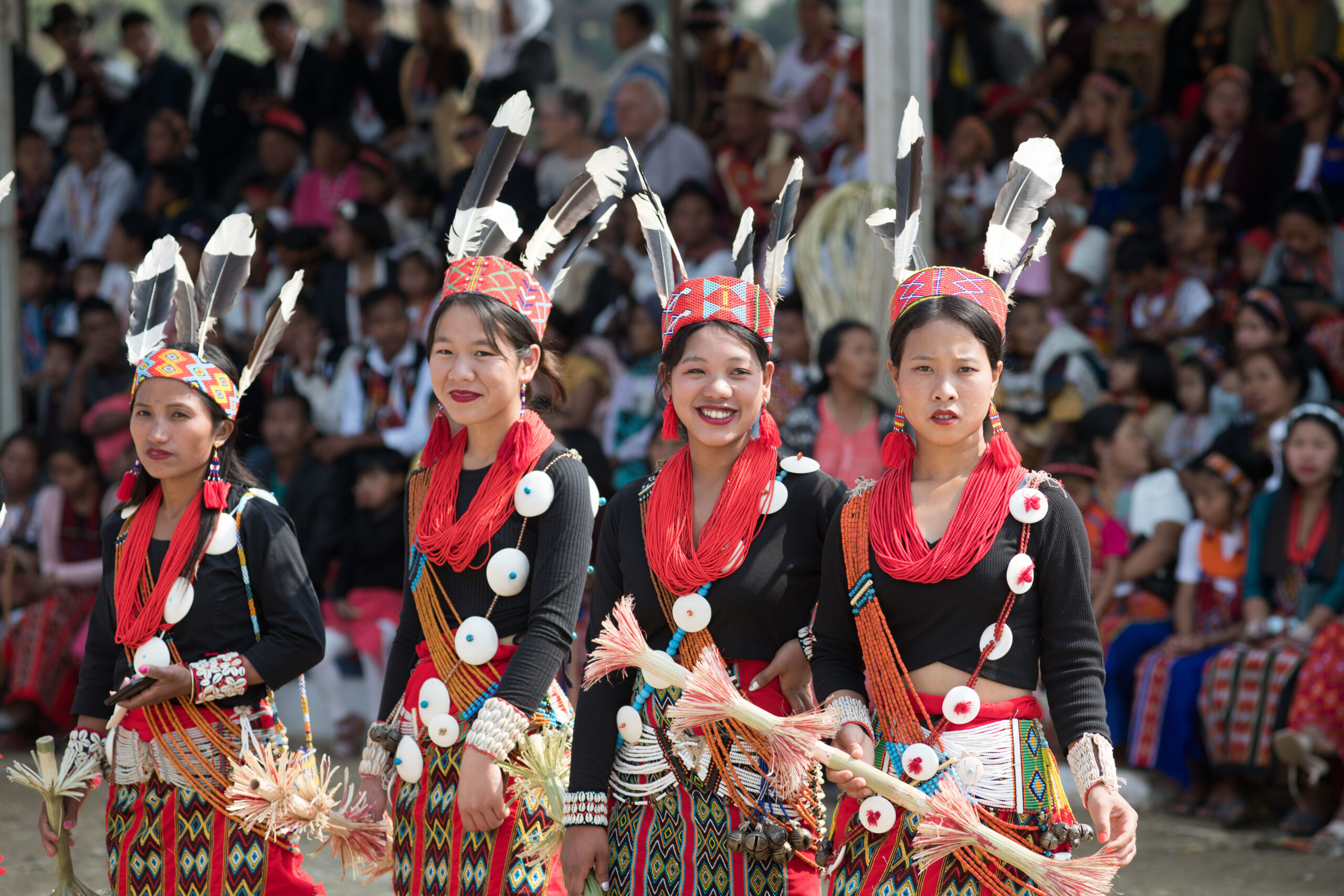
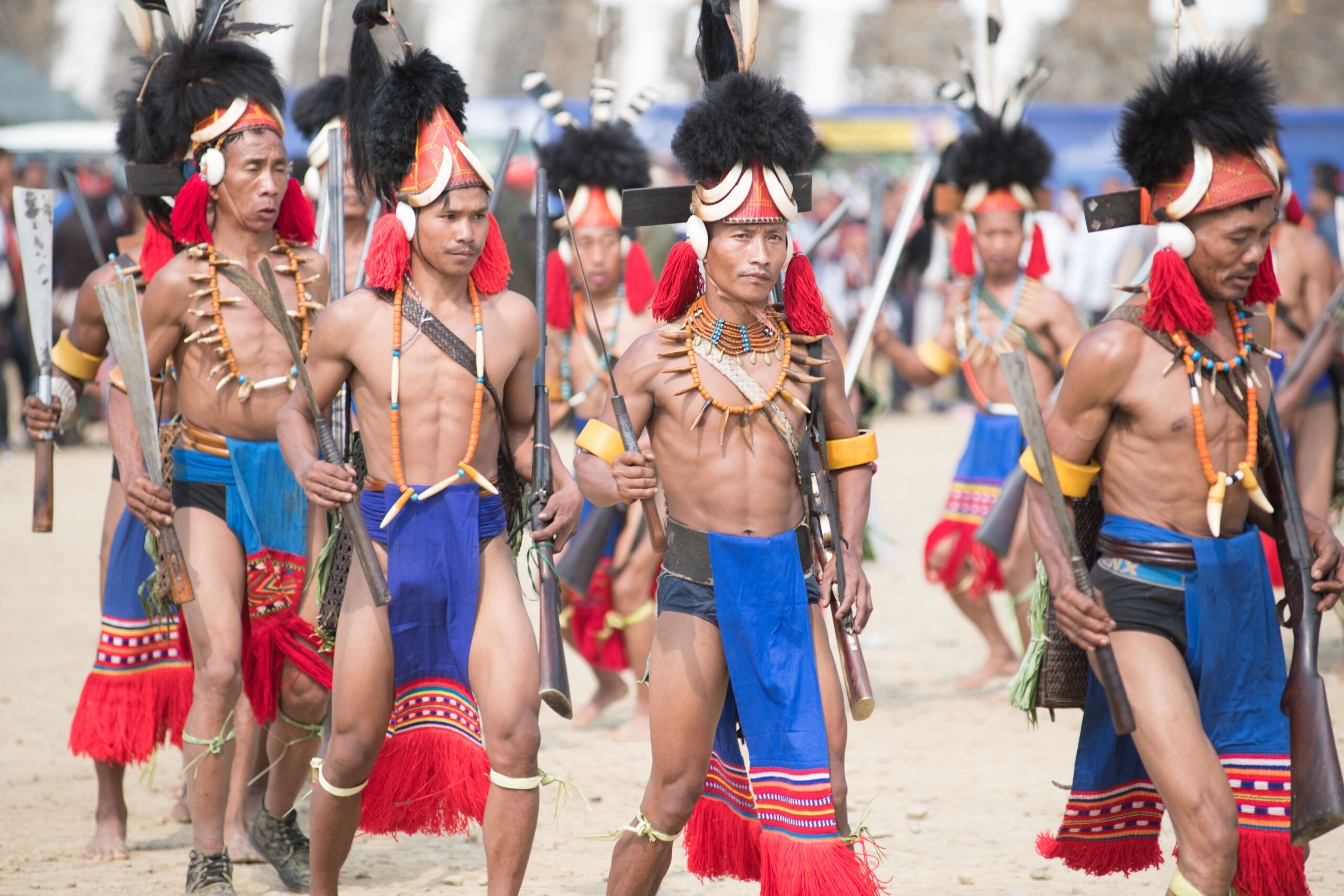
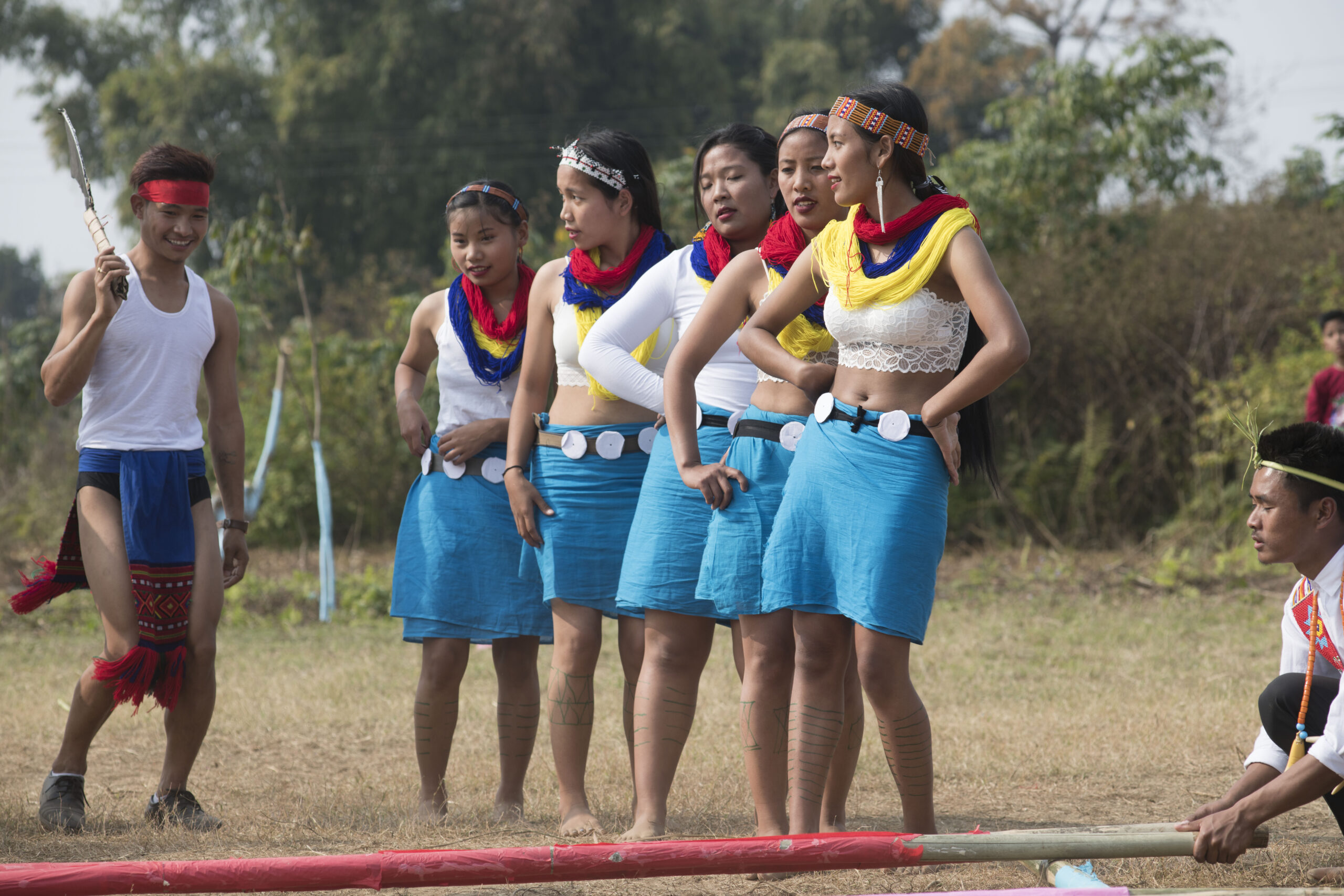
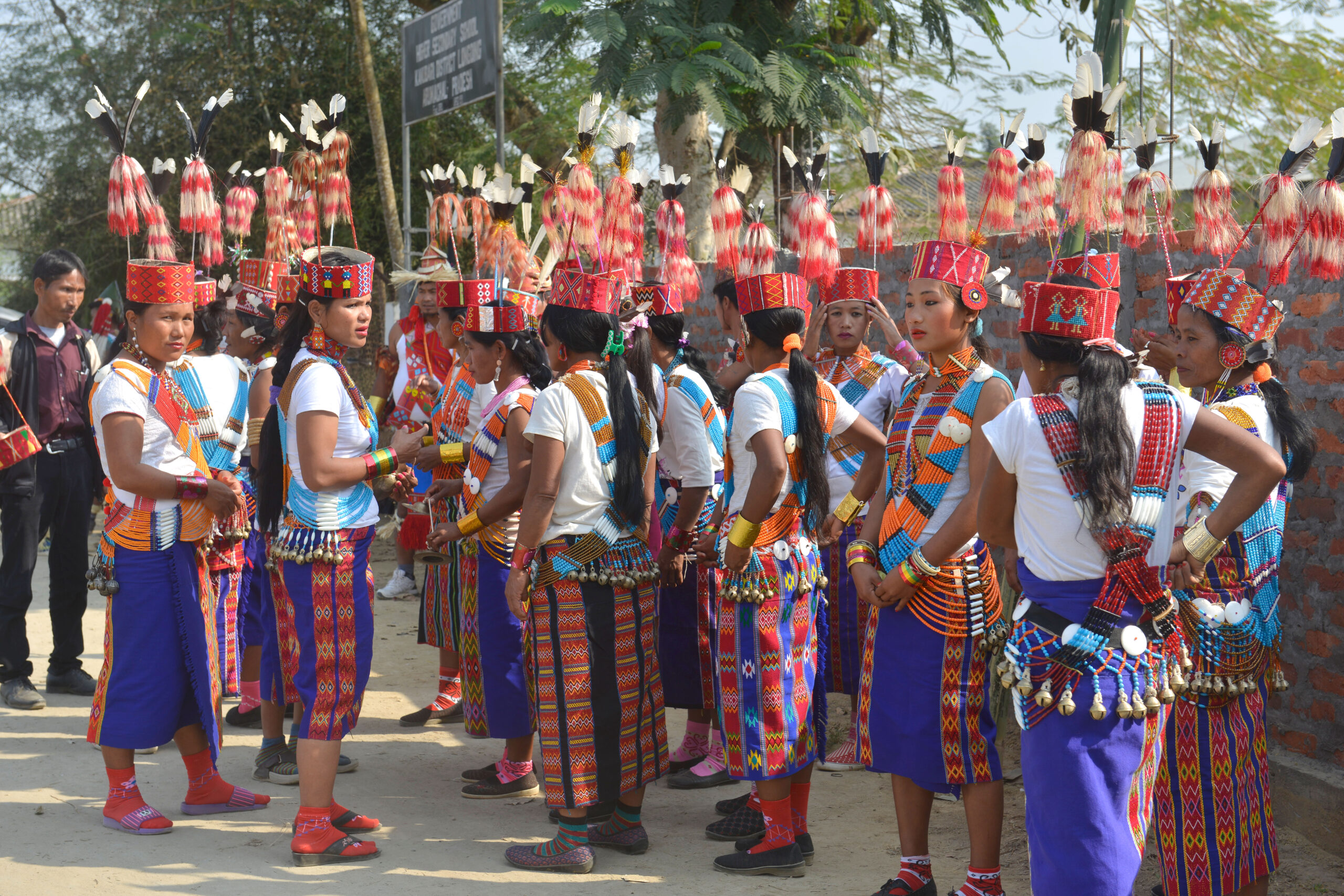
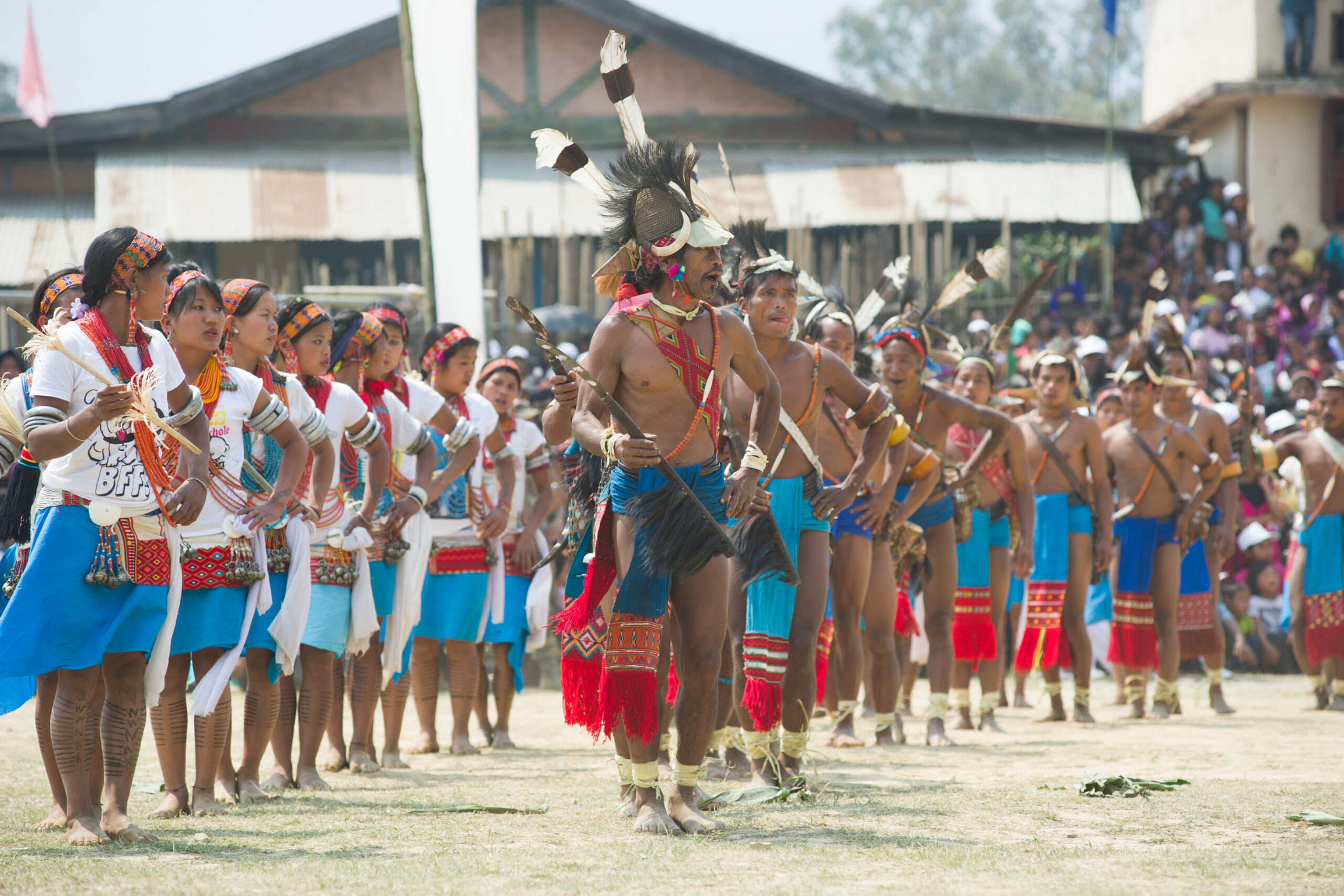
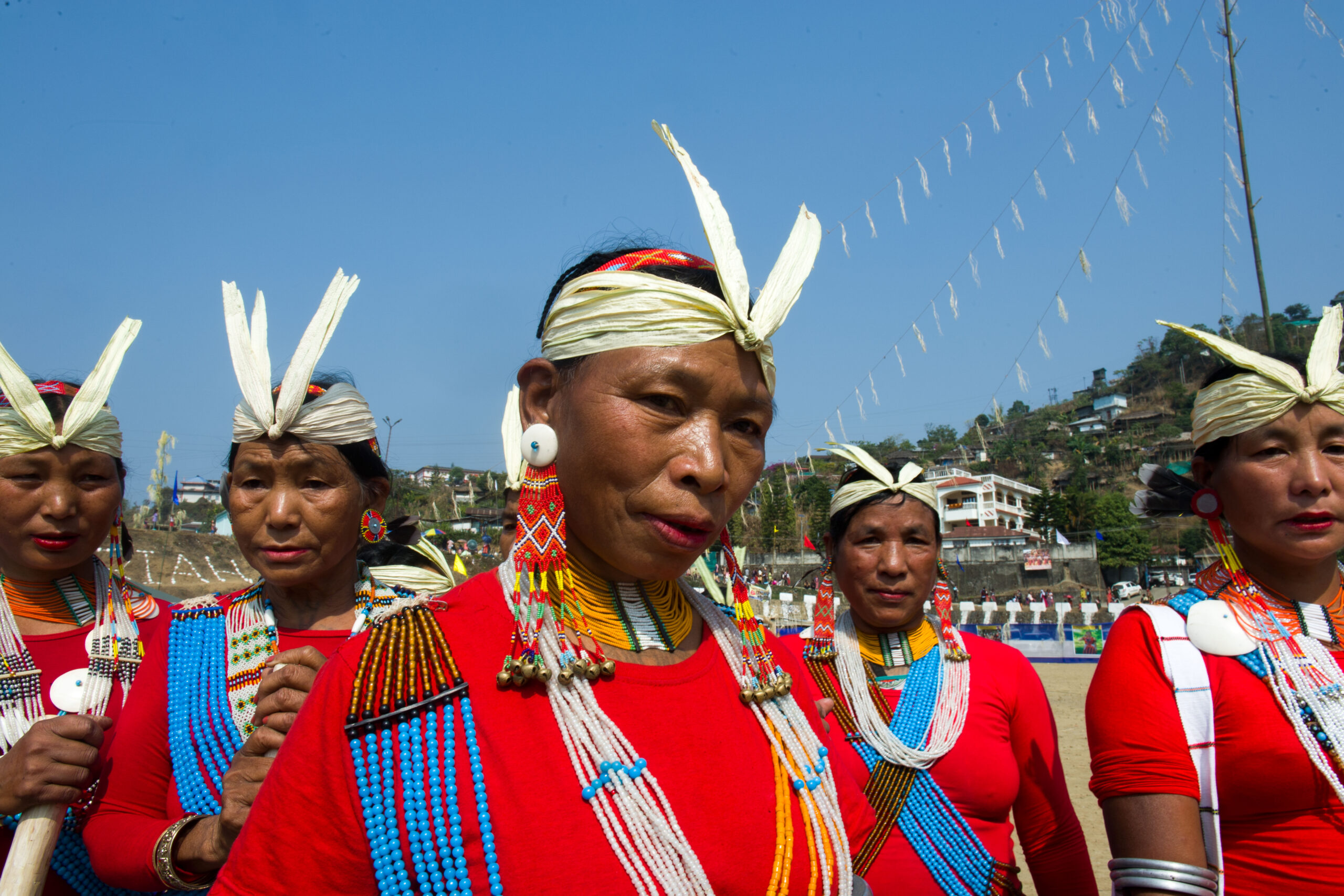
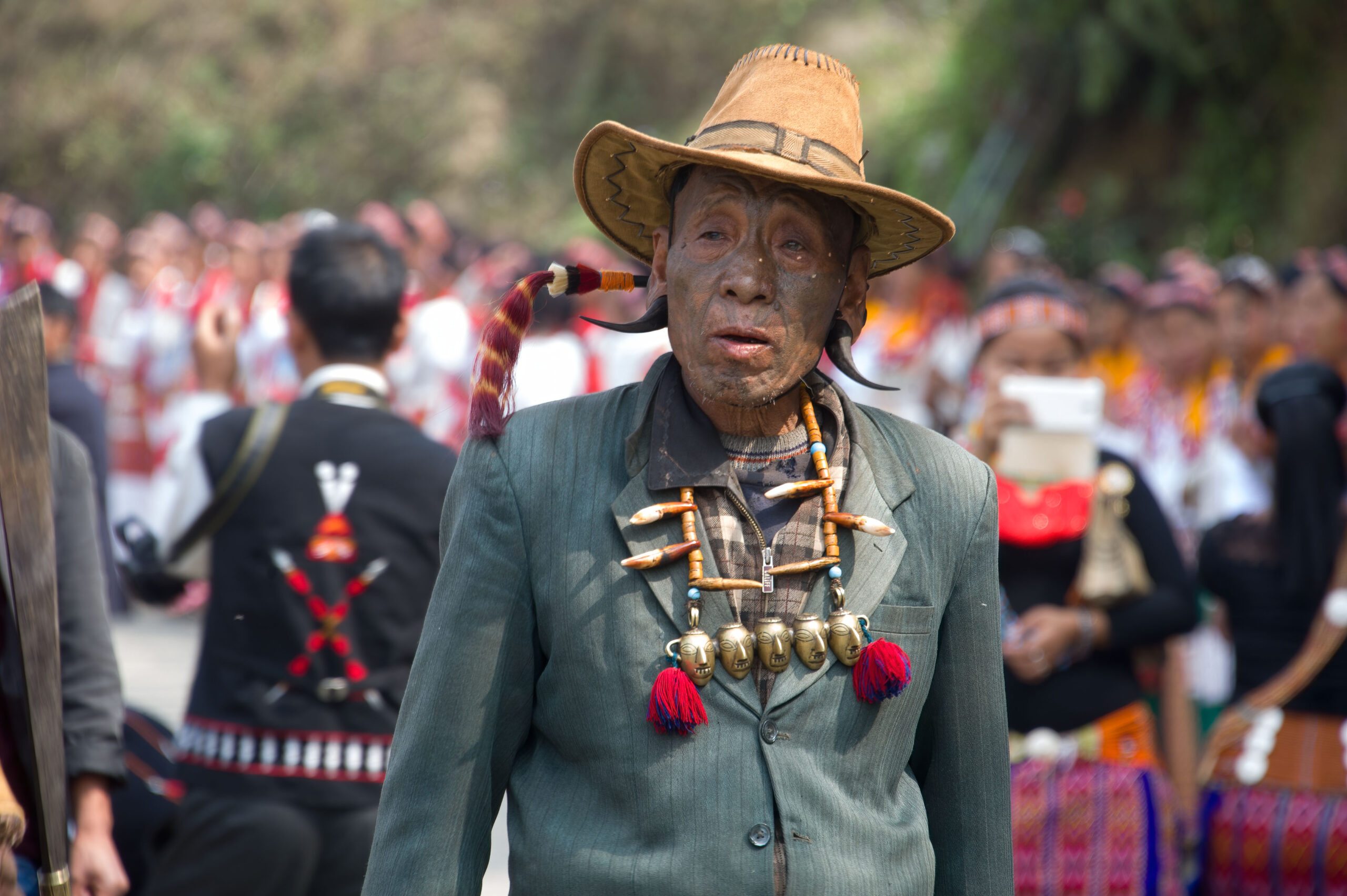
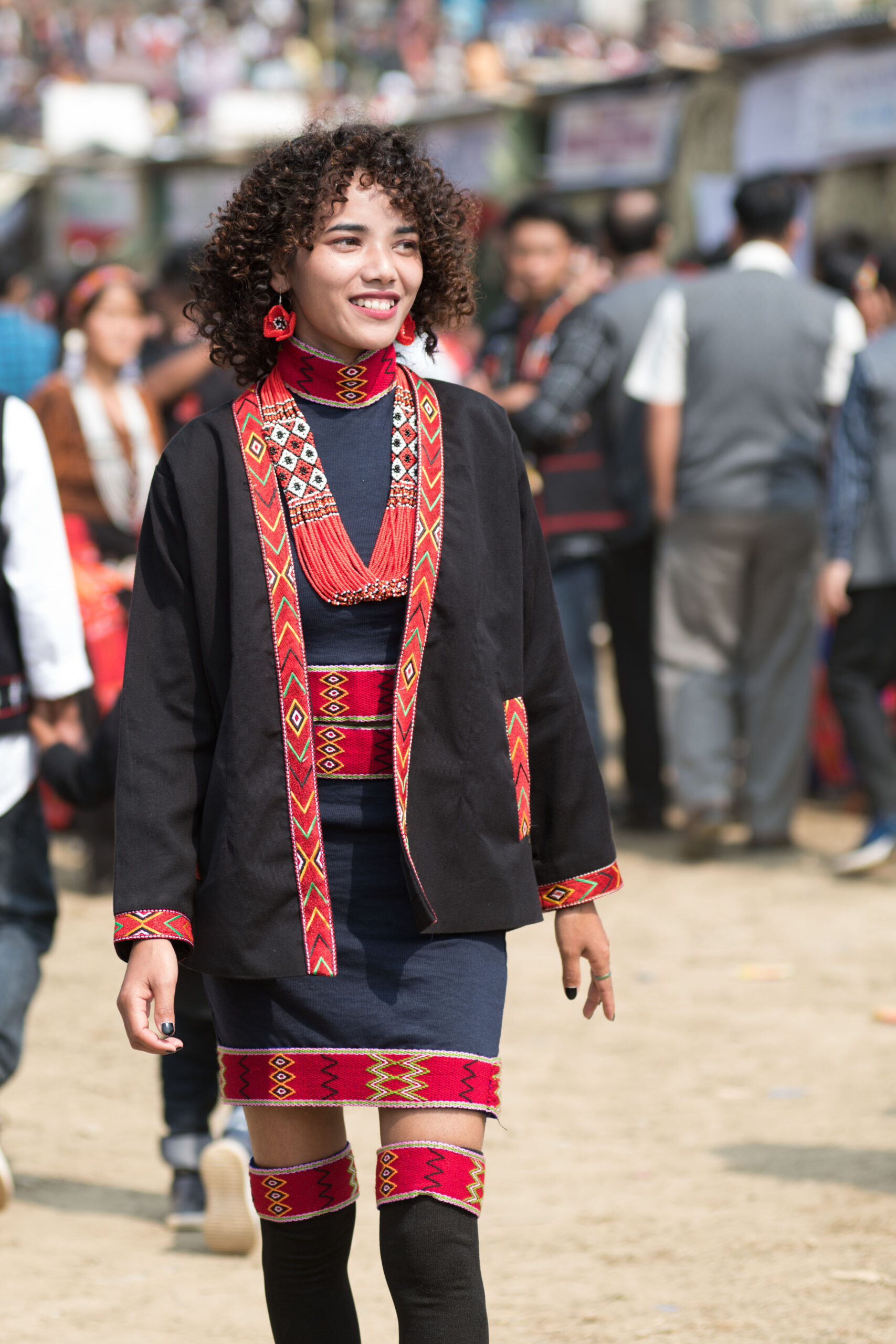
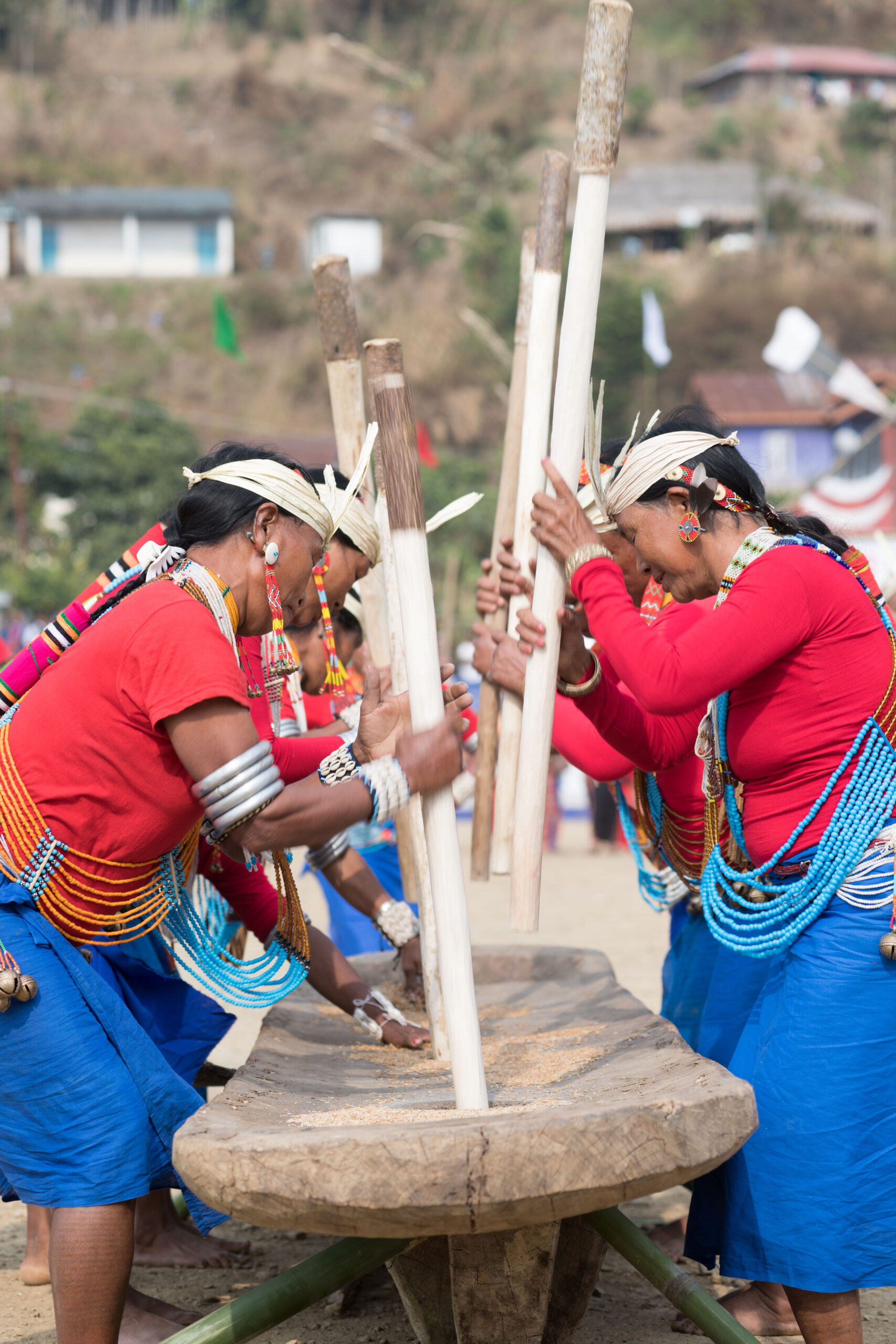
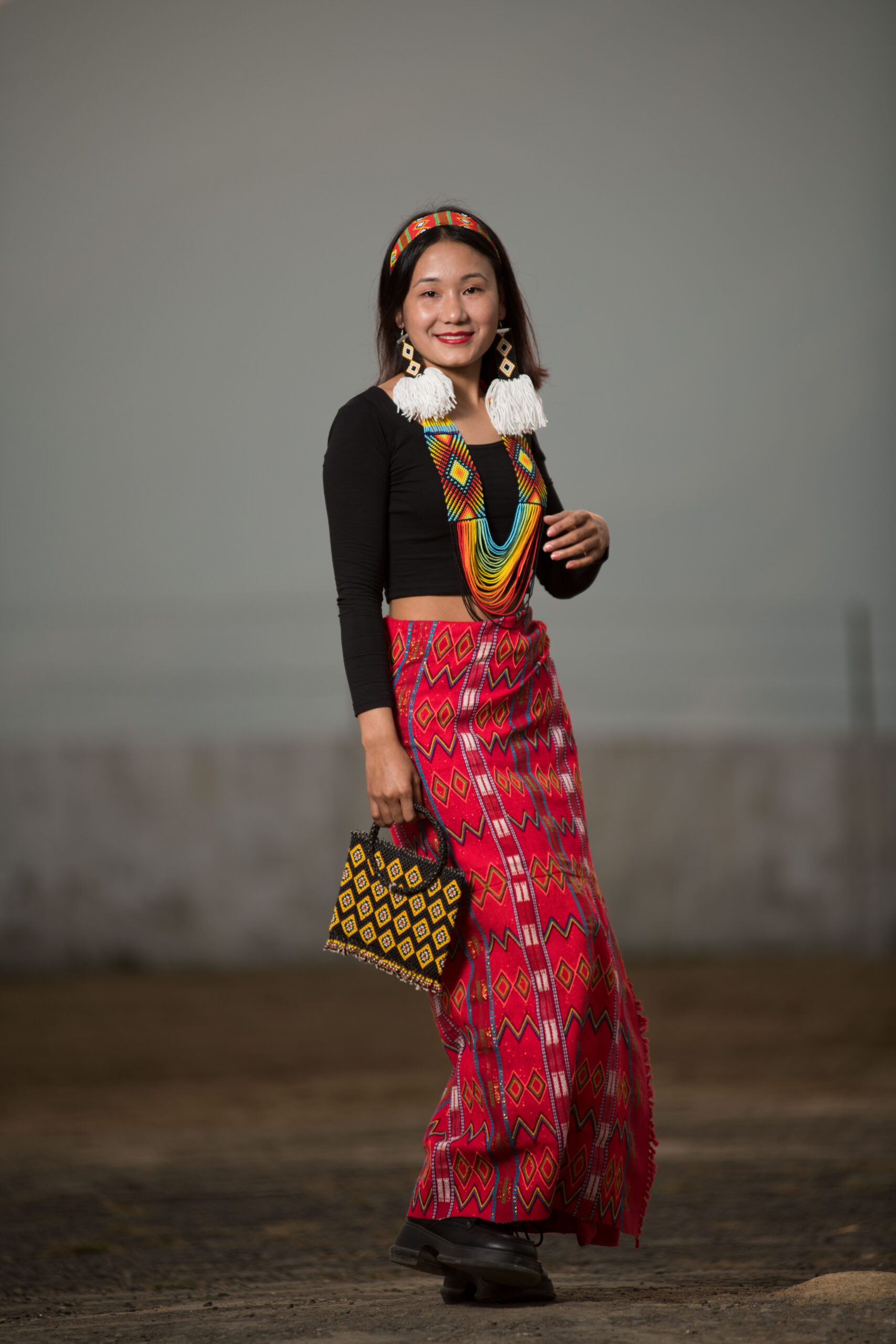
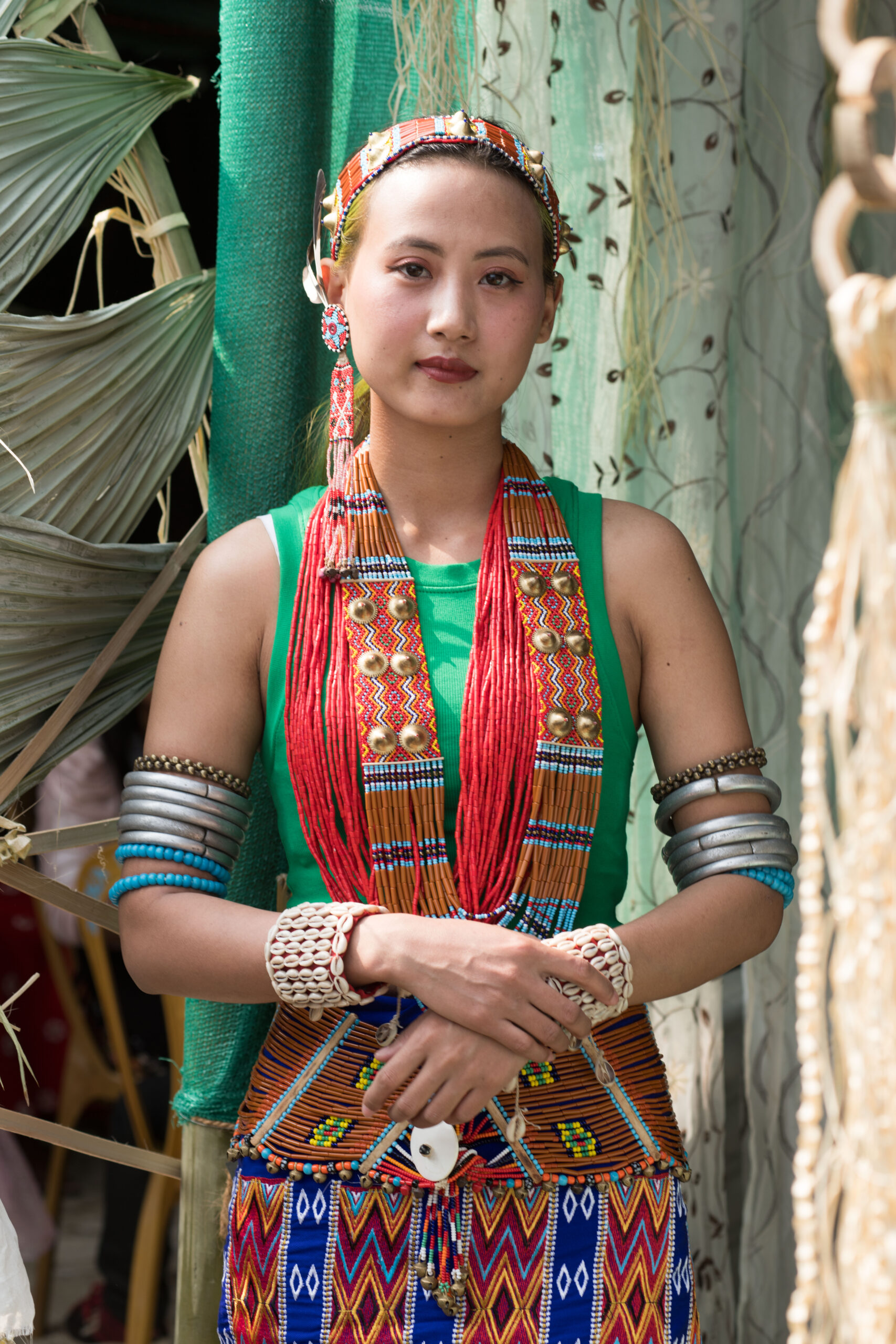
Oriah is a visual and cultural delight—a festival where the air resonates with rhythmic war dances, traditional drum beats and age-old folk songs. The Wanchos appear in their most vibrant traditional attire, adorned with intricate beadwork, feathered headgears, and handcrafted ornaments. Ancient weaponry is proudly displayed as part of their rich heritage, while the audience itself becomes a spectacle—men, women and children wrapped in beautifully handwoven fabrics and colourful jewellery. The entire celebration transforms the village into a living canvas of tradition, rhythm and colour.
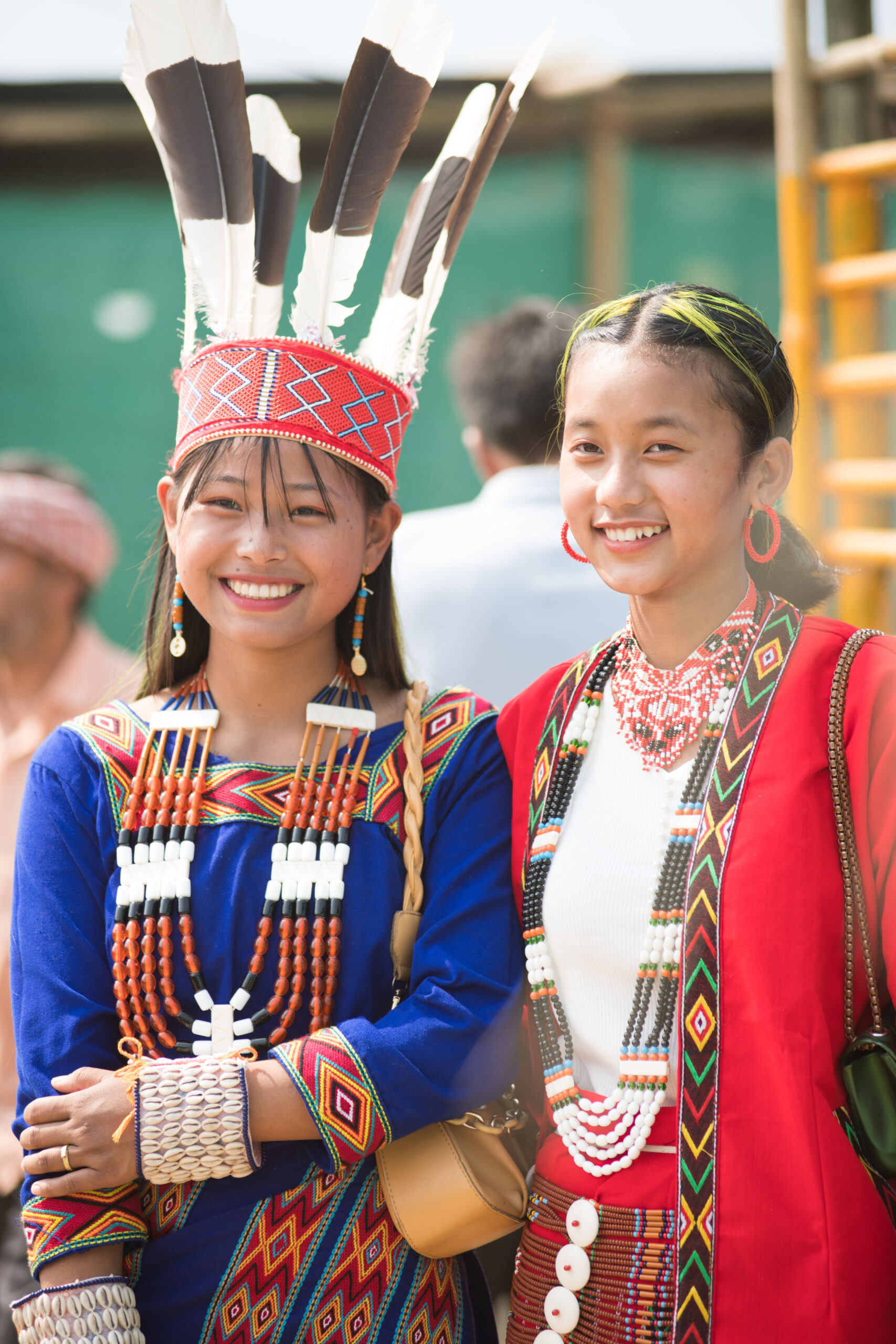
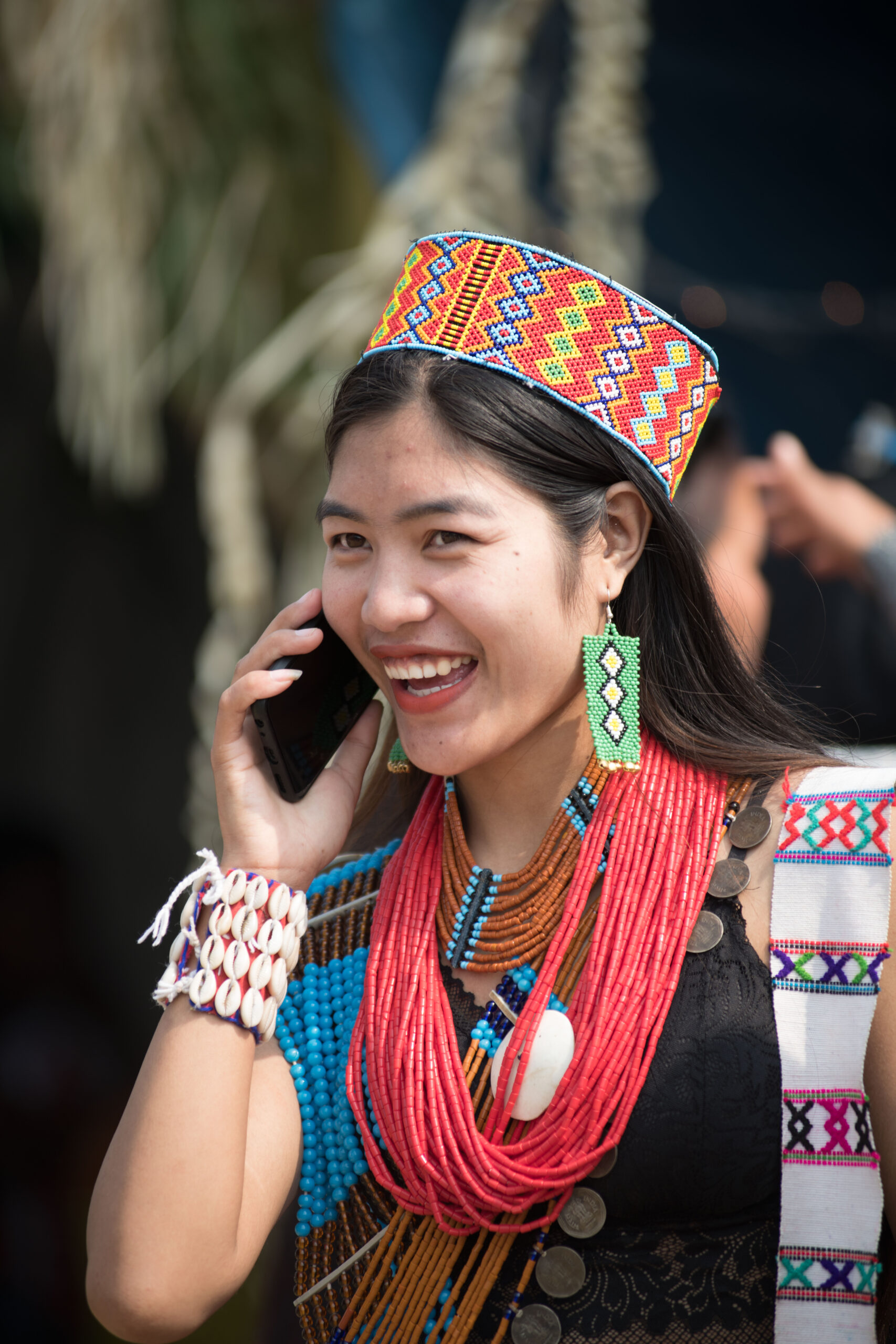
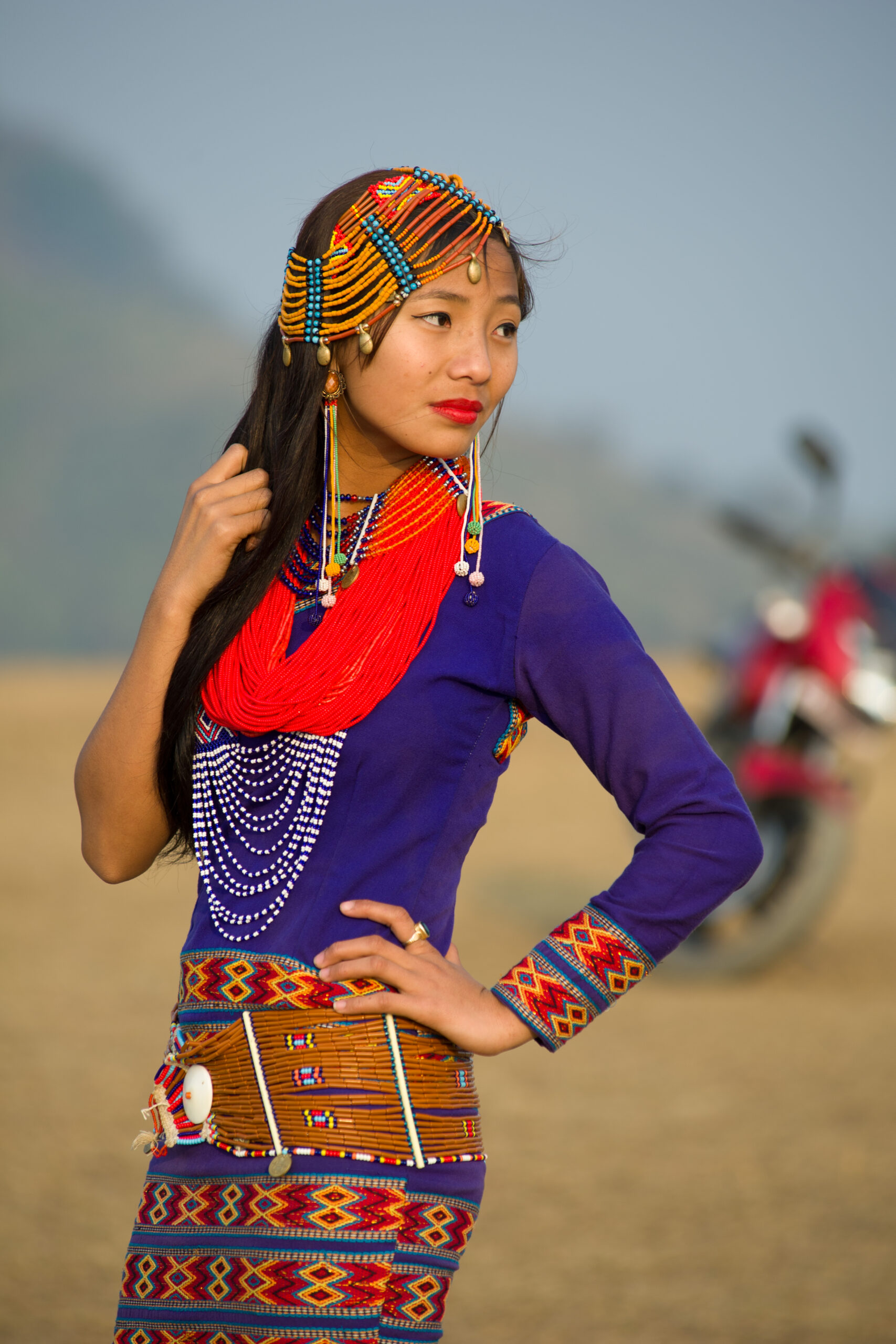
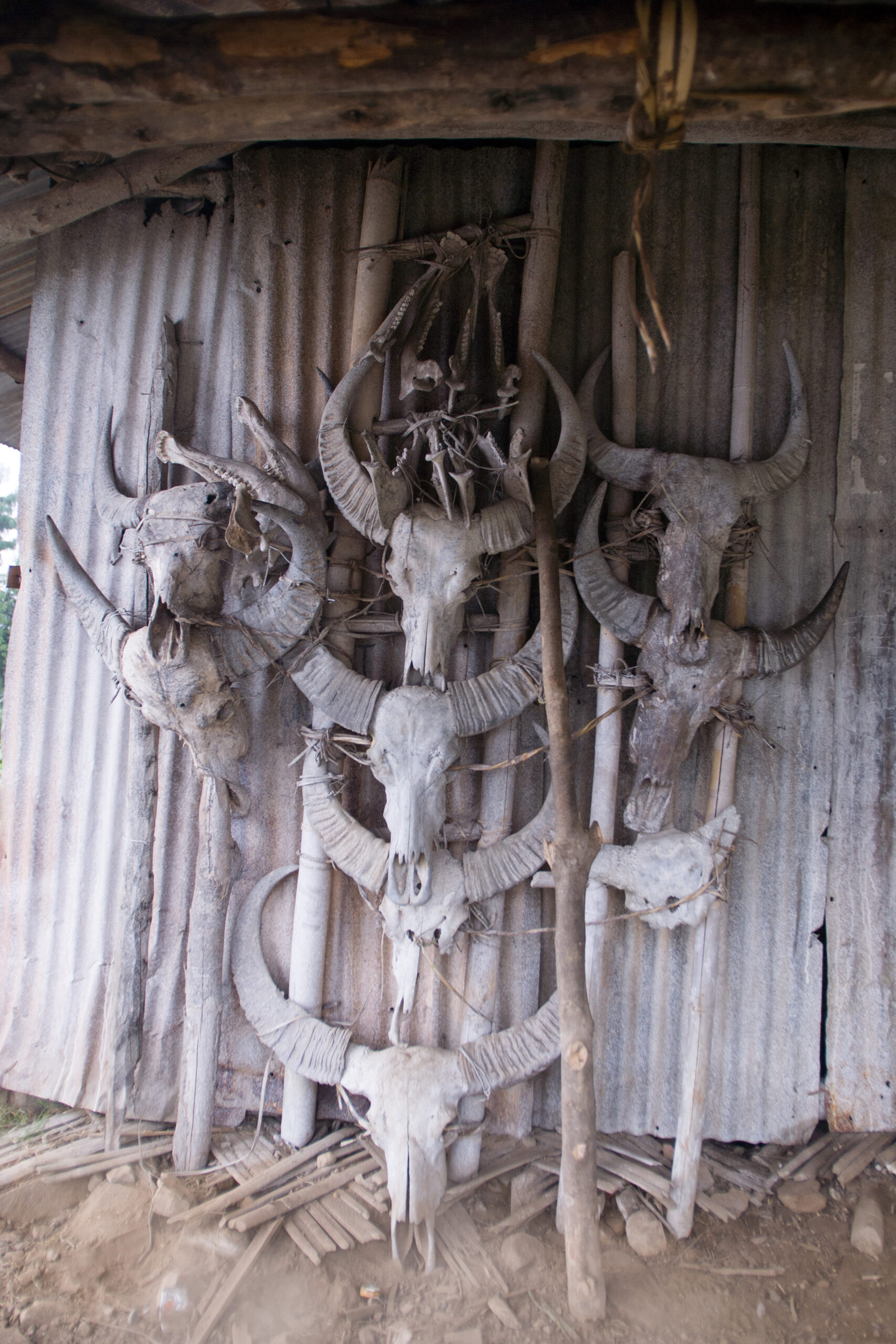
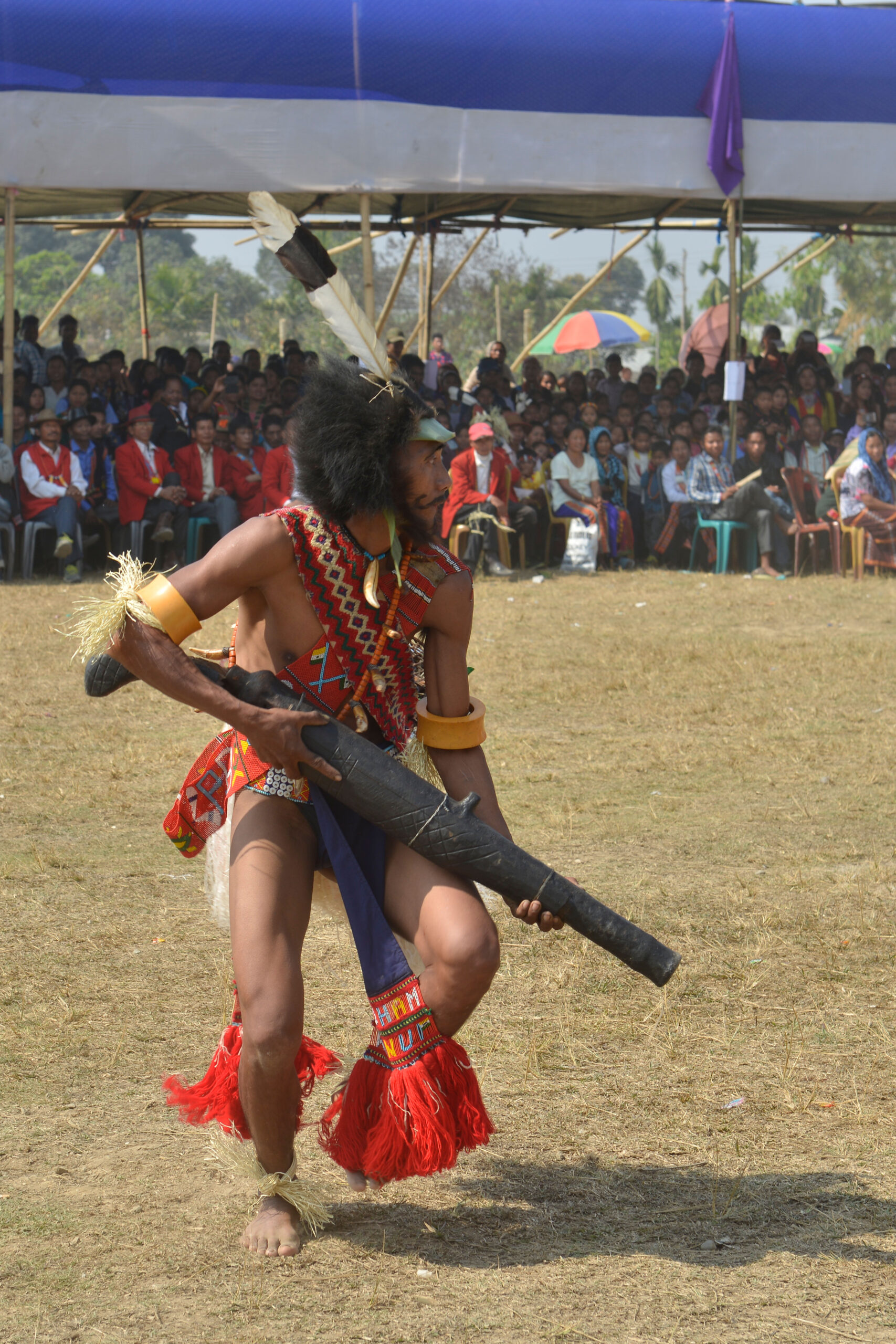
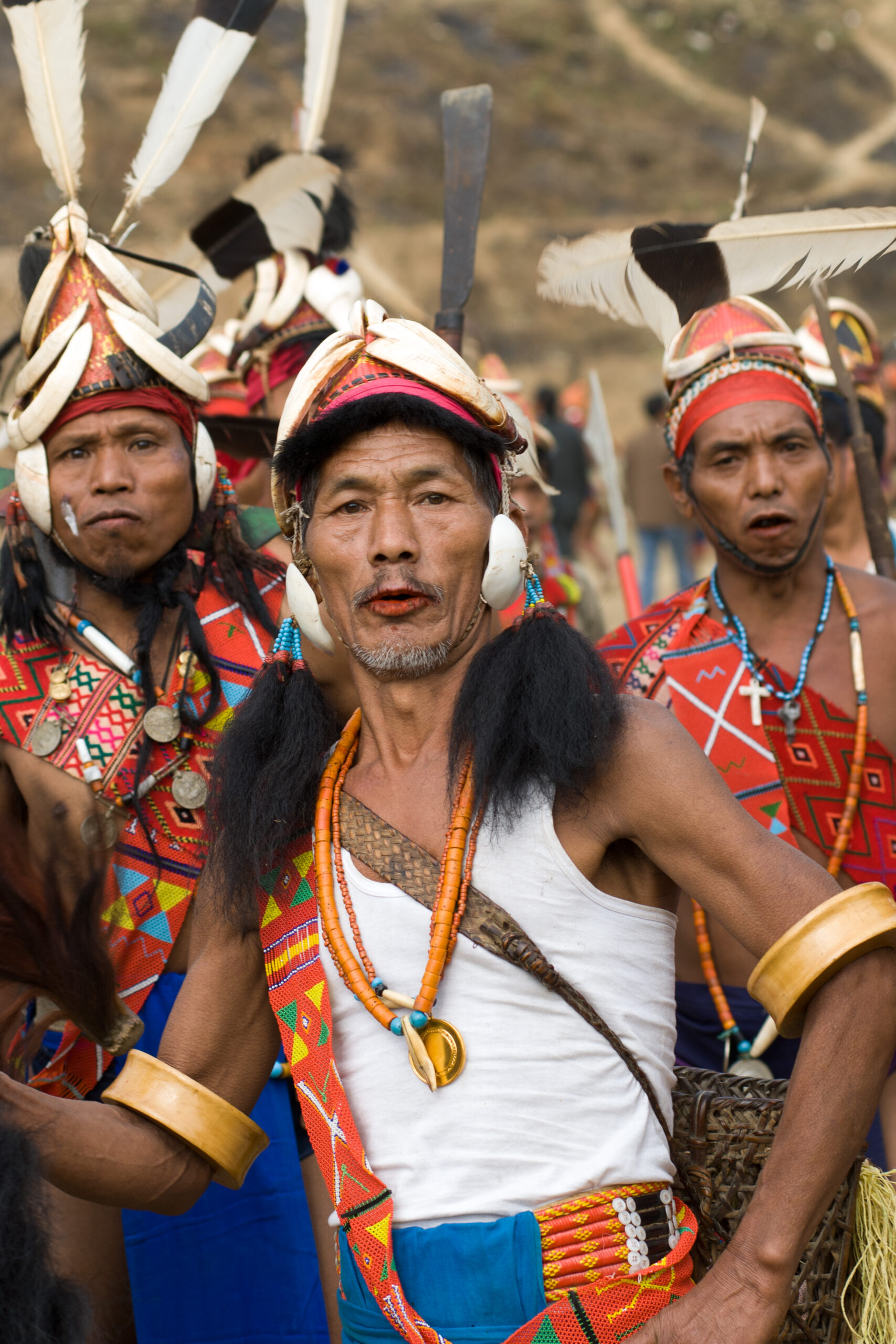
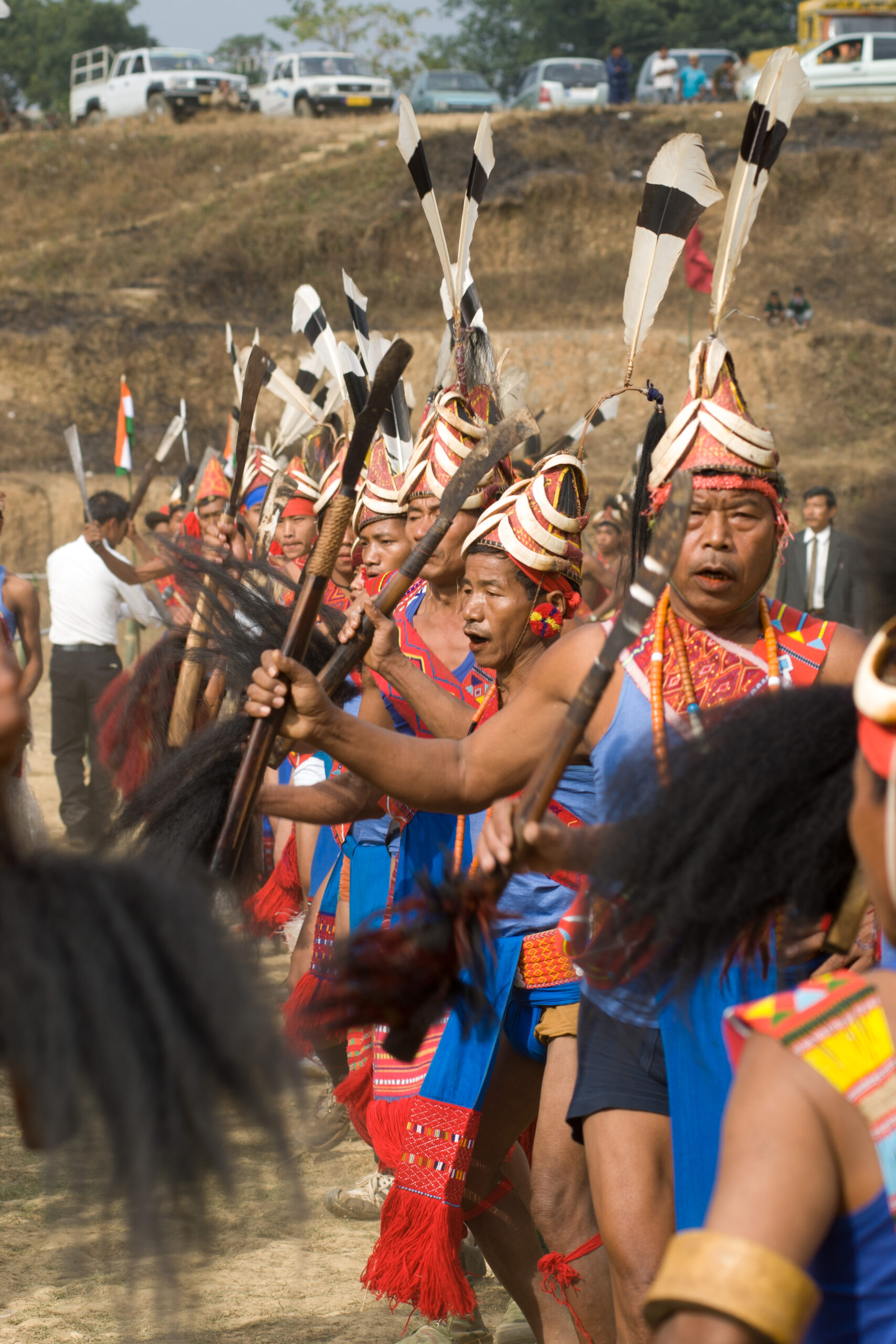
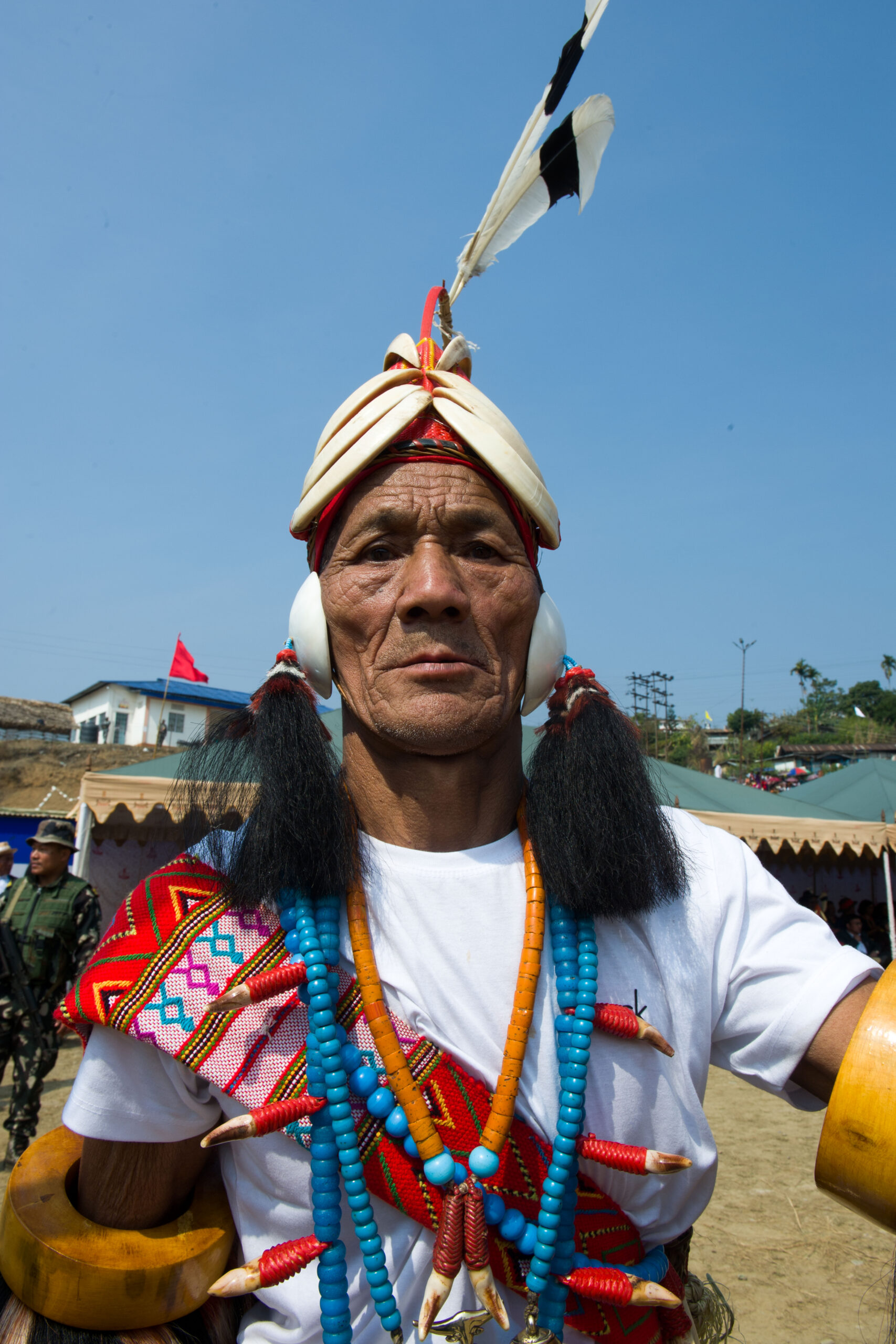
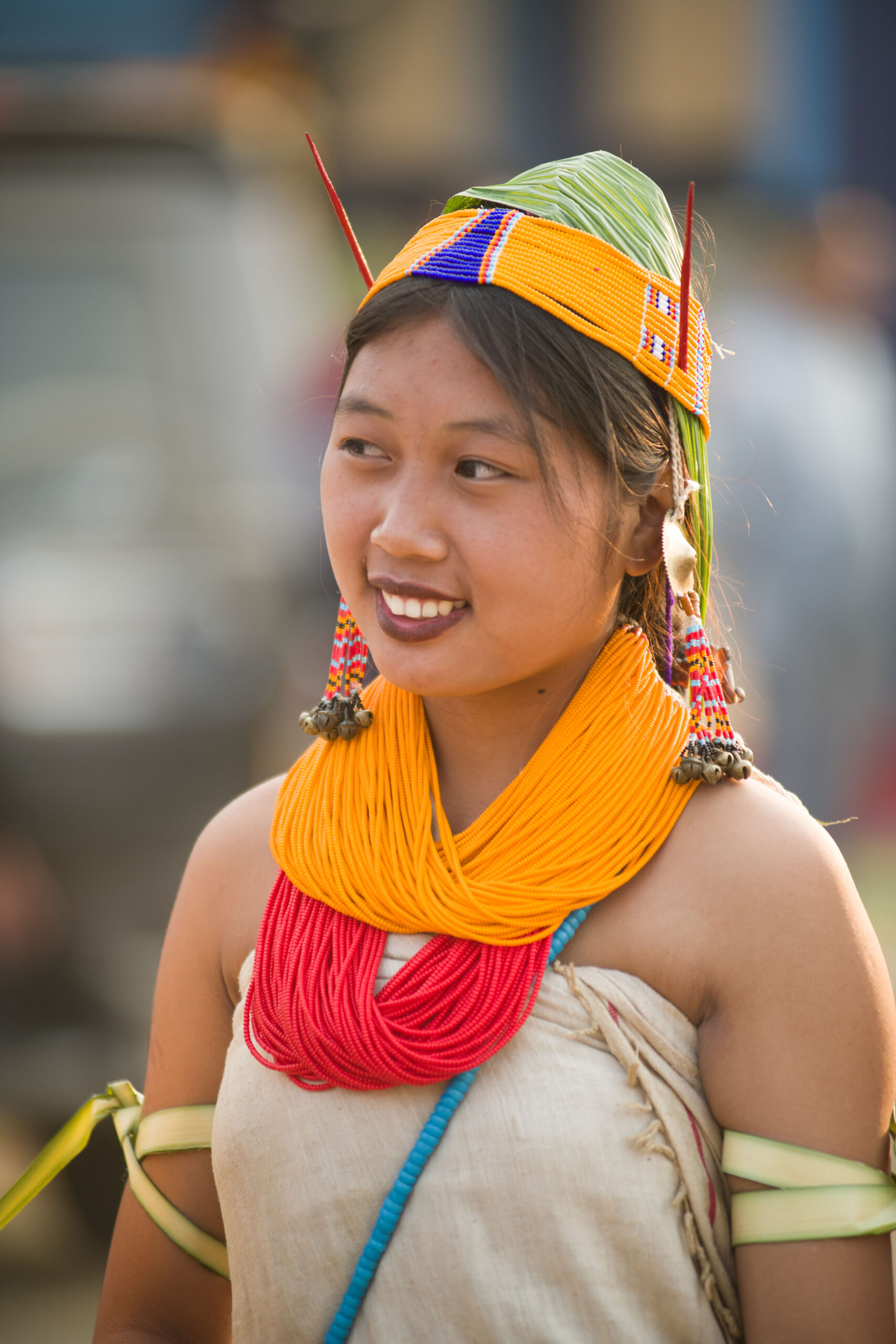
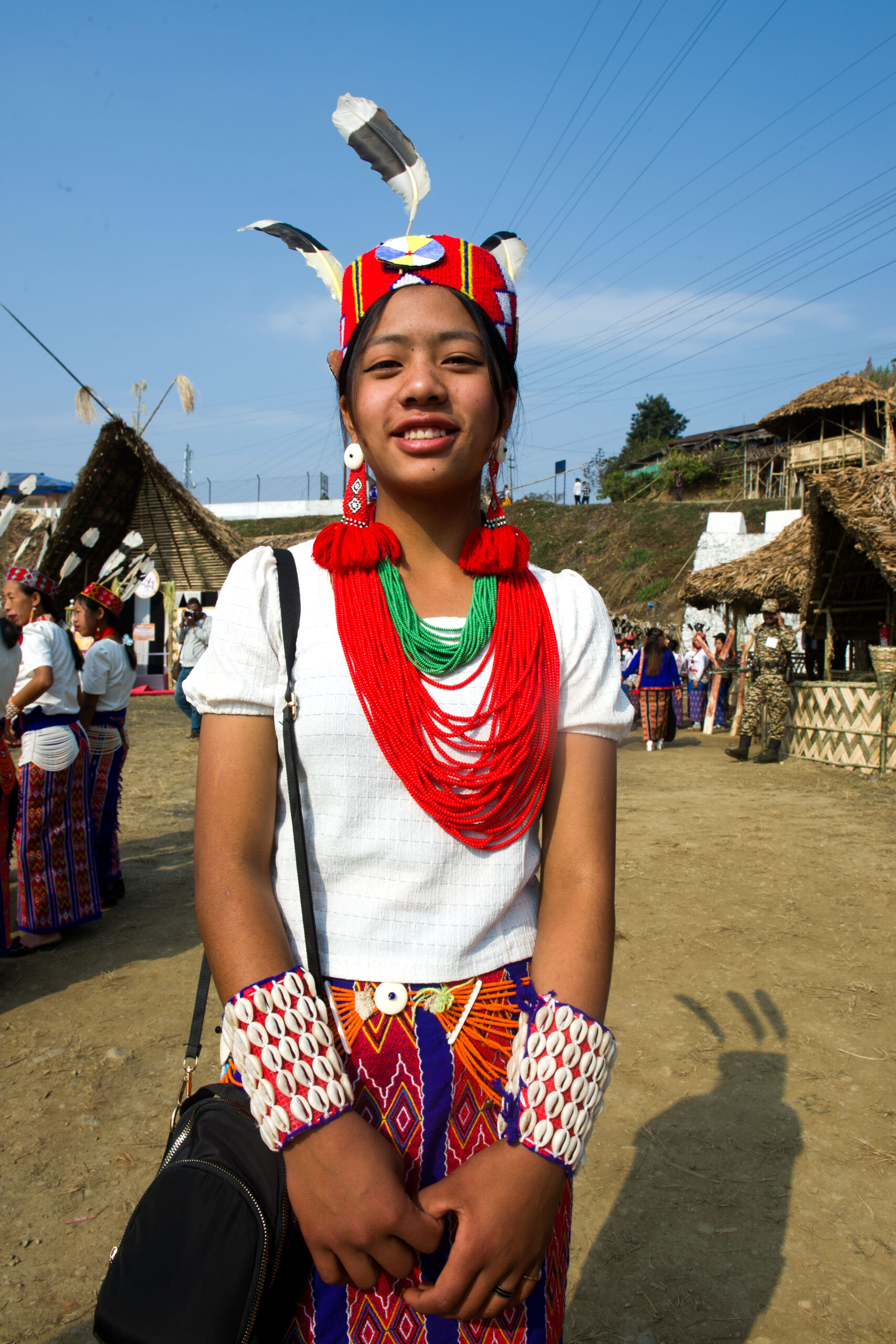
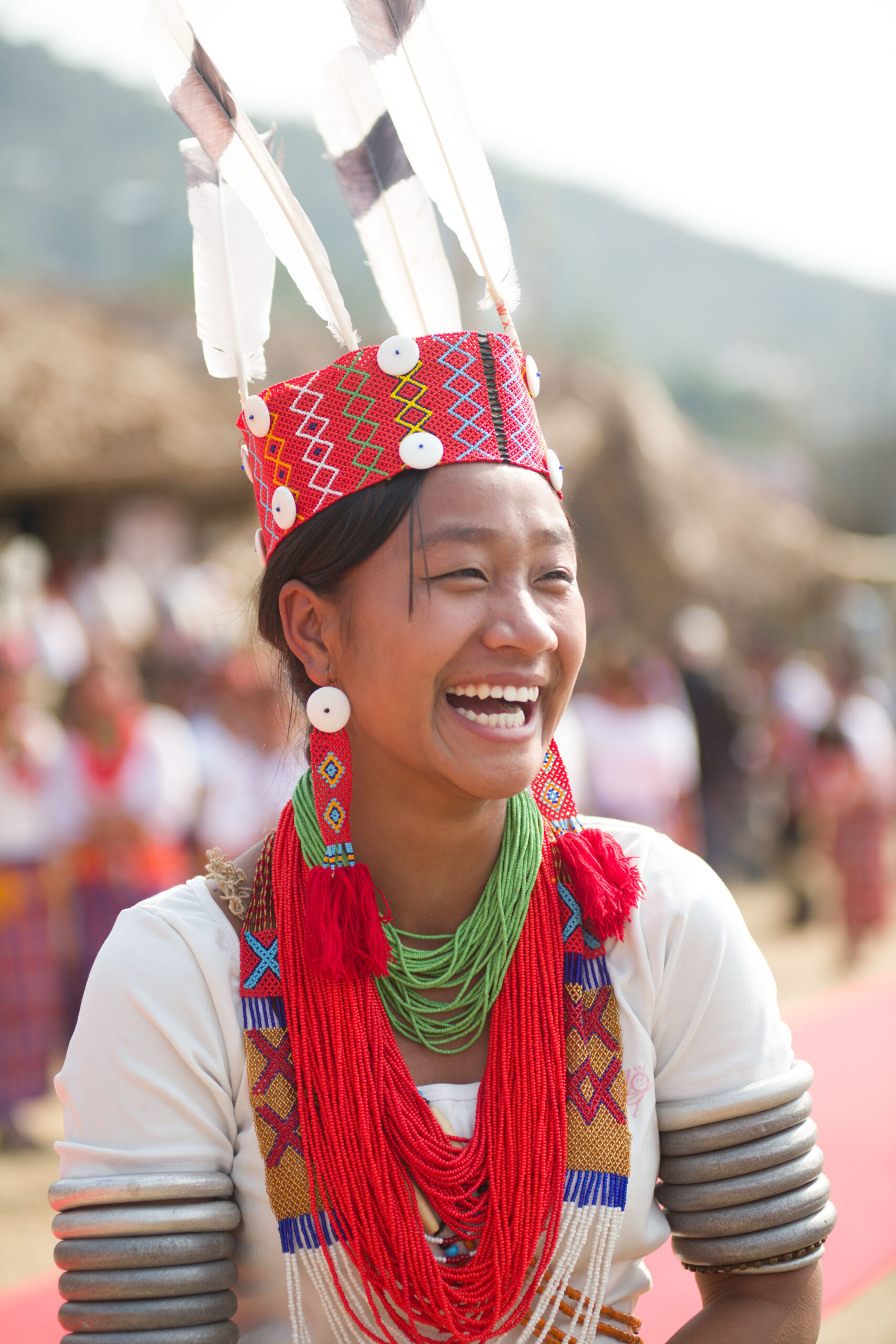
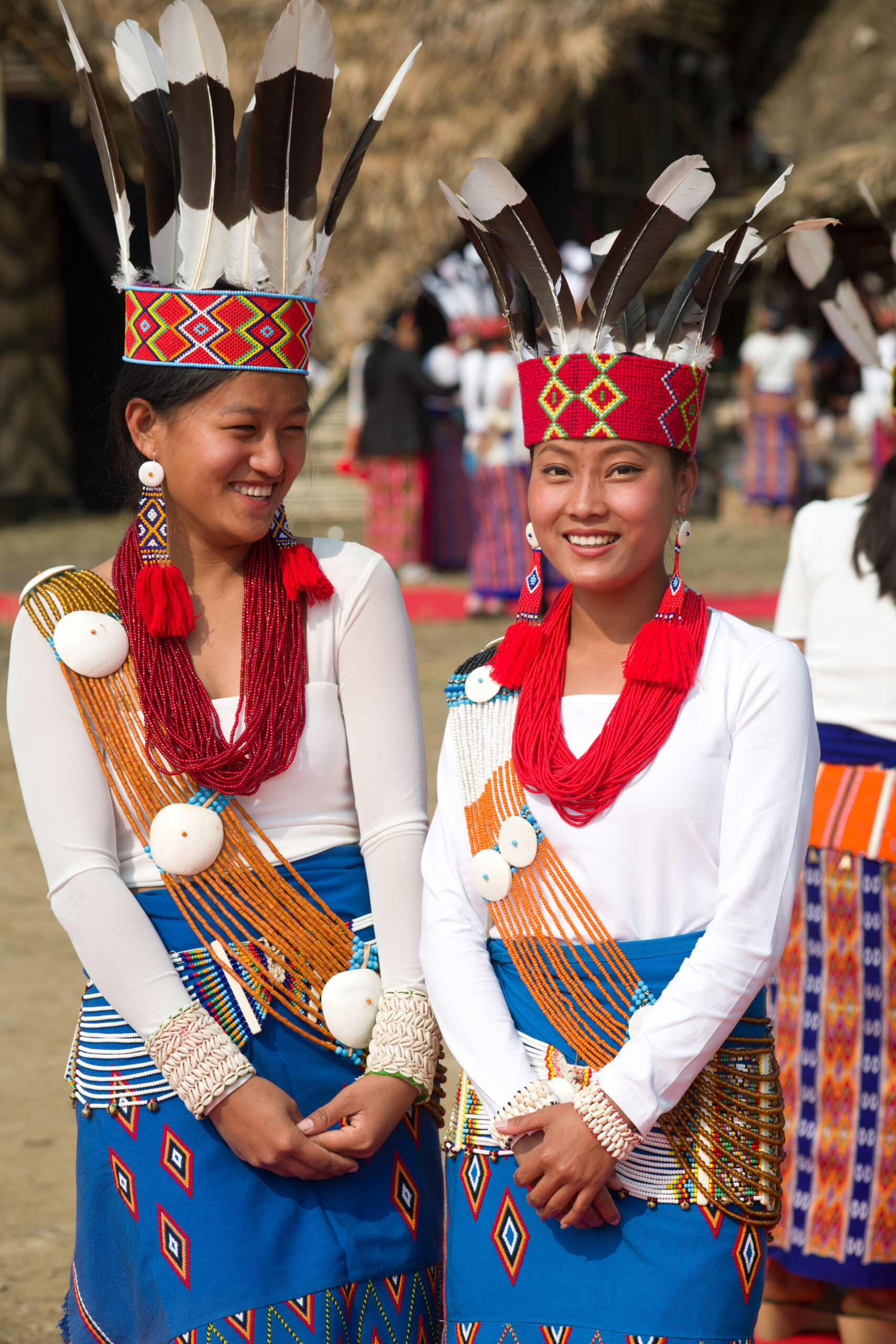
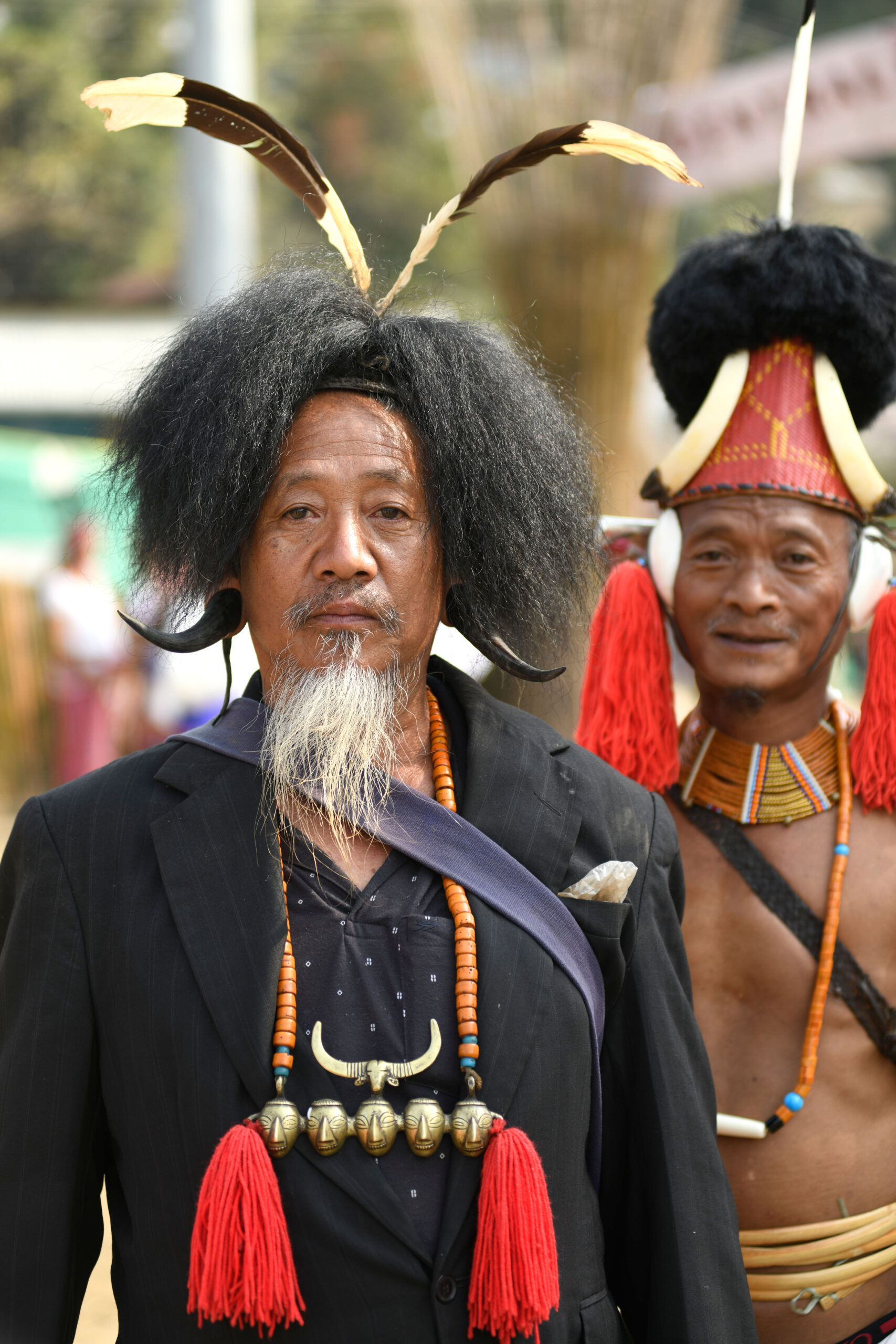
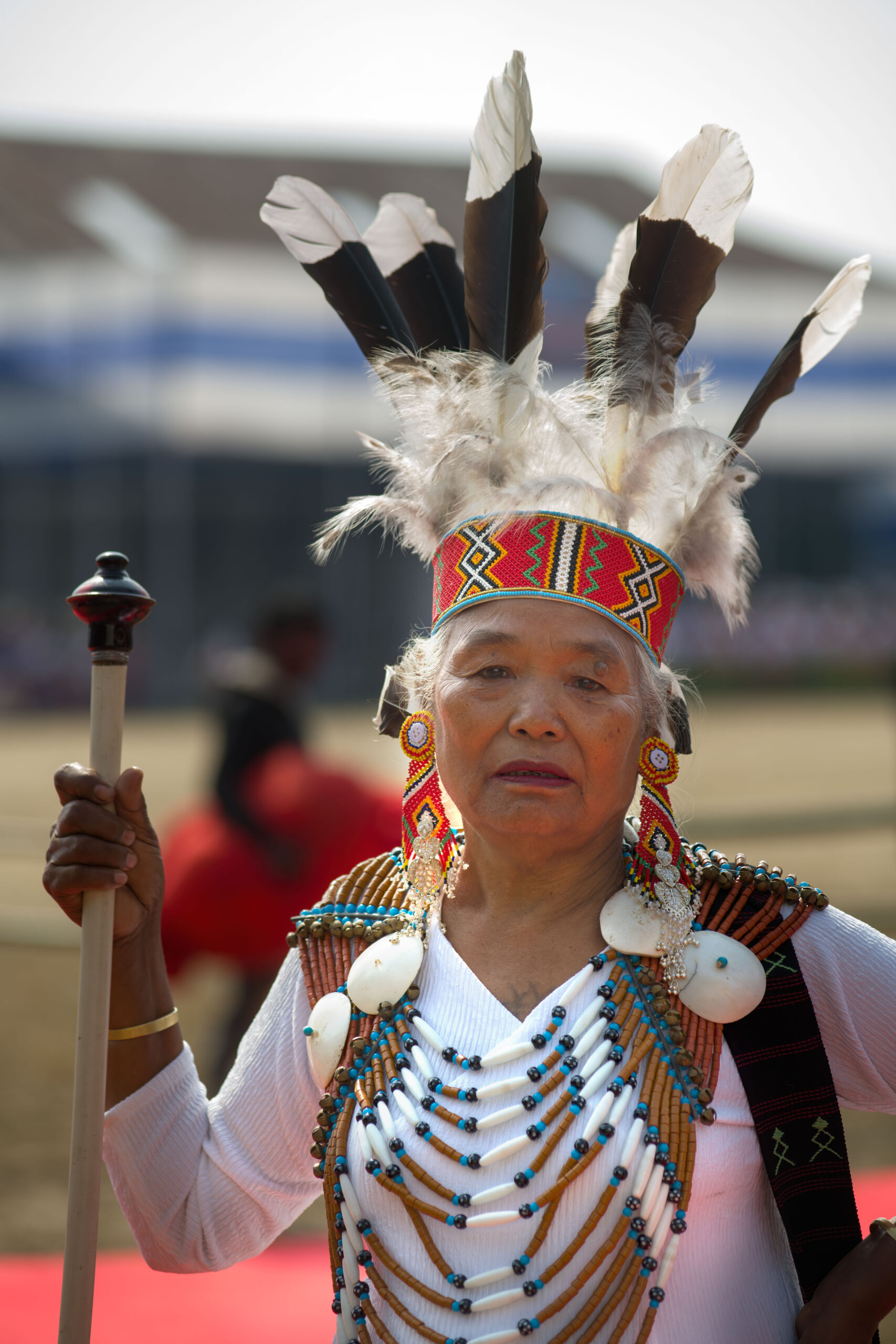
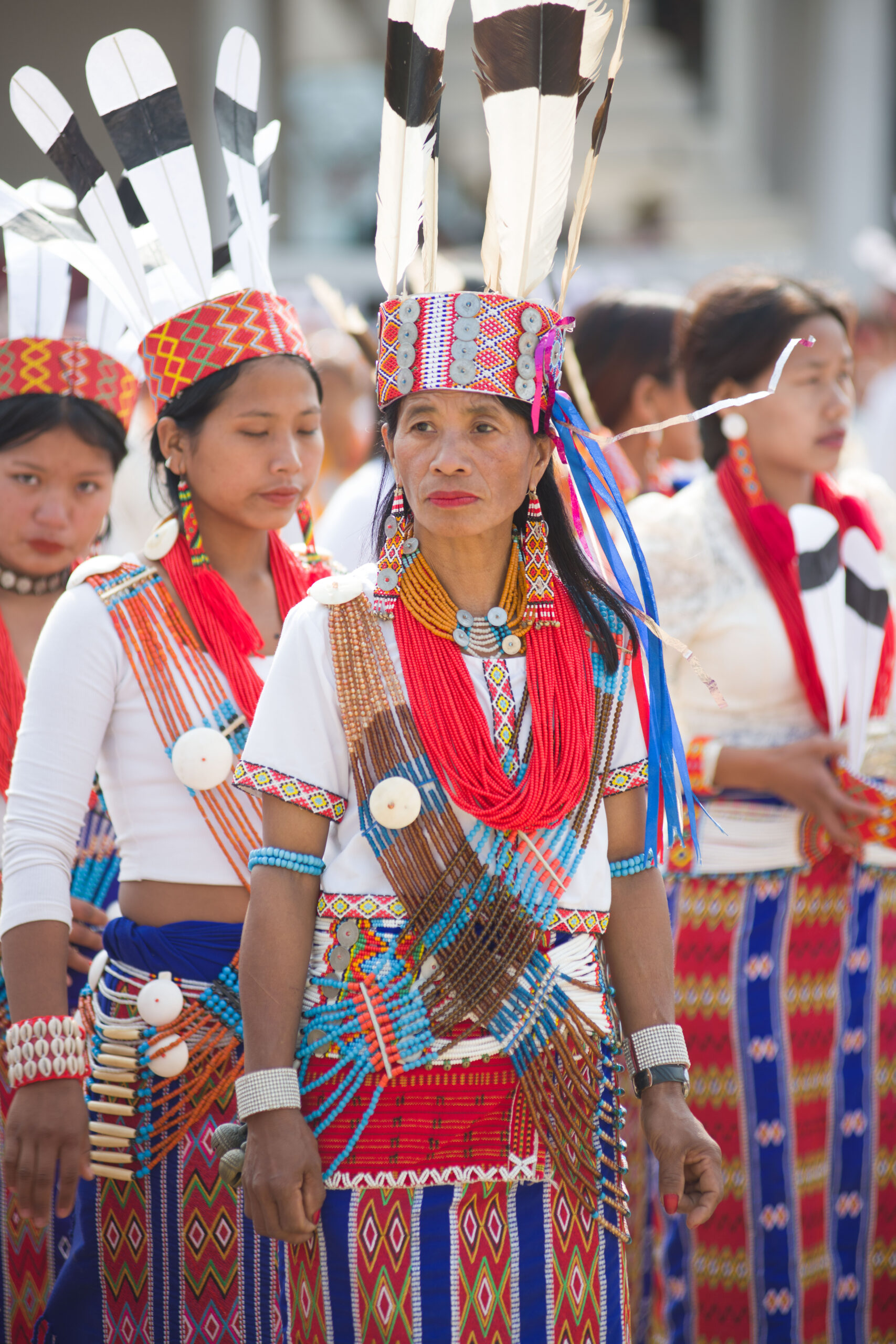
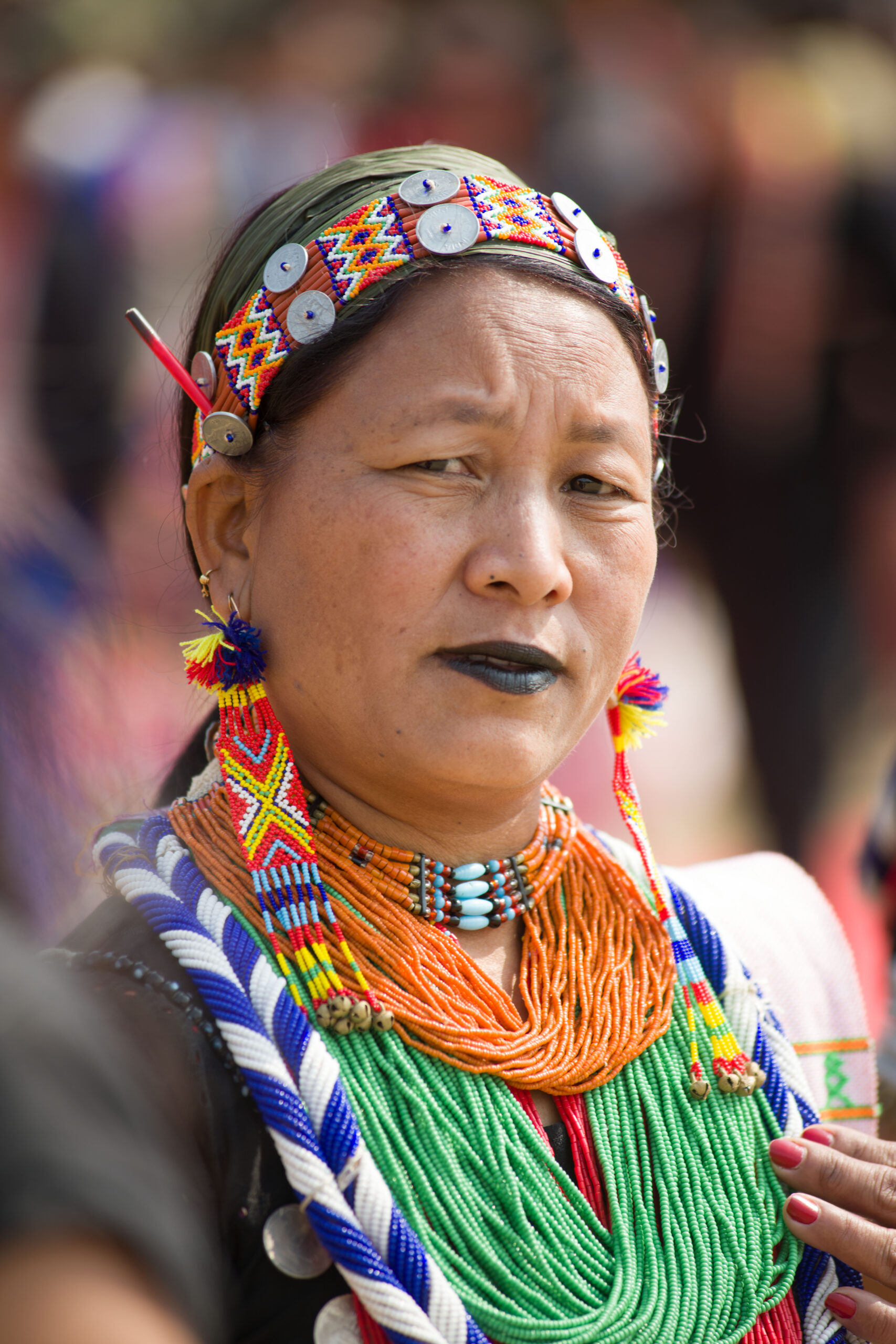
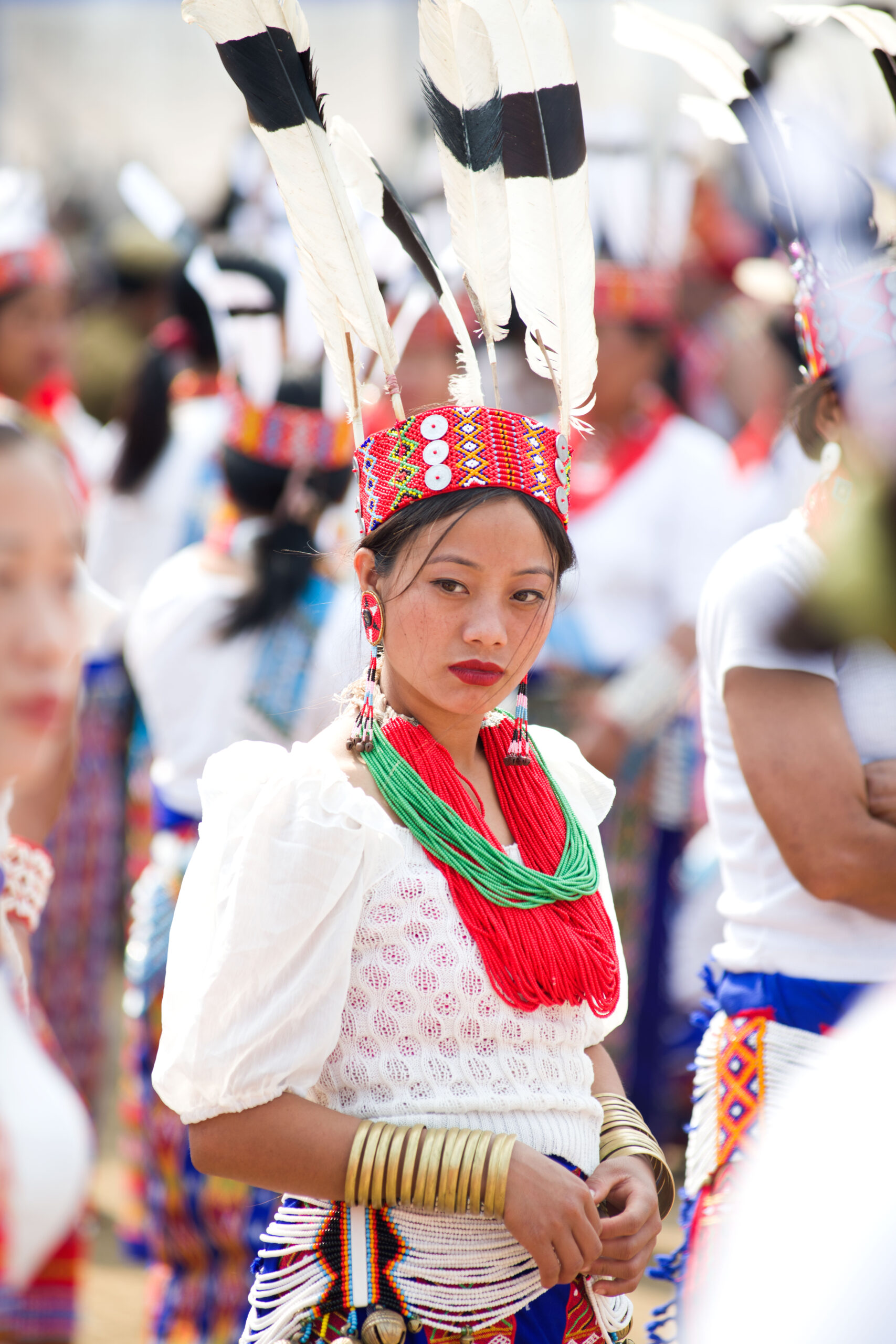
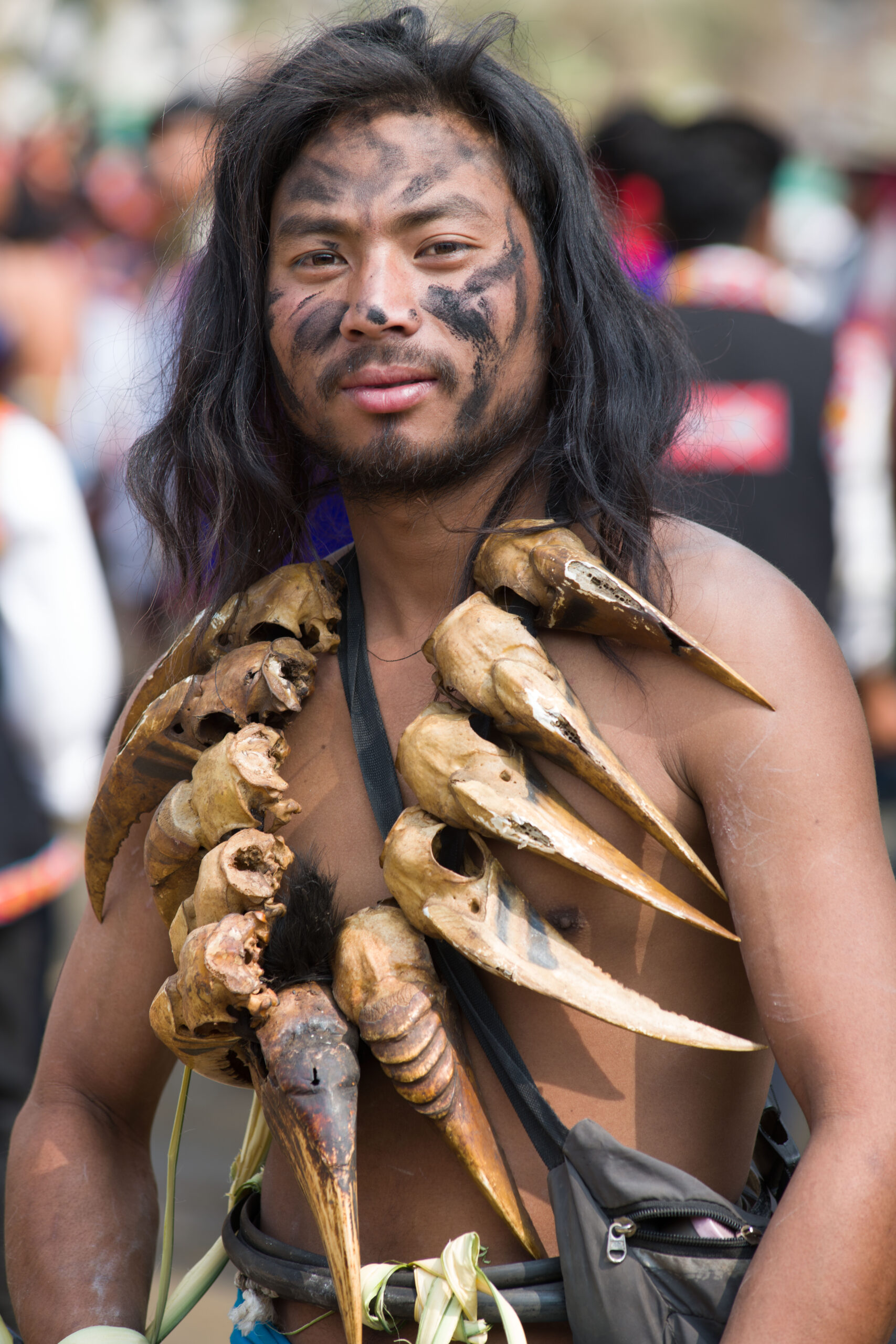
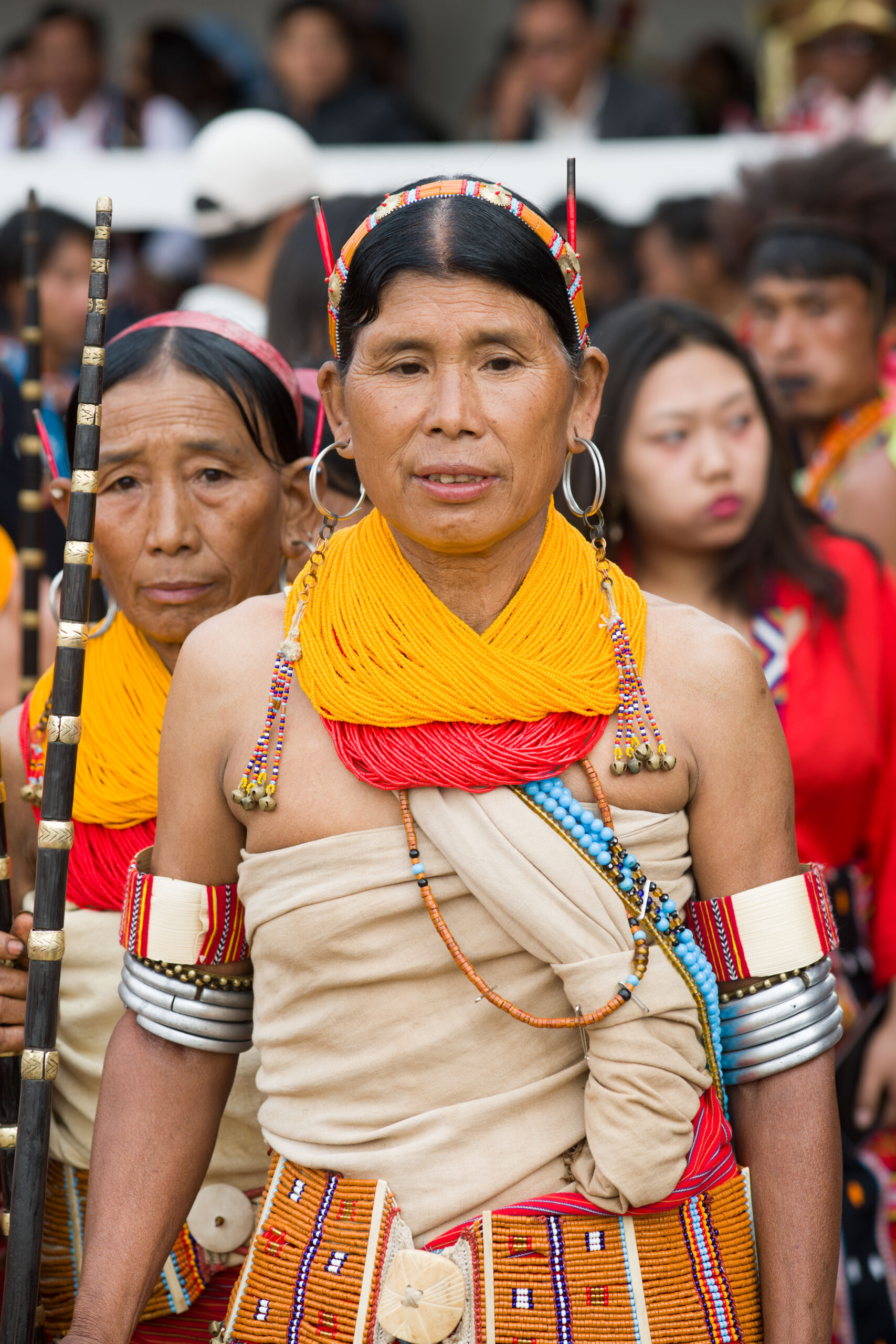
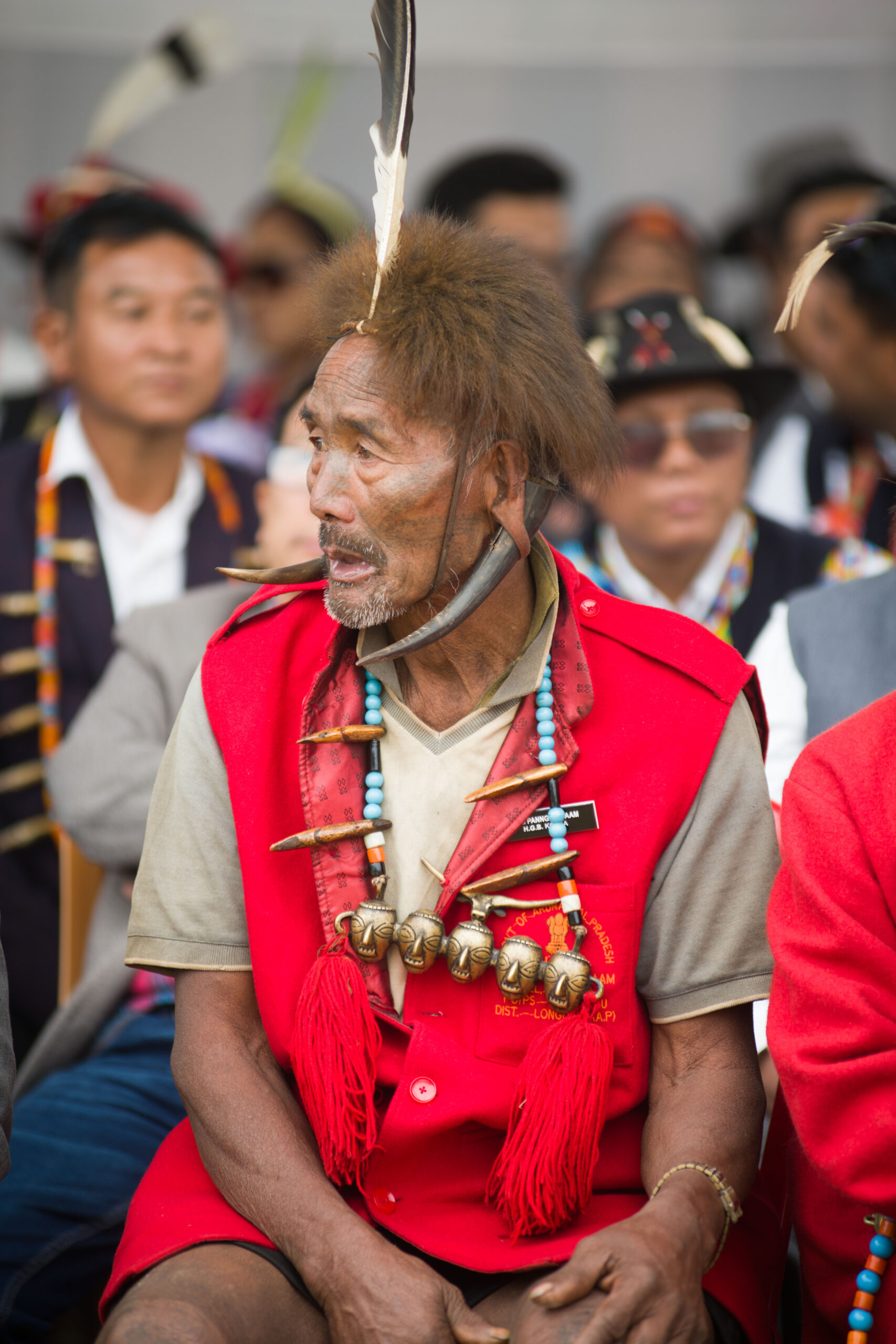
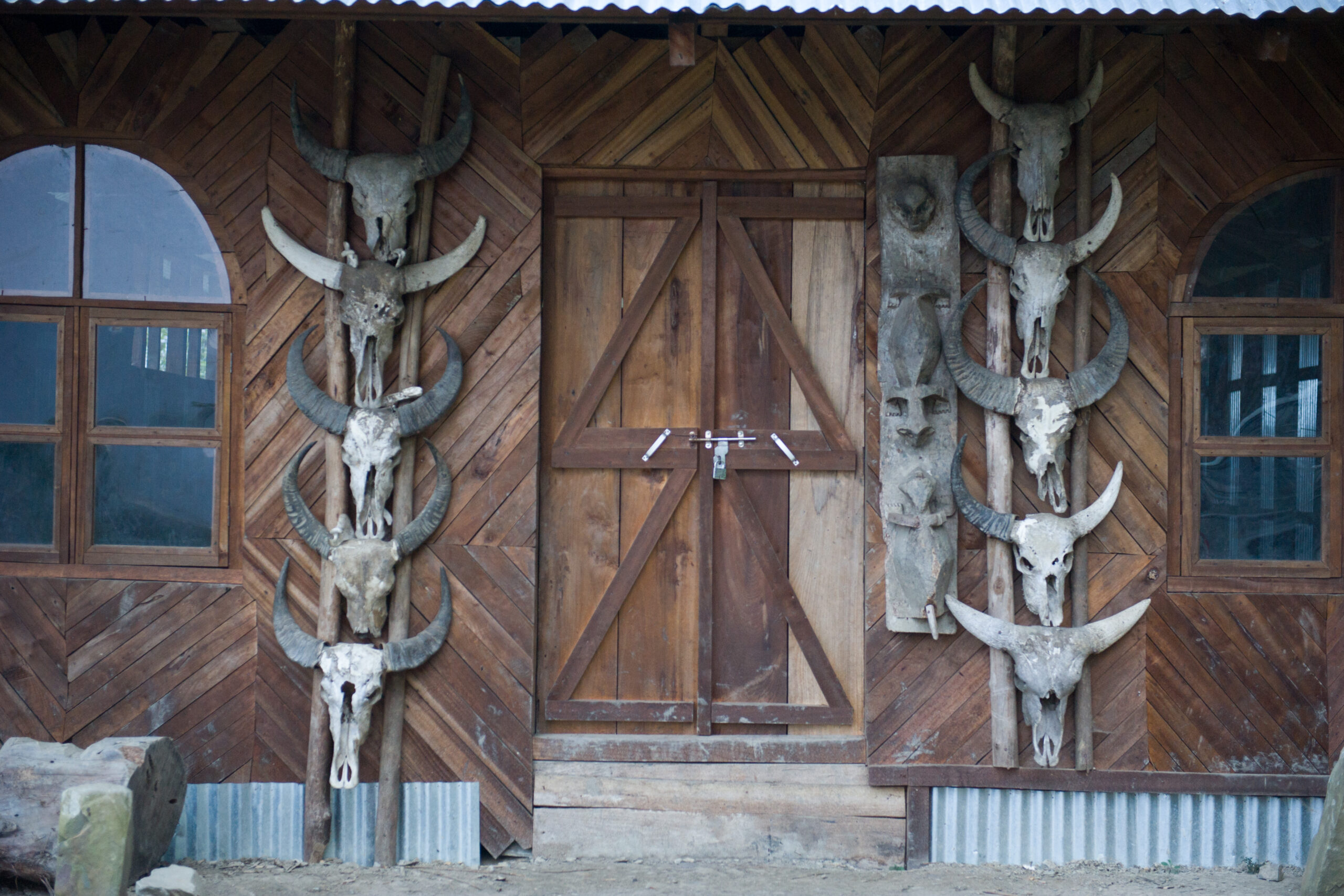
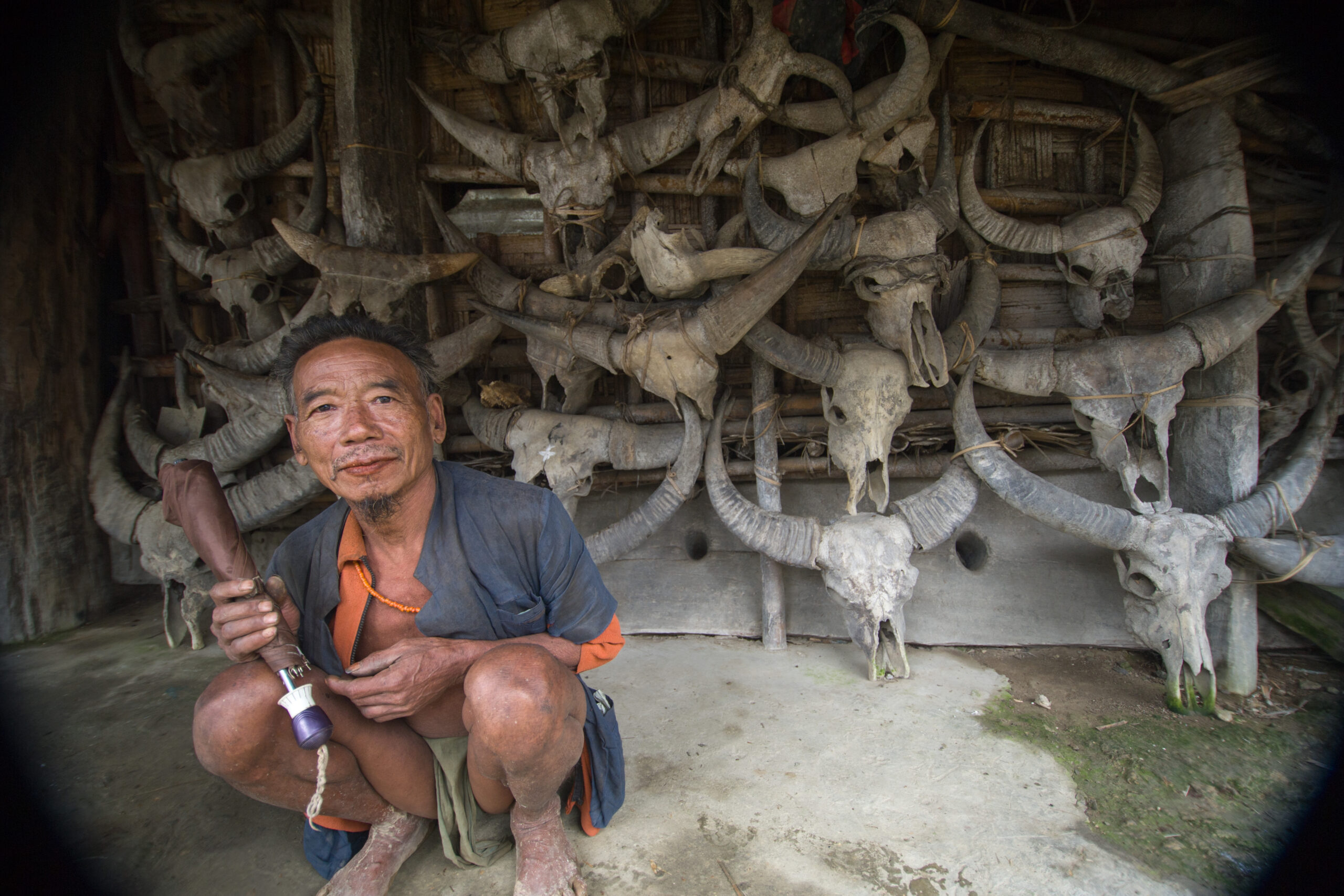
Wancho traditional houses reflect tribal grandeur and supremacy, often adorned with human and animal skulls along the aisle. The Wanchos are known for their tattooed faces, blackened teeth and their historical headhunting tradition. They are skilled craftsmen, especially in wood and bamboo carving. Their vibrant bead necklaces follow unique patterns that indicate the wearer’s social and economic status. Male ornaments include indigenous headgears, strings of precious beads, ear adornments and even elephant tusk armlets. Their striking attire, decorative weaves and colors speak volumes of their artistic finesse. Wanchos are also known for their strong social structure, where the hereditary village chief continues to hold a central and respected position.
Where to see Oriah Festival
Oriah is celebrated across the Longding district, and every village showcases its own unique style and variation of the festival. The major celebration hubs include Longding town, Pangchao, Wakka and Kanubari. For visitors from outside the state, the district headquarters at Longding offers the most convenient and vibrant experience of the festival.
How to Reach Longding
Longding is well-connected by a double-lane National Highway with Dibrugarh, Tinsukia and Itanagar via Kanubari. Visitors can also reach Longding through Margherita and Changlang via an alternate highway route. The nearest airport is at Dibrugarh, offering easy access for travellers from outside the region.
Where to stay in Longding
Best Season to Visit
Oriah is officially celebrated from 14th to 17th February every year, making it the perfect time for travelers to witness the vibrant cultural legacy of the legendary headhunter tribe. During these days, villages come alive with traditional dances, colourful attire, ancient rituals, bamboo architecture, and warm tribal hospitality. For anyone seeking an authentic cultural experience, Oriah offers a rare and unforgettable window into the living heritage of the Wancho people.