Festival of Mishmi Tribe
Tamla-Du
Mishmi Magic in February
The Mishmis’ have been aborigine in high mountainous and foothill areas of Lohit and Anjaw districts. Places are known for cascading waterfalls with full of serenity and enchanting natural flora and fauna chirping sweaty winds, offers amazing vistas of lustrous greenery amidst majestic Mishmi hills, woody forests, the Dong first sun rise in the country and a beautiful panoramic view in the eastern most part of Himalayan states’ of Arunachal Pradesh.
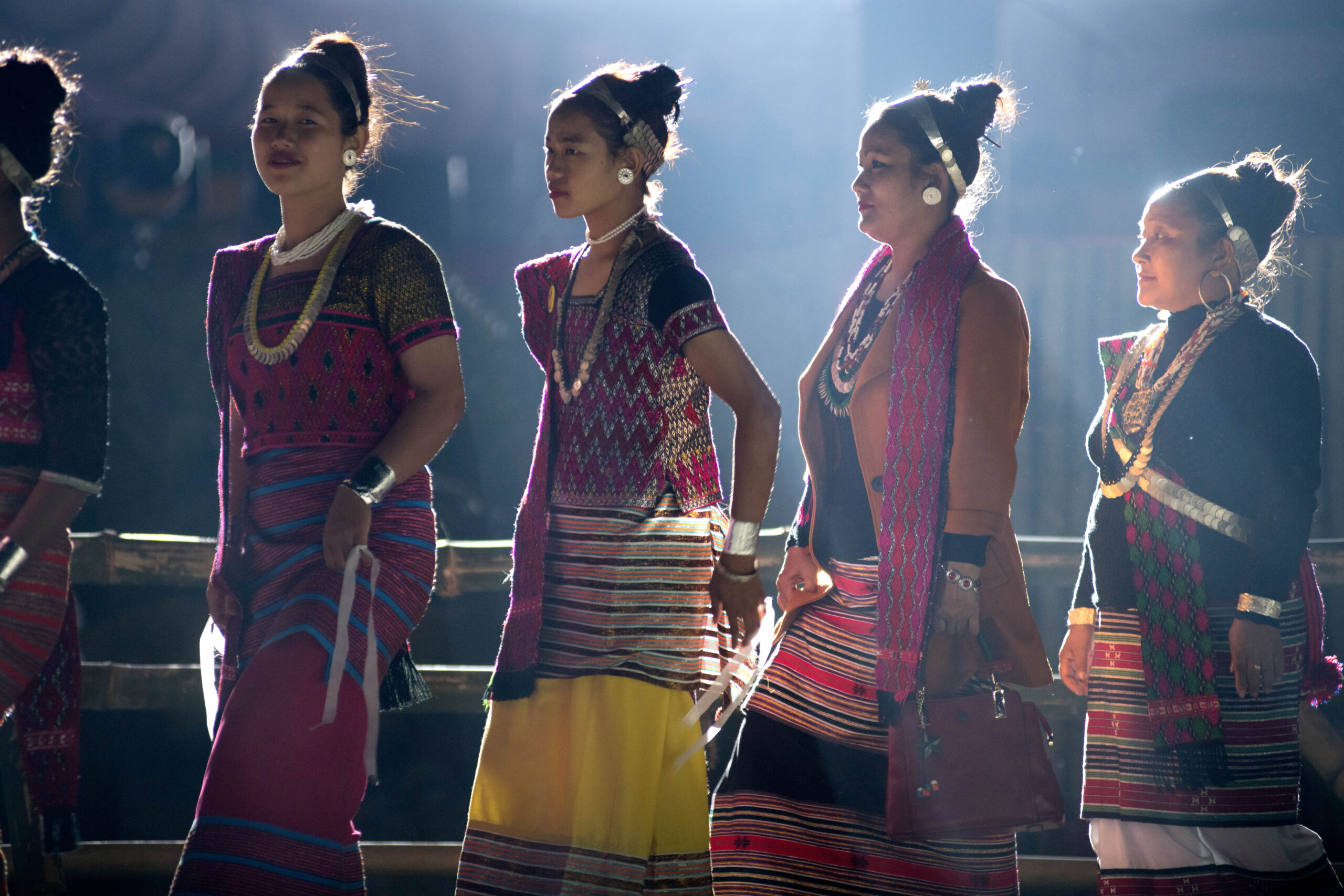
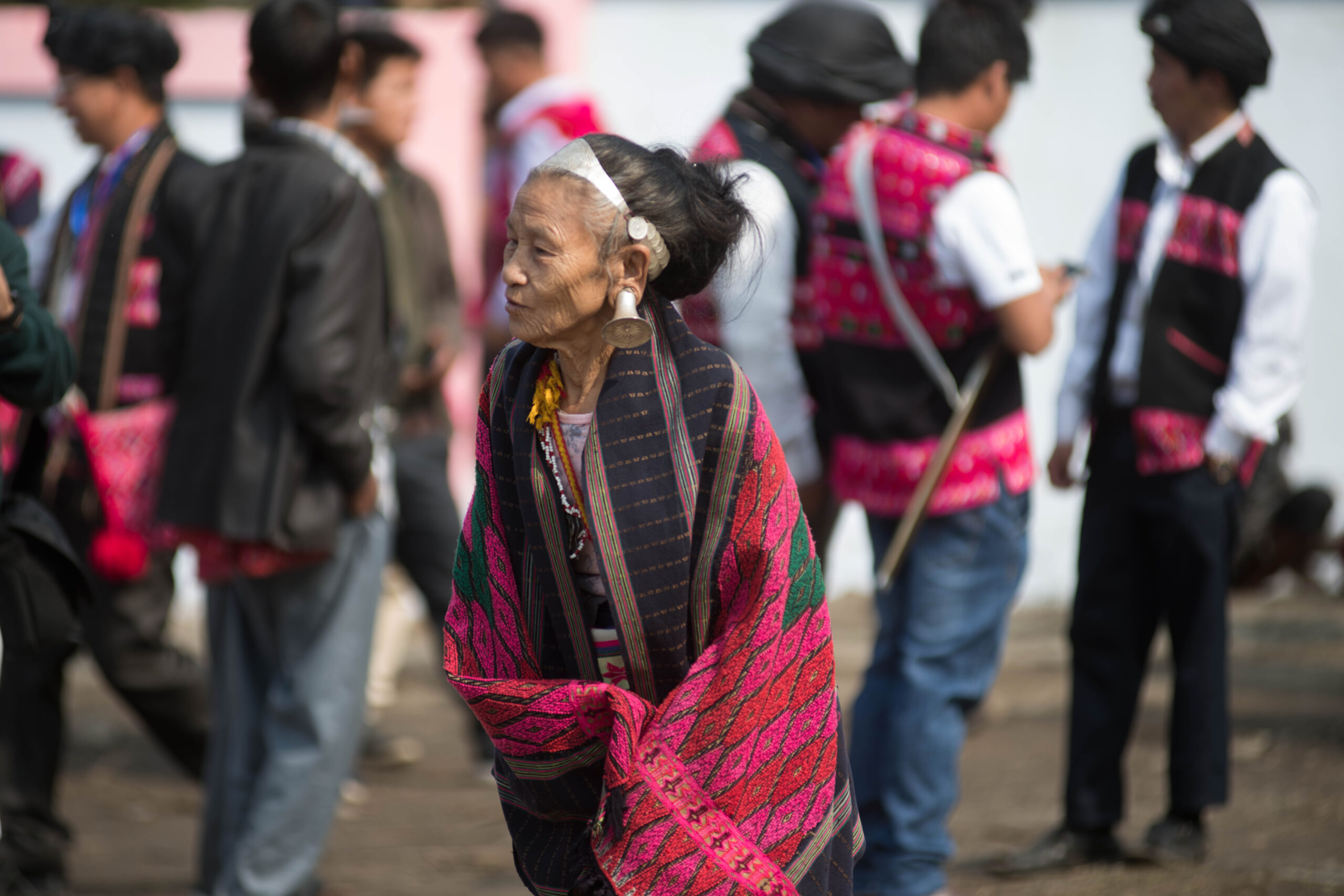
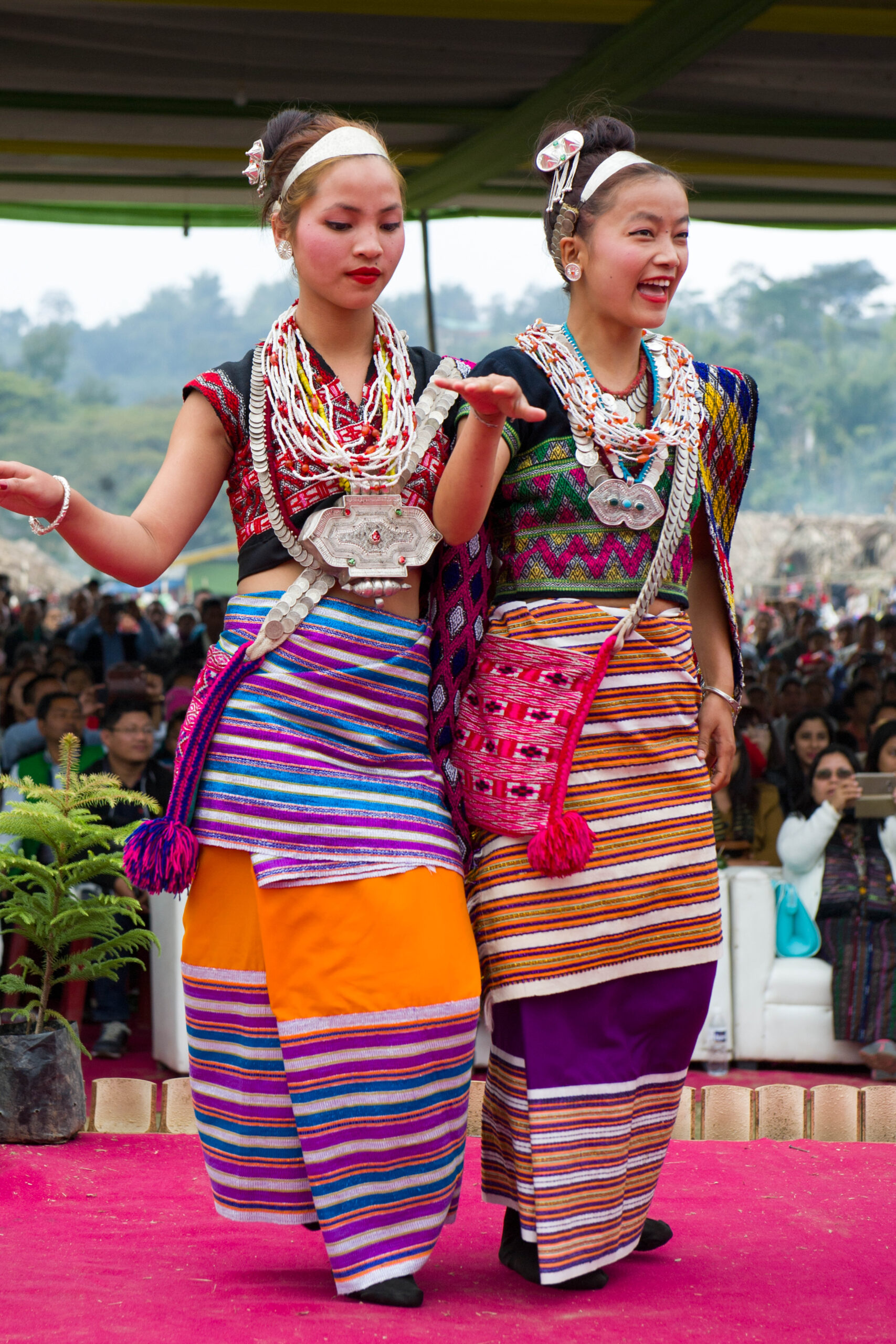
Tamladu is one of the major festivals of the Mishmi tribe of Arunachal Pradesh, celebrated with deep faith and vibrant community participation. Observed mostly in the month of February, the festival is dedicated to seeking divine blessings for peace, prosperity, good health, and protection from natural calamities. The Mishmis worship various deities and natural forces, believing that the balance of nature ensures the wellbeing of people, animals, crops, and the surrounding environment.
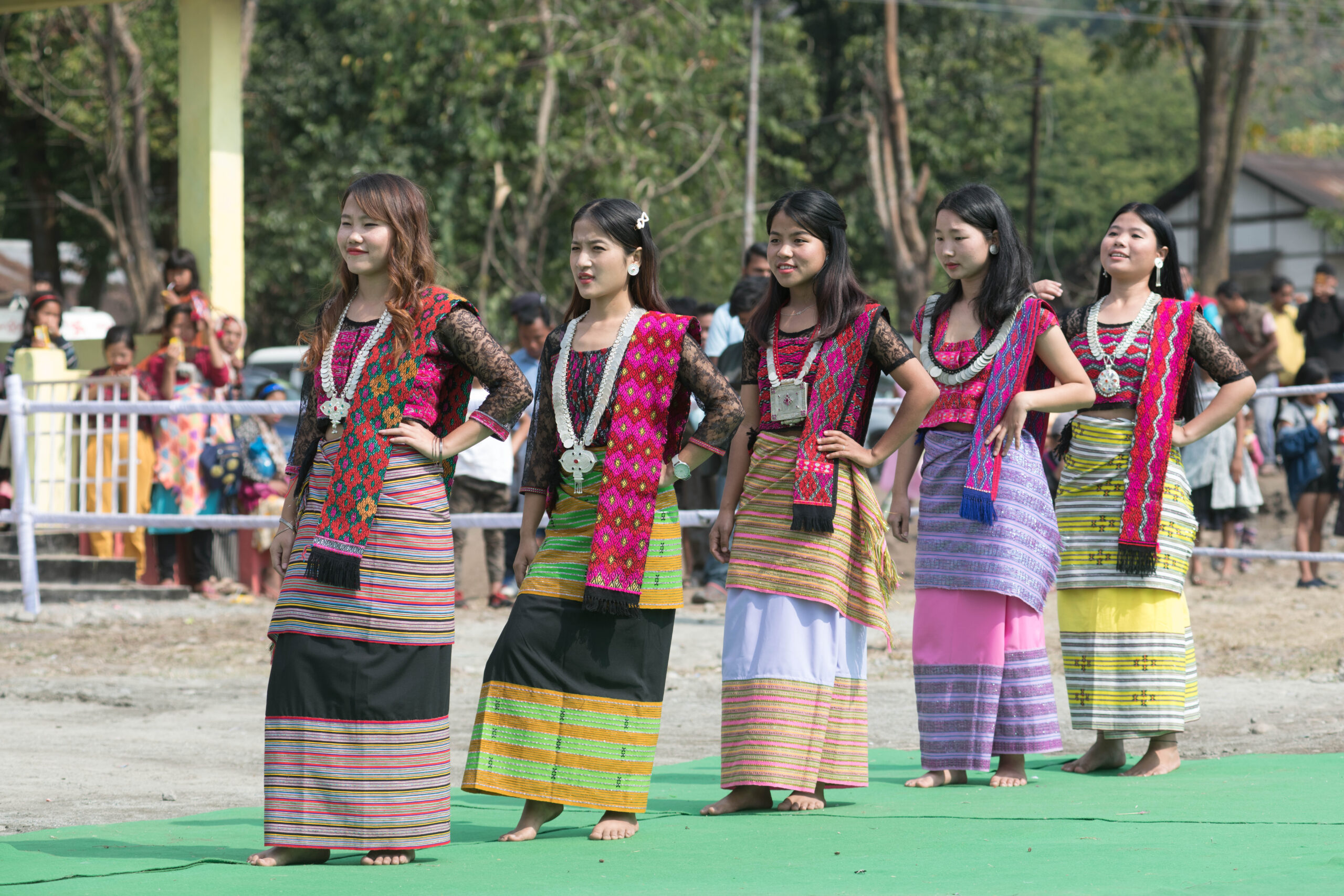
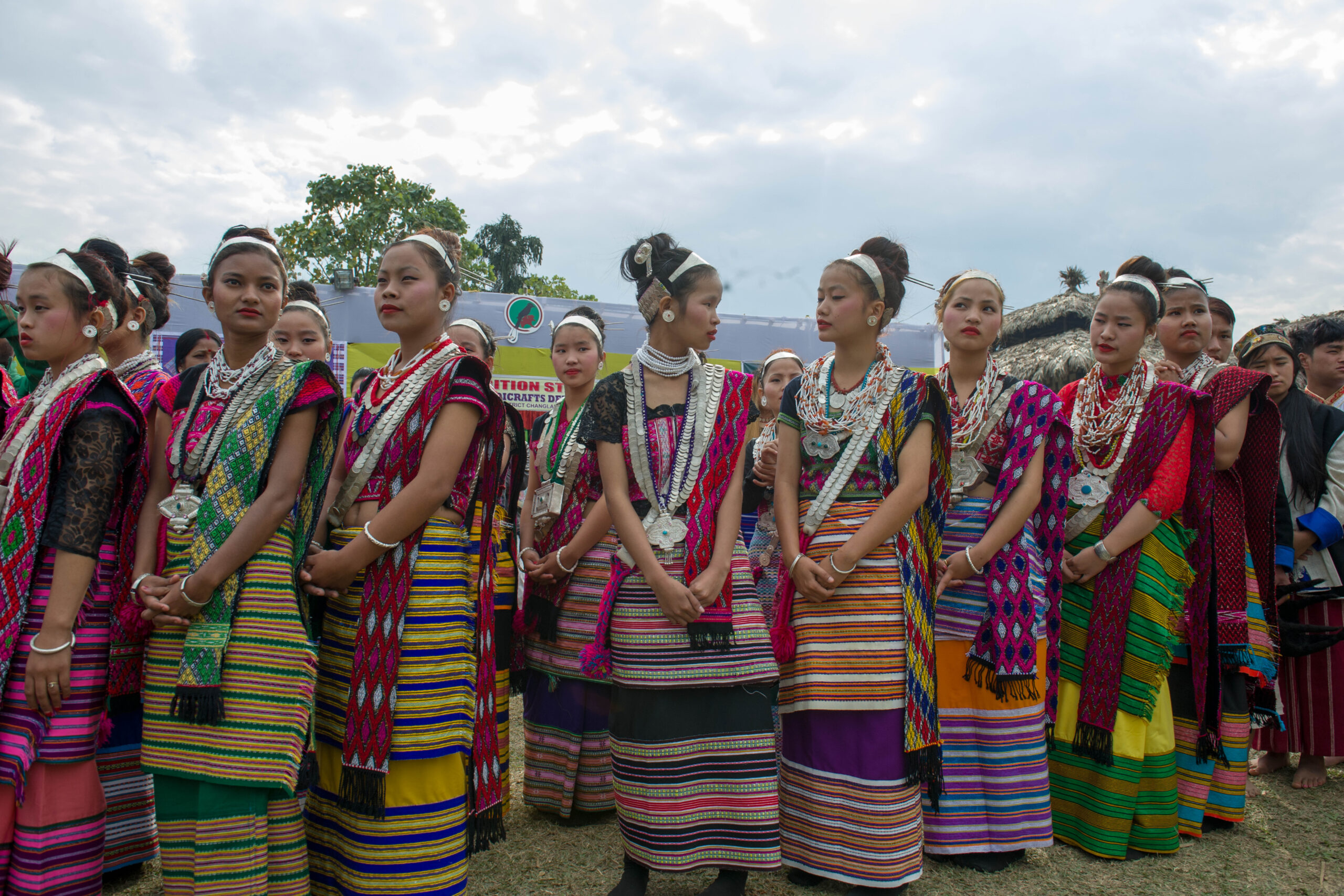
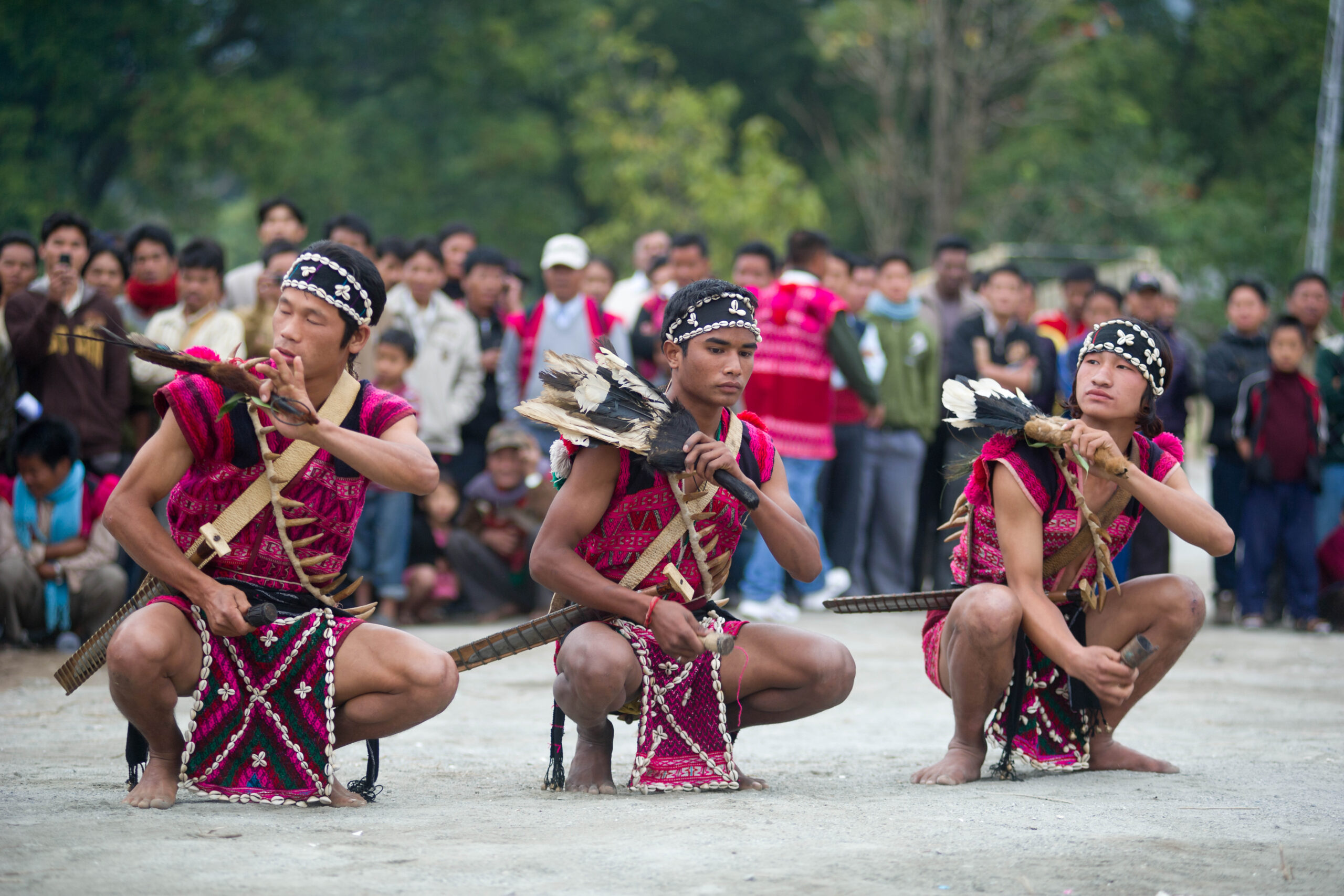
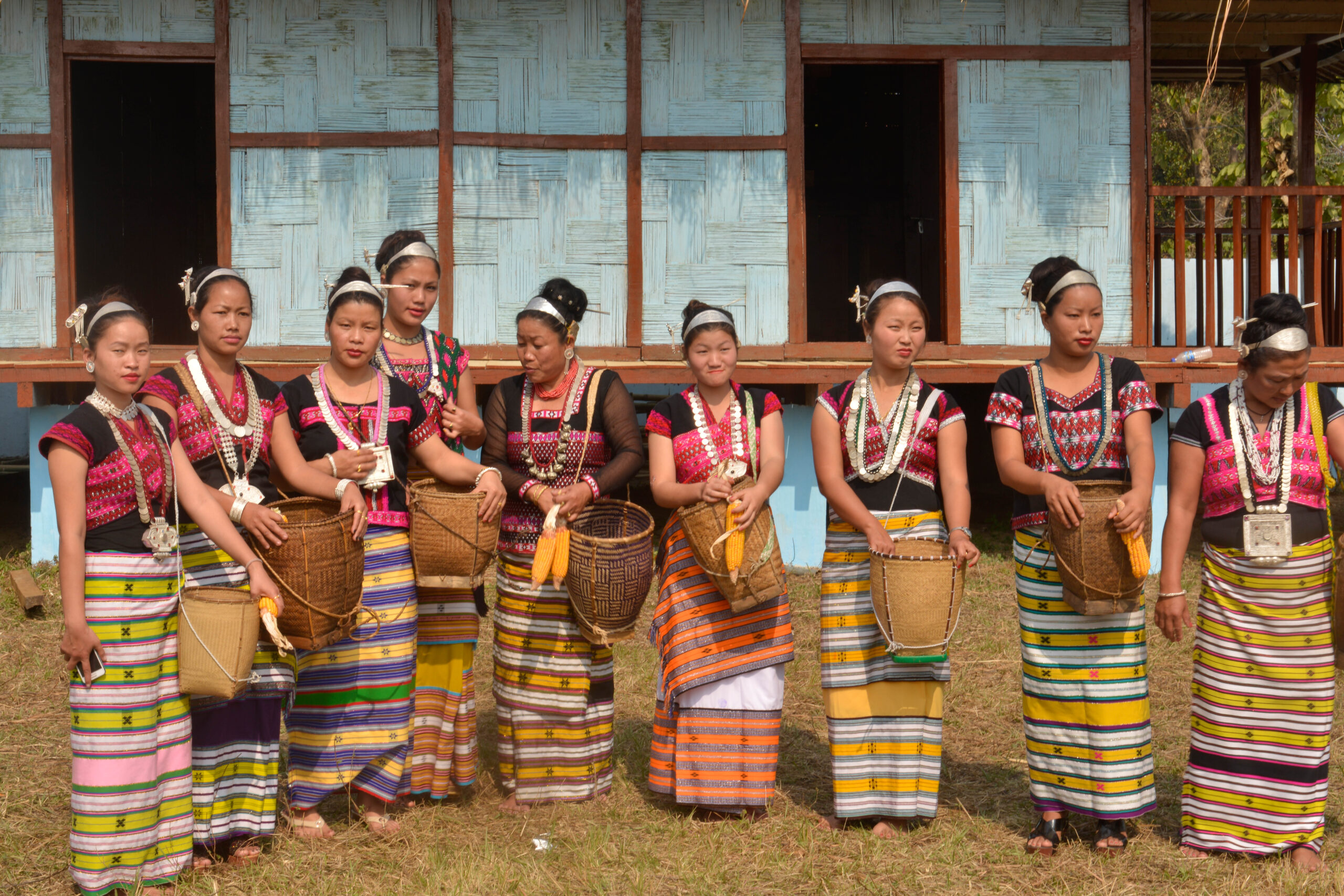
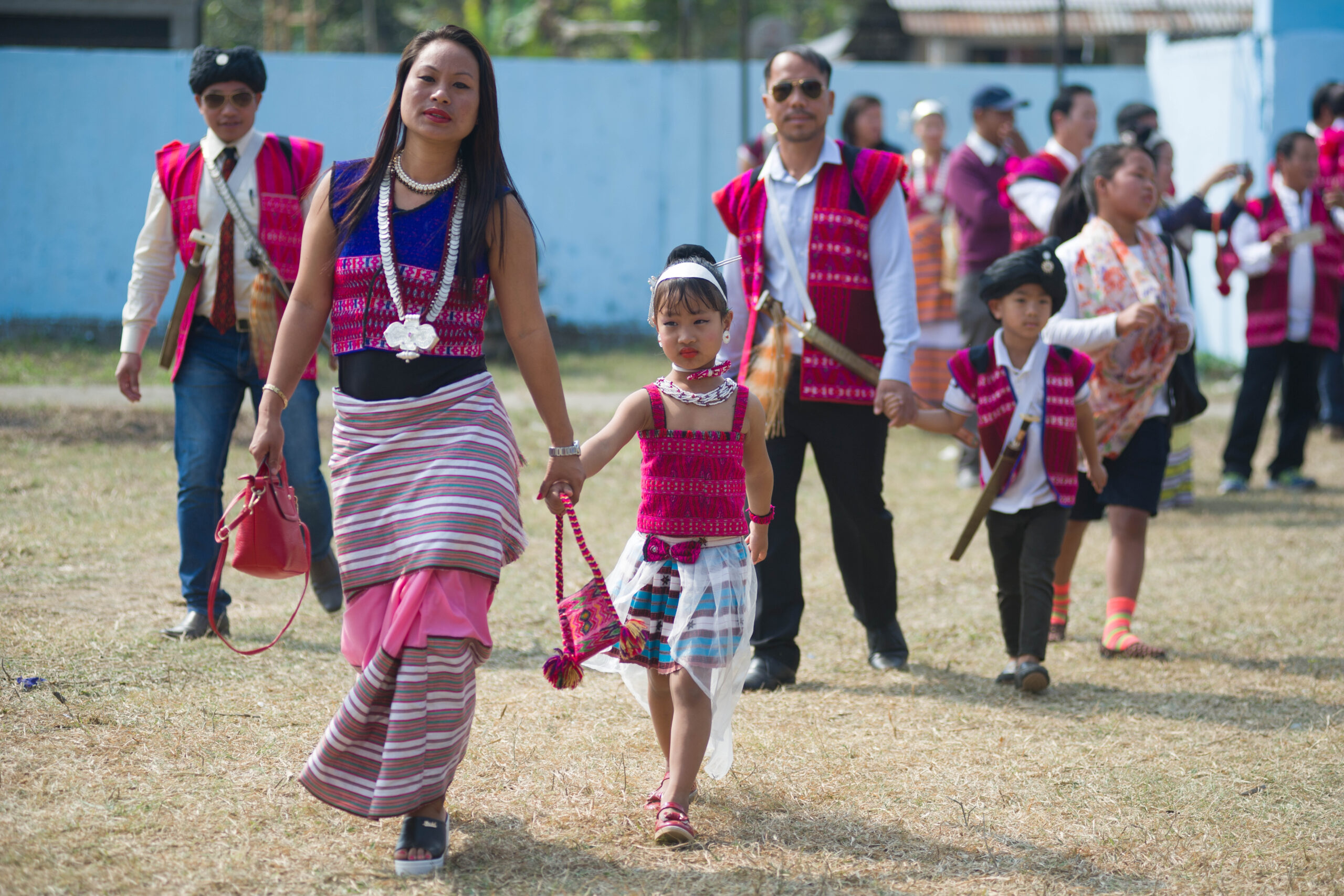
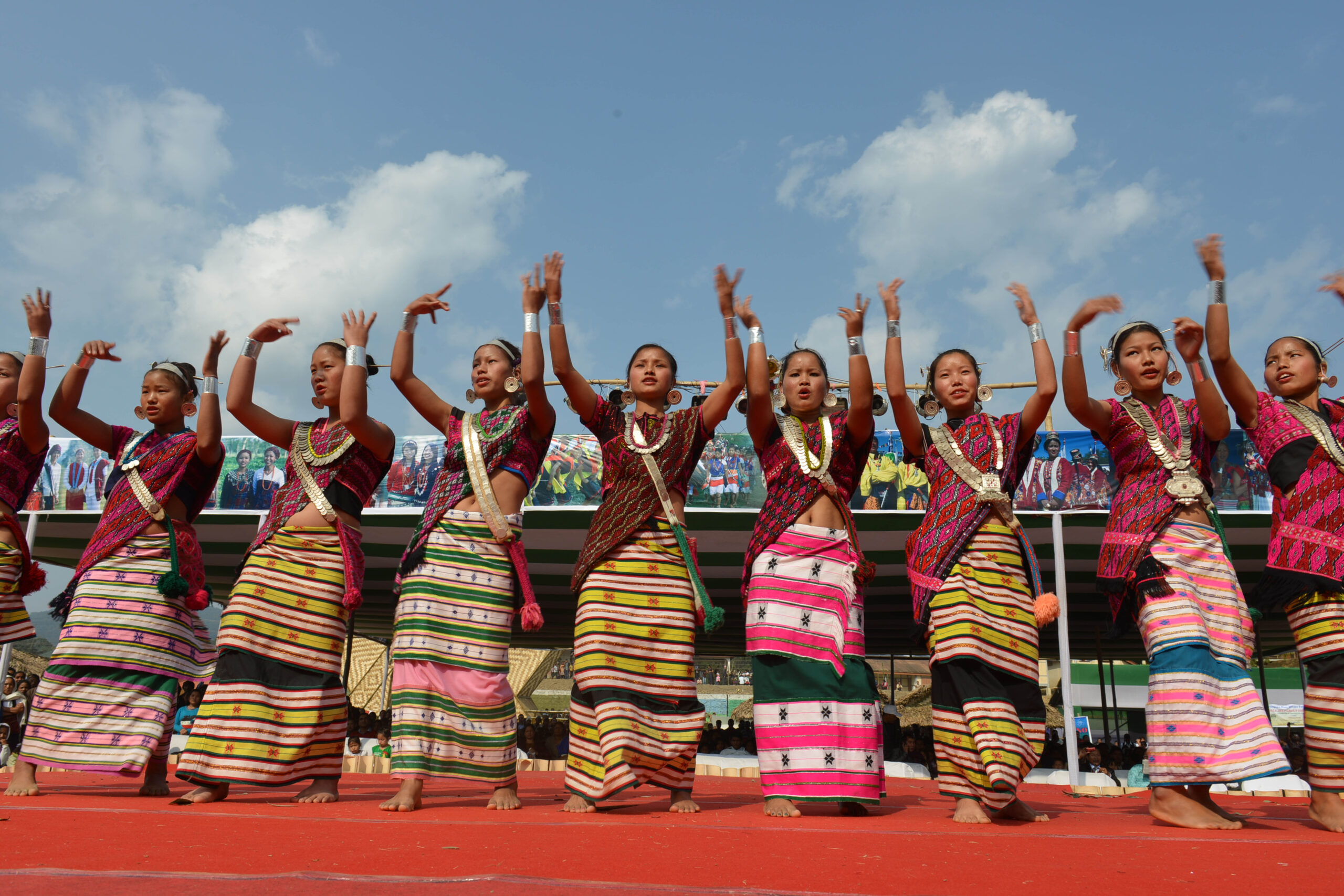
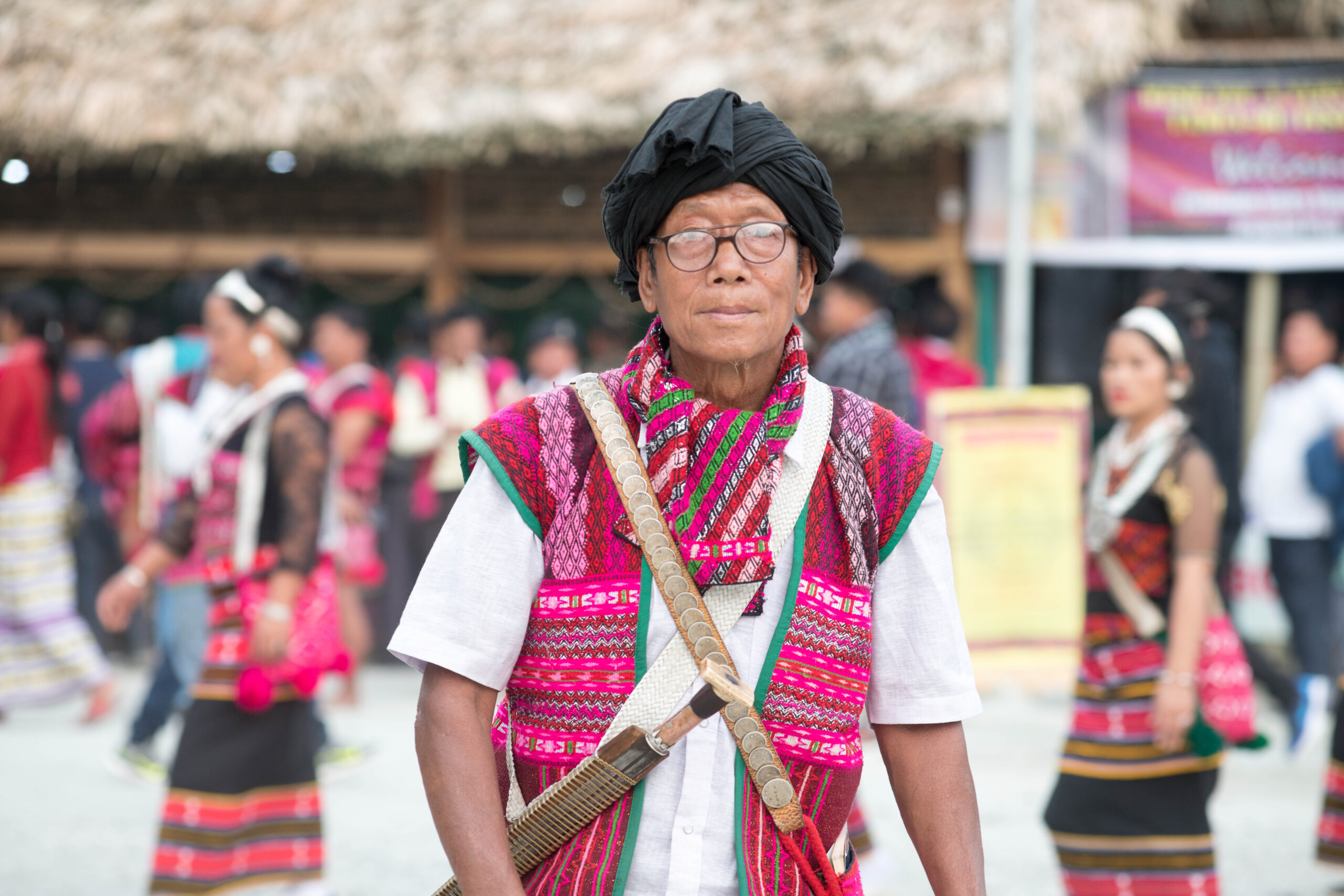
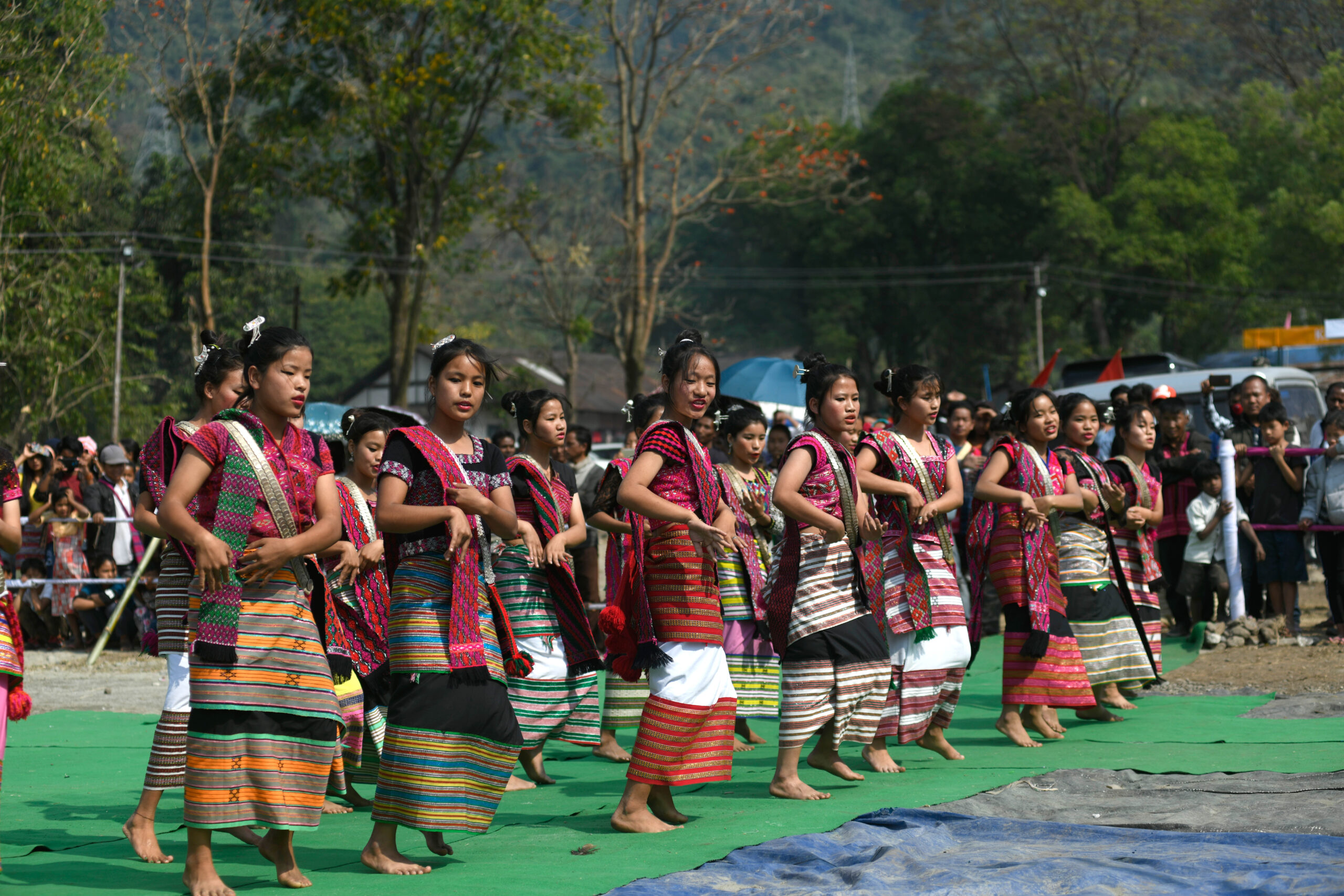
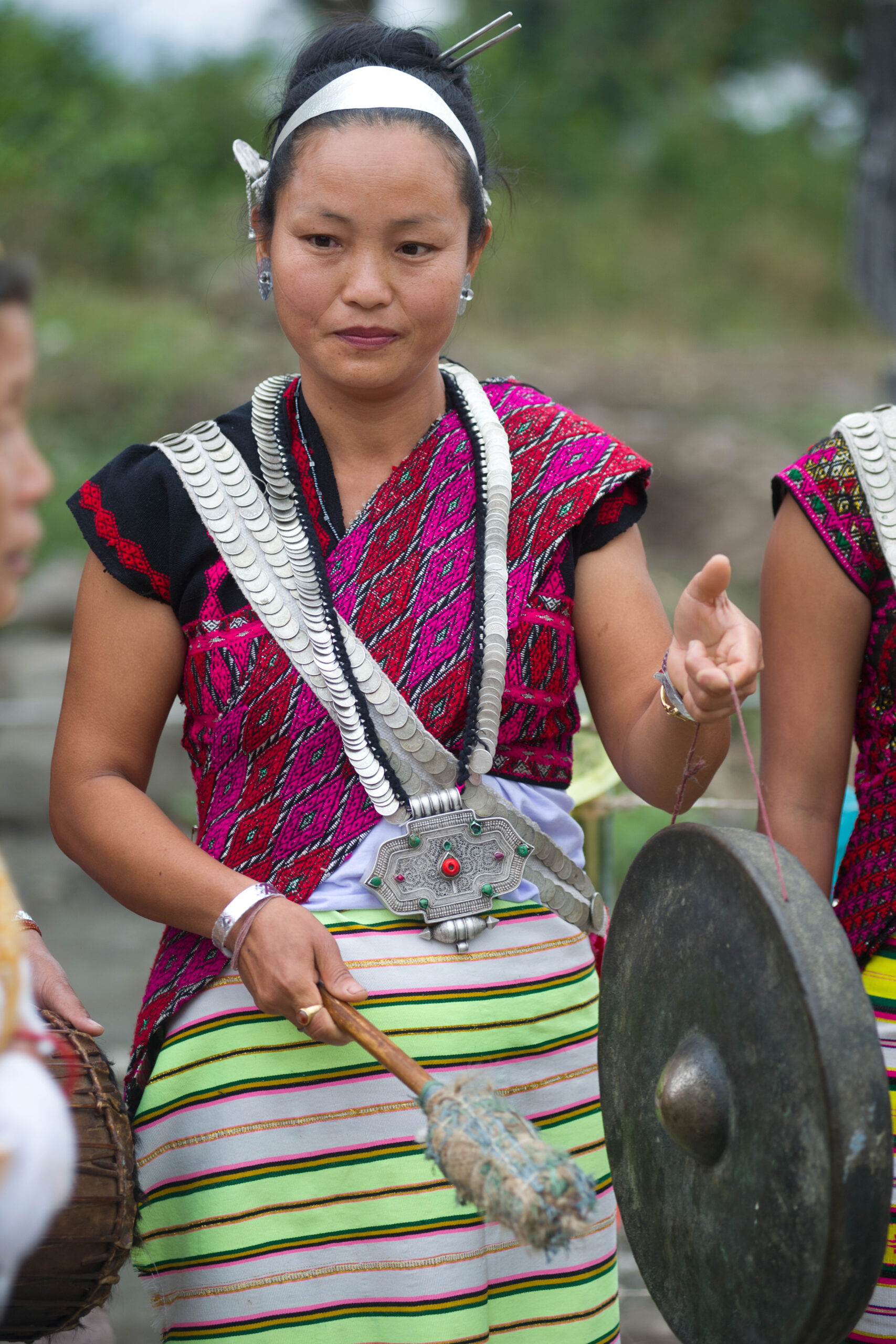
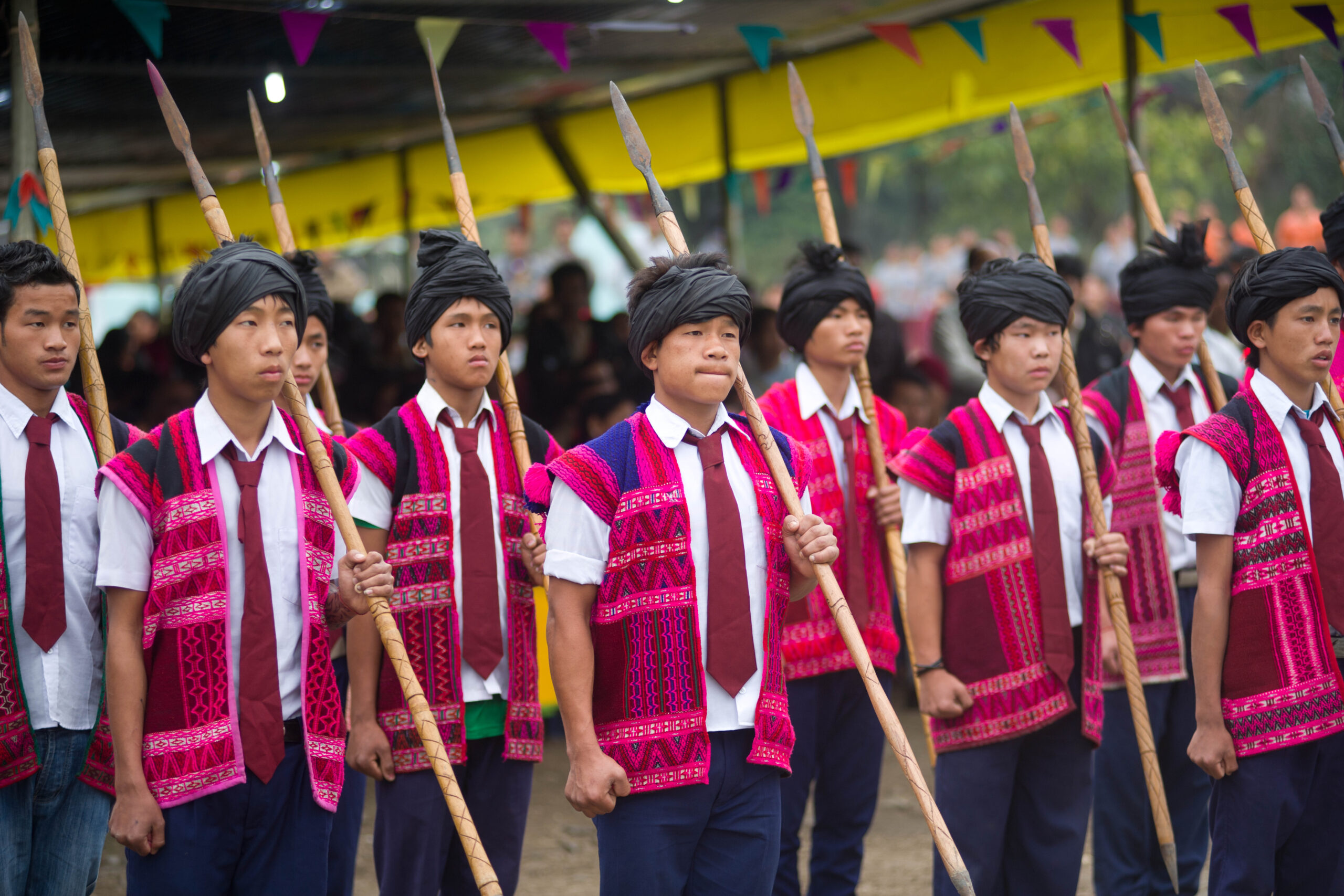
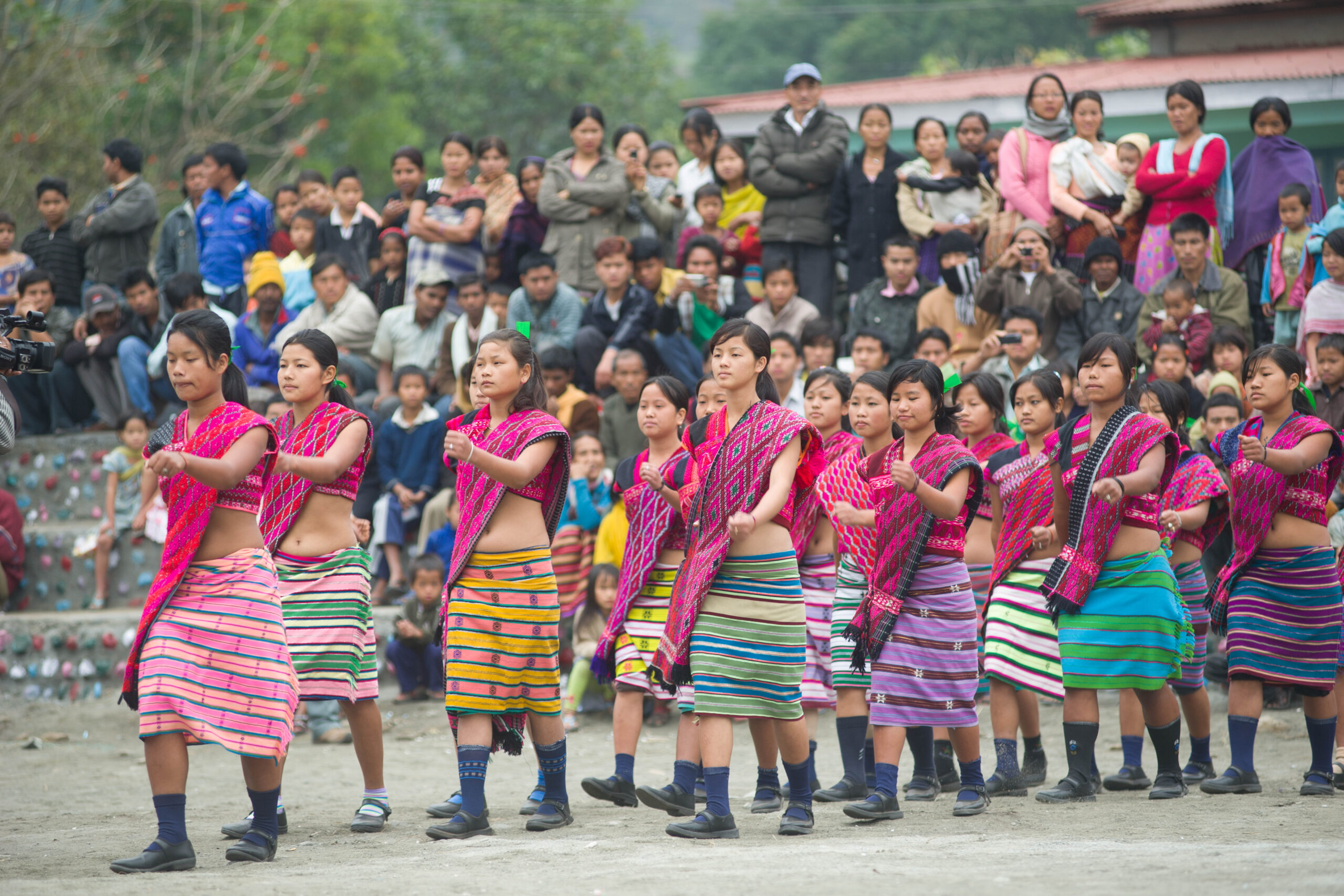
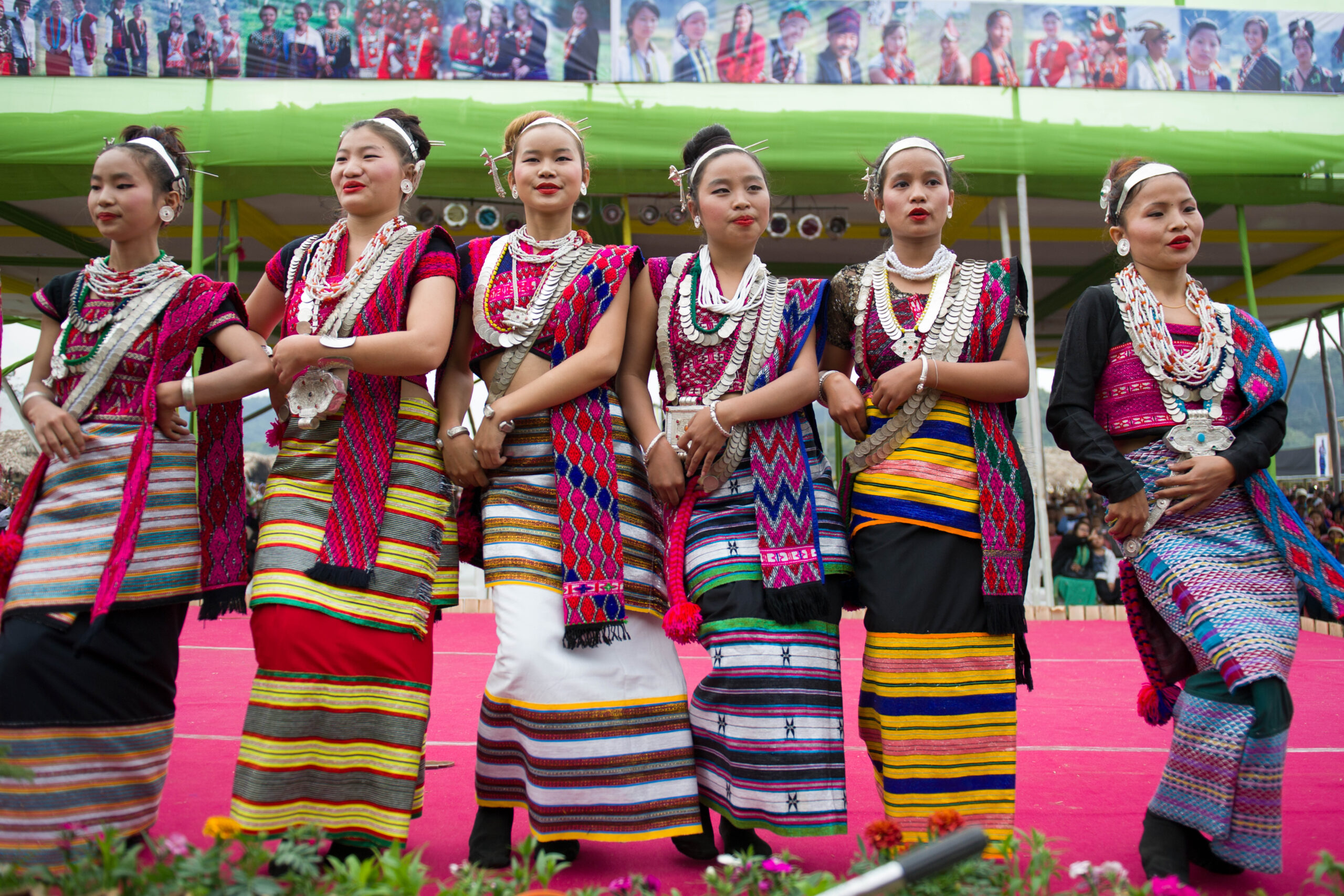
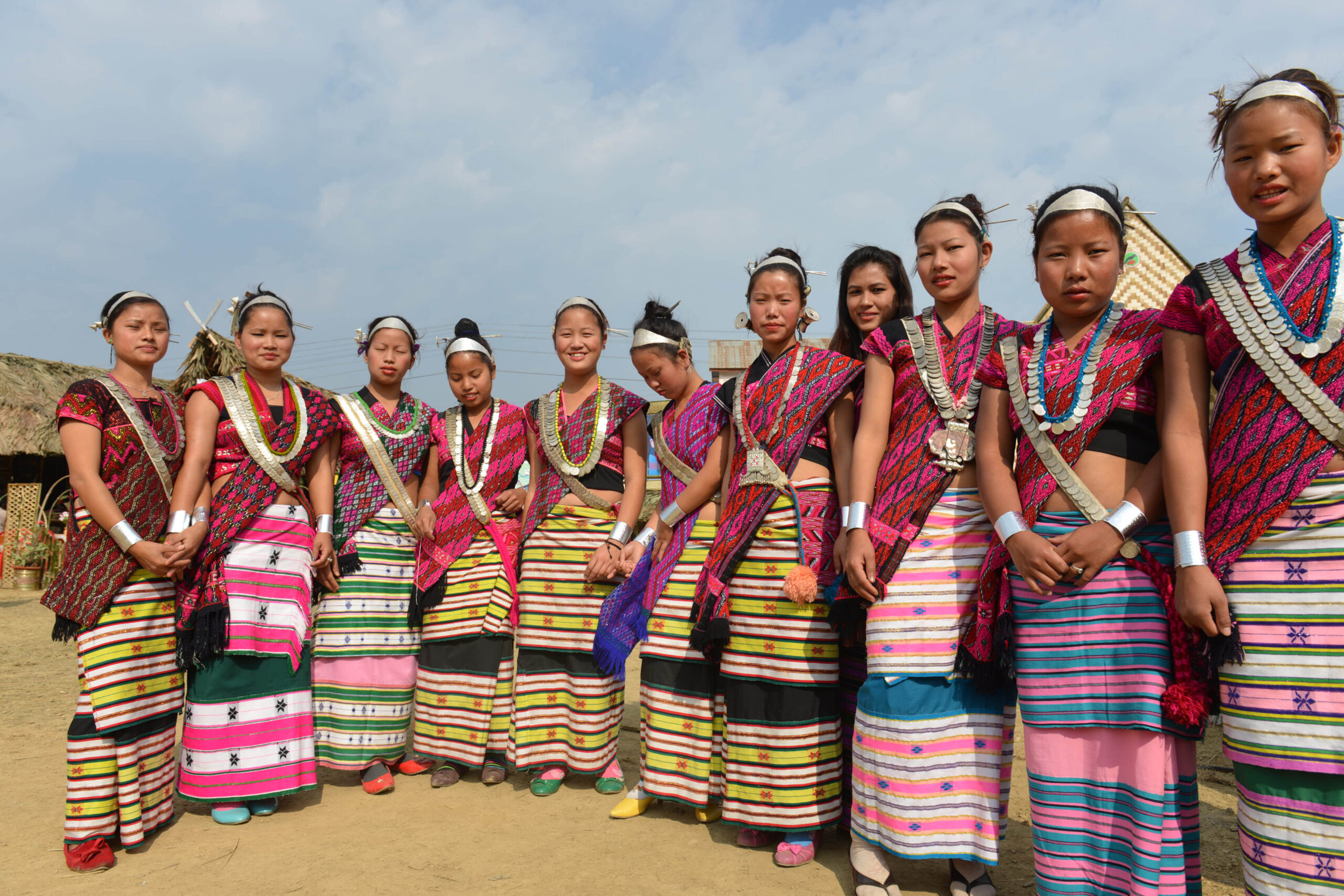
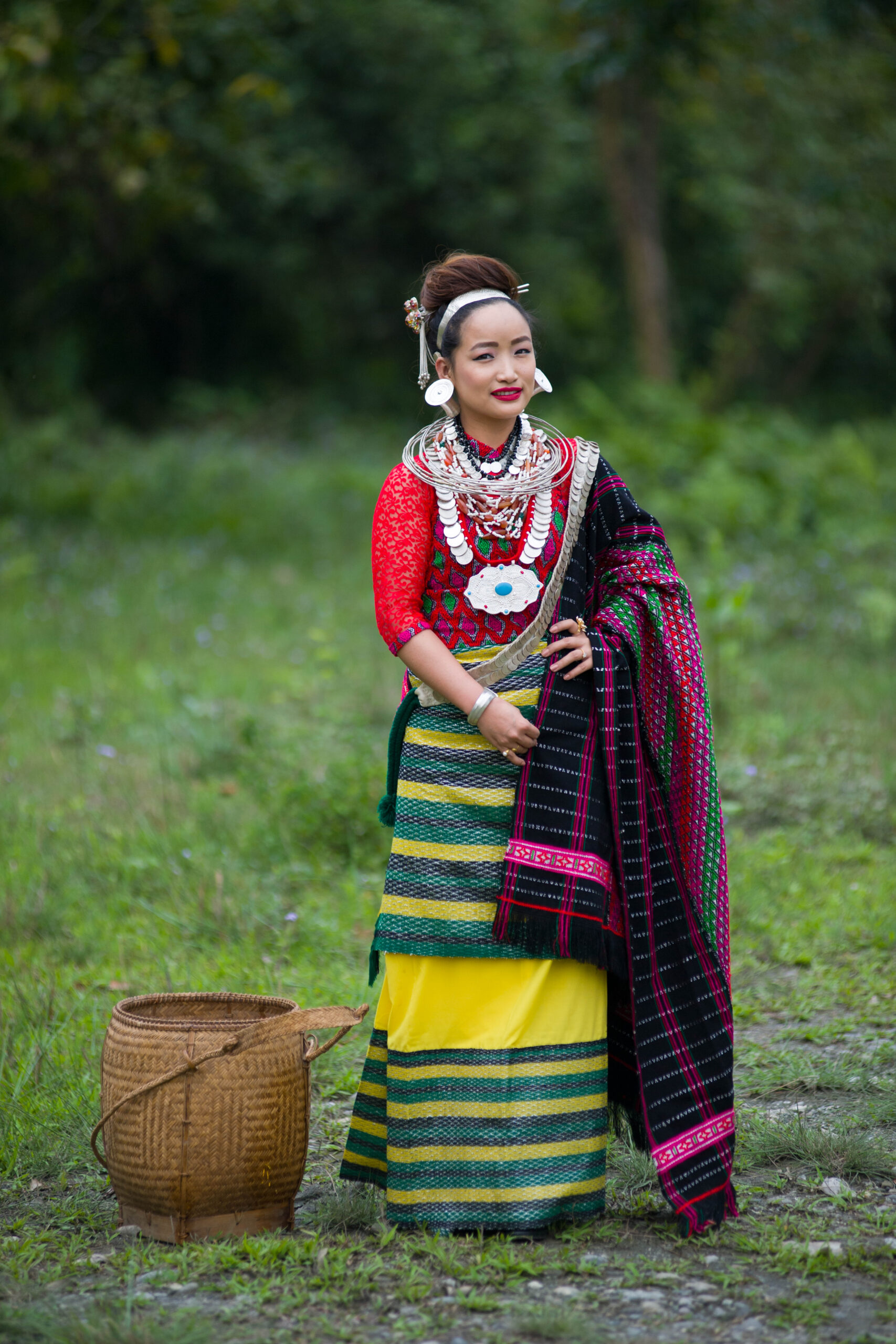
The festival is celebrated prominently in the Lohit and Lower Dibang Valley regions, especially in and around Tezu, where the largest gatherings take place. On this day, sacred rituals and offerings are performed by village priests, followed by traditional dances, folk songs, and joyful community feasts. People dress in colourful Mishmi attire, share meals, and renew social bonds, making Tamladu a powerful symbol of unity within the tribe.
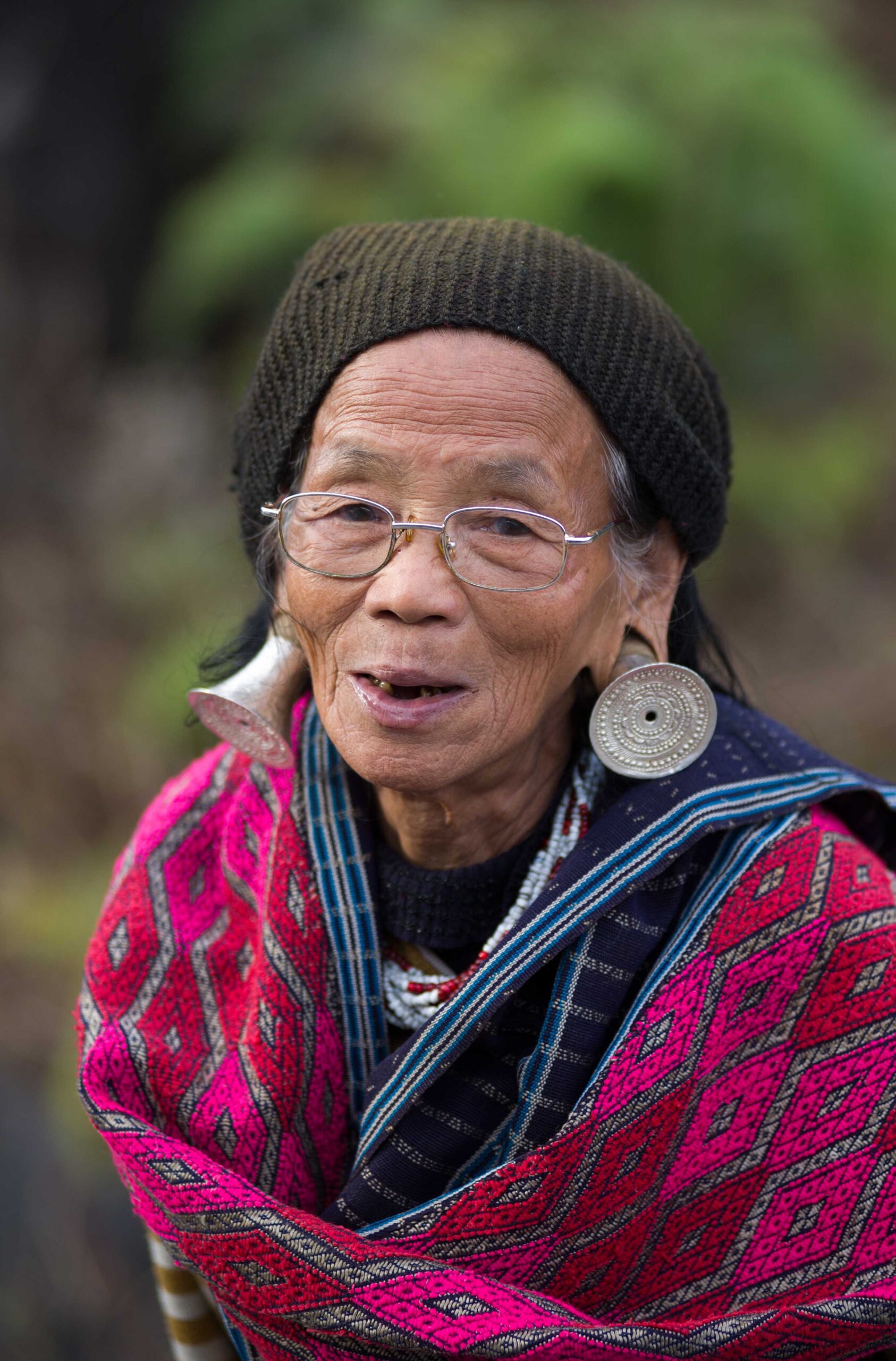


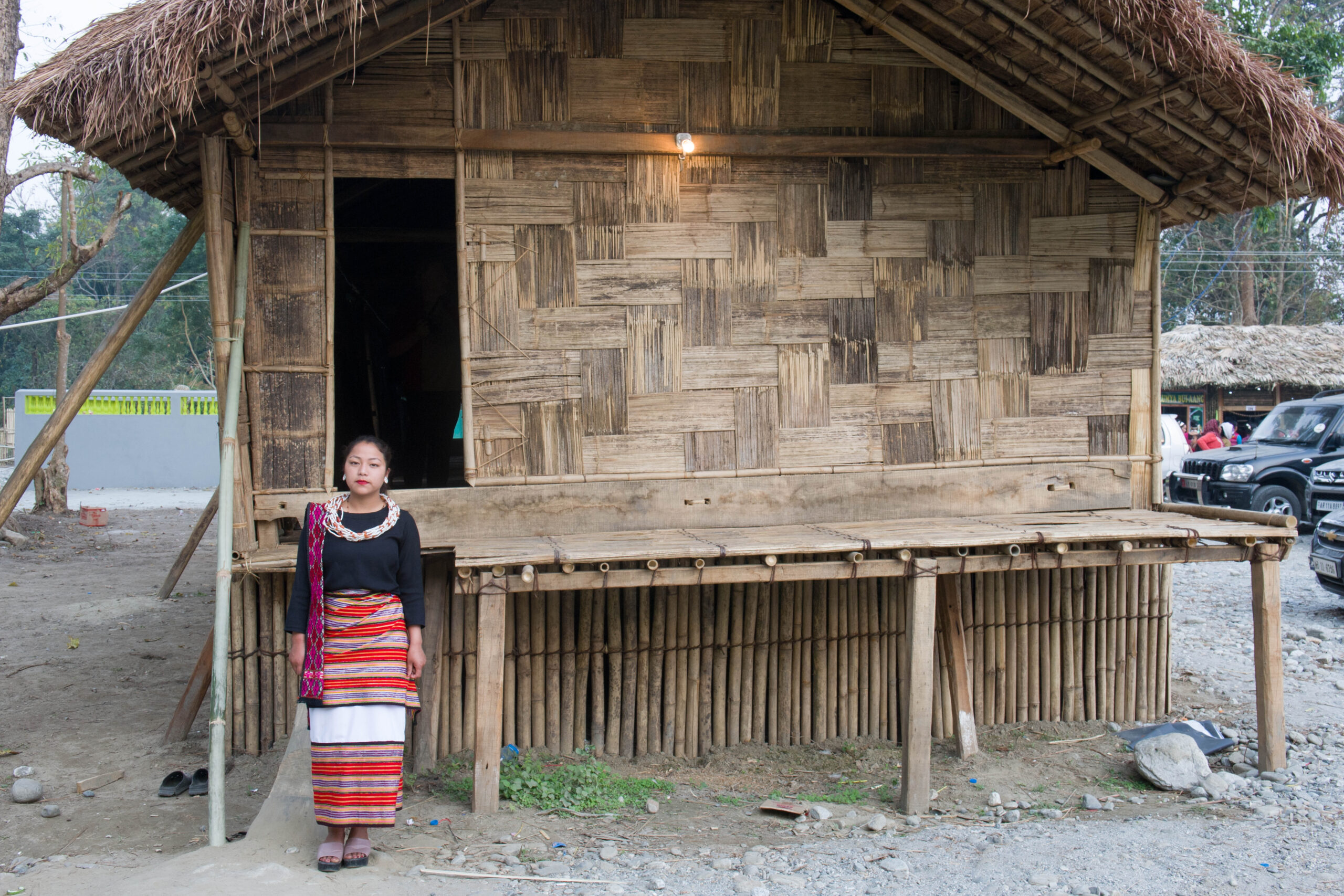
Beyond its religious significance, Tamladu also highlights the community’s deep respect for nature, their ancestral traditions, and their unique cultural identity. For travellers and culture lovers, it offers a rare opportunity to witness authentic indigenous rituals and the living heritage of the Mishmi people.
The rituals like Namsiang and Tamla-Taka or Tamla-Du is a form of natural deities and chanting practice by Mishmis since time immemorial.
Tamladu is a must experience festival and this festival spreads the message of unity and gaiety. Tanggong dance is performed throughout the festival which is a very popular rhythmic traditional dance.

Where to see Tamla-Du Festival
The festival is celebrated prominently in the Lohit and Lower Dibang Valley regions, especially in and around Tezu, where the largest gatherings take place. On this day, sacred rituals and offerings are performed by village priests, followed by traditional dances, folk songs, and joyful community feasts. People dress in colourful Mishmi attire, share meals, and renew social bonds, making Tamladu a powerful symbol of unity within the tribe.
Best season to visit
The Tamladu Festival is celebrated on 15th February every year, making this period the ideal time to experience the vibrant traditions of the Mishmi tribe. Apart from the festival, mid-February is also one of the best times for sightseeing in Arunachal Pradesh. The weather is generally pleasant, with clear skies and moderate temperatures, making it perfect for exploring scenic landscapes, hills, rivers, and lush valleys. Combining Tamladu celebrations with a cultural and nature-filled trip.
How to Reach Tezu
Tezu, a picturesque foothill town situated on the banks of the River Lohit, is well-connected by road, rail, and air. The town can be easily accessed via National Highways from Dibrugarh Airport and Tinsukia Railway Station, making it convenient for travellers from major cities.
In addition, Tezu Airport operates regular ATR flights, providing direct aerial connectivity and making the town easily reachable for both tourists and business visitors.
Where to stay in Tezu
There is no shortage of accommodation in Tezu and its surrounding areas. Visitors can choose from a range of options, including comfortable hotels, well-maintained resorts, and thoughtfully organized homestays that offer a closer experience of local life. For the best recommendations and to ensure availability, it is advisable to coordinate with your tour guides or local contacts before booking.