Ziro
A Cultural Landscape
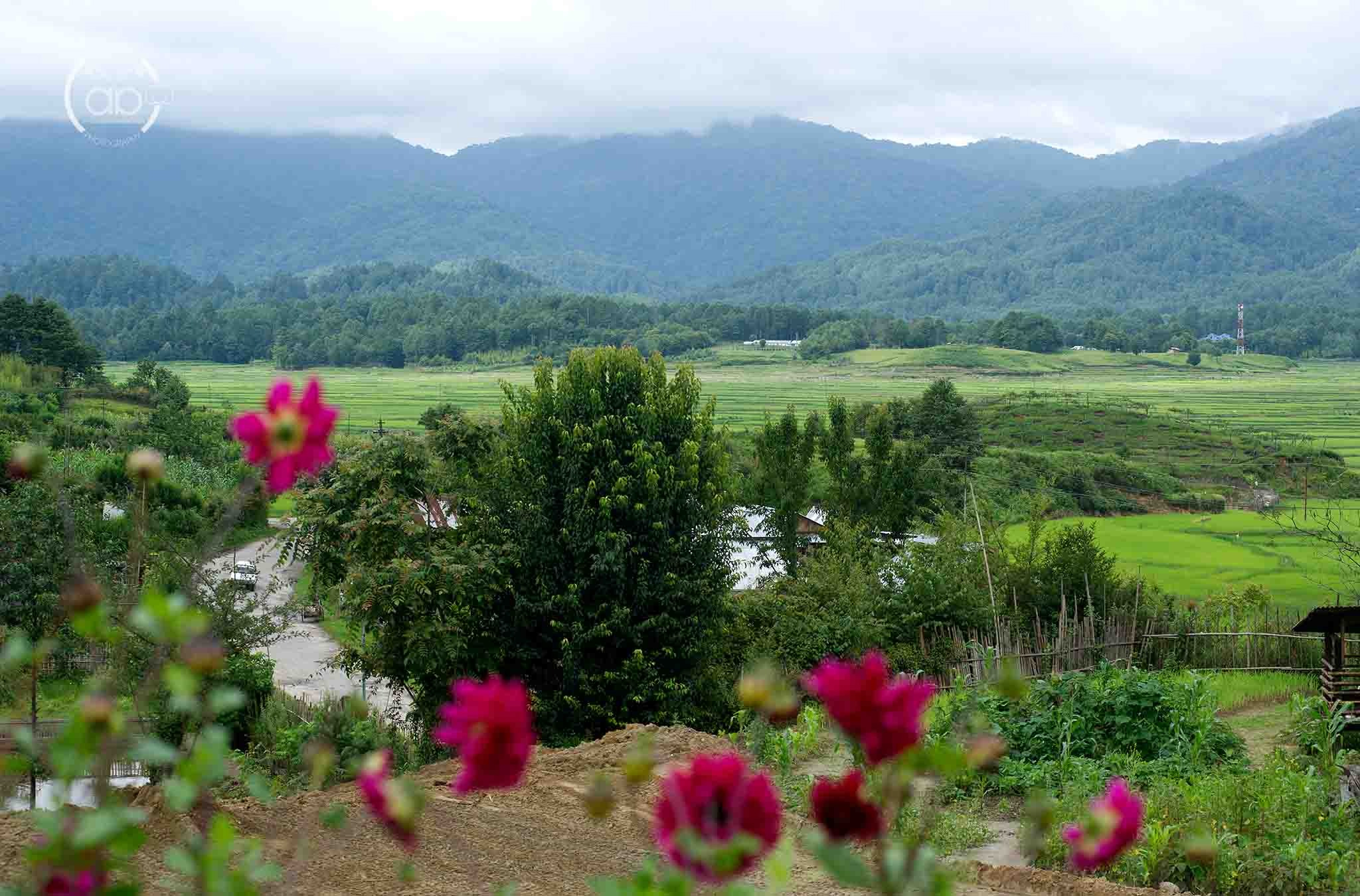
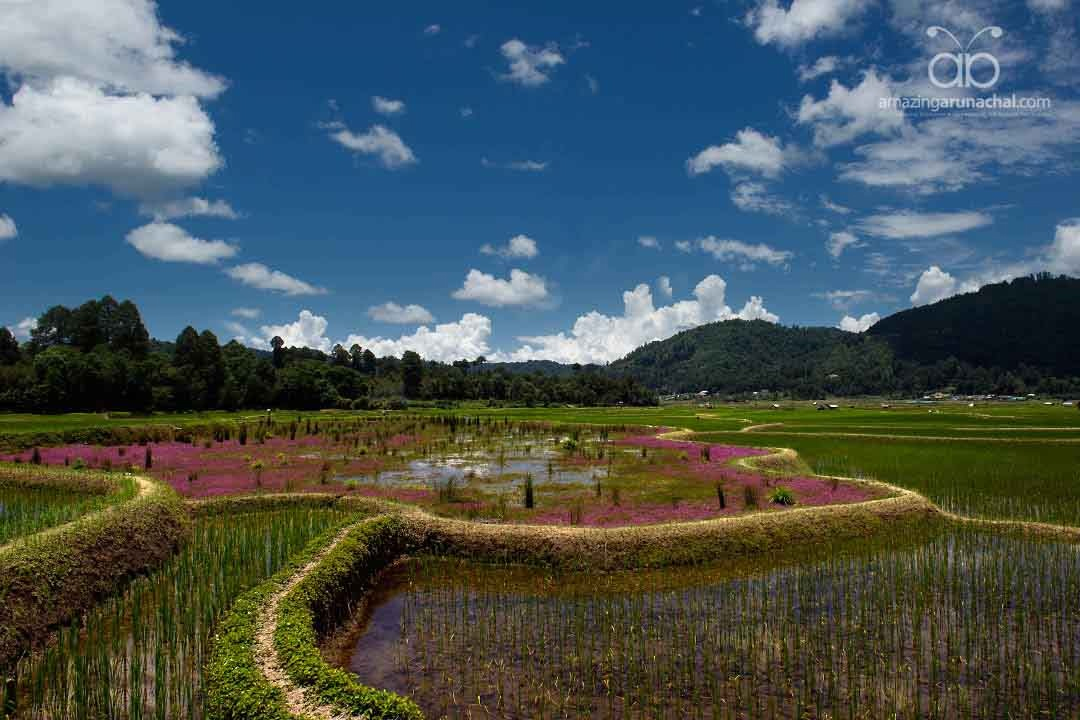
A luminous plateau surrounded by pristine air, dramatic mountains, and serpentine roads, Ziro is one of Arunachal Pradesh’s most captivating cultural landscapes. This fertile valley is home to the Apatani tribe, known historically for their unique facial tattoos and renowned for the remarkable paddy-cum-fish cultivation system. Resting at an elevation of about 1,564 meters, the Ziro Valley feels like a world carved by nature’s finest hands—rugged, beautiful, and timeless.
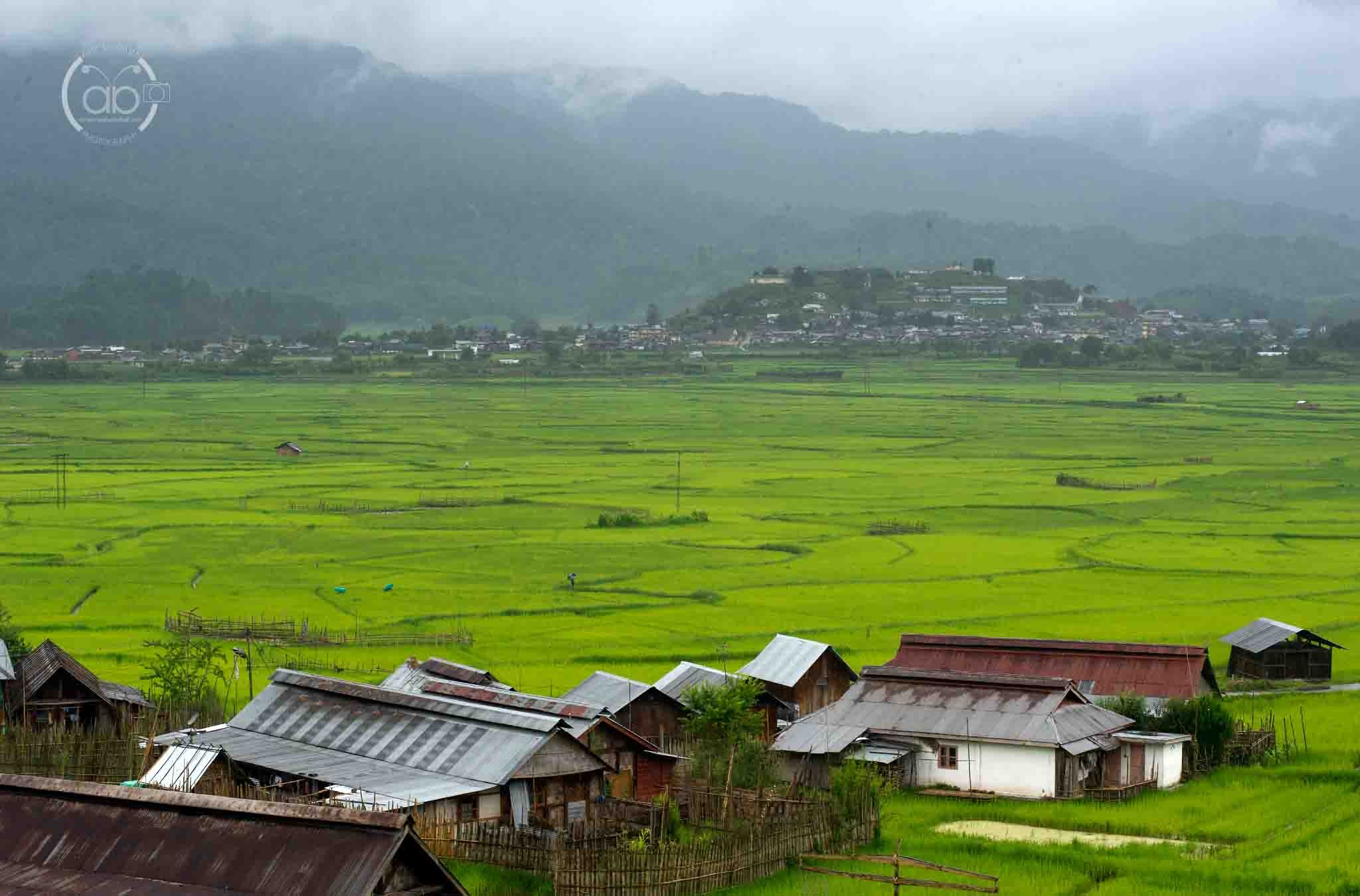
Despite the challenging terrain, the Apatanis learned not just to survive, but to thrive. Their ancient knowledge has shaped a harmonious relationship between people, land, and water. The valley is dotted with alpine forests, vast terraces of emerald green, and rivers that feed life into every corner. The region is also known for indigenous salt, handmade traditional paper, and a landscape stitched with narrow ravines and craggy splendor.
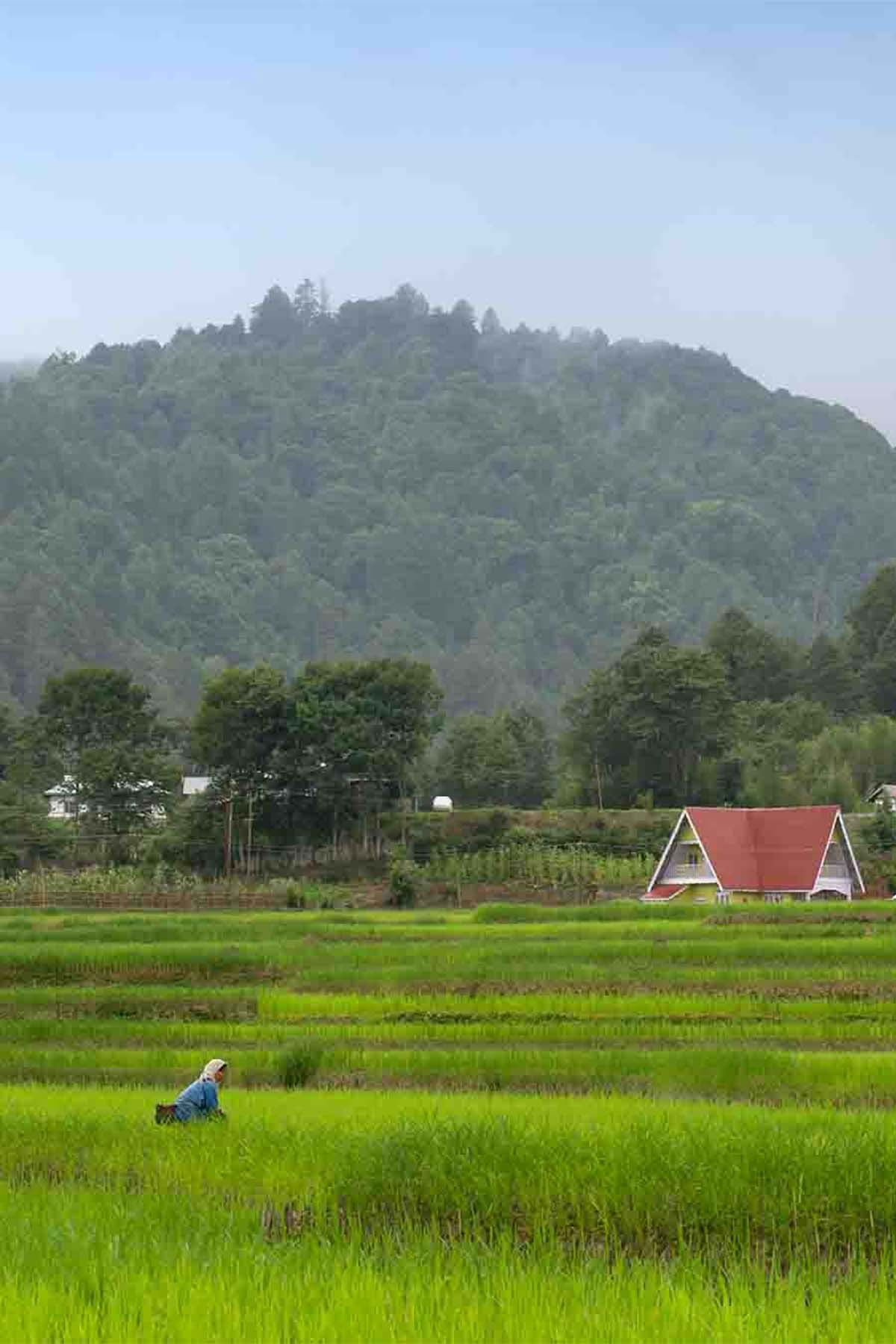
Ziro’s elaborate wet-rice cultivation is among the most scientifically managed traditional farming practices in India. Unlike many tribes who historically practiced shifting (jhum) cultivation, the Apatanis are permanently settled agriculturists. They channel river water through an intricate system of canals into terraced fields, growing paddy while simultaneously rearing fish such as common carp, catla, and rohu. This sustainable model provides rich harvests without the need to clear forests, making Ziro a shining example of ecological wisdom and indigenous science.

Living Museum of Nature
The Apatanis also stand out culturally. Their villages are organized and permanent, unlike many other tribes who moved regularly in search of new land. Their craftsmanship, vibrant festivals, traditional houses, and strong community systems reflect a deep connection with heritage. The iconic facial tattoos and nose plugs, once worn by Apatani women, are no longer practiced—but they remain an important part of their identity and history.
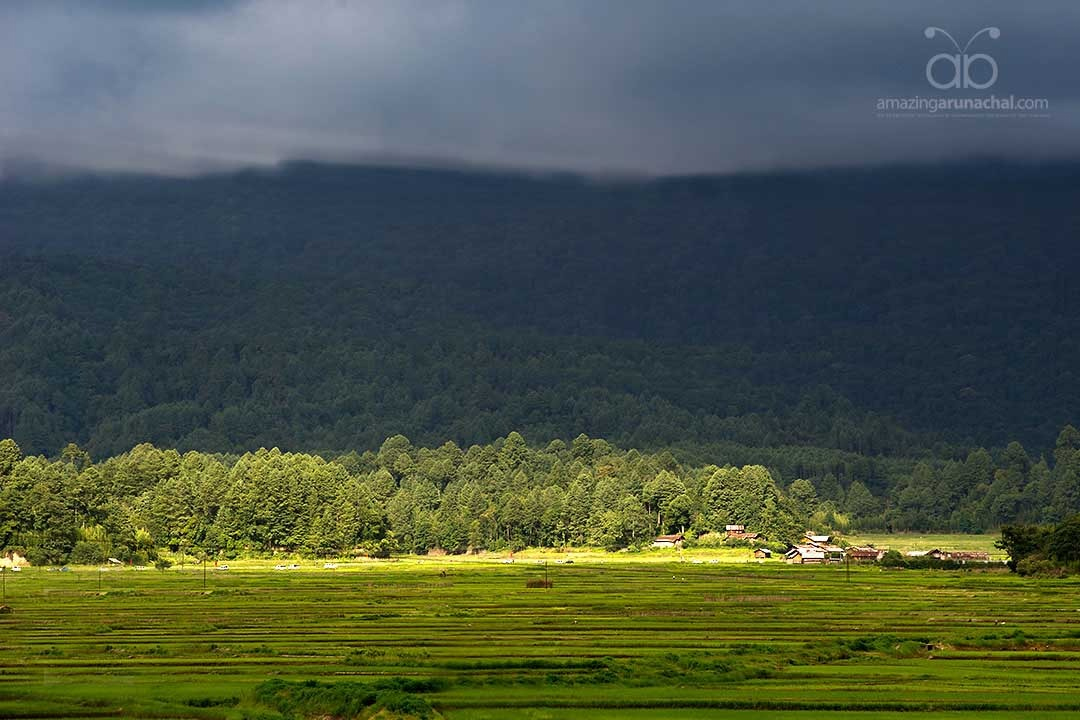
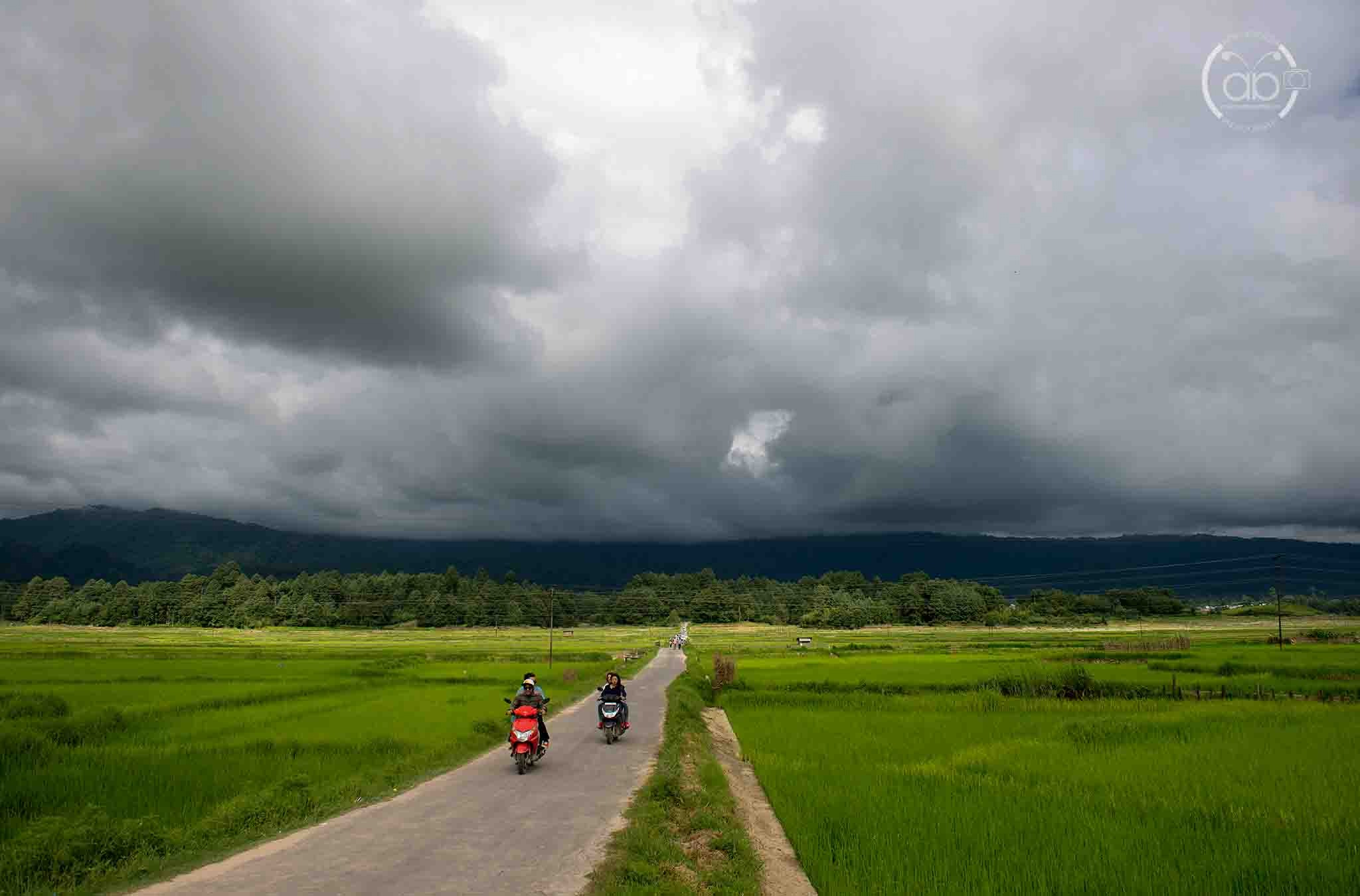
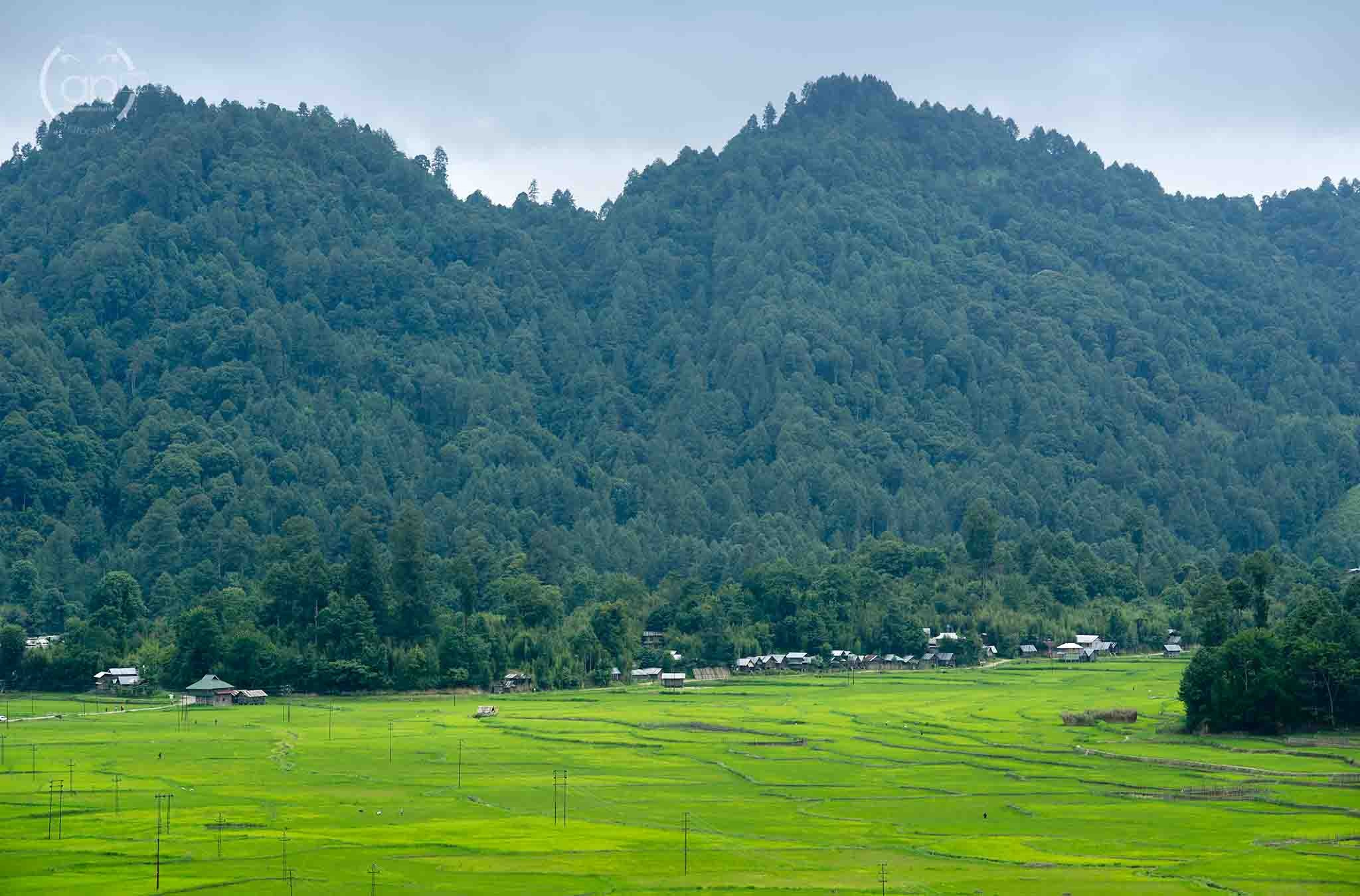
Ziro Valley is a picturesque high-altitude plateau wrapped in pine-covered hills, emerald rice fields, and crystal-clear streams. Its gentle landscape, terraced paddy fields, and misty mountain horizons create a postcard-perfect view throughout the year. Home to the Apatani tribe, Ziro blends natural beauty with rich culture—where traditional wooden houses, bamboo groves, and peaceful village life paint a tranquil picture of harmony between nature and people. Calm, green, and endlessly scenic, Ziro is one of the most enchanting valleys of Arunachal Pradesh.
Ziro is not just a destination—it’s a living museum of nature’s beauty and tribal ingenuity, where ancient customs and eco-friendly traditions continue to inspire visitors from around the world.

What to See in Ziro
Ziro is a charming and picturesque town located about 115 km from Itanagar, the capital of Arunachal Pradesh. Its scenic beauty, indigenous culture, and sustainable farming traditions have drawn travellers from across the world. Because of its outstanding cultural landscape, Ziro Valley has been included in UNESCO’s Tentative List of World Heritage Sites.
Below are some of the top attractions in Ziro:
Talley Valley Wildlife Sanctuary
A vast and biodiverse sanctuary home to pine forests, bamboo groves, orchids, rare bird species, and clouded leopards. Treks through the sanctuary offer stunning views, pristine air, and rich wildlife experiences.
Meghna Cave Temple
A sacred temple dedicated to Lord Shiva, believed to be over 5000 years old. Perched on a hilltop, it offers spectacular panoramic views of forests, valleys, and rivers.
Pine Grove
A scenic natural pine forest known for its peaceful walking trails and fresh mountain air. It’s a popular picnic and photography location.
Kile Pakho
A stunning viewpoint where visitors can see two contrasting landscapes at once: the lush Ziro Valley on one side and the snow-clad Himalayan ranges on the other.
Hong Village
One of the largest villages of the Apatani tribe, famous for traditional wooden houses, community living, and unique agricultural systems. It is a great place to explore Apatani lifestyle, cuisine, and handicrafts.
Midey
A giant tree viewpoint and a favourite trekking spot. Known for its bamboo groves and panoramic views of the valley.
Hapoli
The main town area of Ziro where visitors can shop for local handloom products, handicrafts, and enjoy local cuisine.
How to Reach Ziro
By Rail:
The nearest railway station is Naharlagun, about 100 km from Ziro. Taxis and shared vehicles are easily available from the station.
By Air:
The nearest airport is Donyi Polo Airport, Itanagar. From here, hire a car or shared taxi to Ziro.
By Road:
Ziro is accessible via good motorable roads from Itanagar, Naharlagun, and North Lakhimpur. Private taxis and daily shared Sumos operate on these routes.
Where to Stay in Ziro
Ziro offers a wide range of accommodation choices:
- Eco-resorts and boutique stays
- Comfortable mid-range hotels
- Numerous traditional homestays run by local families
Homestays are highly recommended, as they offer delicious home-cooked food, campfire evenings, and cultural experiences with Apatani hosts.
Best Season to Visit
- Summer (March to June): Cool weather and lush green landscapes
- July – Dree Festival: The famous agricultural festival of the Apatanis
- Late September – Early October: Ziro Music Festival
A world-famous outdoor music event held among golden paddy fields and mountain scenery. Ziro remains pleasant throughout the year, but the festival months are the most vibrant and culturally rich