Festival of Idu-Mishimi Tribe
Reh
A festival of faith, colour, rhythm and timeless heritage.
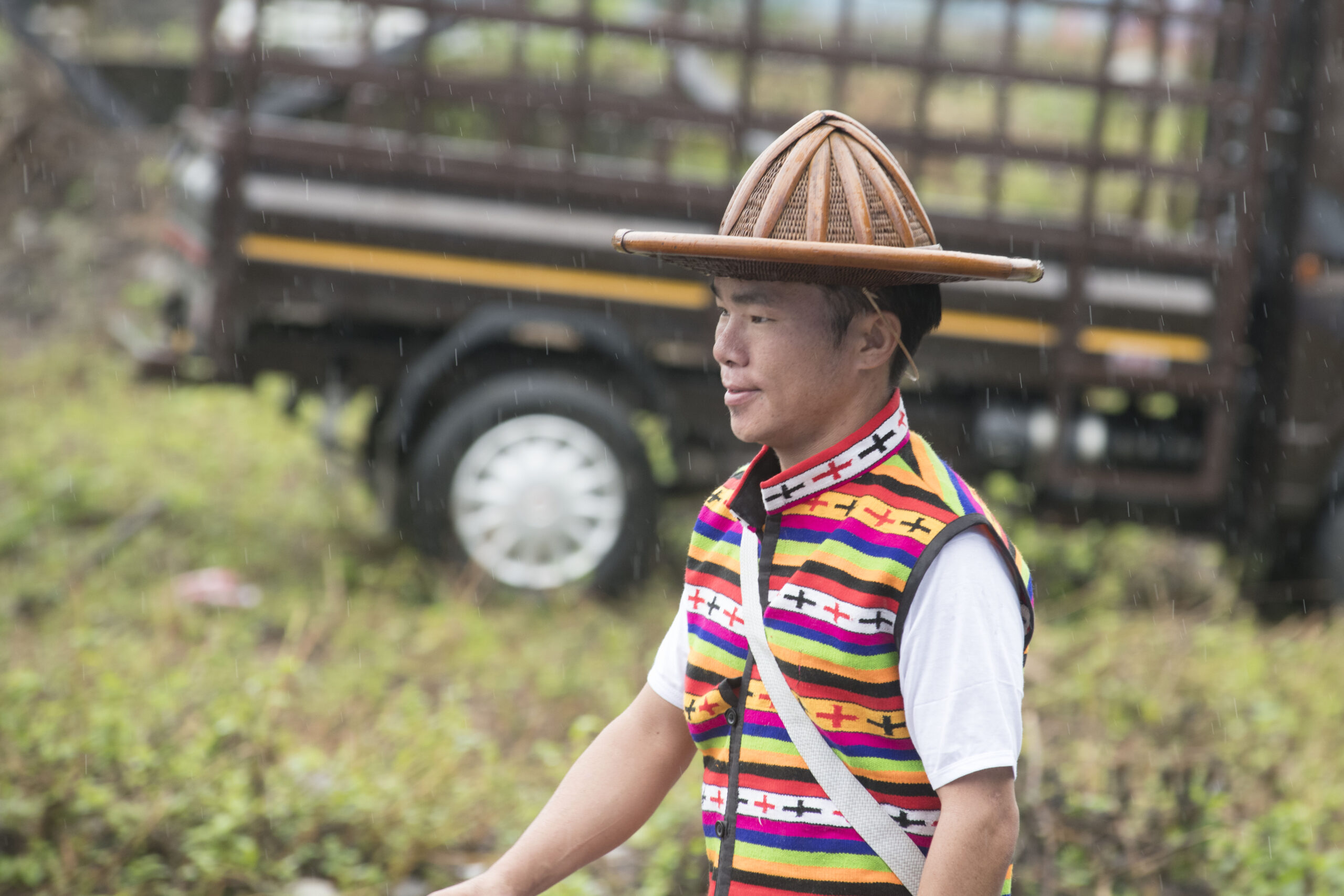
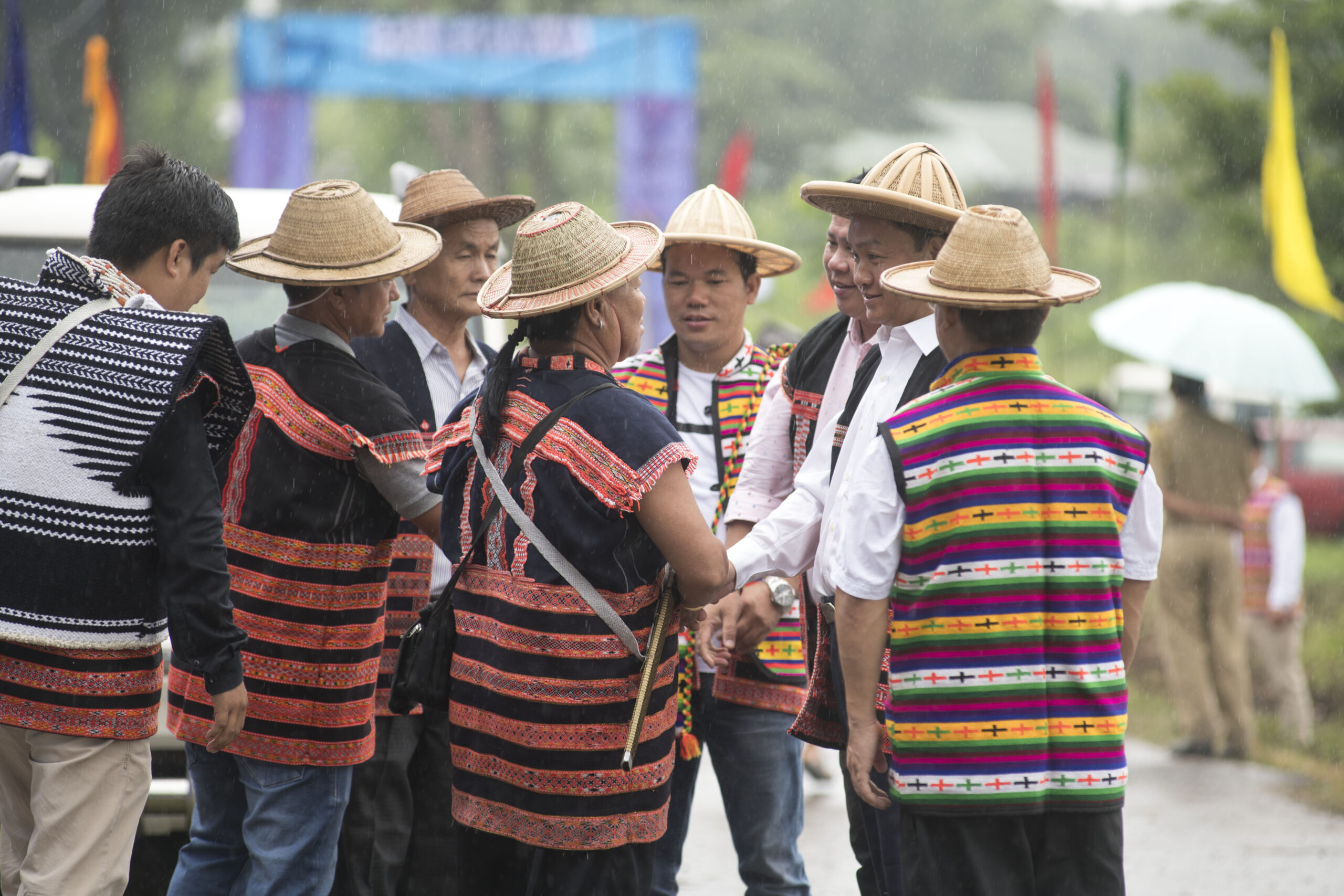
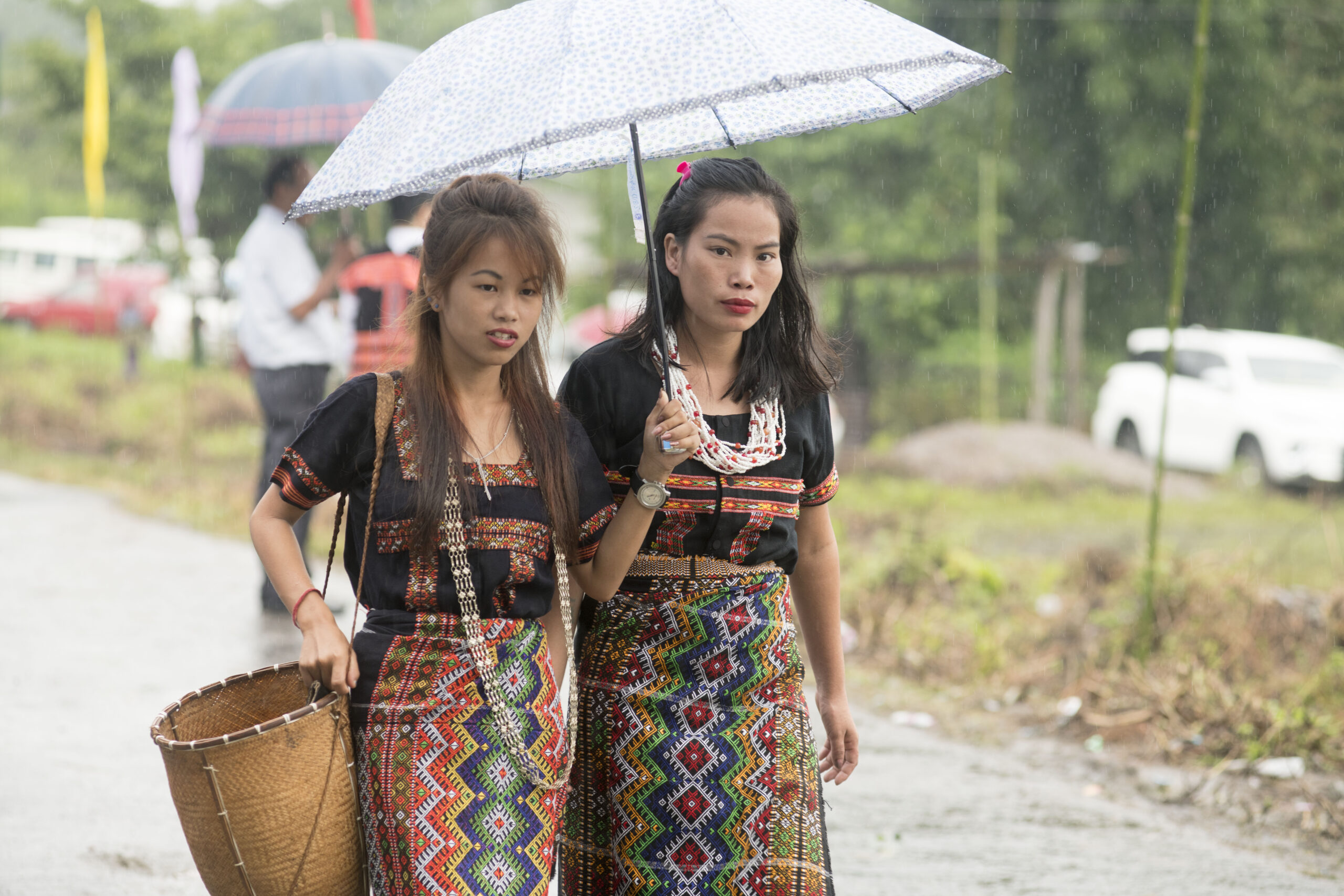
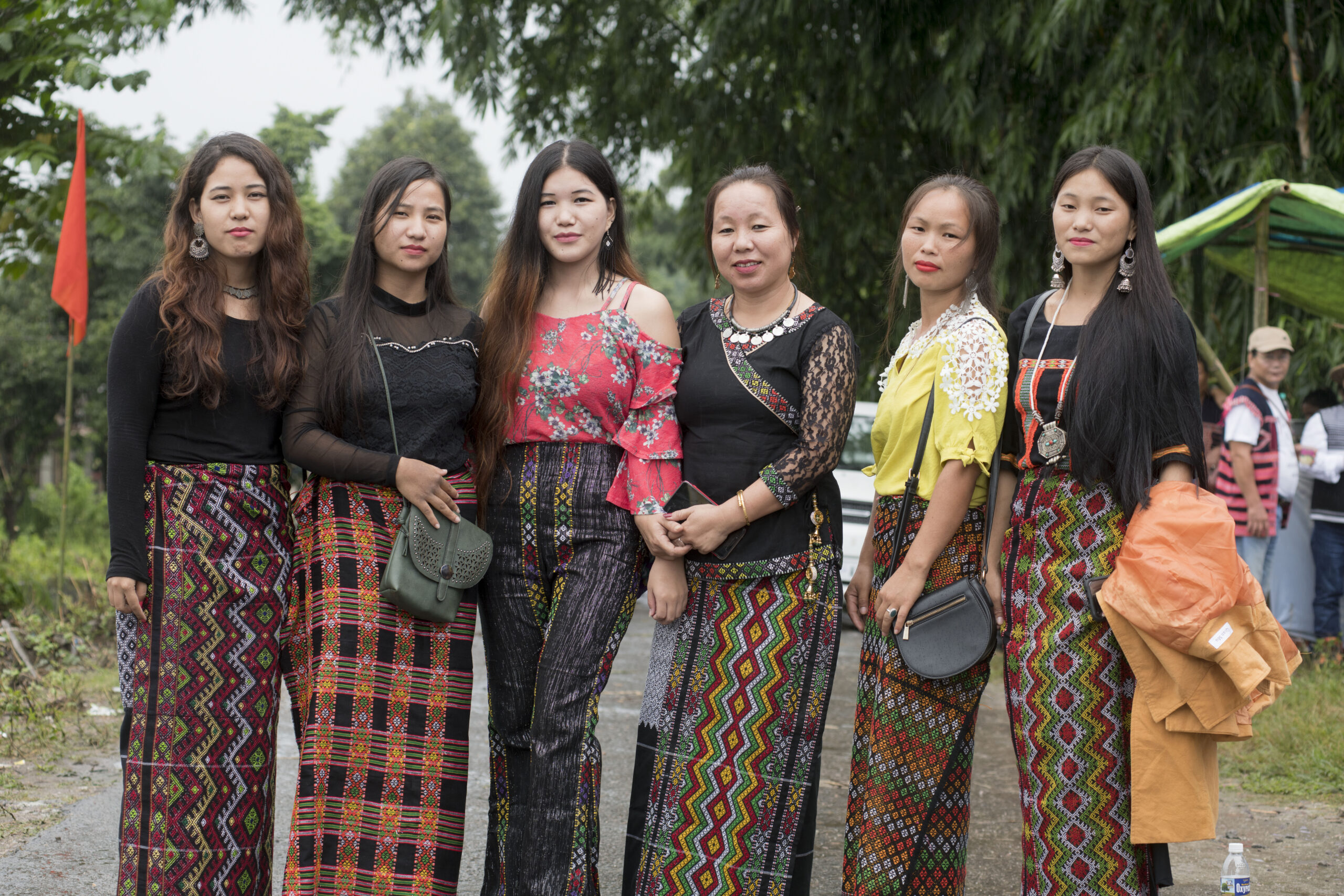
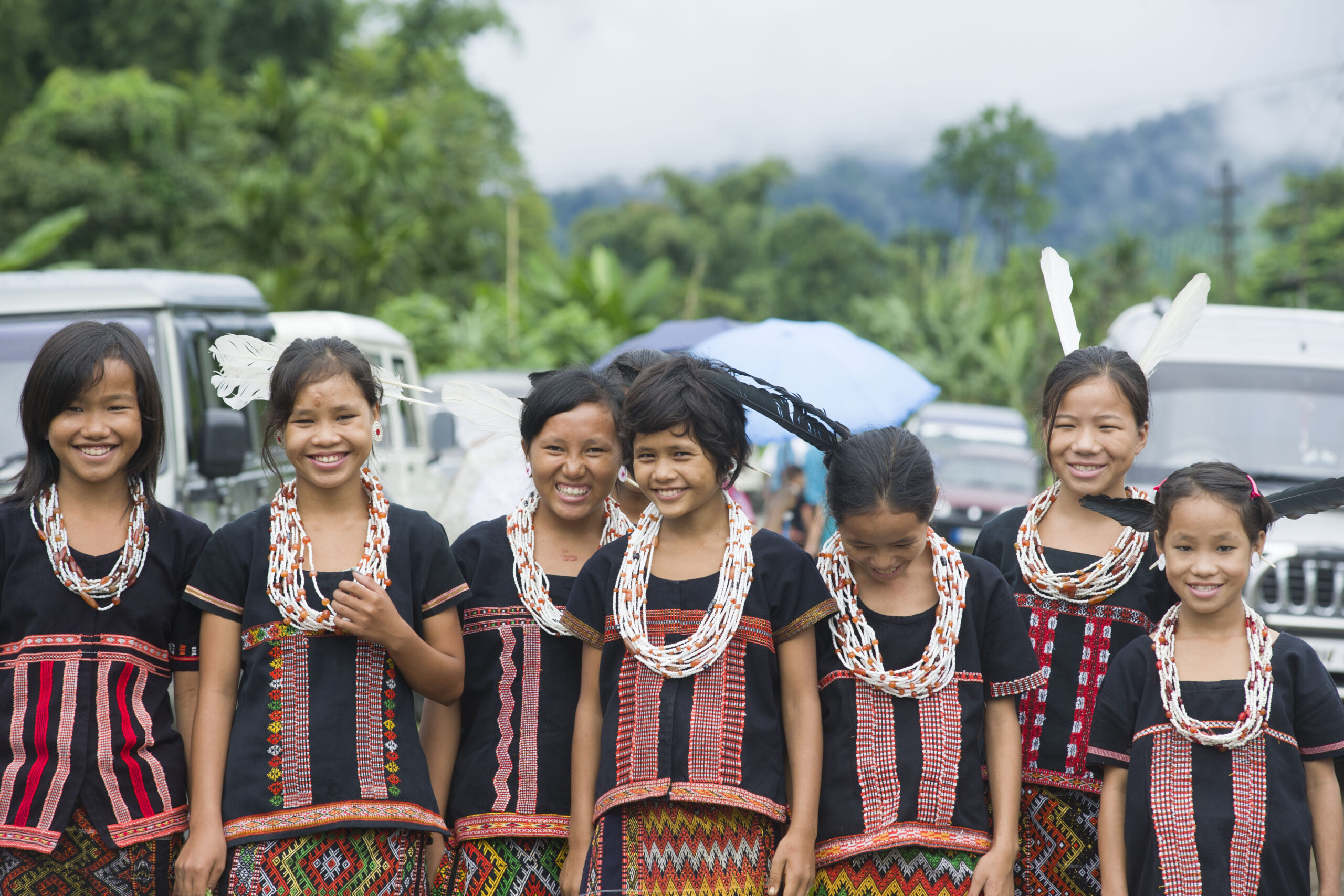
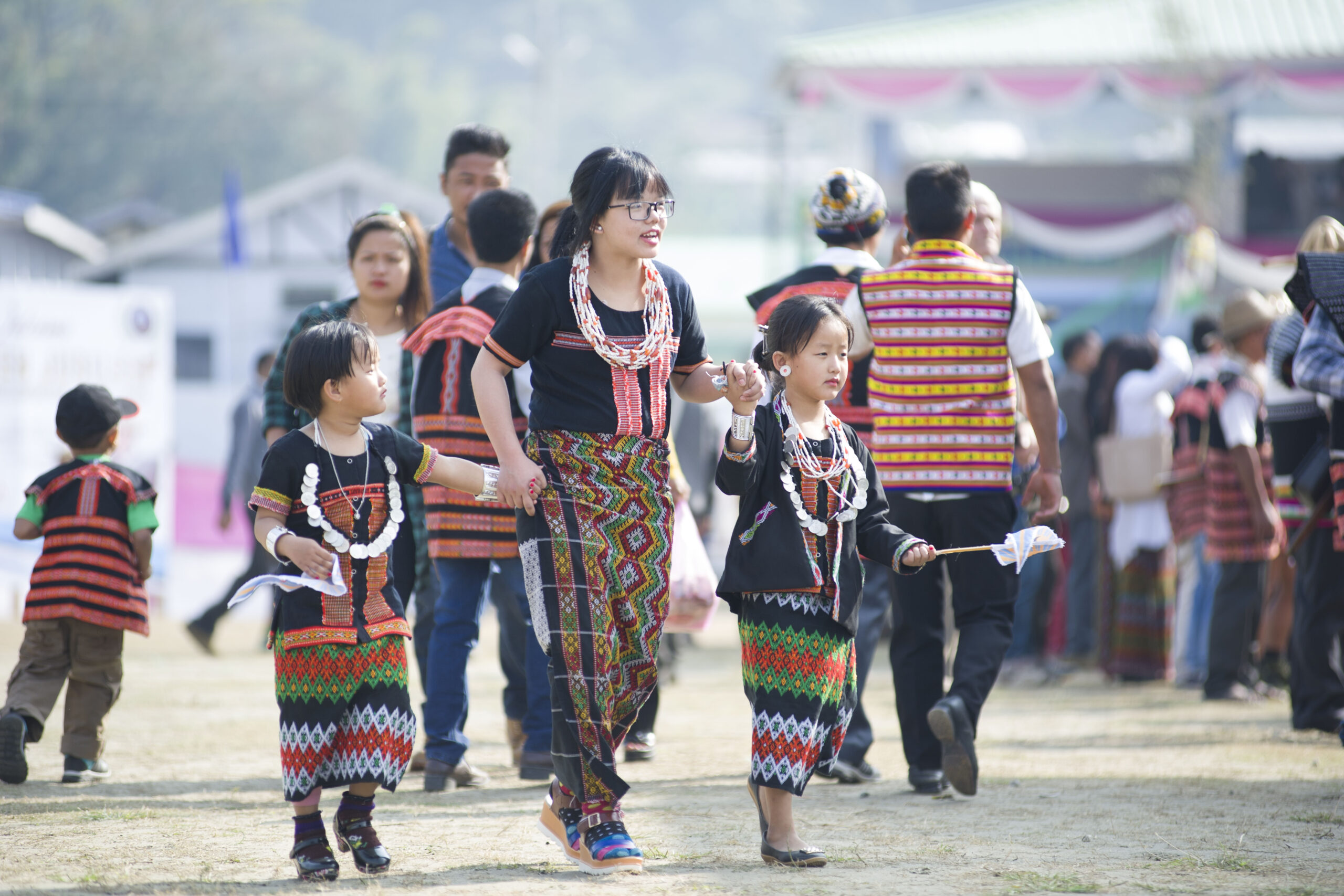
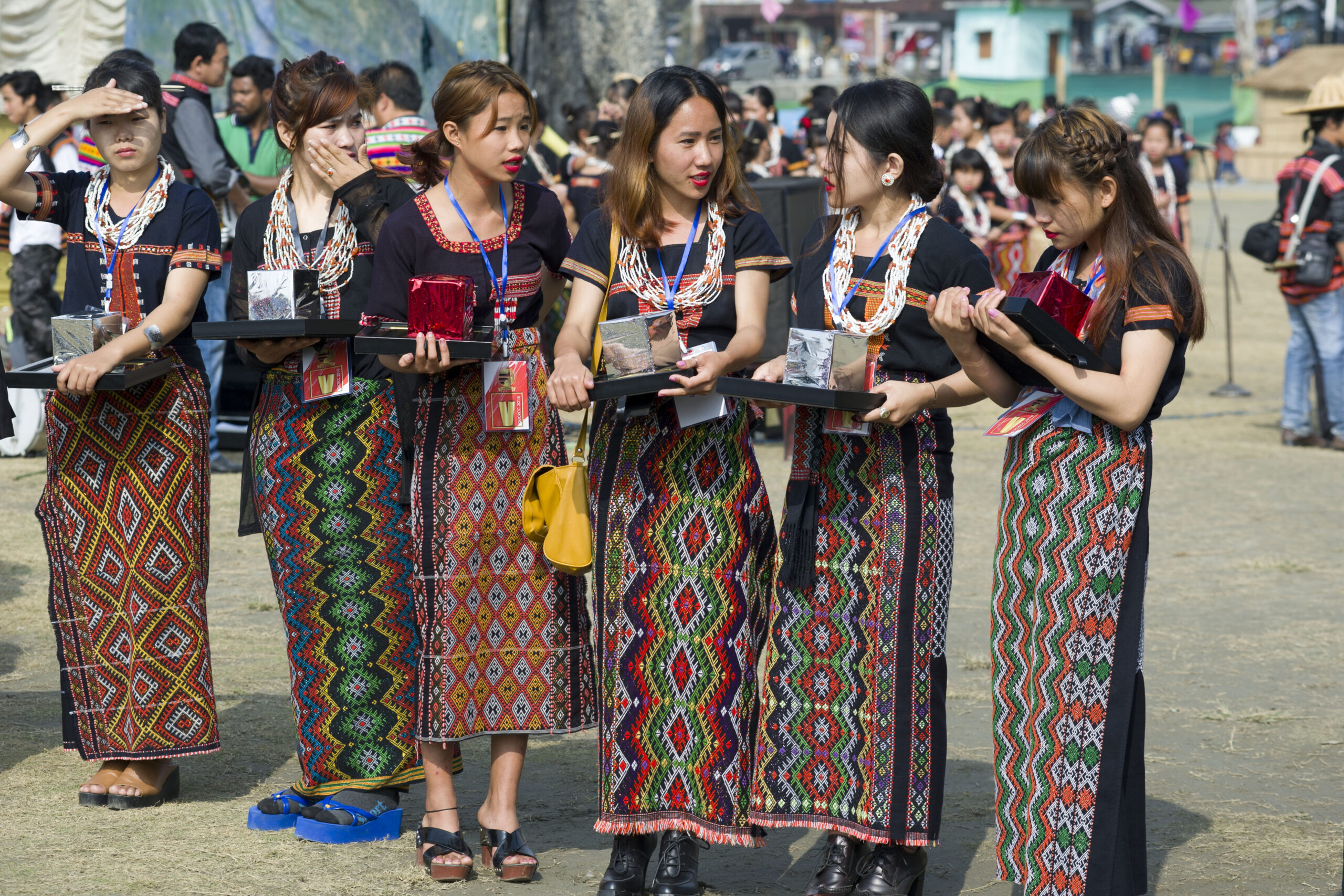
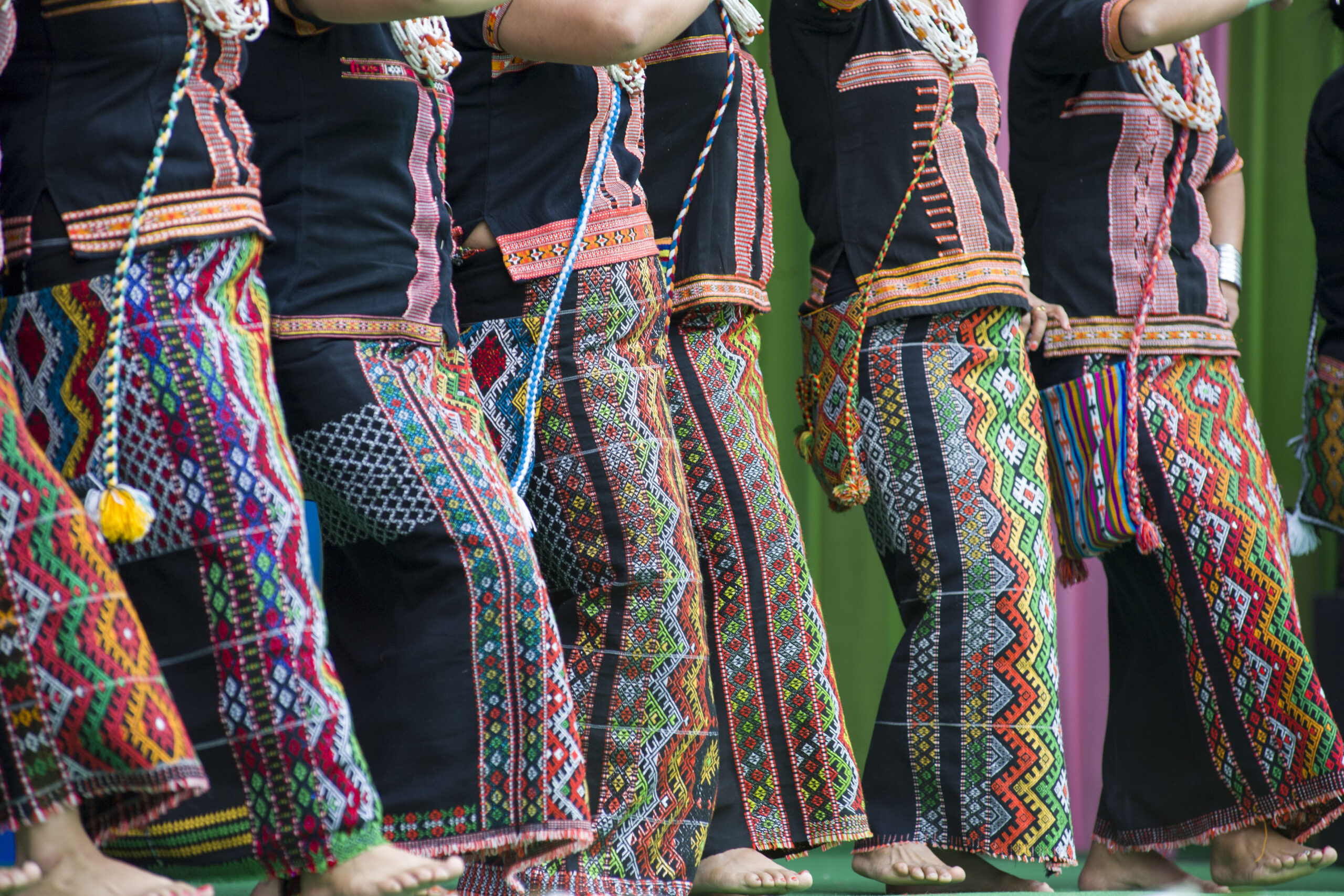
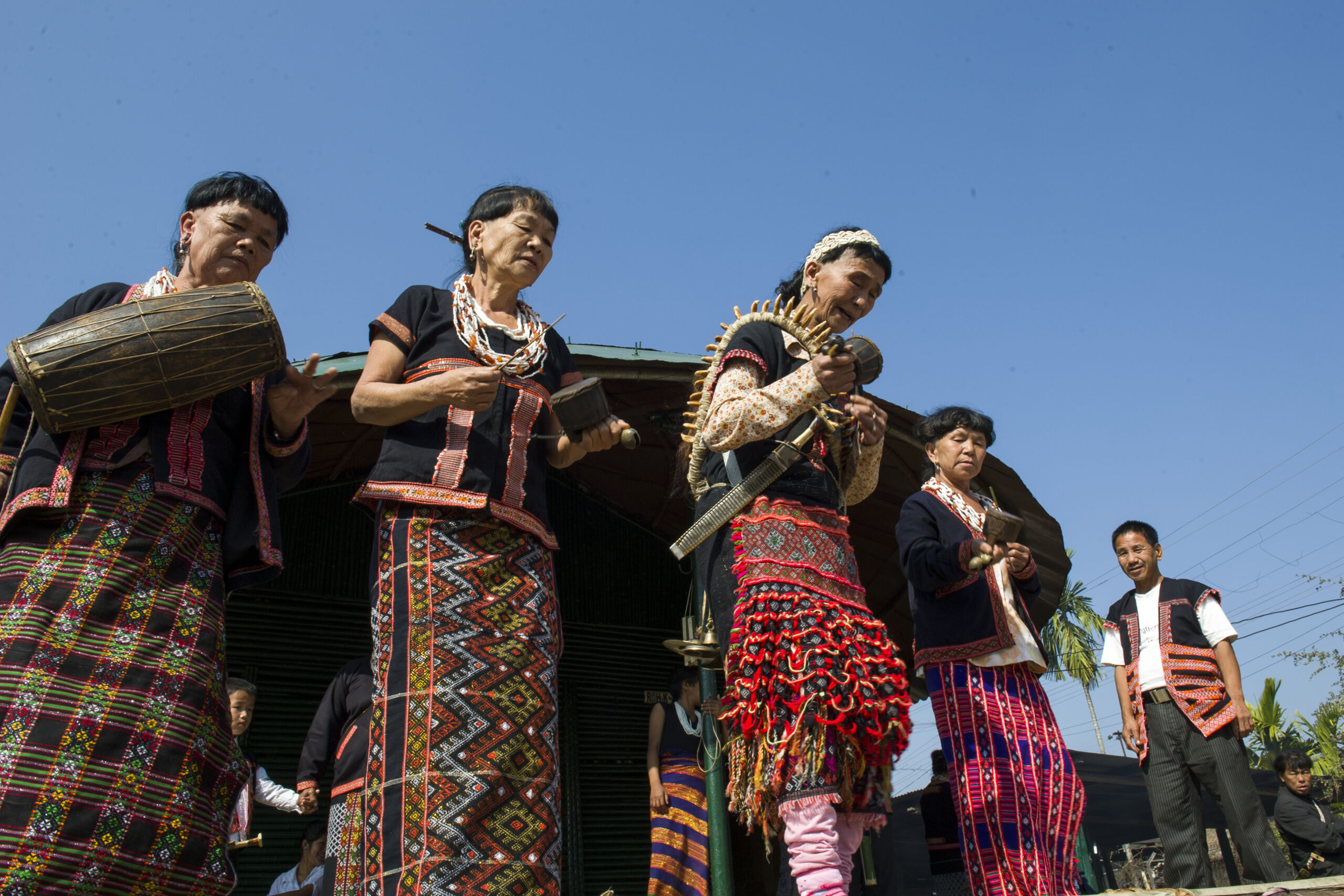
The Reh Festival, celebrated by the Idu Mishmi tribe amidst the breathtaking landscapes of the Dibang Valleys, stands as a testament to the cultural grandeur and spiritual depth of this ancient community. The festival comes alive with vibrant traditional attire, age-old rituals, rhythmic dances, and the echo of ceremonial chants that resonate through the mountains and valleys.
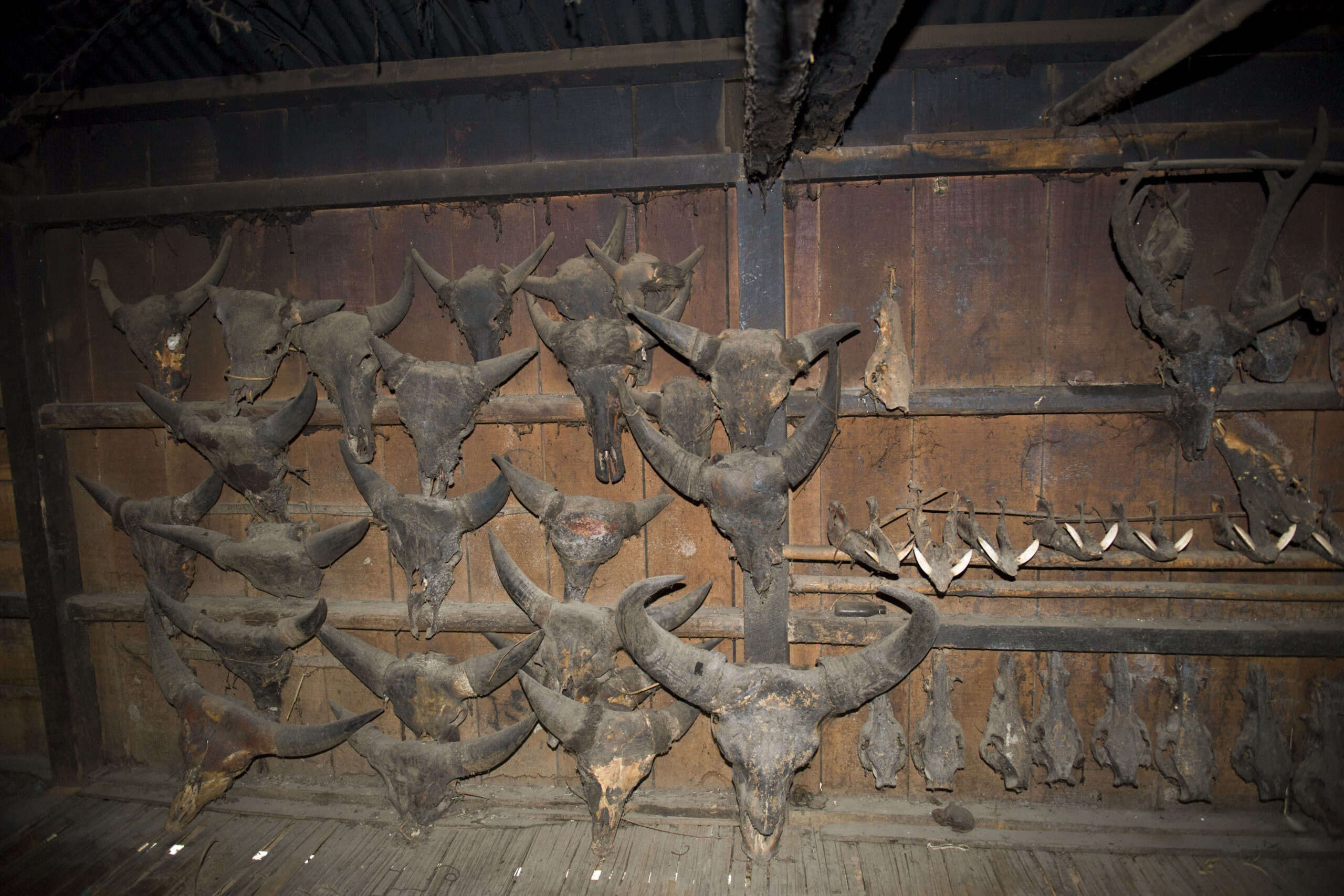
Rituals form the heart of Reh—performed to appease deities, express gratitude, and seek blessings for harmony, good health, and prosperity. These sacred ceremonies create an atmosphere of devotion, offering a rare window into the tribe’s spiritual connection with nature and their ancestral beliefs.
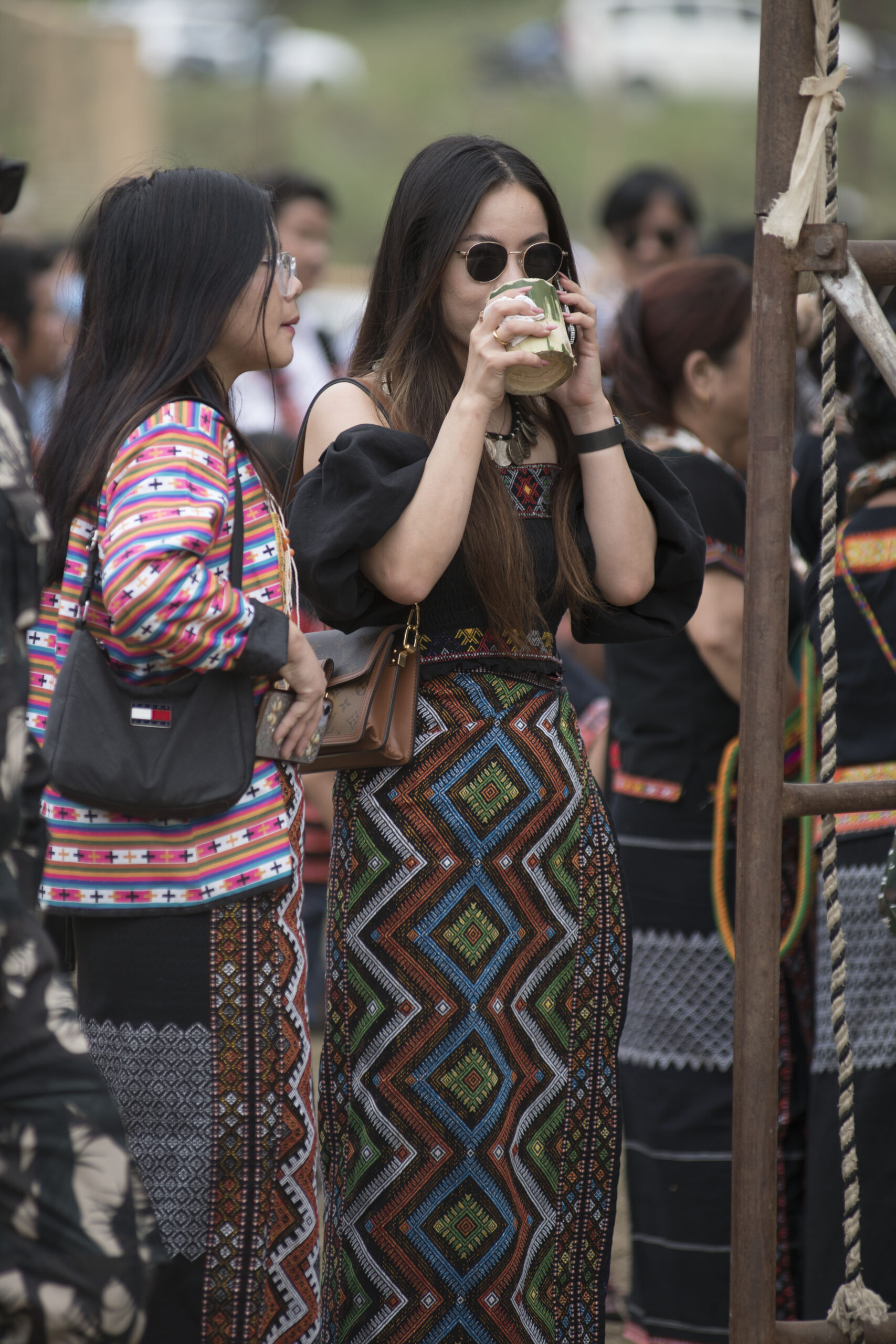
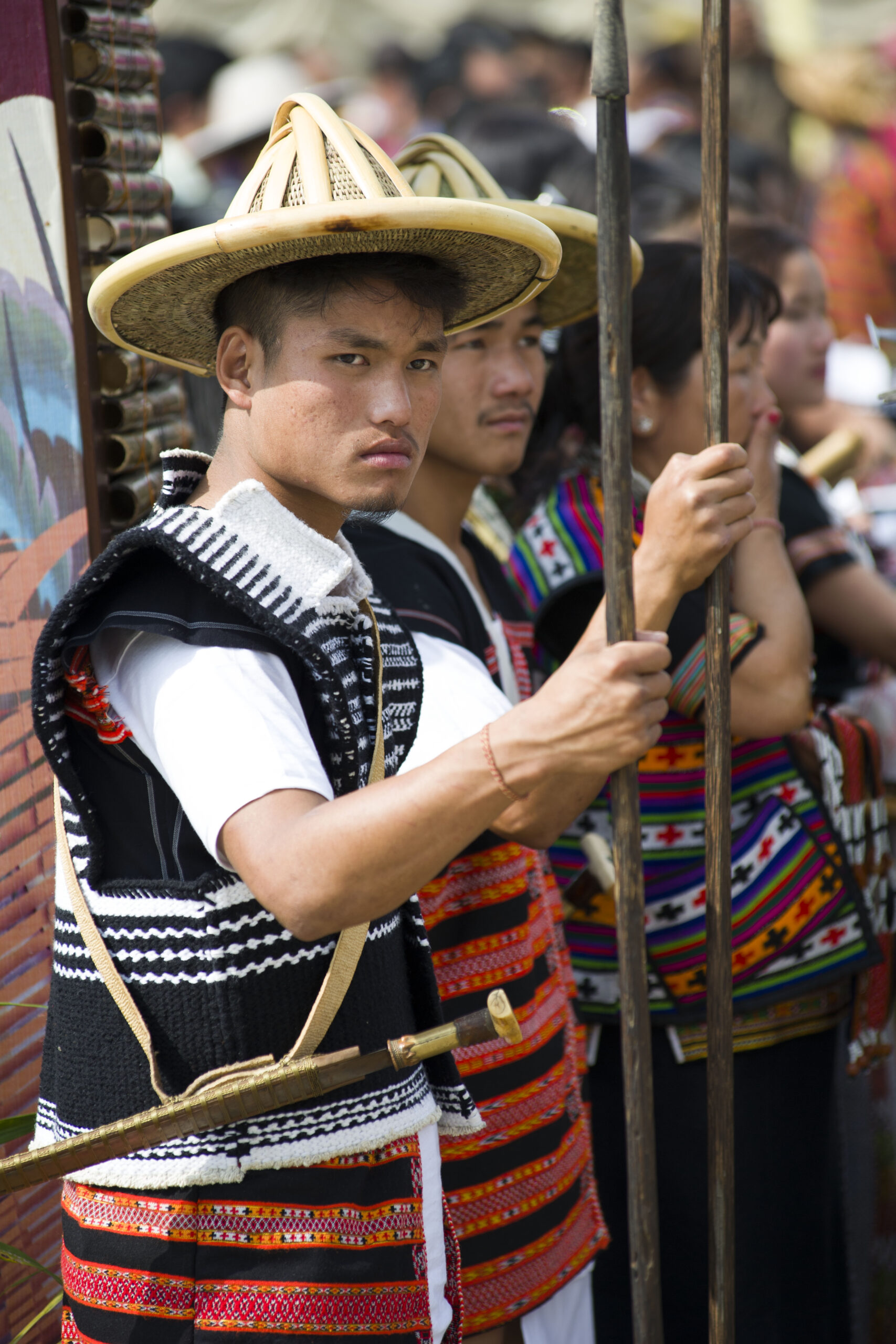
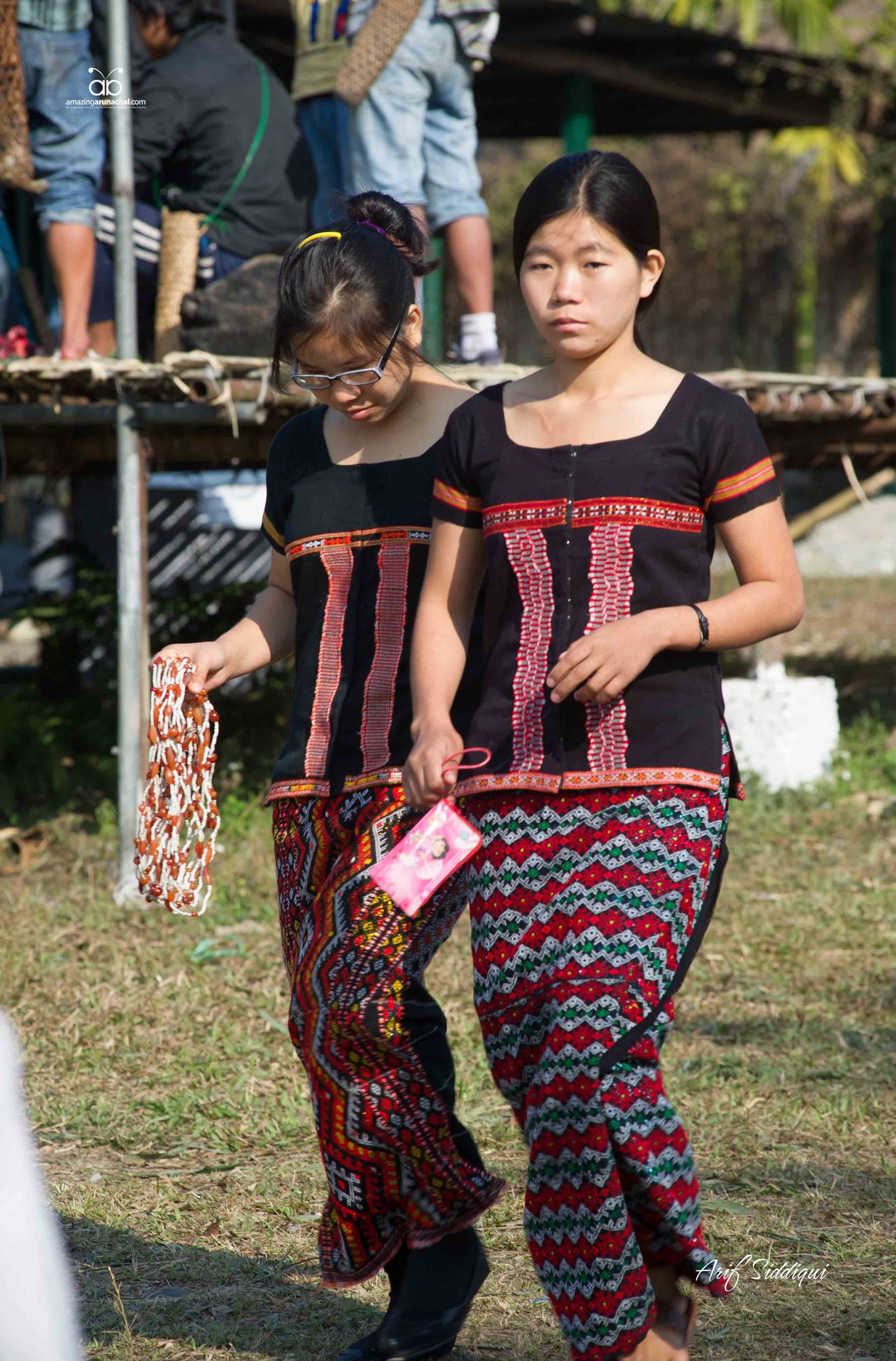
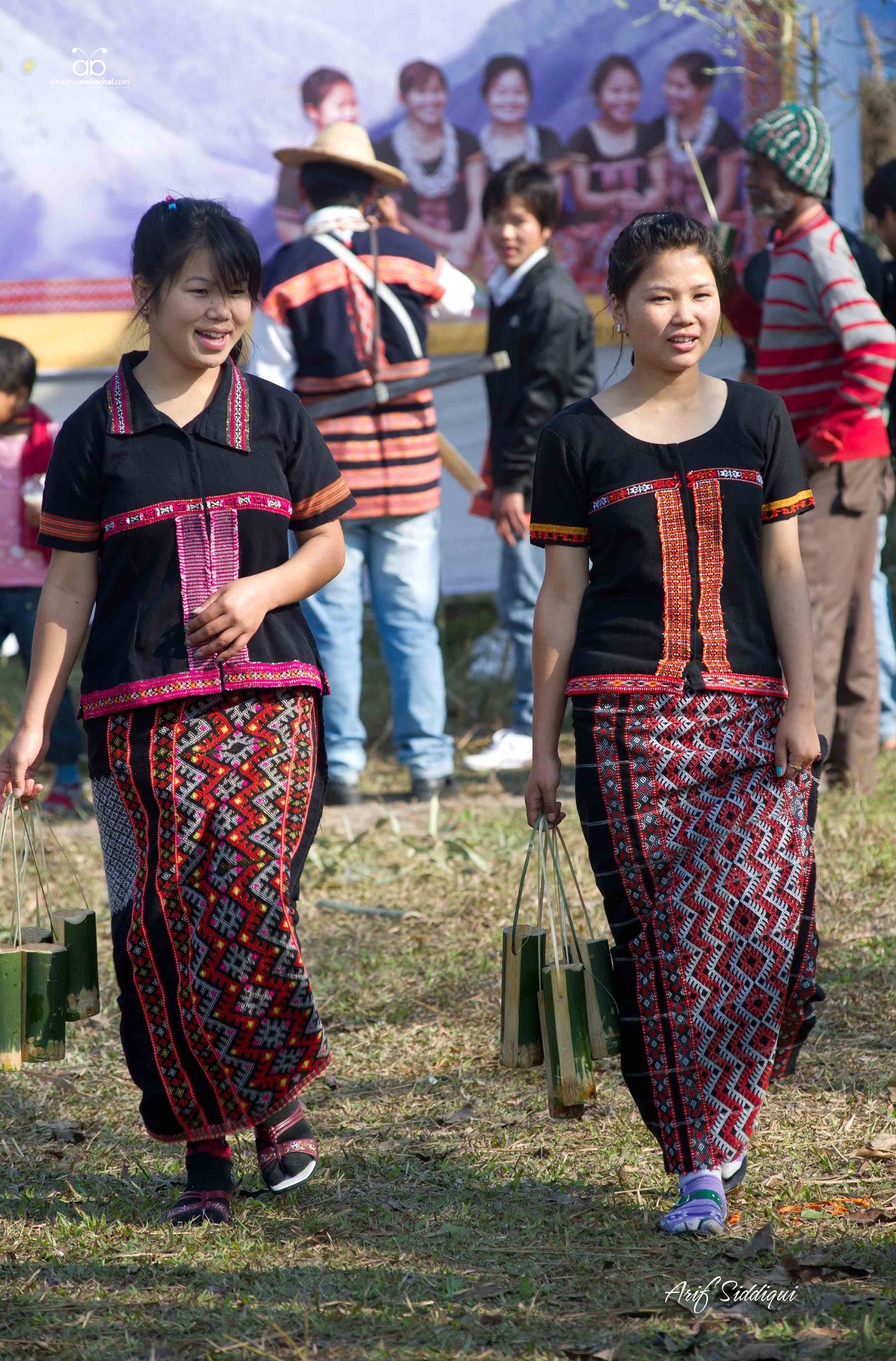
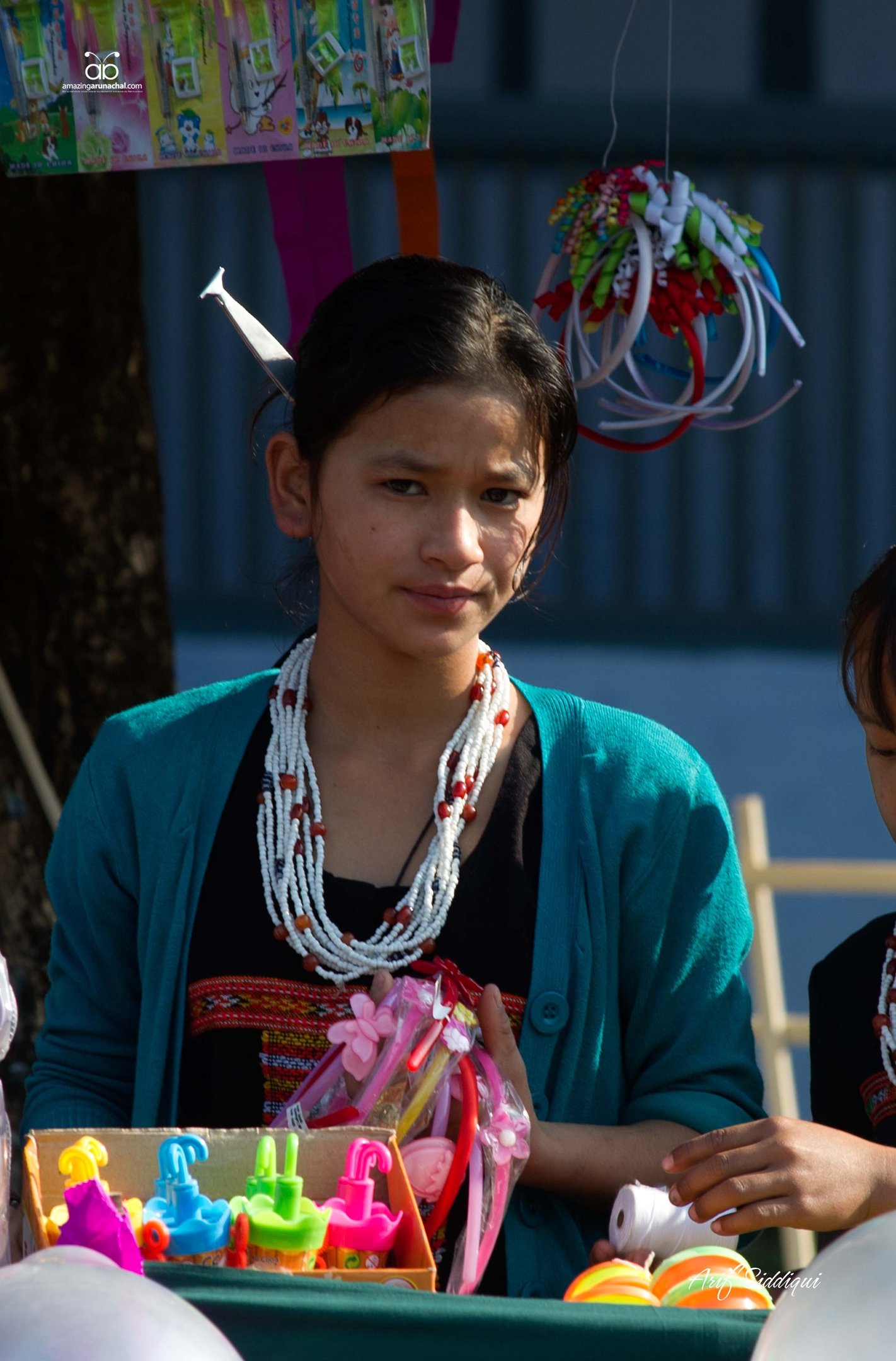
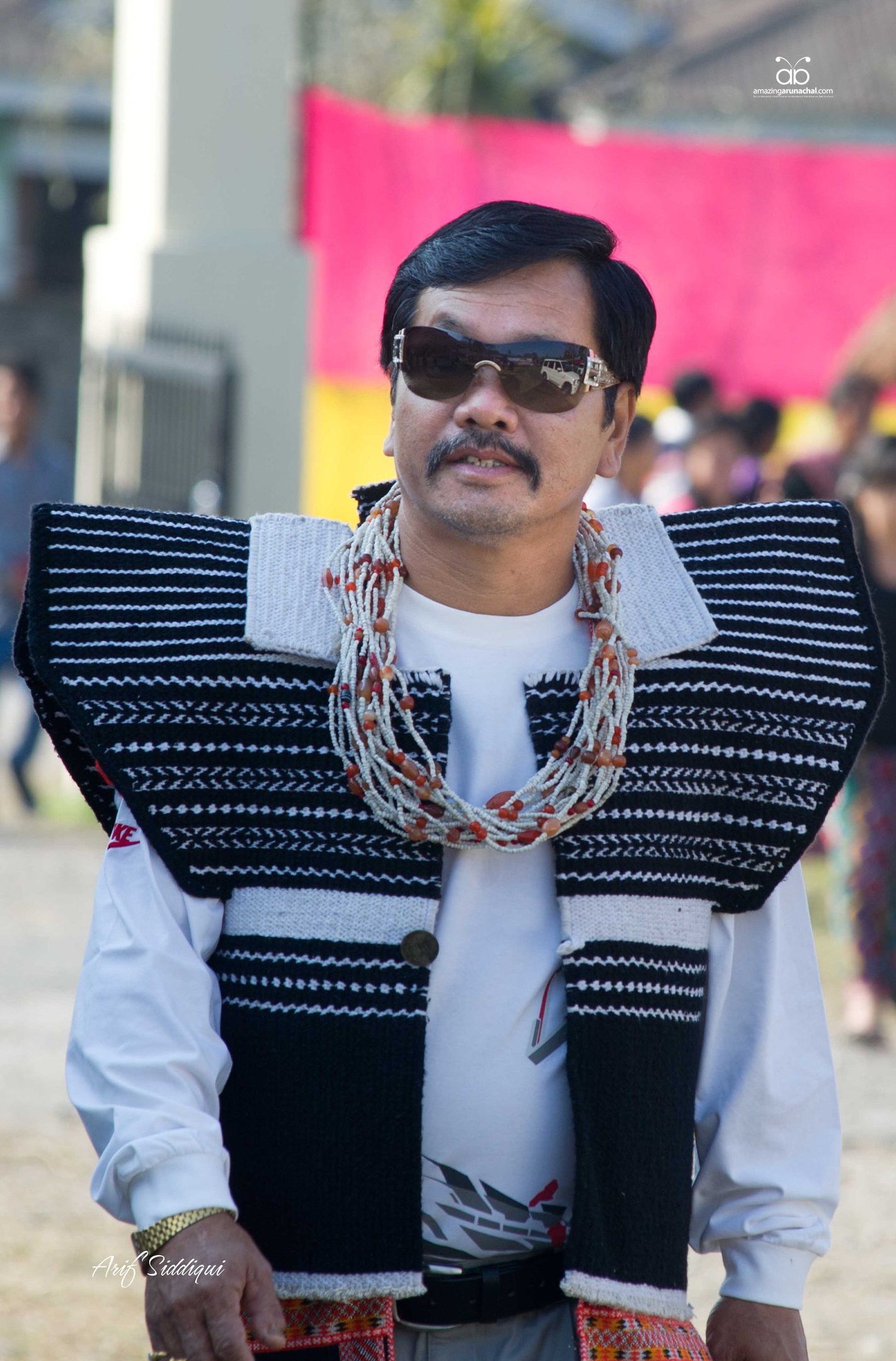
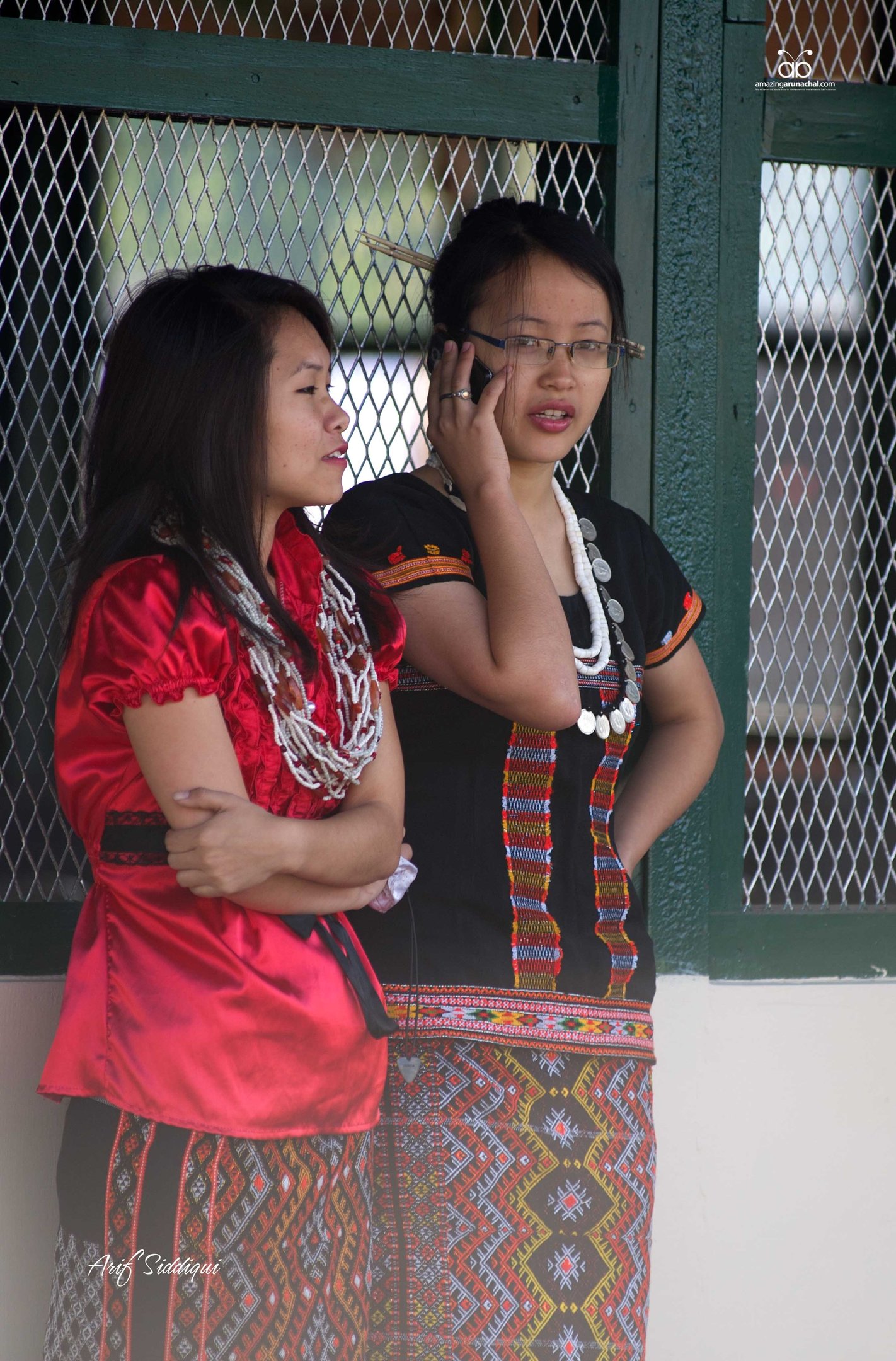
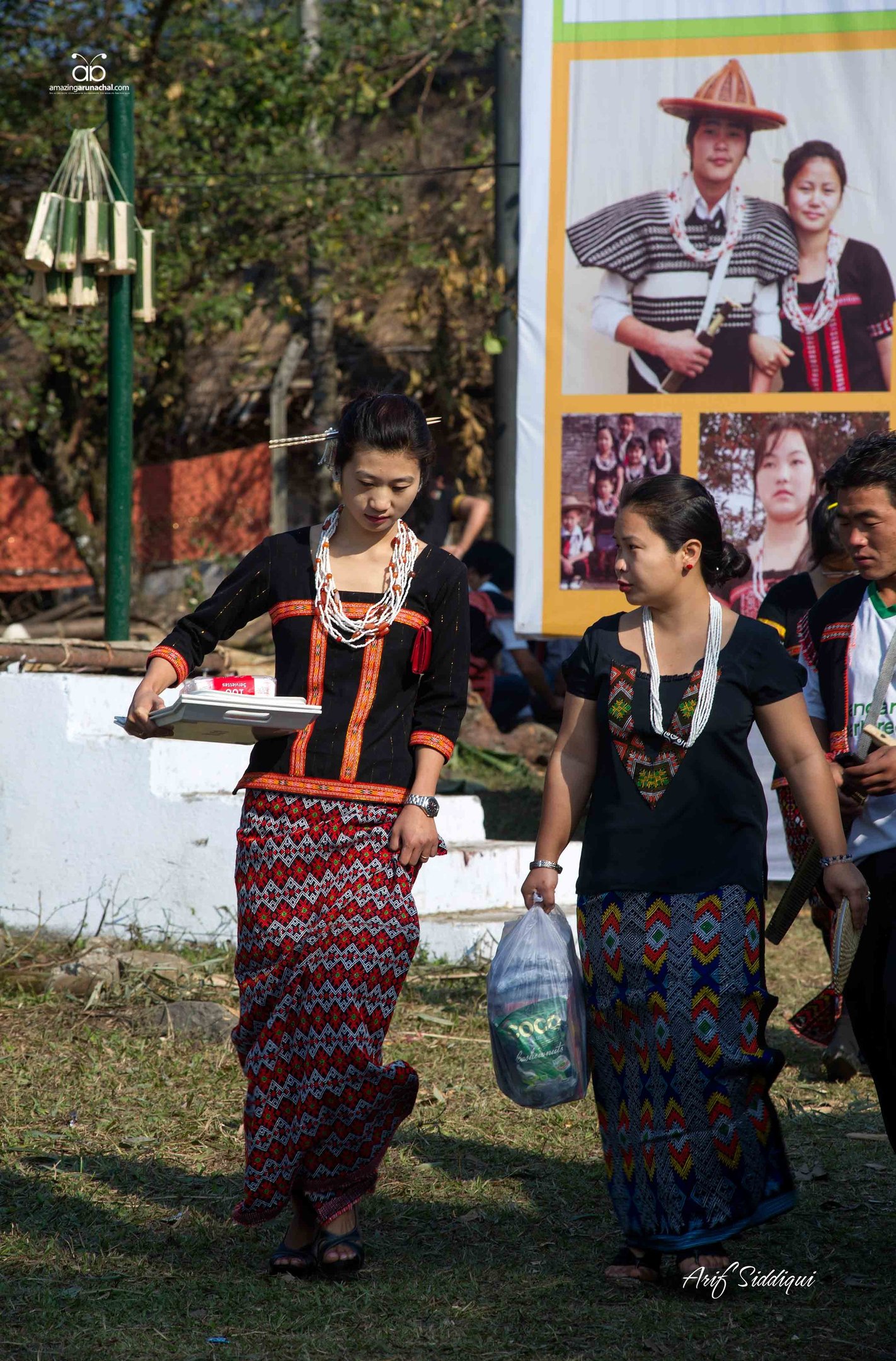
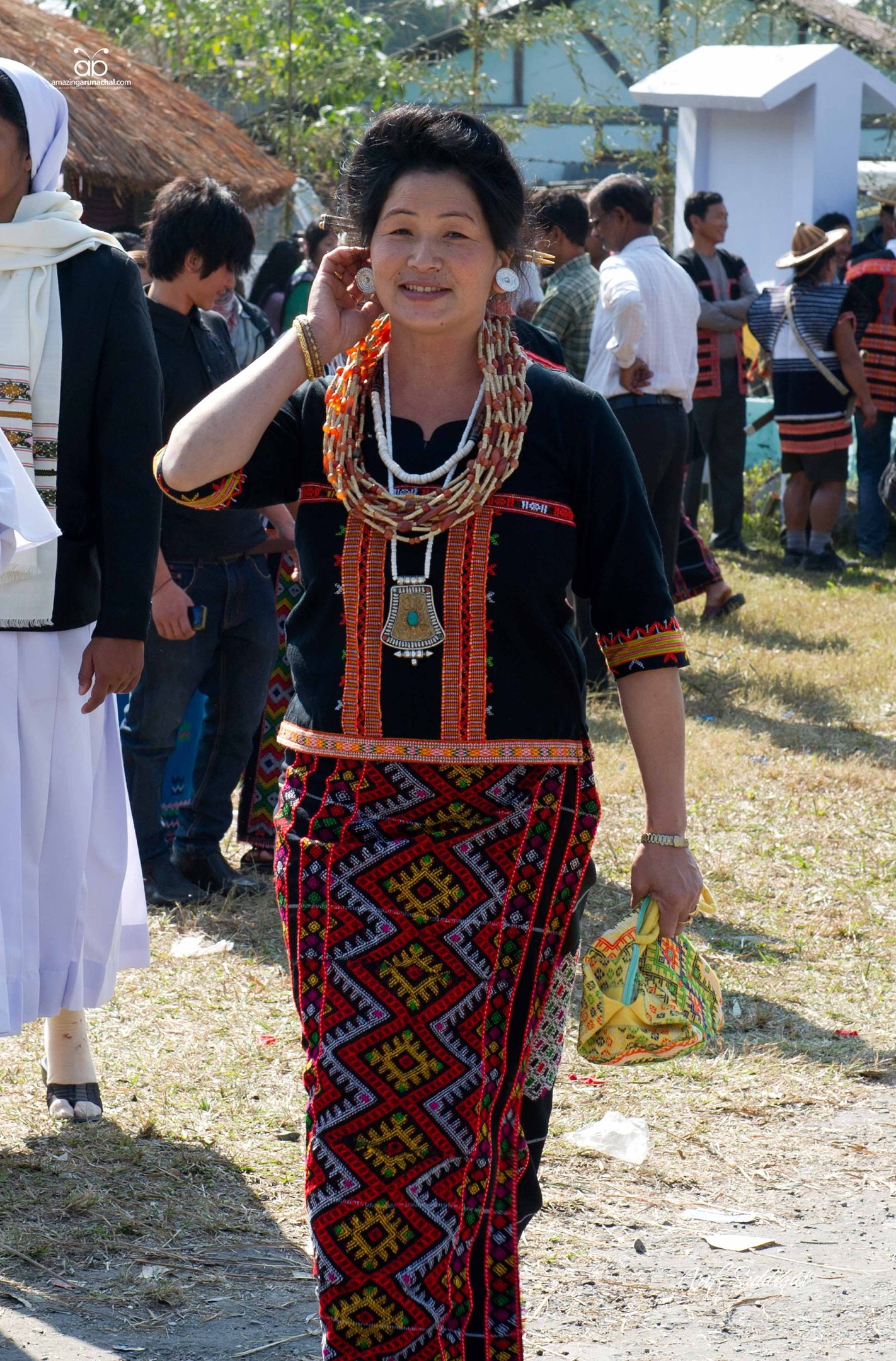
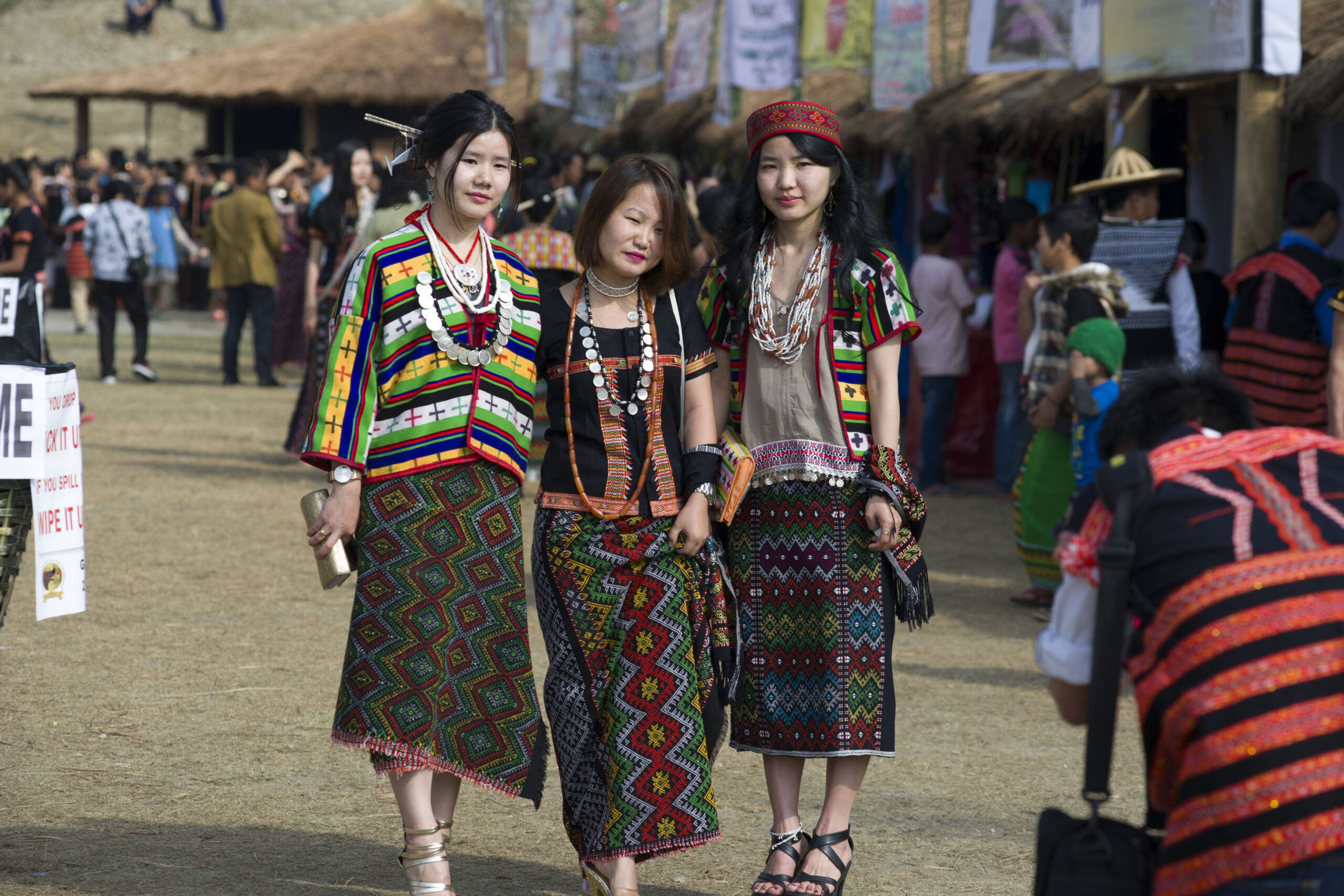
Reh is also a spectacular showcase of Idu Mishmi artistry. Their handwoven attires, adorned with bright hues, intricate patterns, and symbolic motifs, turn the festival into a living gallery of cultural expression. Every garment tells a story, carrying the legacy of generations. Against the majestic backdrop of pristine forests and mist-covered hills, the vivid colours worn during the festival enliven the surroundings, creating a spellbinding visual experience. The celebration strengthens unity among the tribe and reinforces the cultural identity they have proudly preserved for centuries.
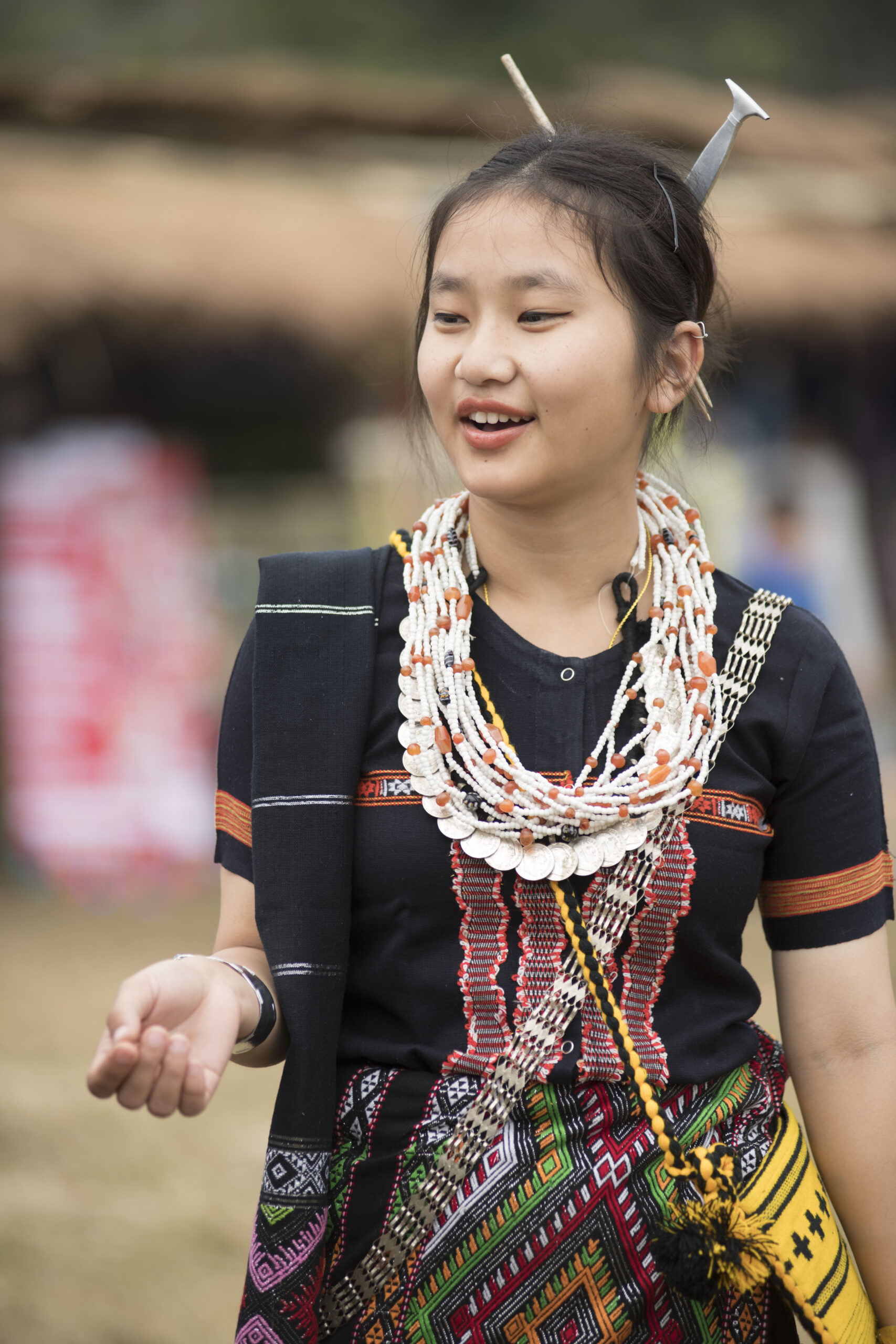
Where to see Reh
The Reh Festival is celebrated across both the Dibang Valley and Lower Dibang Valley districts, bringing the vibrant culture of the Idu Mishmi tribe to life. While the festival is observed in many villages, the main centers of celebration are the towns of Roing and Anini. These towns transform into lively cultural hubs, where visitors can witness traditional dances, colourful handwoven attire, sacred rituals, and the joyous spirit of the community against the backdrop of the region’s breathtaking landscapes.
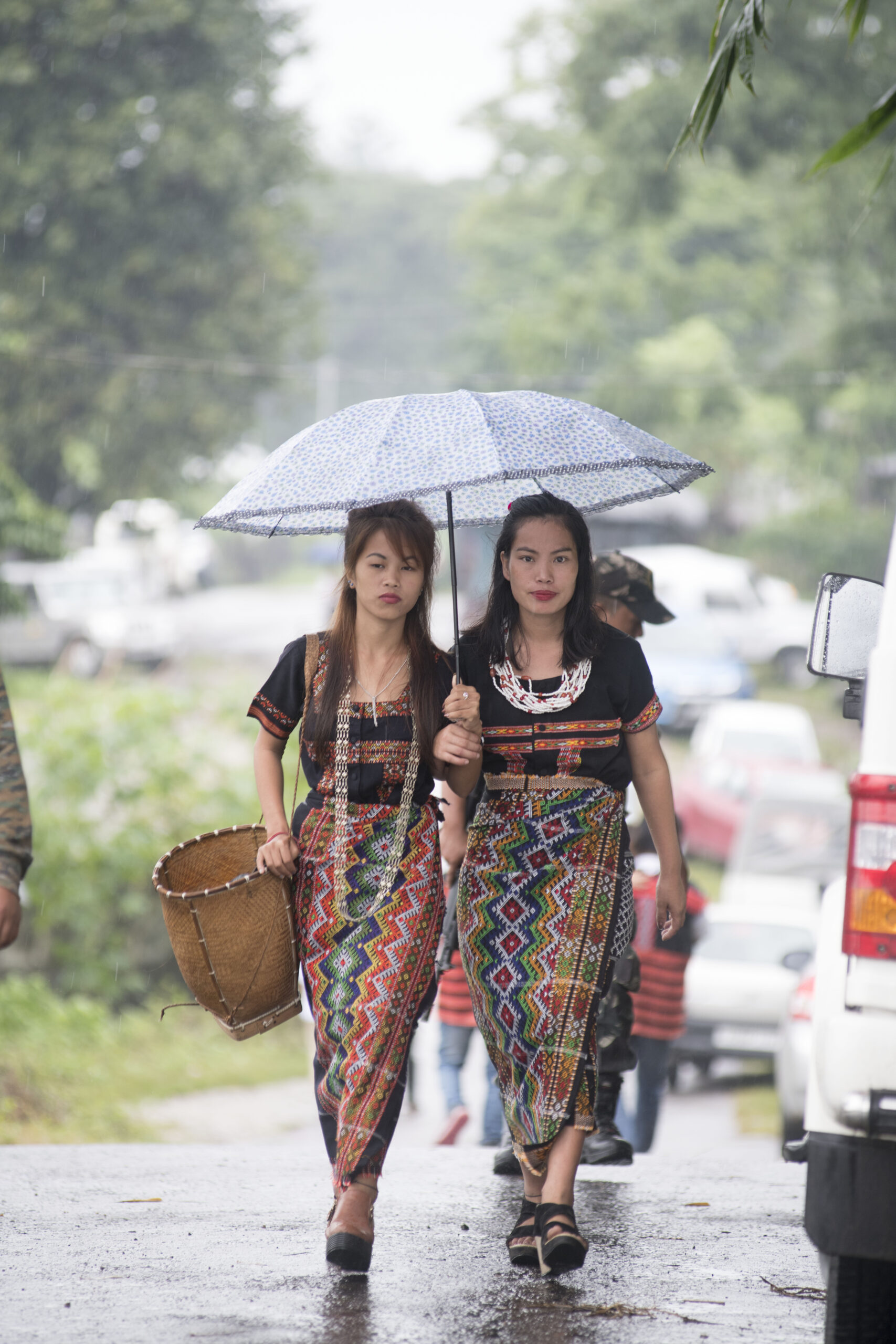
Best season to visit
Roing and Anini transform into vibrant cultural centers during Reh on 1st February, where visitors can witness traditional dances, colourful handwoven attire, sacred rituals, and the joyous spirit of the Idu Mishmi community. Beyond the festival, Anini has emerged as a new tourism hotspot, especially after the discovery of the enchanting seven lakes, each surrounded by pristine forests and snow-capped hills. Together, Roing and Anini provide a perfect blend of cultural immersion and natural exploration during early and post winter time, making the Dibang Valleys a must-visit destination for curious travellers and adventure seekers alike.
How to Reach Roing/Anini
Roing, located in the foothills, is well connected by National Highways to Dibrugarh Airport and Tinsukia Railway Station, making it easily accessible for travellers. Anini, nestled in the hills, is approximately a 6–7 hour drive from Roing. It is now also connected by a modern double-lane highway, ensuring a smoother and more comfortable journey for visitors.
Where to stay in Roing/Anini
Accommodation is readily available in both Roing and Anini, ranging from comfortable hotels and well-maintained resorts to thoughtfully organized homestays that offer an authentic local experience. For a smooth and enjoyable visit, it is recommended to coordinate with experienced tour guides operating in these districts.